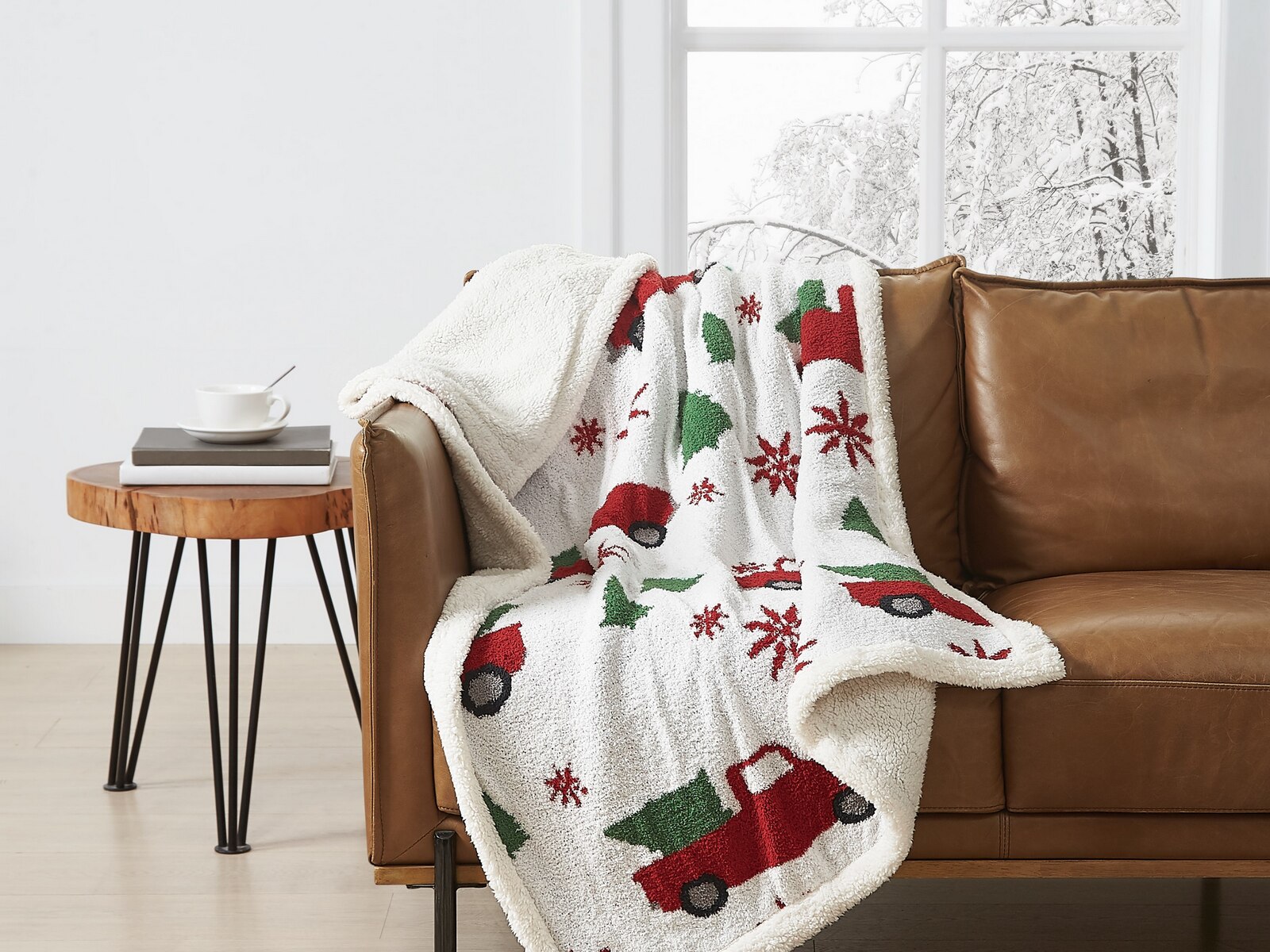
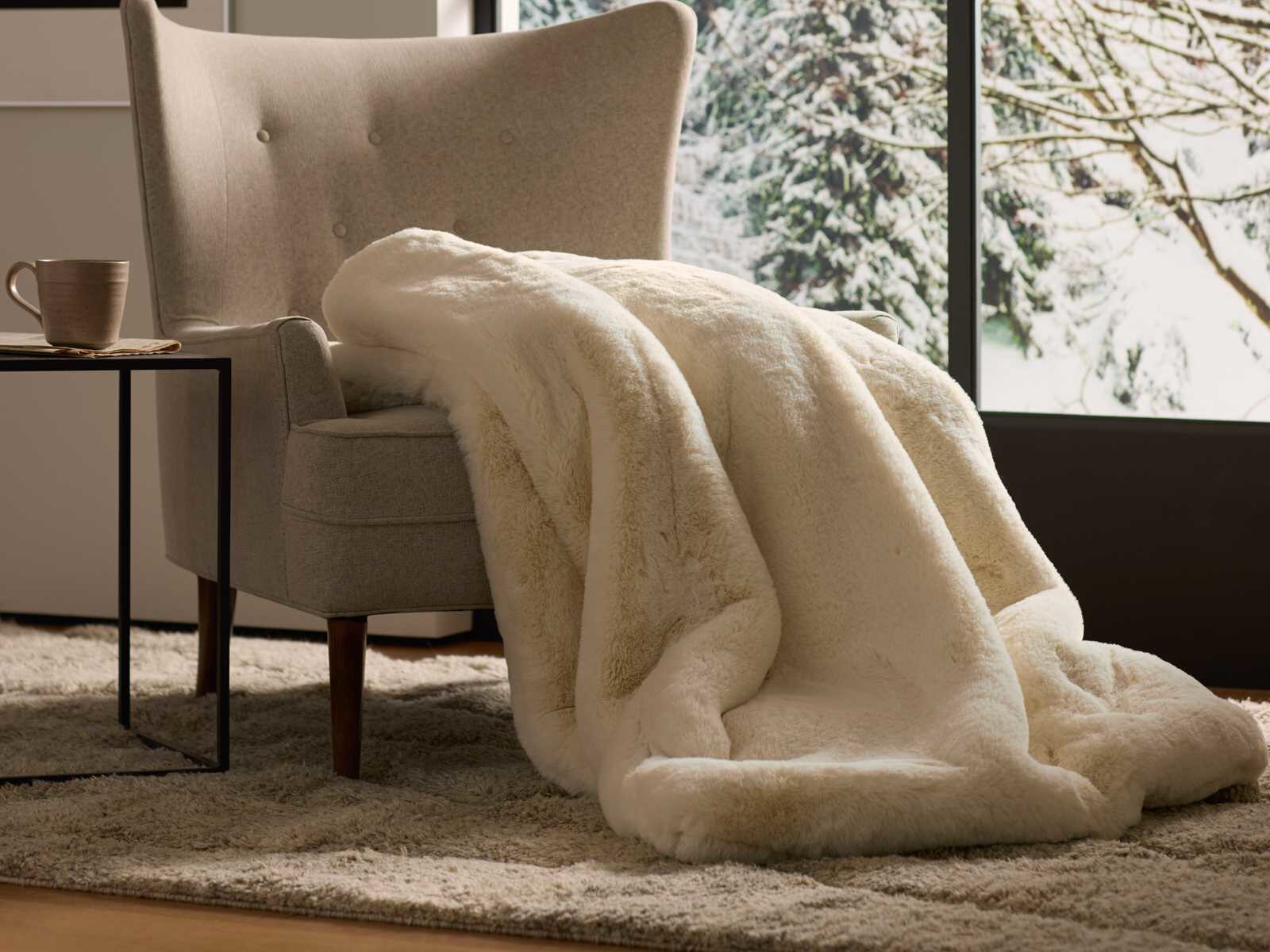
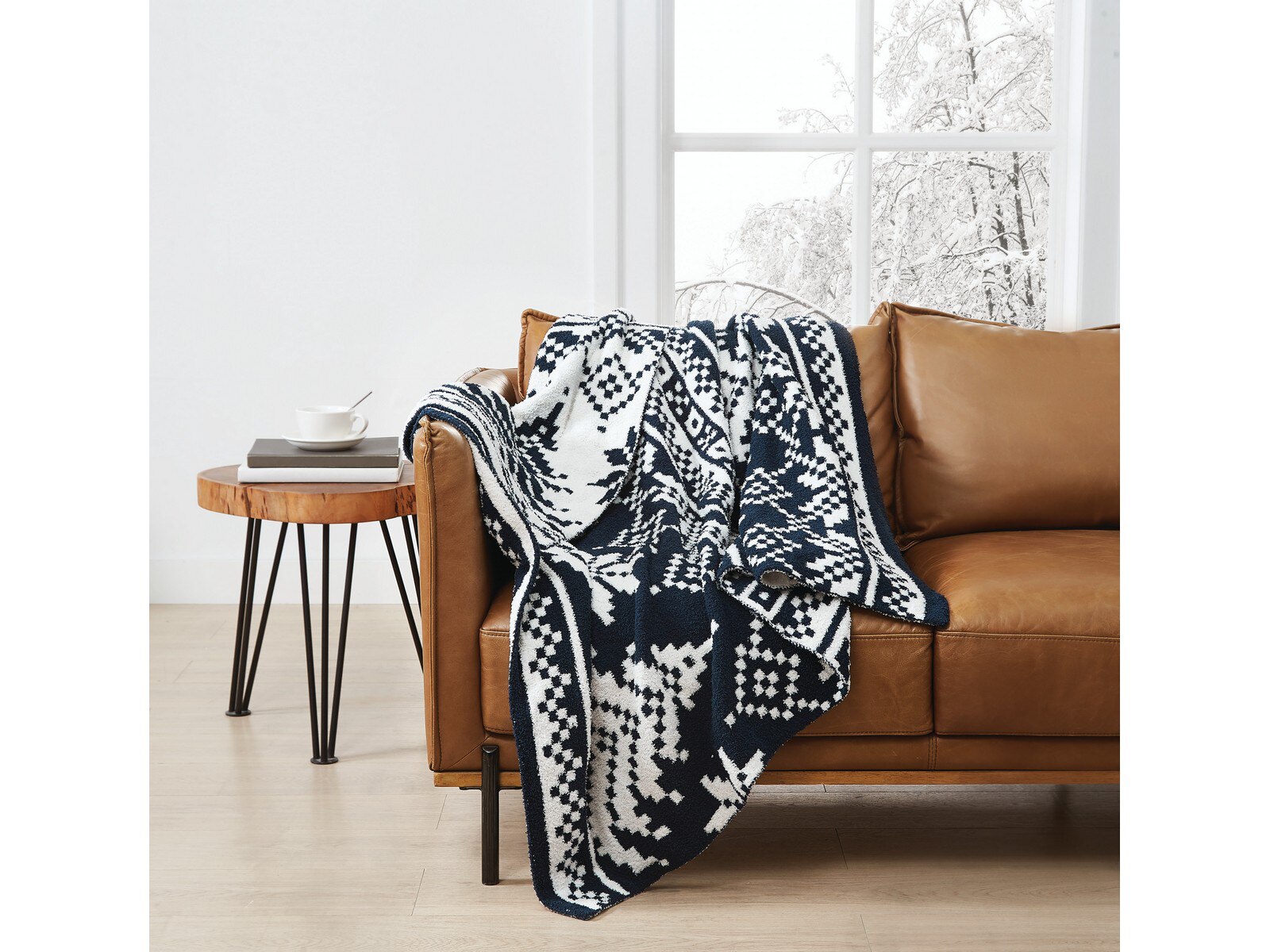
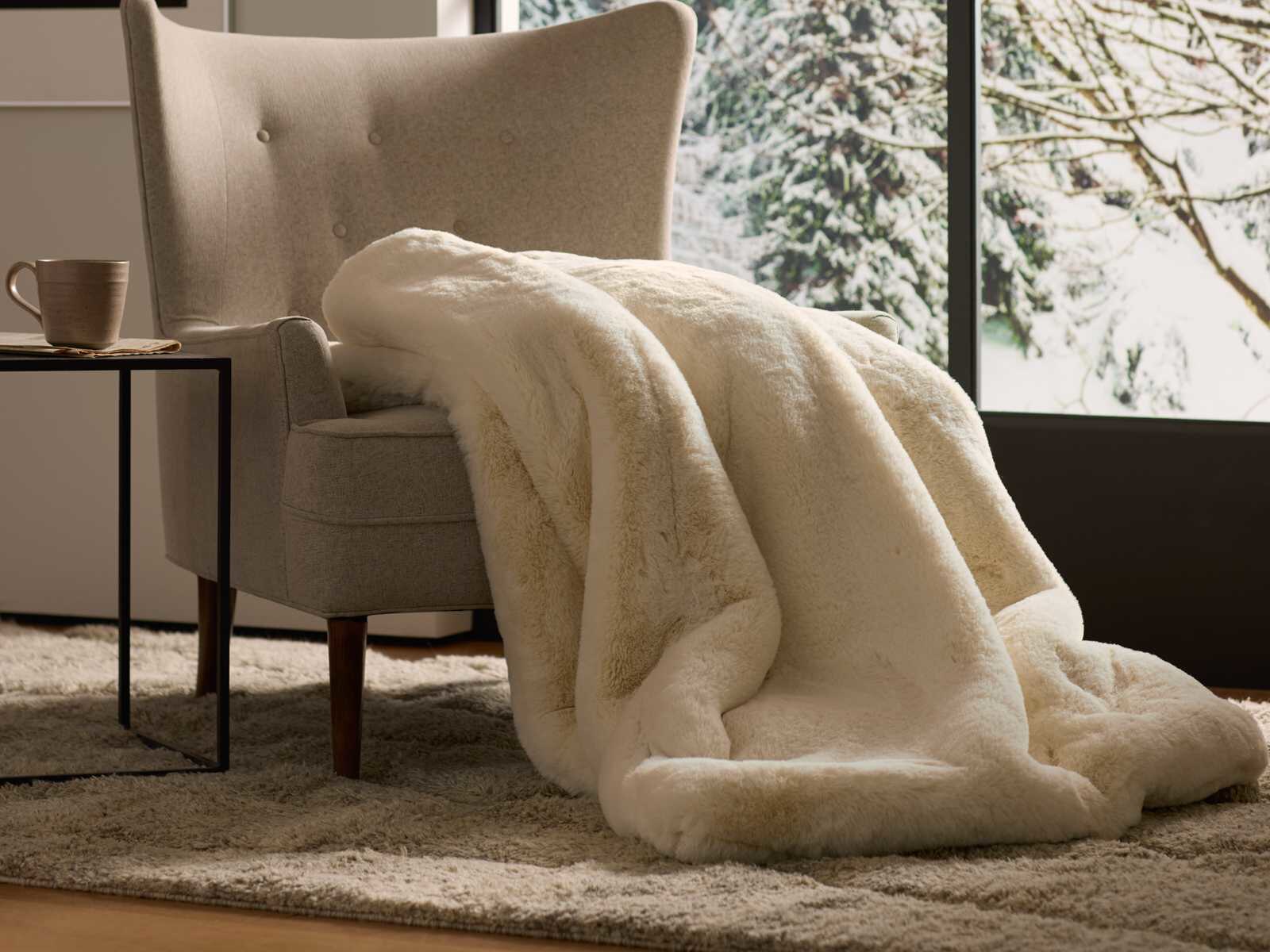
Cozy fall throw blankets are smaller, easy-to-layer blankets that add warmth, texture and a seasonal finishing touch to sofas, reading chairs and beds. Their appeal is both practical and visual: a soft layer within reach makes a quiet evening more comfortable, while a textured fold over an armchair can give the room a welcoming feel. Fall-inspired colors such as rust, cinnamon, golden yellow and warm cream bring depth to a space without requiring a complete change of bedding or furniture. Plaid patterns suggest a familiar cabin atmosphere, while solid shades let the fabric’s texture stand out. The material helps determine how a throw feels against the skin, how much warmth it provides and how easily it fits into everyday routines. Cotton throws often offer a breathable feel, making them useful for someone who wants a light covering rather than a heavy layer. Fleece typically feels soft and provides warmth without much weight, though thickness and construction vary. Wool can offer insulating comfort, but its texture ranges from smooth to more noticeable against bare skin, so personal sensitivity matters. Knit throws bring visible dimension, with tighter stitches generally offering more continuous coverage than open, decorative knits. Faux fur adds a deep, plush surface that can make a simple chair feel especially inviting, while brushed and woven fabrics offer different balances of softness, structure and drape. Fiber blends may combine desirable qualities, but the full fabric composition and care label provide a clearer picture than appearance alone. A blanket’s loft, density and weave also affect comfort; a thick-looking throw is not automatically the warmest choice, and a lightweight fabric may still provide a satisfying layer. For fall evenings spent reading, watching a movie or winding down before bed, the most useful throw is one that feels pleasant against the skin and provides the right amount of coverage without becoming cumbersome. That balance makes it easier to enjoy the blanket often, rather than leaving it folded purely for decoration.
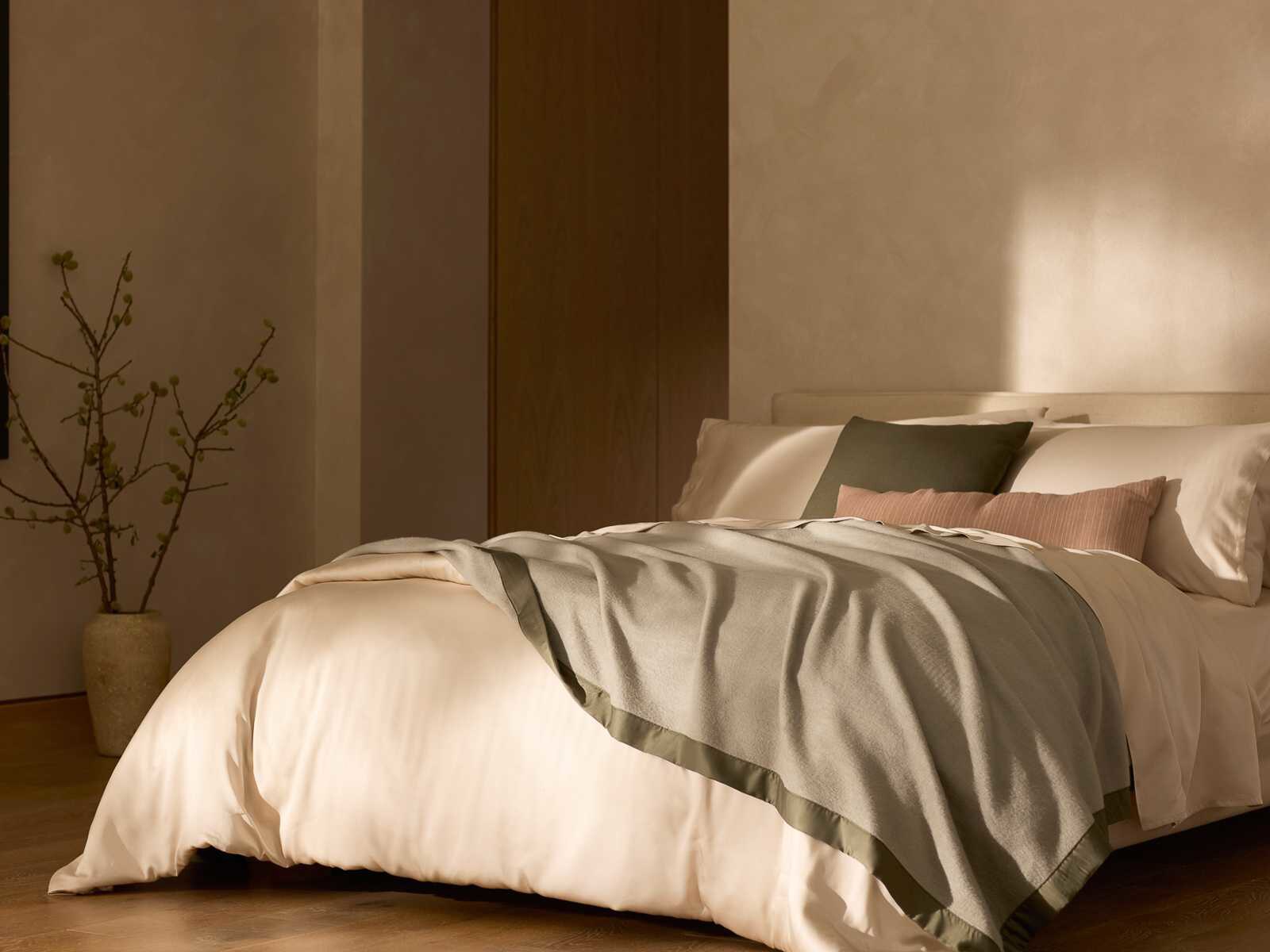
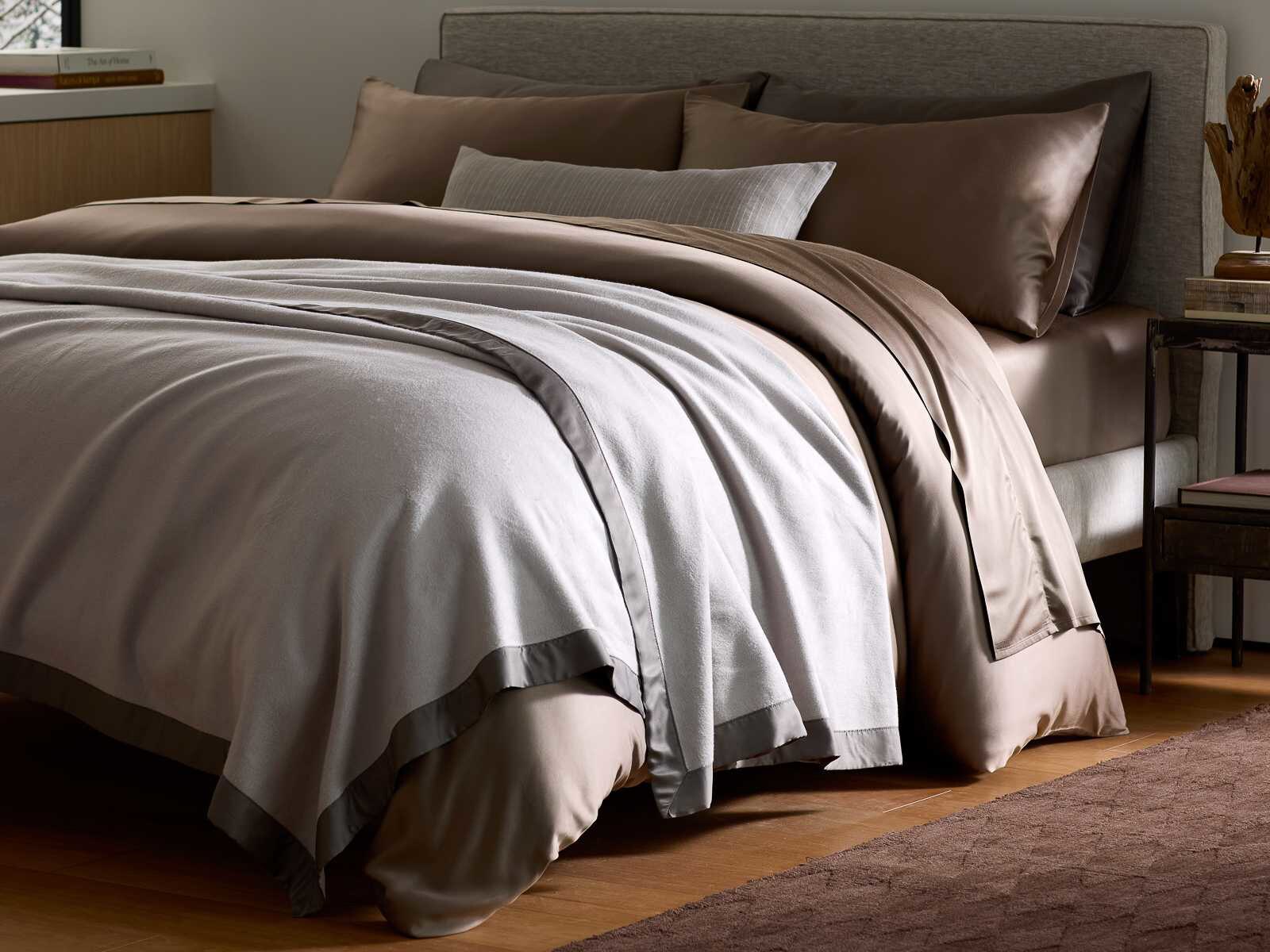
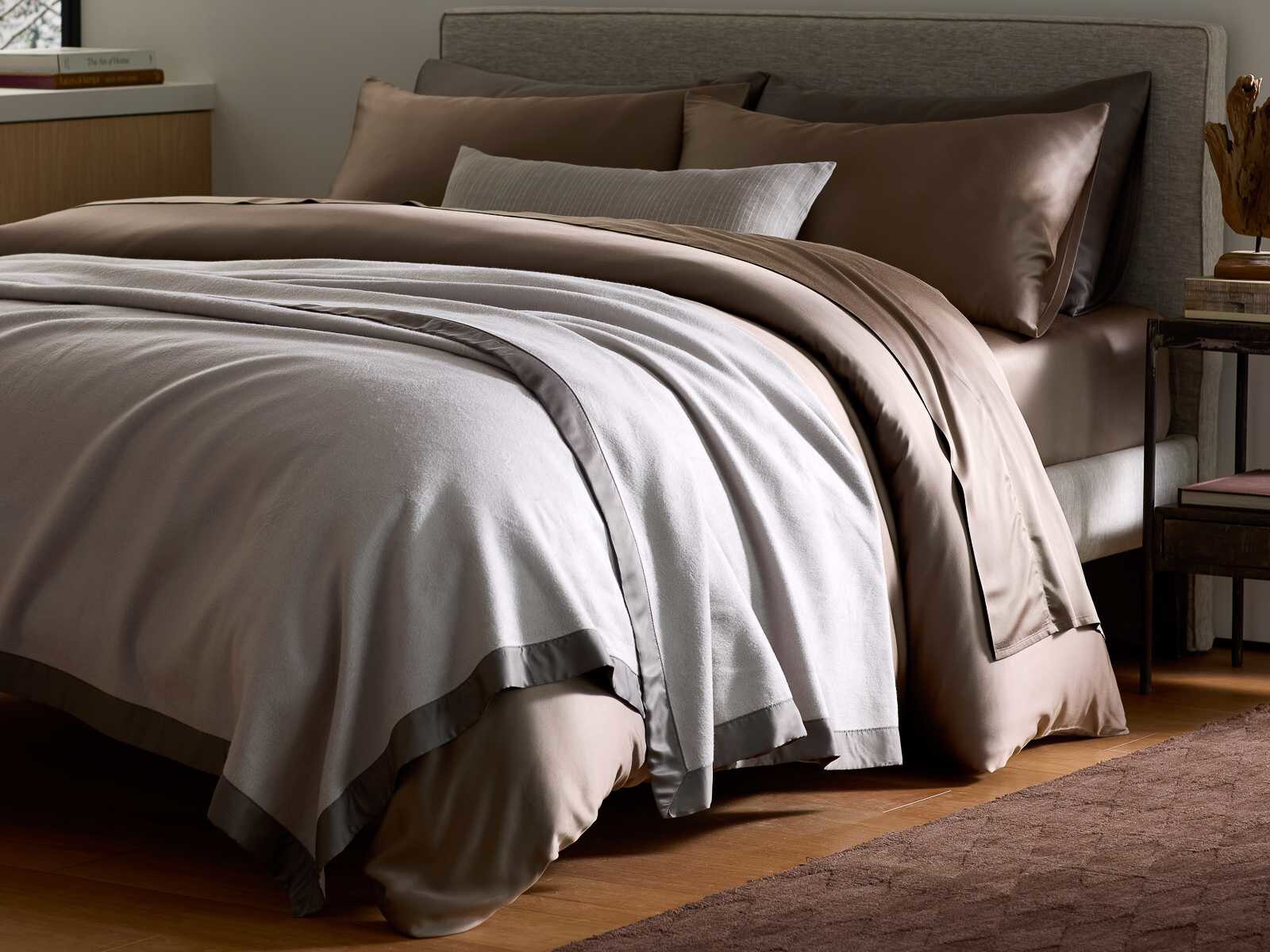
Fit is worth considering because a throw serves a different purpose from a full-size bed blanket. Many throws measure around 50 by 60 inches, although dimensions vary, so checking the measurements helps clarify whether a blanket will cover a lap, reach from shoulders to feet or comfortably accommodate someone with a taller frame. A compact throw can be convenient for an accent chair or a home office, where it needs to stay clear of the floor and chair wheels. A larger throw may be more comfortable for stretching out on a sofa, sharing a layer during a movie or adding coverage across the foot of a bed. On a queen or king mattress, a throw usually acts as an accent or an extra personal layer rather than covering the entire sleeping surface. Consider how it will sit on the furniture, too. A blanket draped over a sofa arm should have enough length to look relaxed without pooling where someone might step on it. Folded across a bench or at the end of a bed, a more structured weave can create a tidy edge, while a supple fabric settles into softer folds. Texture can help tie a room together: a nubby knit adds contrast to smooth upholstery, and a simple woven throw can balance patterned pillows. If the surrounding colors are already rich, cream, oatmeal or charcoal can soften the overall look without competing for attention. For everyday use, think beyond the room’s appearance. Someone who tends to feel warm may prefer a lighter throw that is easy to adjust, while someone who likes extra coverage may appreciate a denser construction. Keeping separate throws near different seats lets each person choose a comfortable layer. The
Warm and Cozy Throw Blankets collection offers another way to explore this versatile finishing touch for restful spaces, with comfort and everyday use at the center of the choice.
Care and durability help determine whether a fall throw becomes a dependable favorite. Before choosing a fabric, consider how often the blanket will be used and how much upkeep fits comfortably into the household routine. A throw that accompanies snacks on the sofa, visits from guests or a pet’s favorite resting spot will likely need cleaning more often than one kept mainly as a bedroom accent. Always follow the care label, since similar-looking fabrics can require different washing and drying methods. Some throws can be machine washed, while others need a gentler process or professional cleaning. Heat may shrink certain fibers or affect the feel of a plush surface, and vigorous washing can stretch delicate knits. If the label calls for reshaping or drying flat, allow enough space and time for that step rather than treating the blanket like a standard towel. Spot cleaning may help with small marks when permitted by the manufacturer, but testing an inconspicuous area first can help prevent a visible change in color or texture. Construction matters for longevity as well: secure edges, even stitching and a stable weave are useful details to check. Loosely knitted fabrics and long fringe may catch on jewelry or pet claws, so a tighter construction can be more practical in a busy living area. Pilling or shedding can occur with some fabrics through use and friction; any removal method should be appropriate for the material. Store a throw clean and fully dry, and avoid compressing delicate textures for extended periods. These practical considerations also make throws thoughtful gifts for housewarmings, birthdays or a host who enjoys creating a comfortable home. A recipient who loves quiet reading time may appreciate easy drape and soft texture, while someone furnishing a first apartment may value a versatile color and straightforward care. When preferences are uncertain, a simple pattern and familiar fabric can be easier to work into an existing room. A well-chosen throw brings comfort to ordinary moments, from an afternoon on the couch to an extra layer while settling into bed.