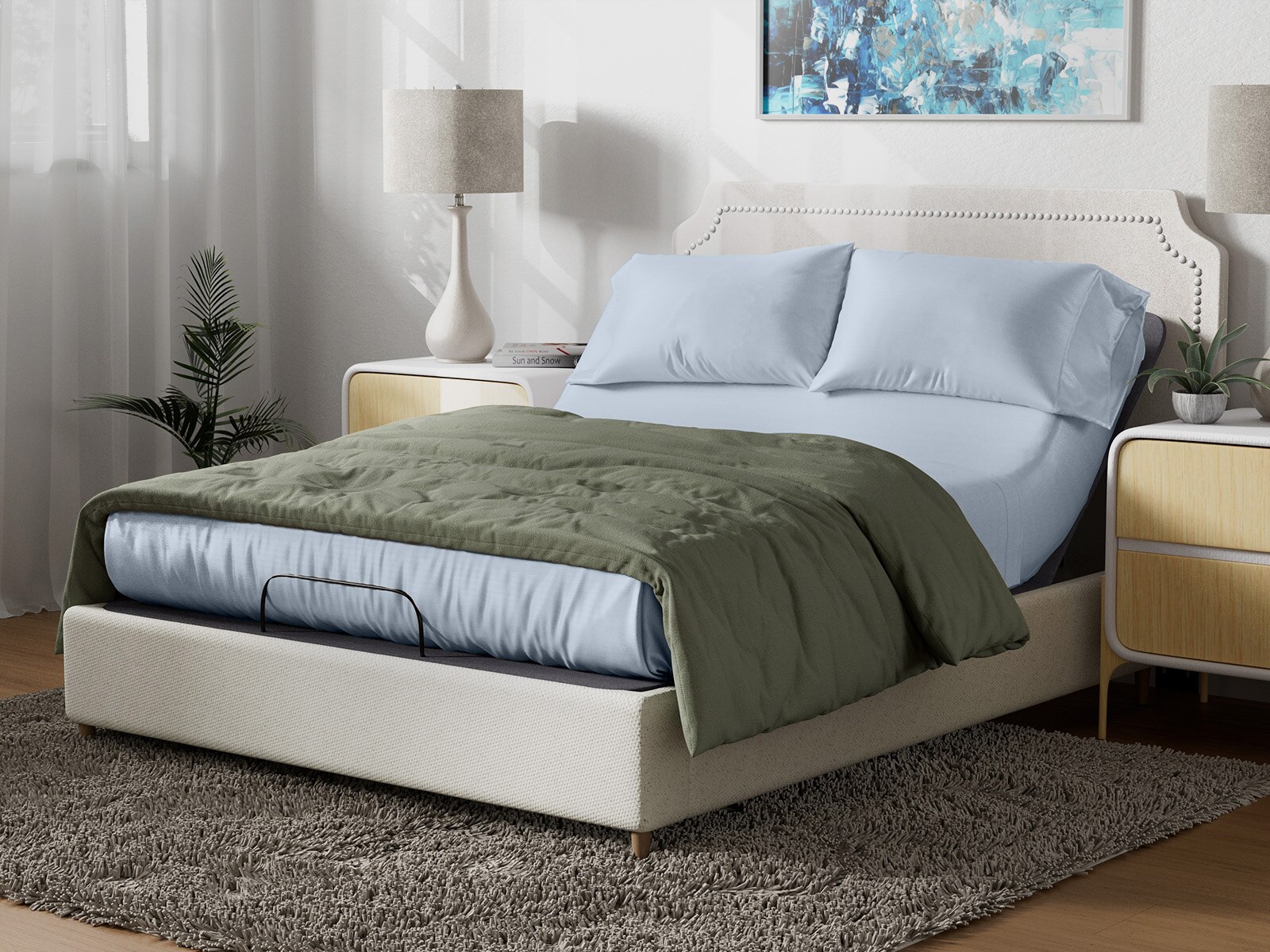
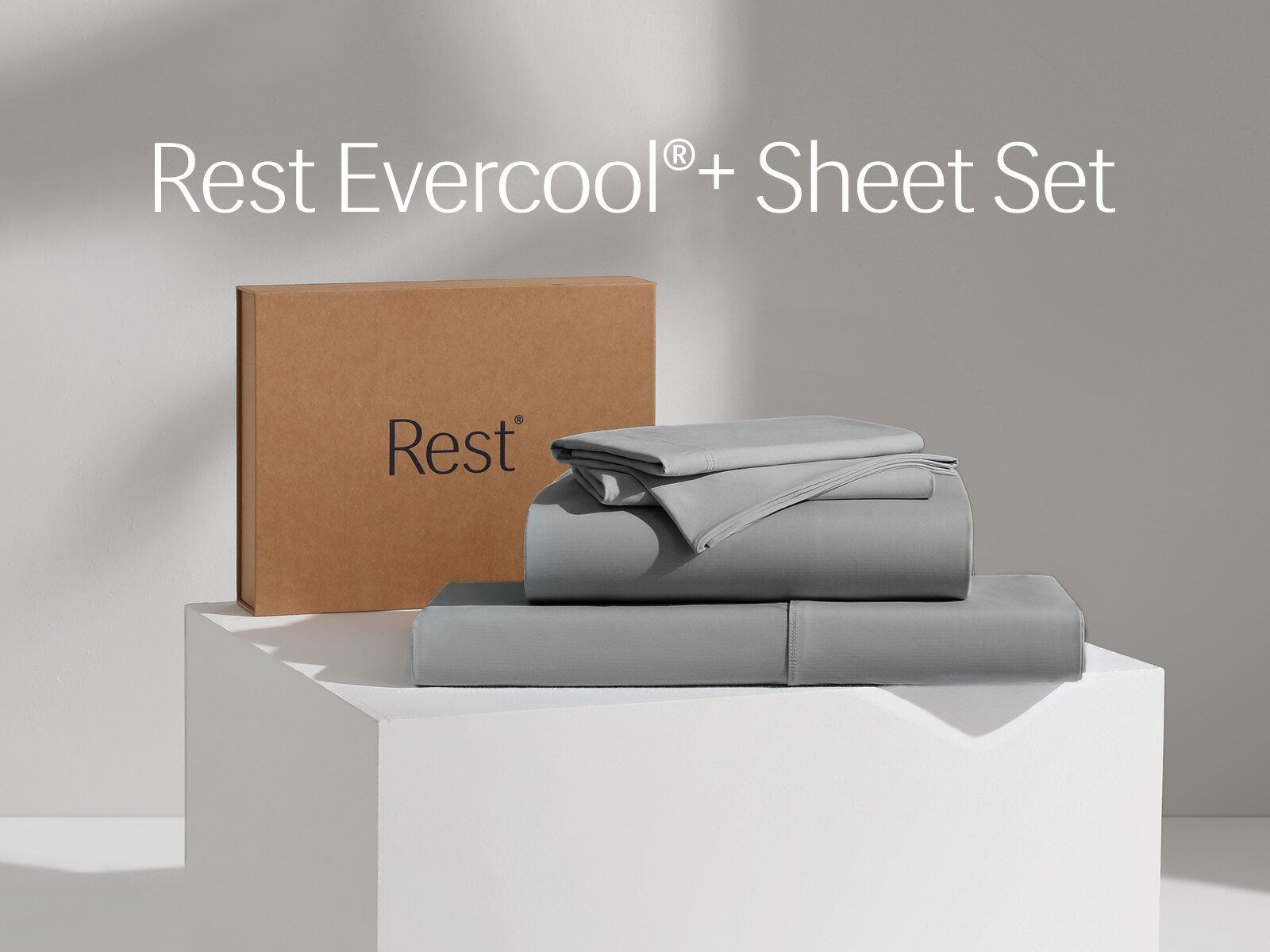
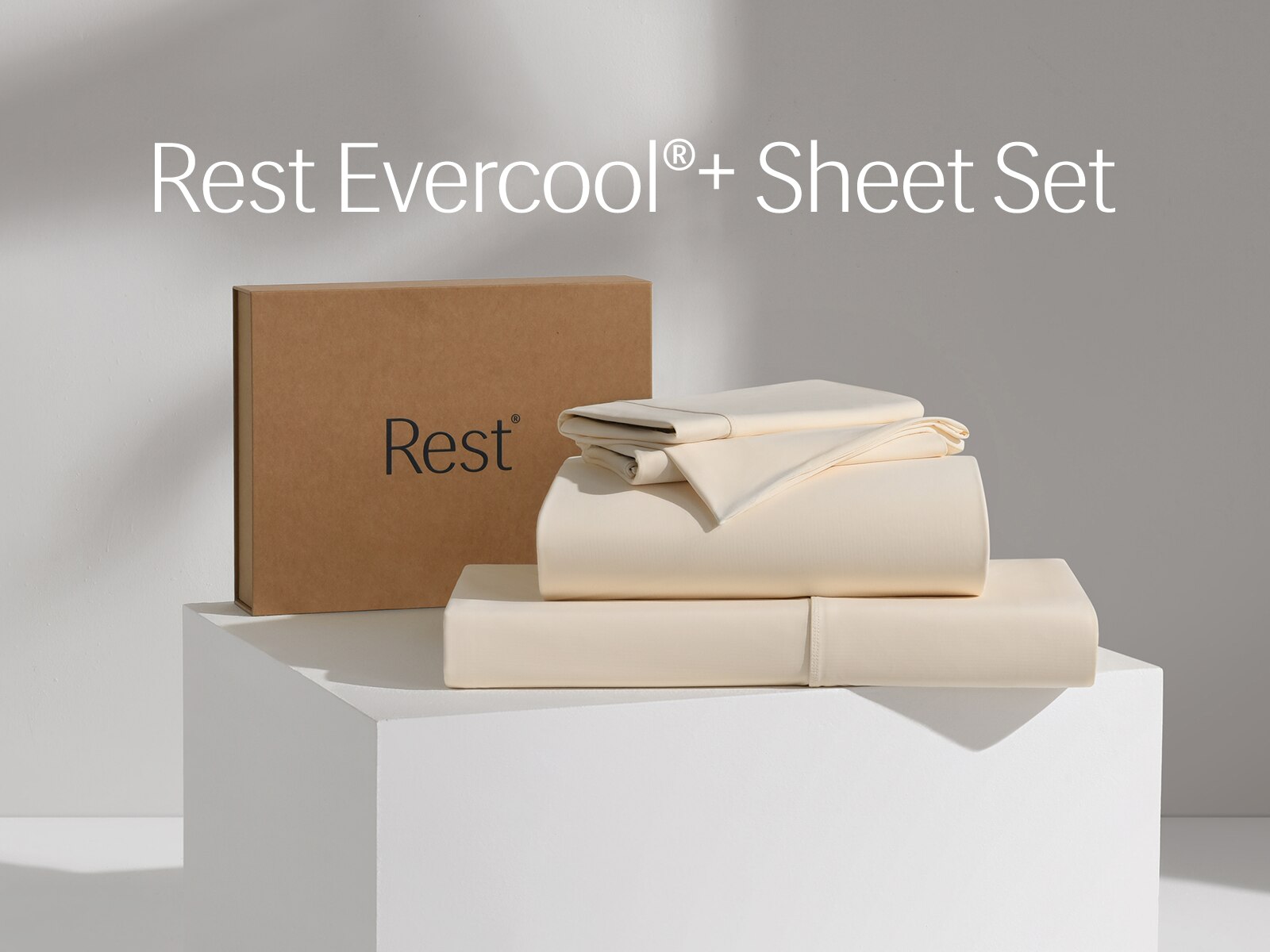
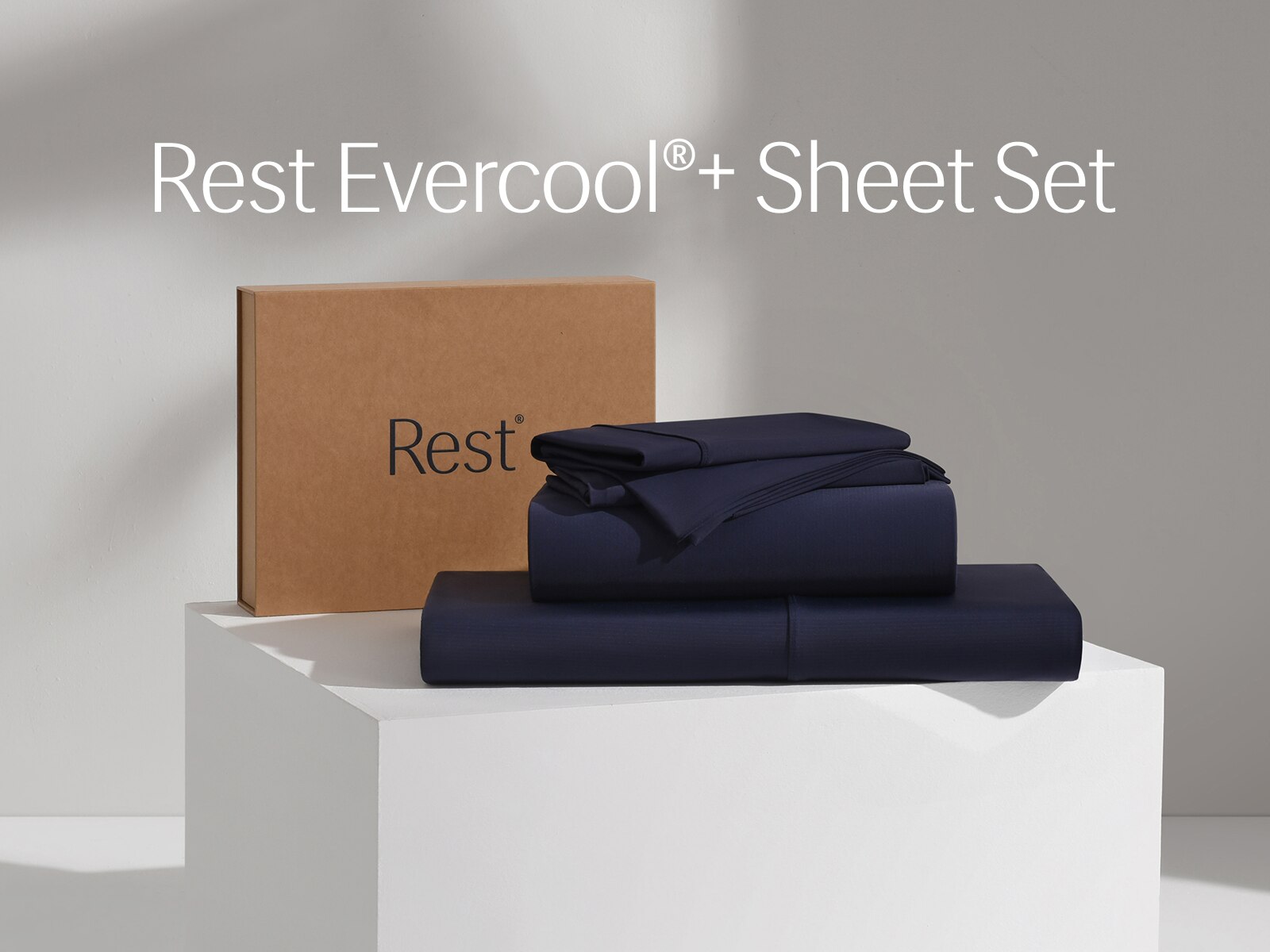
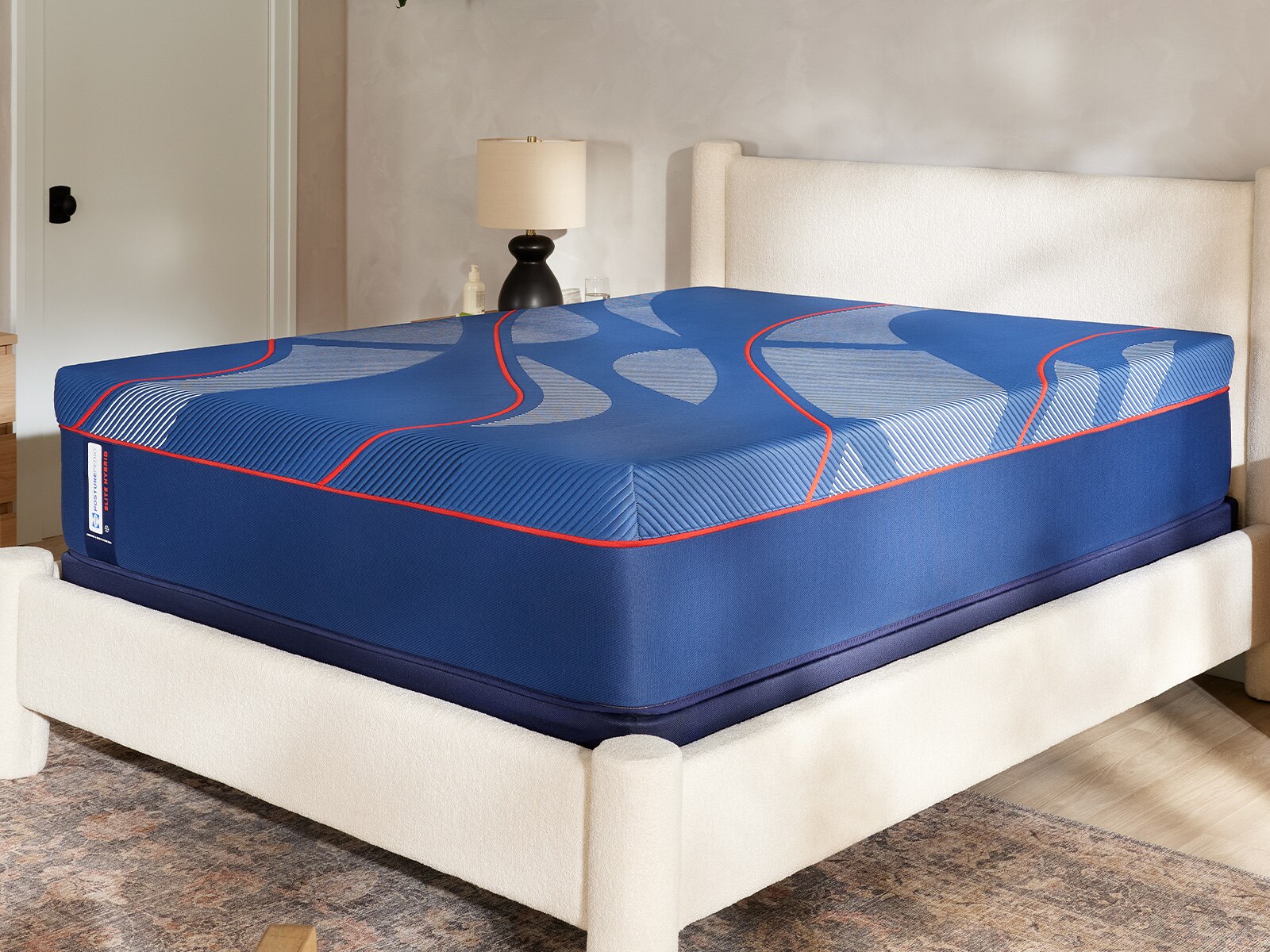
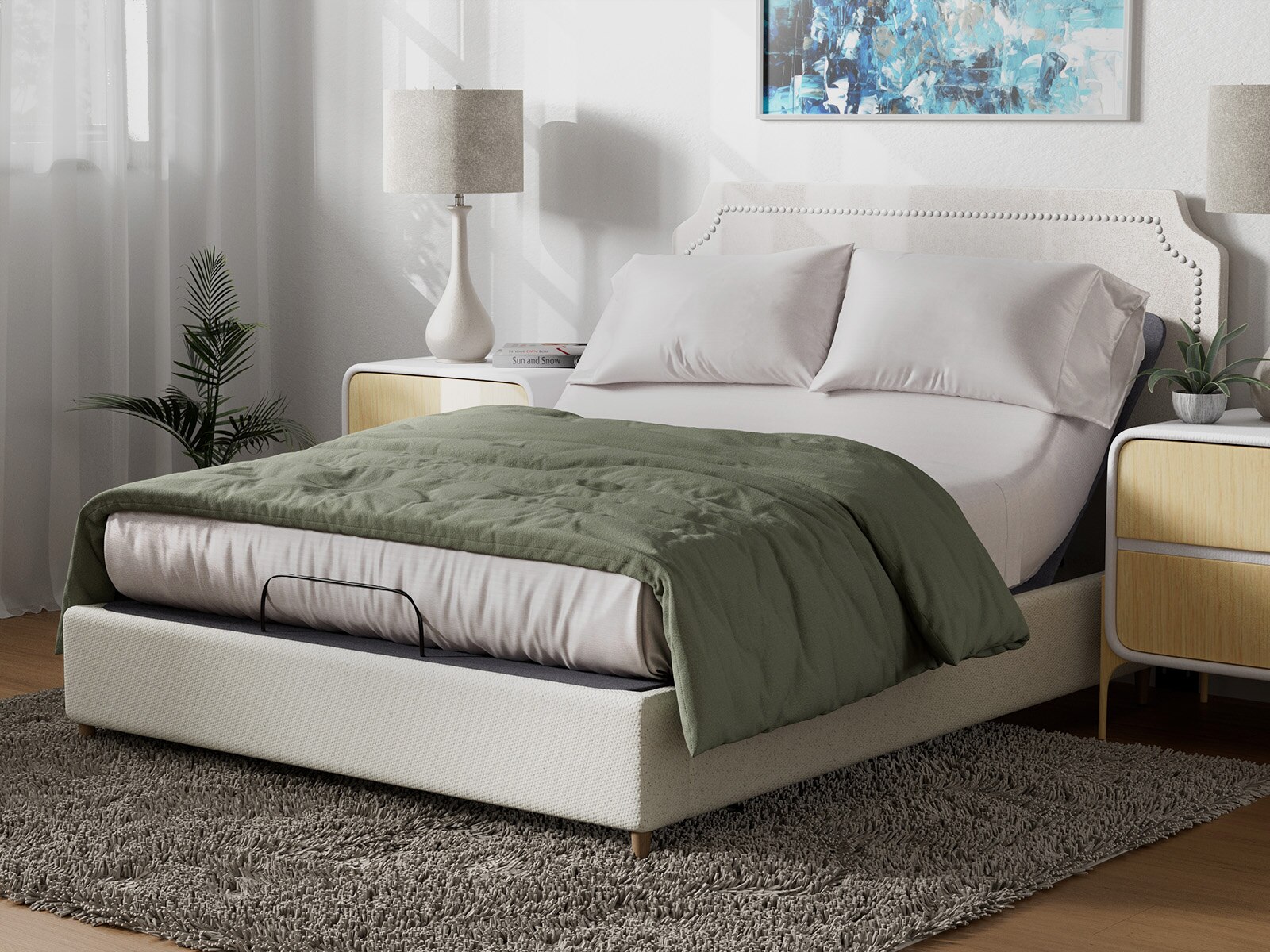
Deep pocket mattress sheets are designed with deeper fitted corners to accommodate taller mattresses and help keep the bottom sheet tucked beneath the bed. They commonly fit mattresses about 14 to 16 inches thick, while extra-deep pocket sheets may accommodate mattress heights of 18 to 24 inches. Those labels are not standardized, so the stated mattress-depth capacity matters more than the words on the package. A pillow top, a thick comfort layer or an added mattress topper can make a familiar sheet size feel unexpectedly snug. When there is too little fabric at the corners, the fitted sheet may pull upward, leave part of the mattress exposed or come loose when someone turns over. A deeper pocket gives the sheet more room to reach around the sides and underneath, provided its dimensions match the bed. The most useful measurement is the total height of the mattress and any topper that will sit beneath the fitted sheet, including a padded protector if it adds noticeable thickness. Measure vertically from the bottom edge to the highest point without pressing down on the cushioning. Pocket depth and mattress size are separate considerations: a queen sheet still needs the correct length and width for a queen mattress, even when its corners are extra deep. Twin XL and California King dimensions also require attention because additional pocket depth cannot make up for a mismatch in length or width. Full-perimeter elastic can help distribute tension around the mattress, although elastic construction varies. The goal is a smooth surface with enough fabric underneath to stay anchored, not a sheet stretched tight across the corners or left loose in folds. For adjustable beds, a deep pocket alone does not guarantee that a sheet will stay in place as the base moves; compatibility and elastic design also matter. In a sheet set, the deep pocket designation generally describes the fitted sheet, so checking the flat sheet dimensions separately helps ensure enough coverage for comfortable tucking or a relaxed drape.
Fabric gives deep pocket mattress sheets their everyday character, from the crisp sensation of a freshly made bed to a softer, more fluid feel against the skin. Cotton percale typically has a matte finish and a light, crisp hand, making it appealing to people who prefer bedding that feels structured rather than silky. Cotton sateen generally feels smoother and has a subtle sheen, with a drape that settles more closely around the body. Both are cotton constructions, but their different weaves can create noticeably different experiences. Linen has a more textured surface and a relaxed appearance, with natural variations that remain visible even after the bed is made. Polyester microfiber often feels smooth and can resist wrinkling, while cotton-polyester blends combine characteristics of both fibers. Rayon and lyocell fabrics can offer a soft, flowing feel, though their care requirements deserve close attention. These distinctions are useful when choosing
Comfortable Deep Pocket Sheets because a secure fit and a pleasing texture serve different needs, and both contribute to bedding that is easy to enjoy. Someone who likes a crisp pillowcase may prefer a different fabric from someone who wants sheets that feel supple from the first touch. Breathability, moisture absorption and fabric weight also vary with fiber content and construction, so a material name alone does not tell the whole story. Thread count is only one detail, particularly for cotton sheets; fiber quality, yarn construction and finishing affect softness and durability as well. A higher number does not automatically mean a better fit or a more comfortable surface. Close stitching, neatly finished hems and resilient elastic are practical details to consider alongside texture. For shared beds, the best match may be a balanced fabric that feels comfortable to both sleepers rather than the smoothest or heaviest option. Pillowcase dimensions and closure styles are worth checking, too, especially when coordinating standard, queen or king pillows with the rest of the bedding.
Everyday care helps preserve the fit that makes deep pocket sheets useful in the first place. The care label should guide washing and drying because cotton, linen, synthetic fibers and blended fabrics do not all respond the same way. Excessive dryer heat can contribute to shrinkage or weaken elastic over time, potentially making a previously comfortable fit harder to manage. Washing with similar fabrics, avoiding an overloaded machine and keeping sheets away from exposed zippers or rough fasteners can help reduce friction and snagging. Detergent measured for the load is usually more useful than adding extra, which can leave residue when it does not rinse away fully. Sheets should be completely dry before folding or returning them to the bed, and prompt removal from the dryer can limit deep creases. Having a second set makes laundry day simpler and allows regular rotation without leaving the mattress uncovered while bedding dries. Durability becomes especially important for a frequently used primary bed, a teenager's room or a guest room where sheets may be washed between visits. Deep pocket bedding can also be a practical choice after adding a topper, replacing a mattress with a taller model or combining several protective layers. For a guest bed, clearly noting the mattress dimensions and total height makes it easier to keep a well-fitting spare set ready. As a housewarming or wedding gift, sheets are most useful when the recipient's mattress size, depth and fabric preferences are known; matching the bedroom's appearance matters less if the fitted corners cannot reach underneath. A simple solid color can coordinate with changing blankets and duvet covers, while a subtle pattern can add interest without requiring a complete bedding refresh. Whether the bed is made with carefully tucked edges or a looser top layer, the fitted sheet should provide a smooth foundation. The right combination of pocket depth, fabric and care keeps attention on settling into bed rather than repeatedly pulling a corner back into place.