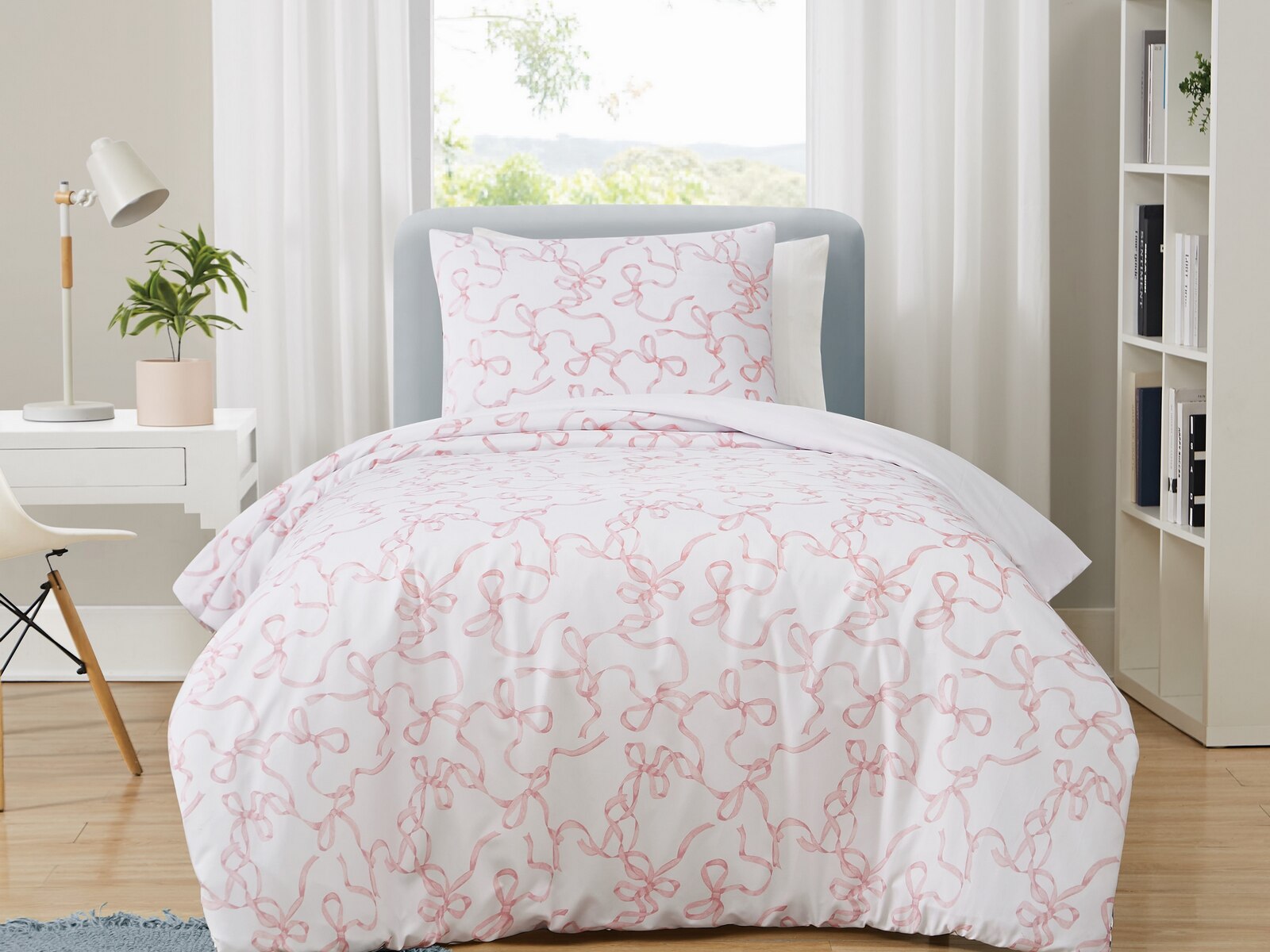
Dorm room comforters help make a college bed feel more personal, comfortable and ready for everyday use, whether it serves as a place to sleep, read or settle in after a long day of classes. Most college dorm beds use a Twin XL mattress, which typically measures 38 inches wide by 80 inches long. That makes it five inches longer than a standard twin mattress, typically 38 inches wide by 75 inches long. A Twin XL comforter is designed with that extra length in mind, but the bedding label alone does not tell the whole story. Comforter dimensions vary, and some are labeled for both twin and Twin XL beds, so the listed width and length matter more than the size name alone. The mattress depth also affects how much fabric falls over each side. A thicker mattress or an added topper takes up more of the comforter’s width, leaving less overhang than the same comforter would have on a thinner sleep surface. On a bed positioned against a wall, a modest drape can make daily straightening easier without leaving a large amount of fabric tucked into the narrow space beside the mattress. On a raised dorm bed, extra length should be considered alongside ladders, storage drawers and the distance to the floor. An oversized comforter is not automatically a better fit, especially when it makes the bed harder to arrange or crowds a small room. Wider beds in college apartments and other student living spaces have different coverage needs;
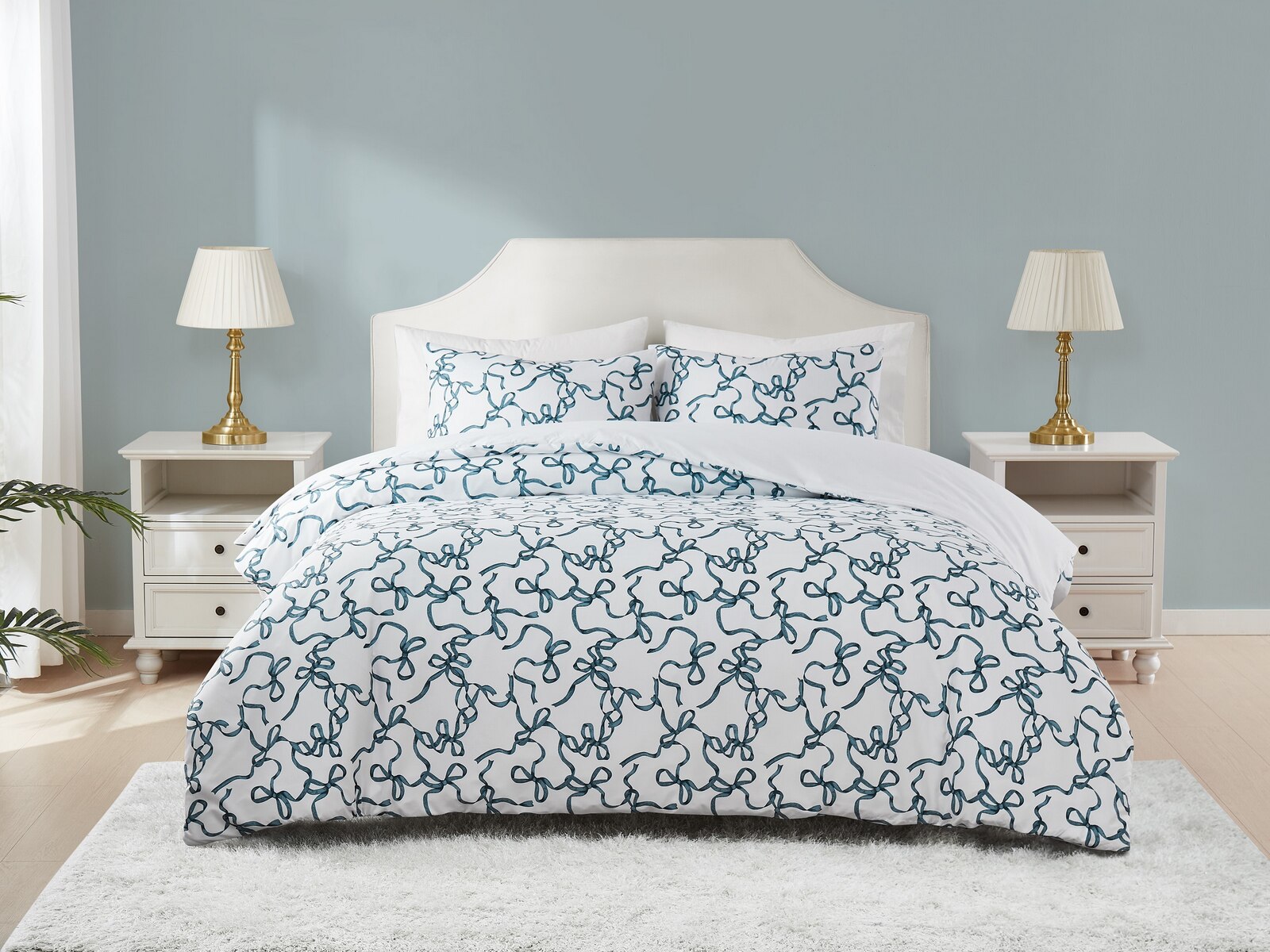
College Dorm King Comforter Sets relate to those larger sleep setups rather than the typical Twin XL dorm mattress. Matching the comforter to the actual bed dimensions creates a neater look and more usable coverage, with enough fabric to settle comfortably around the sleeper without unnecessary bulk. A quick check of the school’s housing information can help confirm the mattress size before bedding is chosen.
The materials inside and outside a dorm comforter influence its feel, weight and upkeep. Cotton shells often have a familiar, breathable feel, while polyester microfiber can provide a smooth surface with a soft finish. The word microfiber describes fine fibers rather than a particular level of quality, so fabric construction and care requirements still deserve attention. Fill choices commonly include down and down alternative. Down is valued for loft with relatively little weight, while down alternative generally uses synthetic fibers to create cushioning and fullness. Neither description alone establishes how heavy, breathable or easy to wash a finished comforter will be; the shell, amount of fill and overall construction work together. Students who prefer a light covering may enjoy a less bulky comforter that is easy to move and fold, while those who like a fuller bed may prefer more loft. A lofty comforter should not be confused with a weighted blanket, which is a separate type of bedding with different construction and intended use. For anyone with sensitivities to particular materials, checking the complete fiber content is more useful than relying on broad comfort claims. Stitching matters, too. Sewn-through patterns divide the fill into sections, while baffle-box construction uses interior fabric walls to create compartments that allow more room for loft. Secure stitching and well-finished edges can help a comforter withstand regular handling, though no construction eliminates the need to follow its care directions. Texture is another everyday consideration: a smooth surface may slide easily beneath a folded throw, while a textured finish adds visual depth to a simple bed. A comforter and a duvet insert are also different bedding formats. A comforter typically has a finished outer shell intended to be used as it is, while a duvet insert is generally paired with a separate removable cover. That distinction affects both the bed’s appearance and the laundry routine.
Easy upkeep is especially valuable when laundry means carrying a basket down the hall or waiting for an open machine between classes. A dorm comforter’s care label should clearly match the student’s routine, including whether it can be machine washed and dried or needs professional cleaning. Machine washable does not necessarily mean suitable for every washer: a bulky comforter needs enough room to move freely, and some shared laundry machines may not have the necessary capacity. Cramming bedding into a small drum can interfere with cleaning and rinsing. Thorough drying is just as important, since moisture can remain inside the fill even when the outer fabric feels dry. Following the recommended settings and checking the comforter throughout the drying process can help preserve its shape and feel. A washable cover, when compatible with the bedding’s design, or a top sheet can reduce direct contact with the comforter, but neither replaces regular care. Practical details also shape how the bed looks over time. Clear care instructions, durable seams and a fabric finish suited to frequent handling matter when the same bed doubles as a reading nook or a place to catch up with a roommate. Color and pattern can bring personality to a room with fixed furniture and limited decorating options. A solid comforter creates a simple foundation for patterned sheets or a favorite pillow, while a print can make the bed the room’s main visual feature. Coordinated sets may include pillow shams or other pieces, but the package contents should be checked rather than assumed. Decorative shams do not necessarily replace the pillowcases used for sleeping. For a college-bound student receiving bedding as a gift, confirmed mattress dimensions, preferred colors and realistic laundry needs are more helpful than guessing at a style. The most useful dorm room comforter feels inviting at bedtime, fits the space without fuss and holds up to the ordinary routines of student life.