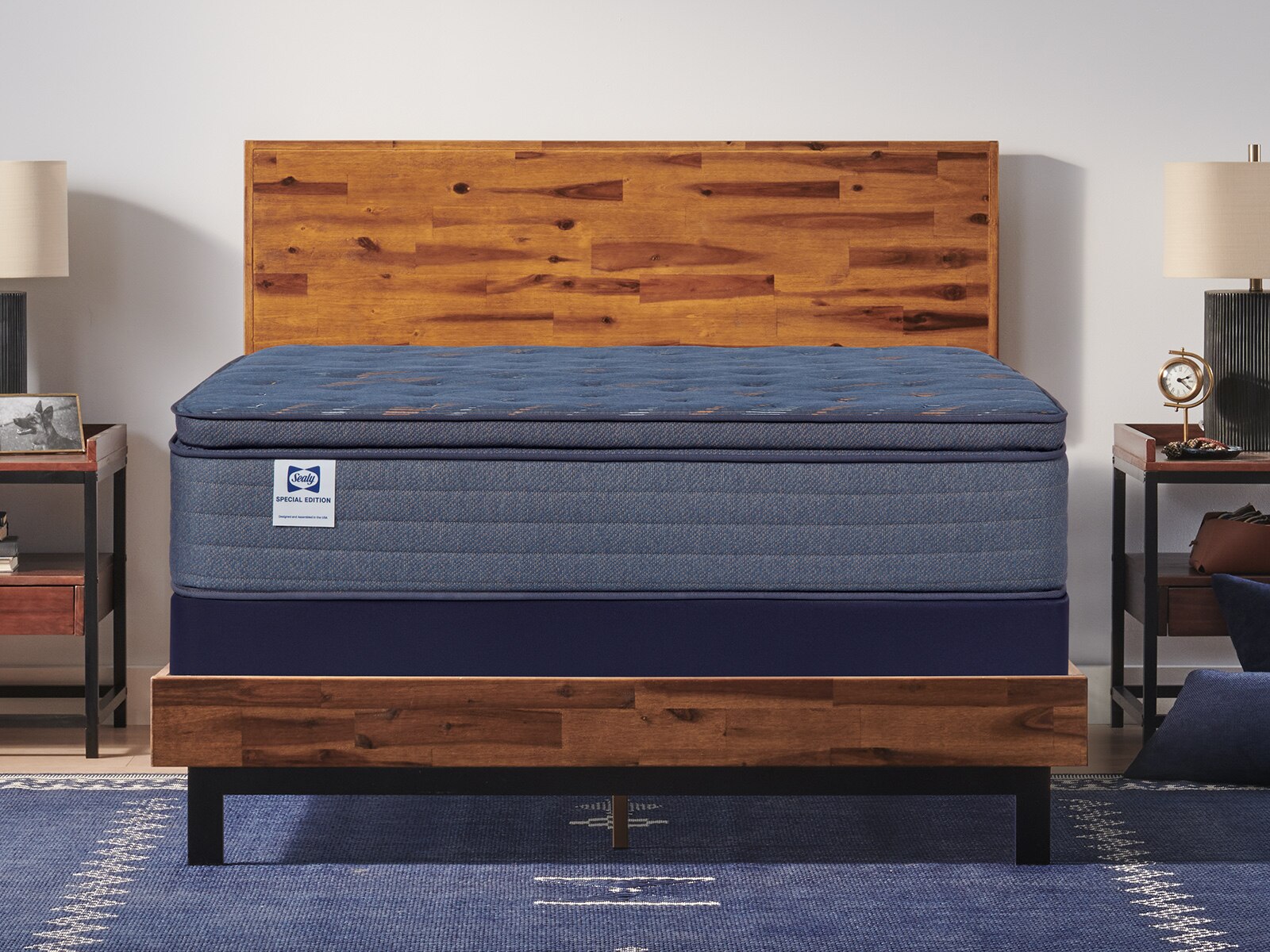
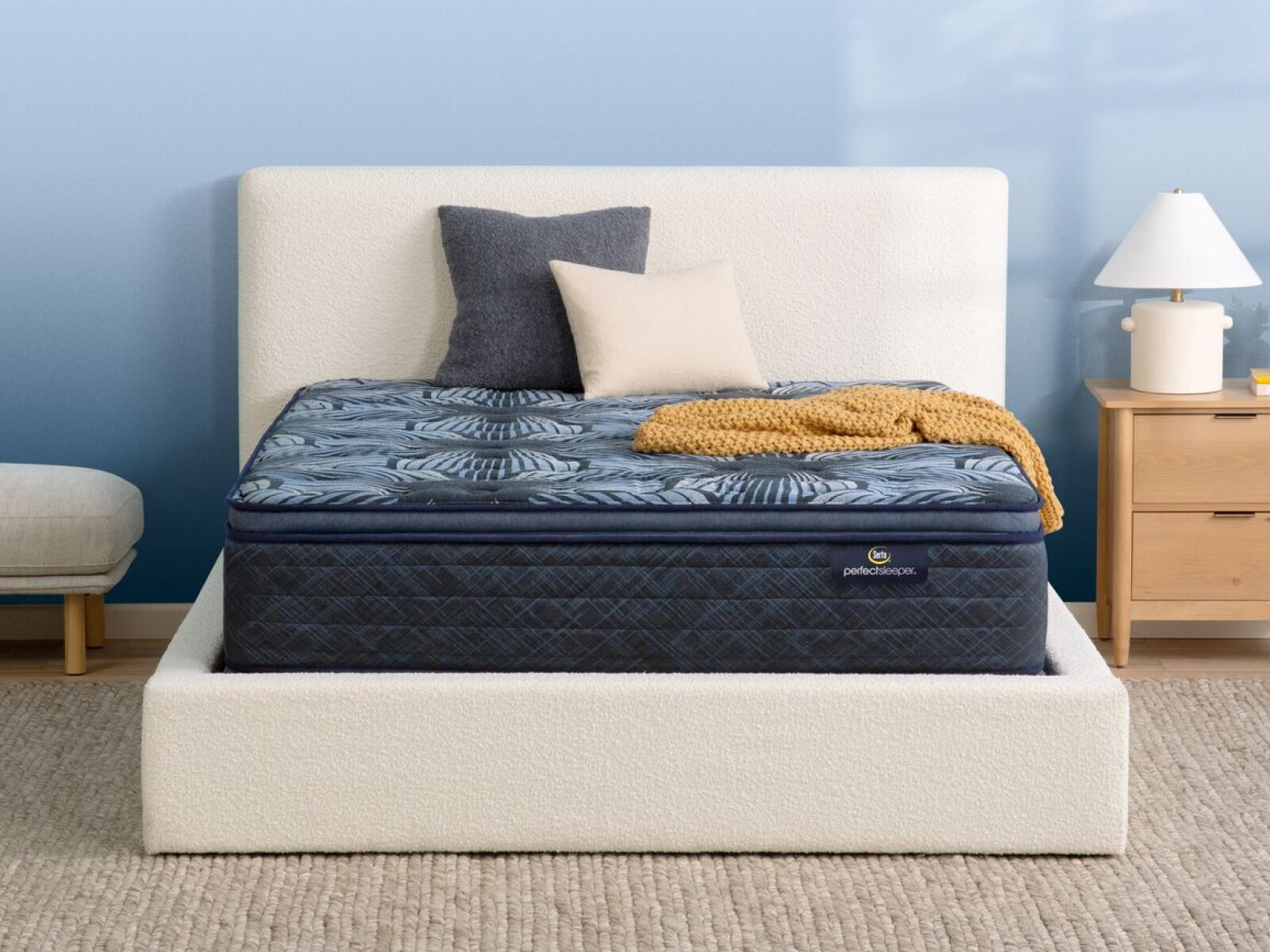
A double pillow top mattress has cushioning layers on both sides of its support core, creating two usable sleep surfaces in a mattress designed for flipping. Unlike a one-sided pillow top, which has a cushioned sleeping surface above a base that stays underneath, a true double-sided design lets either finished surface face up. Flipping and rotating according to the manufacturer’s instructions can help distribute everyday wear across more of the mattress rather than concentrating it in one place. The pillow top itself is an upholstered comfort layer, usually identifiable by a seam that separates the cushion from the main mattress body. Inside that layer, materials such as memory foam, polyurethane foam, latex or fiber fill influence how the surface responds to weight and movement. Memory foam generally offers a closer contour, while latex tends to have a more buoyant response. Fiber cushioning can create a softer initial touch, though its feel depends on the fill and quilting. Beneath those comfort layers, the support core carries most of the sleeper’s weight and helps maintain the mattress’s shape. Coil construction, foam characteristics and the thickness of each layer all contribute to the overall experience. A deeply cushioned top does not necessarily mean the entire mattress feels soft, and two mattresses with similarly plush surfaces can provide noticeably different support. One might allow a gradual, cradling sink, while another cushions the shoulders and hips but feels more responsive when changing positions. The distinction matters for anyone who enjoys a soft surface without wanting to feel settled into a deep impression. Double pillow top construction describes how the mattress is built, not a universal comfort level or a promise of longer life. Its lasting comfort depends on the materials, the foundation underneath it, regular care and whether its support suits the people sleeping on it. Where the term “double pillow top” is used loosely, construction details should confirm that both sides are intended for sleeping before the mattress is flipped.
The right fit involves sleep position, body proportions and the way the bed is used throughout the night. Side sleepers often appreciate cushioning that gives the shoulder and hip room to settle, especially when a firmer surface leaves those areas feeling compressed. Back sleepers may prefer a pillow top that fills the space beneath the lower back without allowing the pelvis to sink too deeply. Stomach sleepers generally benefit from a more restrained surface feel that helps keep the midsection supported. These are starting points rather than fixed rules: the same mattress can feel substantially softer to one person than another because body weight changes how deeply the comfort layers compress. For someone who rolls from side to back several times a night, responsiveness also matters. A surface that rebounds readily can make repositioning feel easier than one that holds a deeper contour. On a shared bed, motion transfer and edge support become part of everyday comfort. Foam layers and individually wrapped coils may help limit movement traveling across the surface, while reinforced edges can make sitting to put on socks or sleeping near the perimeter feel steadier. Those features depend on the complete construction, not the pillow top label alone. Size is a separate consideration: “double pillow top” describes the cushioning arrangement, while “double” can also refer to a full-size mattress. A standard full measures approximately 54 by 75 inches, which may suit a single adult or a guest room, while couples may prefer the additional width of a queen or king. Mattress height deserves attention, too. Comfort layers on both sides can create a substantial profile, affecting the bed’s finished height and the fitted-sheet pocket depth needed for a secure fit. The combined height of the mattress and foundation should allow comfortable entry and exit, with room dimensions, doorways and stair turns considered before bringing a new mattress into the bedroom.
Care and support play an important role in how a double pillow top mattress performs over time. A compatible foundation or platform provides an even base, and any requirements for slat spacing, center support or an adjustable base should come from the mattress manufacturer. A mattress can feel uneven when the structure beneath it flexes or sags, even if the comfort layers are still in good condition. For models approved for two-sided use, flipping changes which surface carries the sleeper, while rotating switches the head and foot ends. These are different movements, and the recommended schedule may vary by construction. A thick, two-sided mattress can also be heavy and awkward to handle, making another person’s help useful when turning it without dragging the fabric or bending the core. Some settling in quilted upholstery can occur with use, but persistent discomfort, pronounced impressions or a loss of support deserve attention rather than simply adding more cushioning. Protecting the surface from spills, perspiration and everyday debris helps keep the sleep environment fresh. A washable mattress protector creates a practical barrier, while fitted sheets with sufficient pocket depth help avoid stretched corners and bunching. For a full-size bed, a
Full Pillow Top Mattress Pad can provide a separate cushioning layer, though a pad does not make a one-sided mattress suitable for flipping. Pads and protectors serve different purposes, and neither should be assumed waterproof unless labeled that way. Any added layer also changes the surface feel, so a heavily padded accessory may be unnecessary when the mattress already provides ample cushioning. Follow the care label for cleaning, use only recommended spot-cleaning methods and let any treated area dry fully before replacing bedding. Avoid saturating the upholstery, since moisture can remain trapped beneath the surface. With suitable support and consistent care, a double pillow top mattress offers a cushioned, reversible sleeping surface whose comfort can be maintained without relying on one side alone.