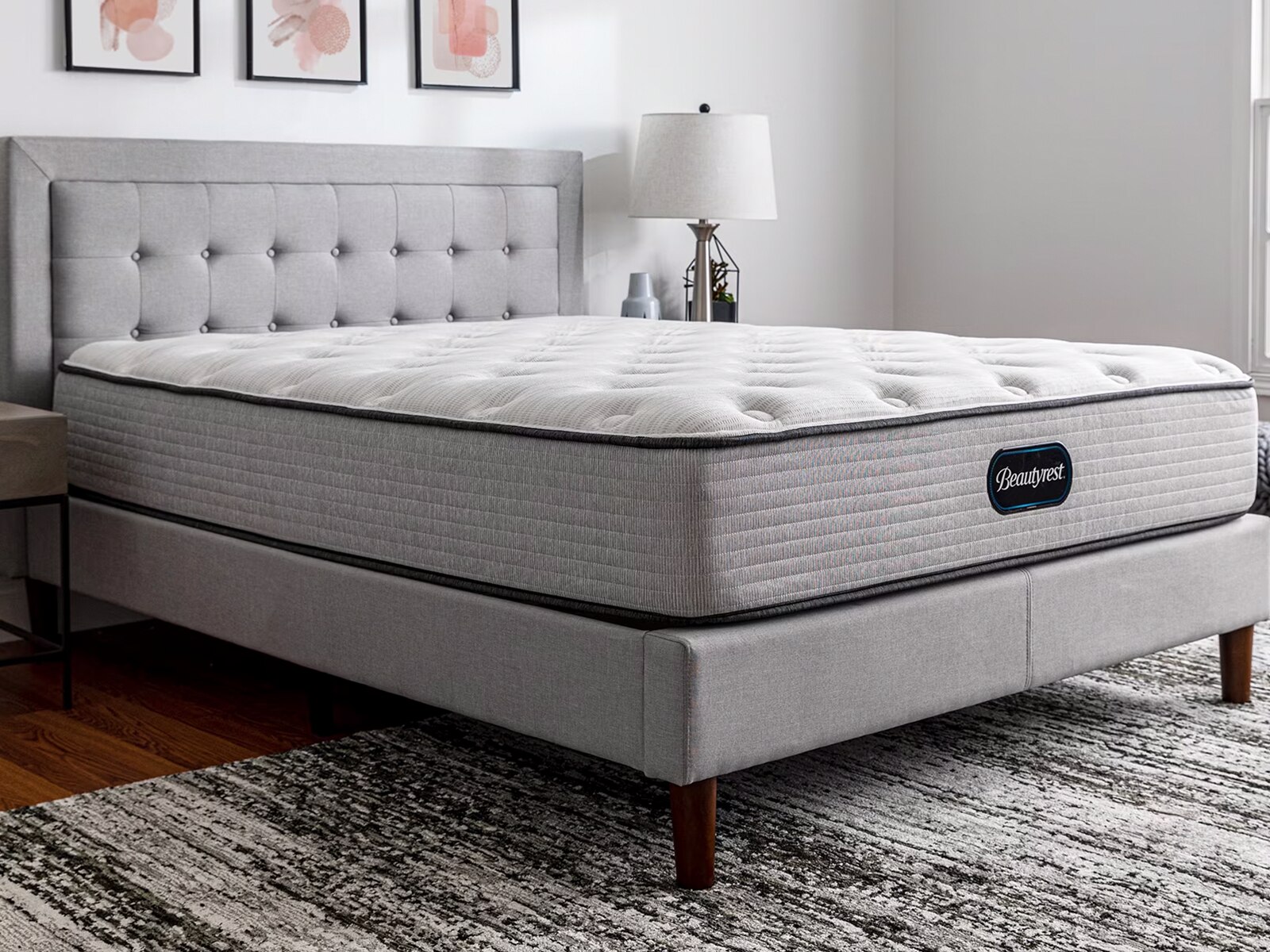
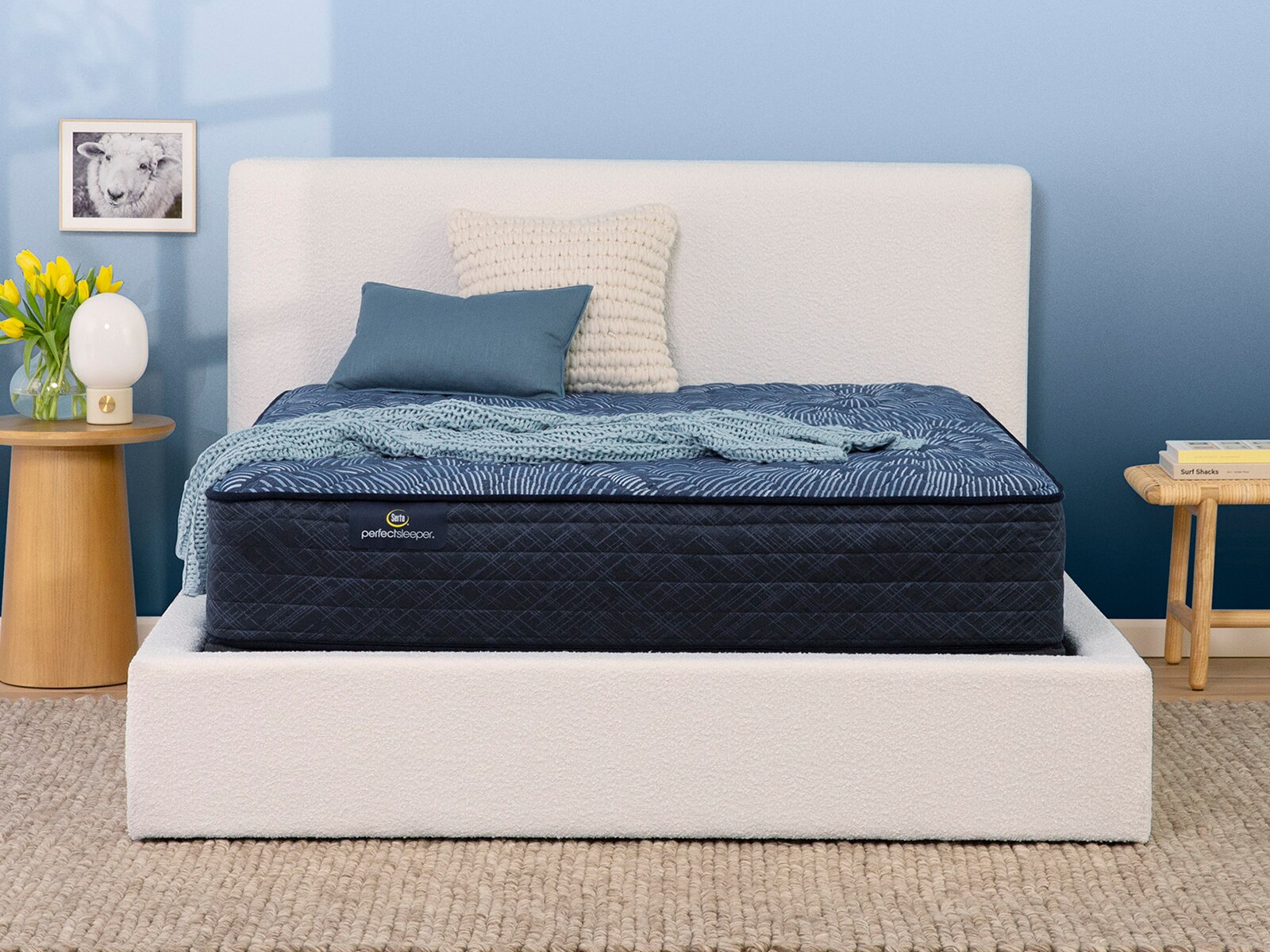
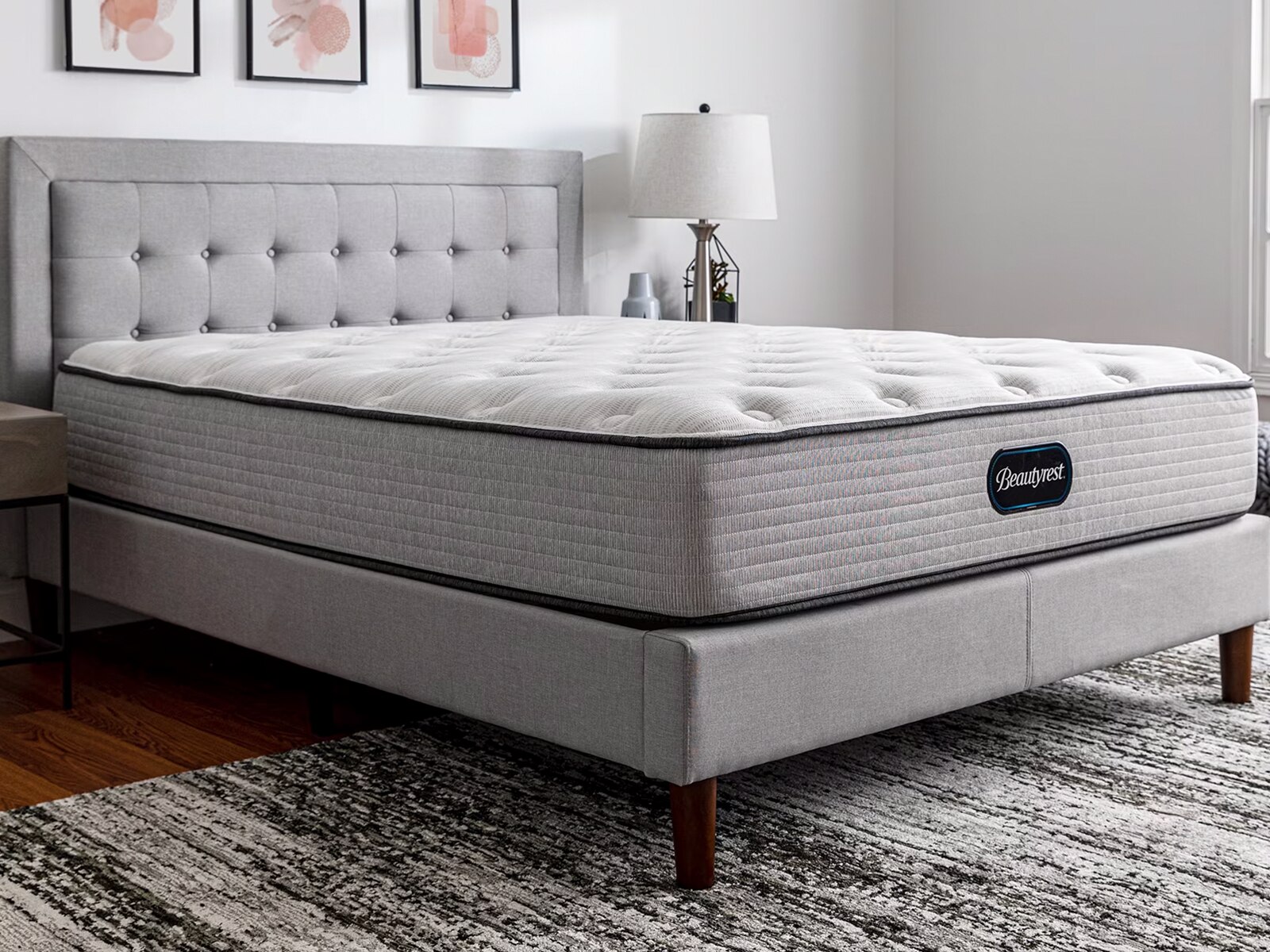
Extra firm antimicrobial mattresses pair a sturdy, low-sink sleep surface with materials or treatments designed to inhibit certain microbes on specified parts of the mattress. The two features serve different purposes: firmness shapes the way the bed feels beneath the body, while antimicrobial protection applies to the treated material as described by the manufacturer. For someone who prefers resting on top of a mattress rather than settling deeply into it, an extra firm surface can offer a reassuringly stable feel. Back sleepers who dislike a pronounced cradle and stomach sleepers who want less give beneath the midsection may find this comfort level appealing. Fit still depends on body weight, proportions and personal preference. A lighter sleeper may experience very little cushioning on the same mattress that feels more yielding to a heavier sleeper. Side sleepers, in particular, may need more room for the shoulders and hips to settle comfortably, so the firmest feel is not automatically the most supportive choice for every body. Support and firmness are related, but they are not interchangeable. Support comes from the mattress’s ability to hold the body in a comfortable position; firmness describes the initial resistance felt at the surface. An extra firm mattress can still have a lightly cushioned cover or a thin comfort layer that softens contact without creating a deep hug. Picture lying flat with the pelvis supported, turning onto the side without climbing out of a deep impression or shifting position without feeling caught in thick padding. Those everyday sensations are more useful measures of fit than a firmness label alone. Firmness scales also vary between manufacturers, so an extra firm designation is best understood alongside construction details and the sleeper’s own experience. If two people share the bed, both need enough comfort to settle in, even when their preferences differ.
Construction helps explain why mattresses with the same firmness description can feel distinct. A coil support system may create a more responsive surface, while individually wrapped coils can allow different areas of the mattress to respond separately under pressure. Foam layers may soften movement and contour more closely, depending on their formulation and thickness. Latex can contribute a buoyant sensation with a quicker response when the sleeper changes position. None of these materials guarantees a particular firmness level on its own; the complete combination of support core, comfort layers and cover determines the finished feel. A thin cushioning layer over a sturdy core may feel quite different from a thicker comfort section, even when both mattresses carry an extra firm description. Edge construction matters, too, especially for someone who sits along the side to put on socks or shares a bed and regularly sleeps near the perimeter. Within the broader category of
Antimicrobial Mattresses, the antimicrobial feature deserves its own careful reading. Protection may be built into cover fibers, applied to a textile or limited to another designated component. Some treatments are intended to help inhibit odor-causing bacteria; other claims may address different microorganisms under specified test conditions. The stated purpose and scope matter more than the presence of the word alone. A treated cover does not necessarily mean that every layer has the same protection, and antimicrobial performance should not be interpreted as a promise of a germ-free sleeping space. It also does not establish protection against illness or make a mattress suitable for a particular allergy concern. Clear descriptions of the treated material, intended function and care requirements help put the feature in perspective. Breathable fabrics and moisture management can contribute to everyday comfort, but those characteristics are separate from antimicrobial performance and should be considered on their own merits.
The right setup helps an extra firm mattress perform as intended over time. A queen can provide room for one person to stretch out or for two people to share, while a king offers more width for partners who want additional space between them. A California King emphasizes length, and a Twin XL can suit a narrower room where extra legroom matters. Actual dimensions, bedroom clearances and the space needed to move around the bed are worth checking before choosing a size. Mattress height also affects how easily someone can sit down and stand up, particularly when a tall foundation or frame is part of the setup. The base beneath the mattress should meet the manufacturer’s requirements for slat spacing, center support and overall construction. An extra firm feel does not mean the mattress will work with every foundation or adjustable base. Proper support underneath helps avoid unnecessary stress on the materials and provides a stable starting point for the intended feel. Daily care is generally straightforward, but it should follow the instructions for the specific cover and construction. A compatible mattress protector can help manage spills and routine messes without replacing the need for regular bedding care. Prompt attention to moisture, gentle spot cleaning when permitted and allowing cleaned areas to dry fully can help keep the sleep surface in good condition. A zippered cover should only be removed if its care instructions expressly allow it. Harsh cleaners, excess water or unapproved washing methods may affect fabrics, foams or antimicrobial treatments. Rotation schedules vary, and a one-sided mattress should not be flipped unless the manufacturer directs it. Durability depends on material quality, construction, use and care rather than firmness alone. Gradual changes in cushioning can occur with regular use, so lasting comfort comes from choosing a suitable construction and maintaining the recommended support. The most useful combination is a steady surface that feels right for the sleeper, clearly explained antimicrobial protection and practical care requirements that fit everyday life.