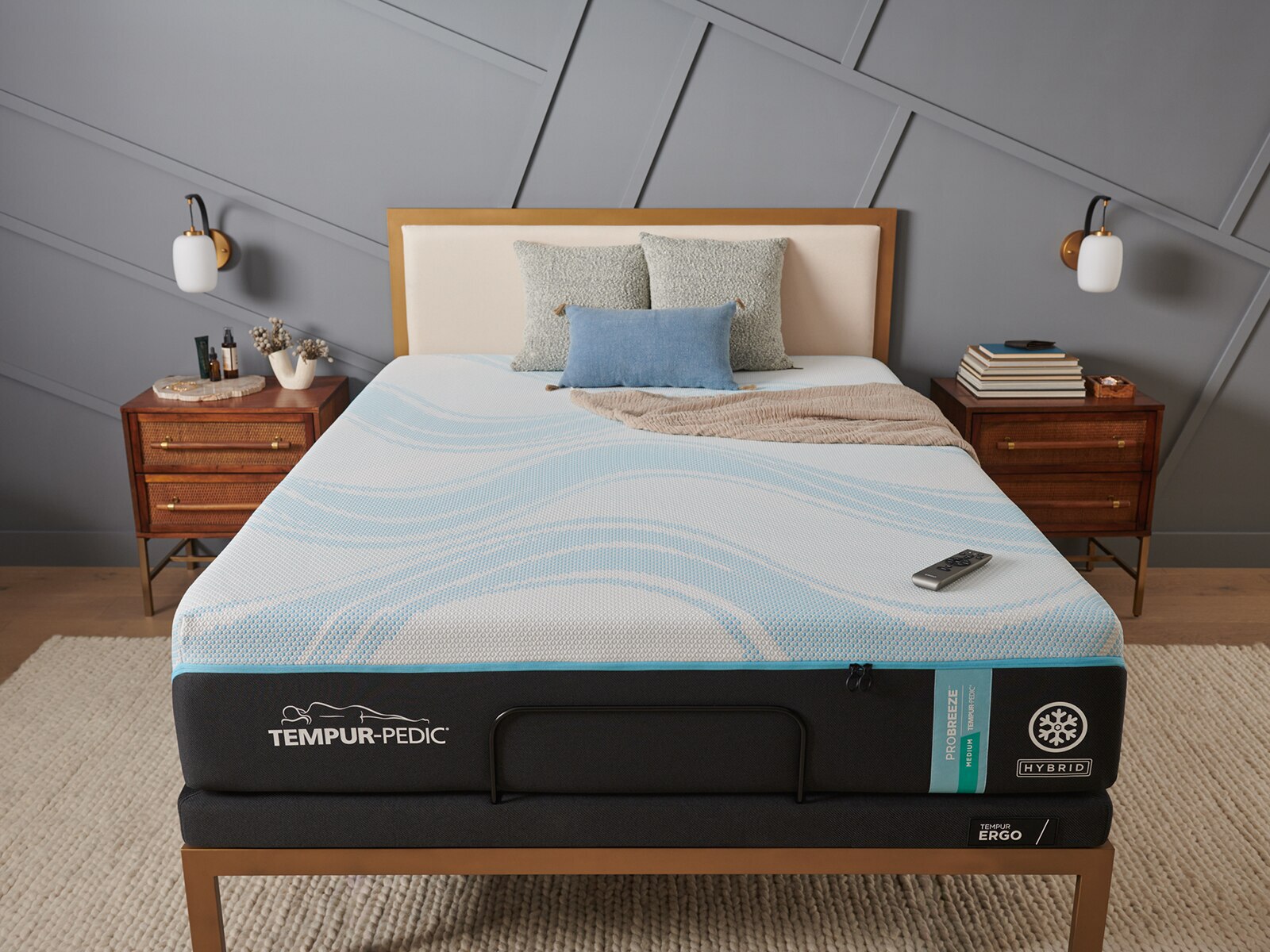
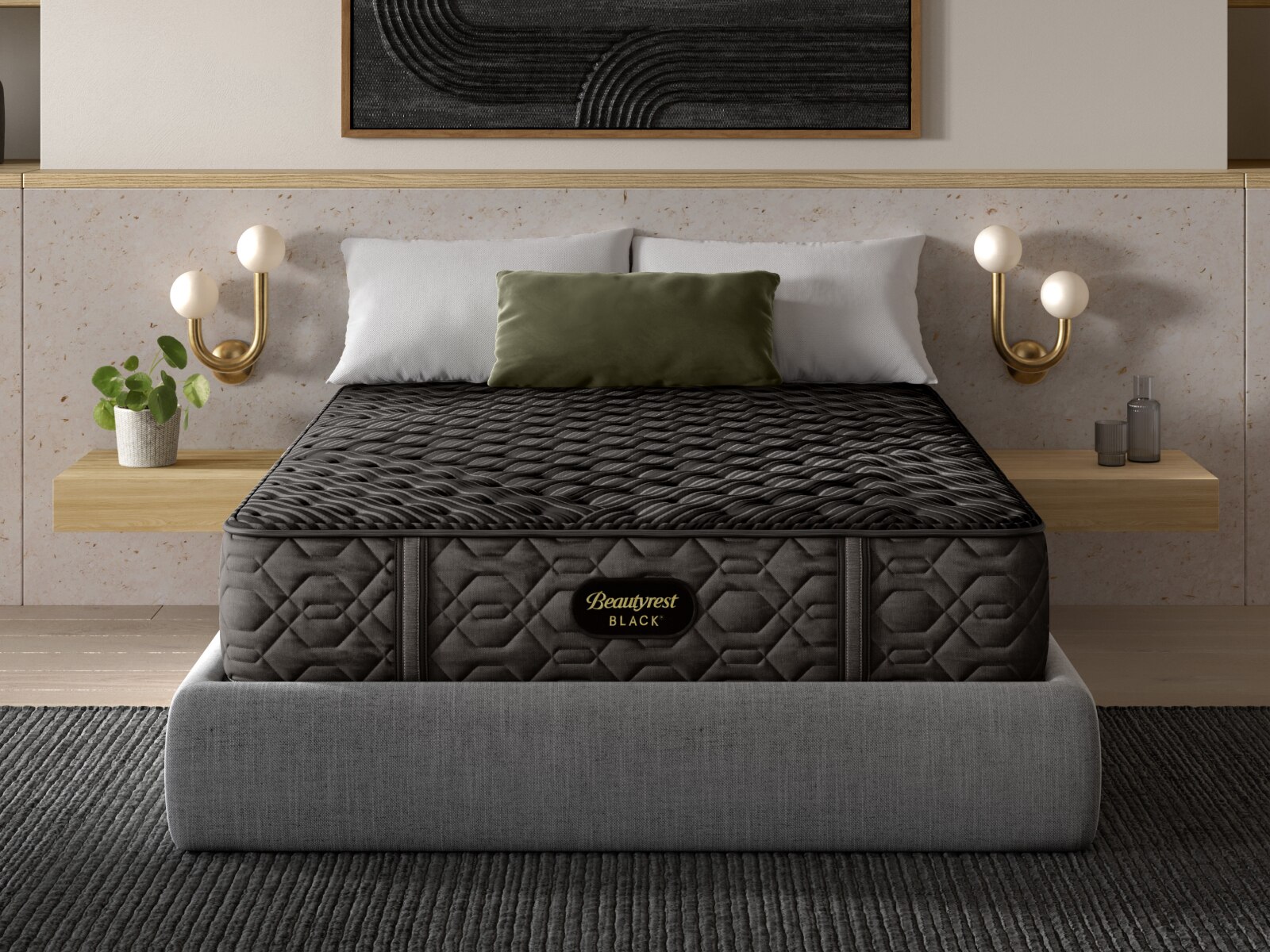
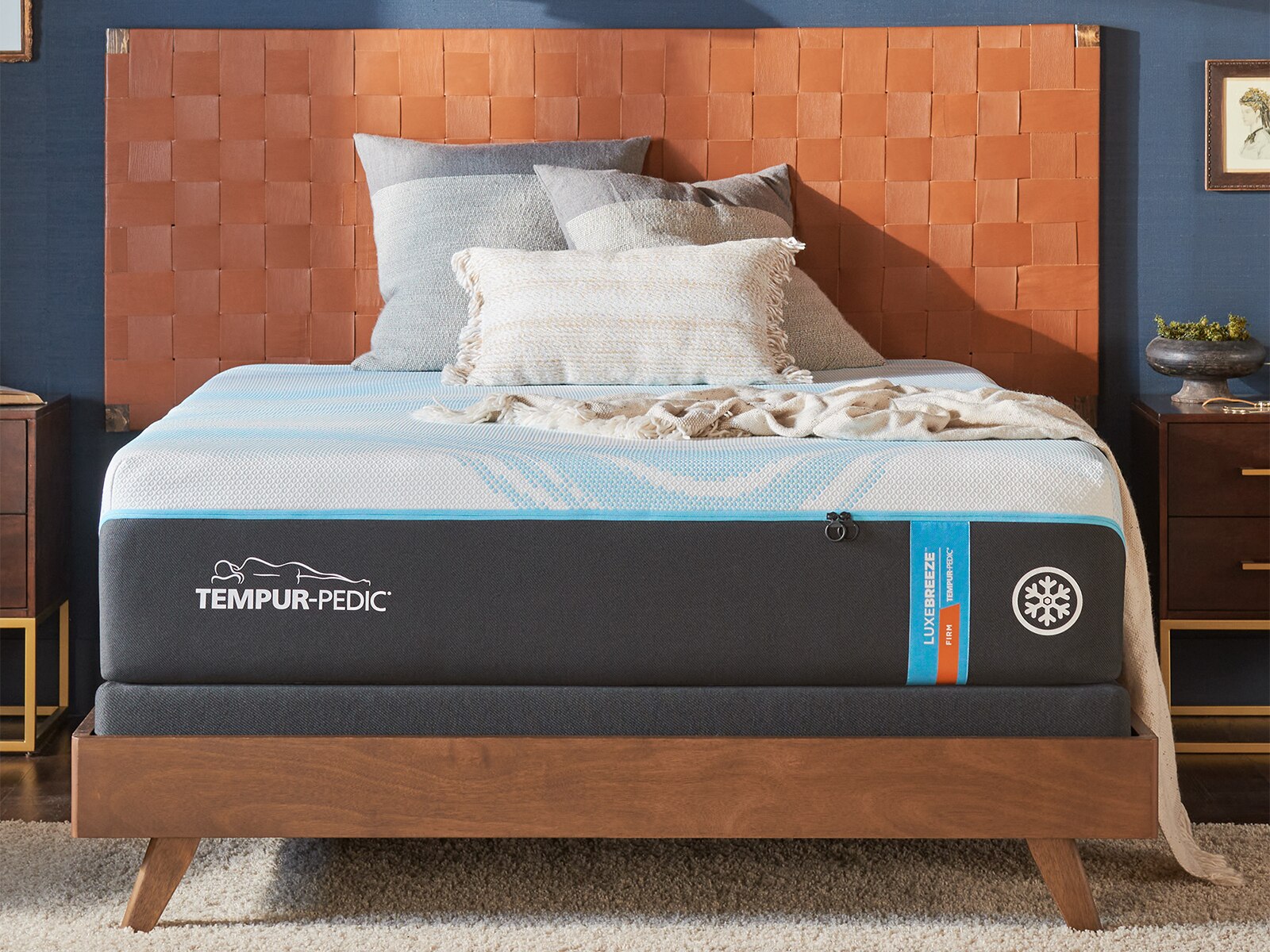
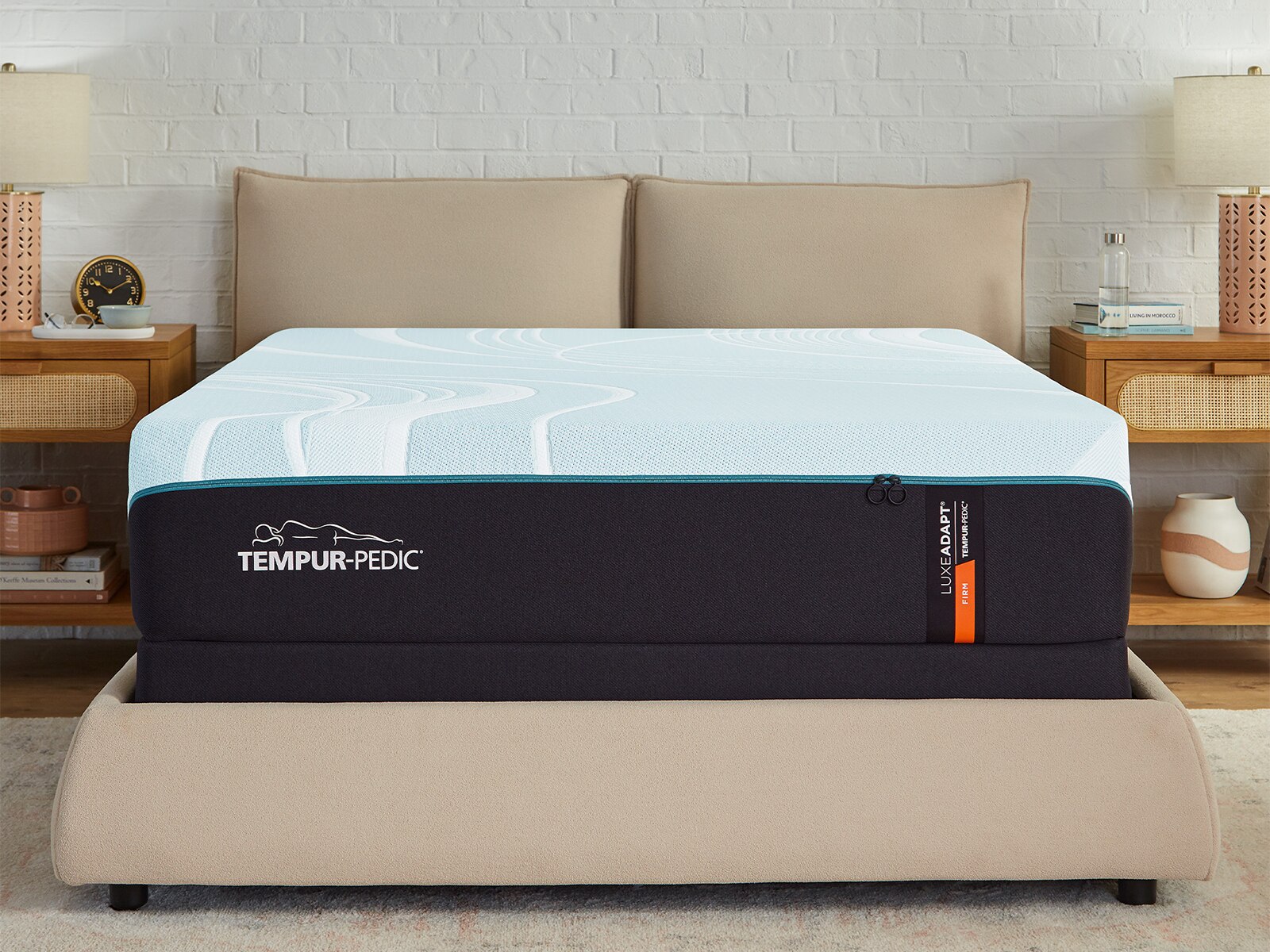
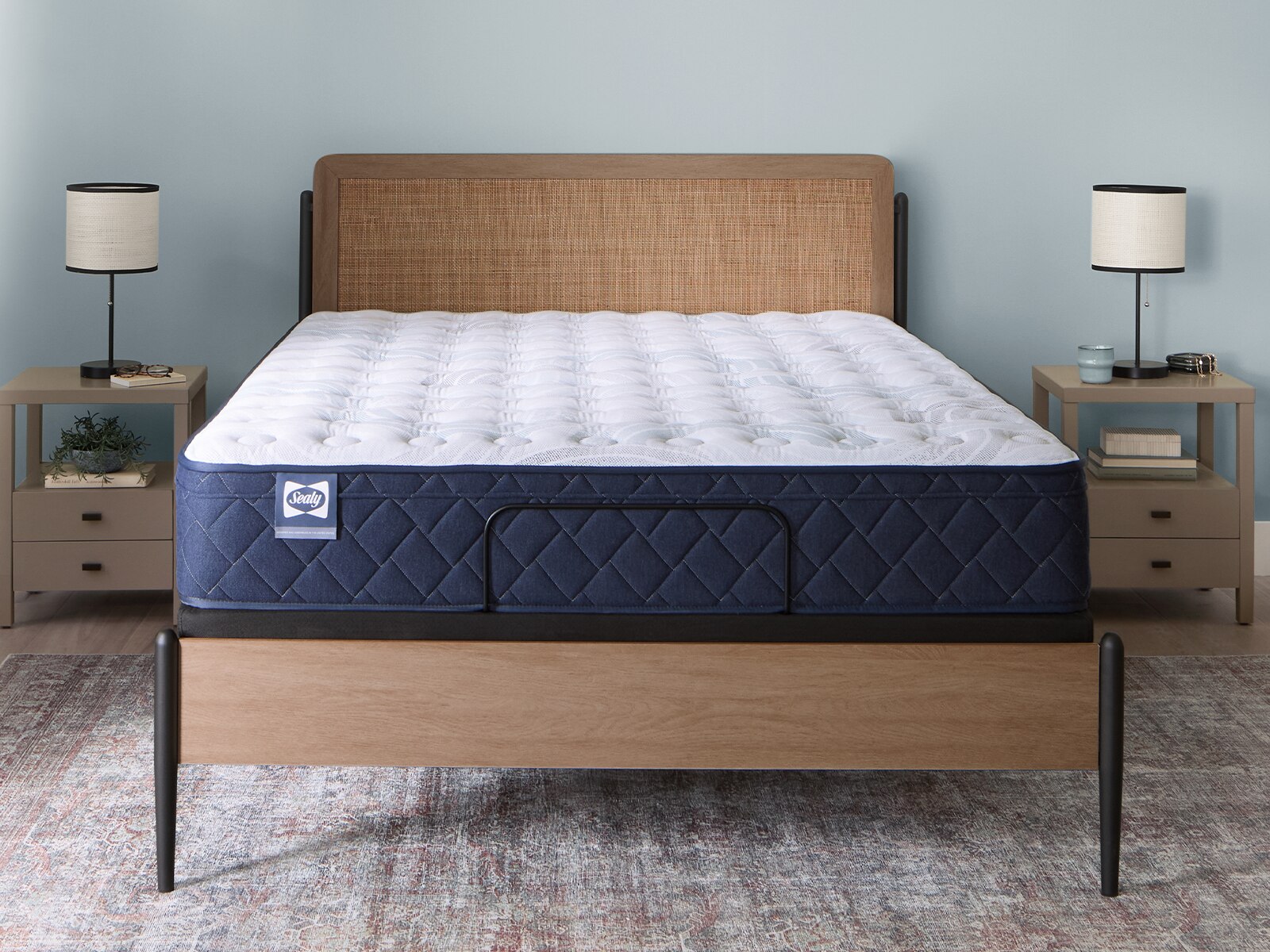
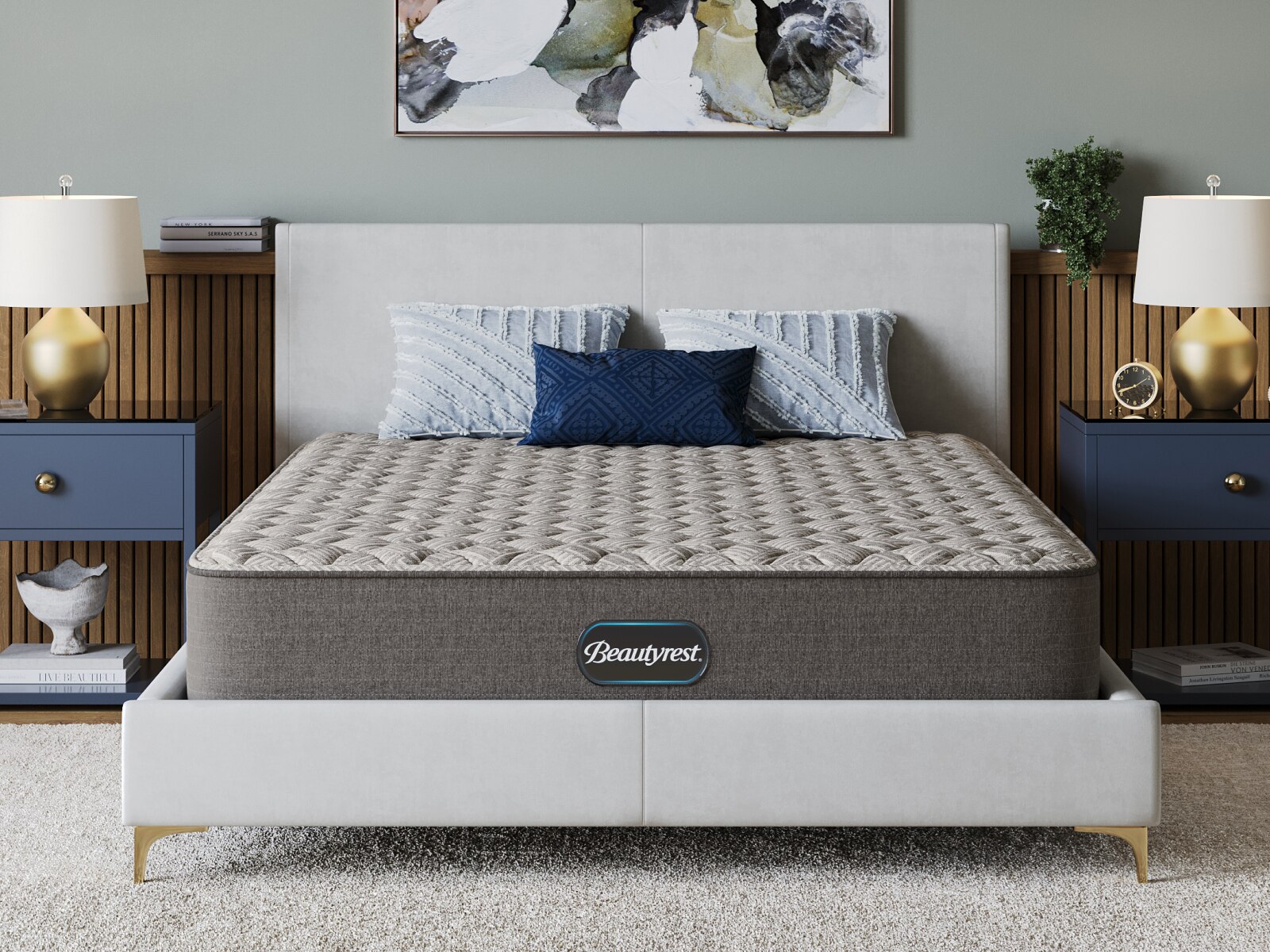
Firm hybrid mattresses for hot weather pair a coil support system with cushioning layers that create a sturdy, responsive sleep surface. The space between coils allows air to move through the mattress interior, while a firmer feel may limit the deep sinkage that leaves some sleepers feeling surrounded by warm cushioning. That combination can be helpful in bedrooms that hold heat overnight, but firmness alone does not make a mattress cooling. The materials above the coils, the cover and the bedding all influence how warm the bed feels. A firm hybrid with thick, closely conforming foam can feel different from one with thinner comfort layers or more responsive cushioning. Memory foam provides contouring that can soften pressure around the shoulders and hips, though its ability to release heat depends on its formulation and construction. Latex tends to respond quickly to movement, and perforated designs create additional pathways for airflow. Other foams may use open-cell structures or ventilation channels to help air circulate. Cooling gels and other material infusions vary in how they affect temperature, so they are best considered alongside the complete mattress design rather than as a stand-alone measure of comfort. Some covers include phase-change materials intended to absorb and release heat as temperatures fluctuate, while others emphasize breathable fabrics or moisture management. A cool-to-the-touch cover describes an initial sensation; it does not necessarily indicate how the mattress will feel several hours into the night. For someone who falls asleep comfortably but wakes feeling too warm, the more useful consideration is how the layers work together over time. Look for clear descriptions of the cover, comfort materials and coil construction. Firm hybrid mattresses can support a cooler-feeling sleep setup, but they cannot control room temperature or guarantee that every sleeper will remain cool. A warm bedroom, heavy comforter or heat-trapping protector can still affect the experience, even when the mattress includes temperature-management features.
The right firm hybrid mattress should balance temperature comfort with support that suits the person sleeping on it. Back sleepers often appreciate a surface that keeps the pelvis from settling too deeply while allowing some cushioning beneath the lower back. Stomach sleepers may also prefer a firmer feel because excessive sinkage around the midsection can make a comfortable resting position harder to maintain. Side sleepers need particular attention to the comfort layers: a mattress can feel pleasantly firm under the torso yet still provide enough give for the shoulder and hip. Persistent pressure in those areas is a reason to reconsider the feel, not simply choose the firmest option in pursuit of cooler sleep. Body weight matters, too. A lighter sleeper may experience a firm mattress as quite rigid, while someone with a heavier build may compress the same cushioning more deeply. Firmness describes surface feel; support describes how effectively the mattress holds the body in a comfortable position. They are related, but they are not interchangeable. For sleepers who prefer very little surface give,
Extra Firm Temperature Management Mattresses offer another feel to consider alongside firm hybrids. Couples have additional details to weigh, especially when one person sleeps warmer or changes positions frequently. Individually wrapped coils can respond locally to movement, while the comfort layers influence how much motion travels across the bed. A responsive surface may make rolling over easier, though motion isolation varies by construction. Supportive edges can make the perimeter feel more stable when sitting down or sleeping near the side. Choosing dimensions that give both sleepers enough personal space can also reduce the crowded feeling of sharing a smaller surface. For a primary bedroom or a guest room used through stretches of hot weather, the most useful choice is one that matches the sleeper’s comfort needs rather than relying on a cooling label alone.
A breathable sleep setup helps a firm hybrid mattress perform as intended in hot weather. Start with a properly fitted protector that does not bunch beneath the sheet, and consider how its materials may affect airflow and moisture movement. Waterproof protection can be valuable for everyday spills, but the backing and fabric construction can change the feel of the sleep surface. Sheets matter as well: fiber, weave and fabric weight all contribute to comfort. A crisp cotton percale sheet often feels lighter and less draping than a heavier fabric, while linen has a textured feel that some warm sleepers enjoy. No fabric works identically for everyone, so personal preference still belongs in the decision. A lightweight blanket or separate covers for two sleepers can make it easier to adjust warmth without changing the mattress. Thick mattress pads and deeply cushioning toppers may alter both firmness and temperature comfort, potentially masking the qualities that made a firm hybrid appealing in the first place. Underneath the mattress, use a foundation or bed frame that meets the manufacturer’s support requirements, including any instructions for slat spacing and center support. An unsuitable base can affect comfort, wear and warranty coverage. Everyday care is usually straightforward: follow the care label, address spills promptly with the recommended cleaning method and let damp areas dry thoroughly before replacing bedding. Rotate the mattress only as directed, and do not flip it unless it is specifically designed for use on both sides. Keep bedding clean and avoid blocking ventilation around the bed with tightly packed storage or heavy fabric where airflow is needed. Over time, durability depends on the quality of the foams, coil system, edge construction and underlying support, not firmness alone. A harder initial feel is not a promise of a longer useful life. Consistent support, cushioning that remains comfortable and a surface that suits normal changes in sleeping position are more meaningful measures. Paired with suitable bedding and a comfortable bedroom environment, a well-chosen firm hybrid can provide a stable, less enveloping place to settle in when nights feel warm.