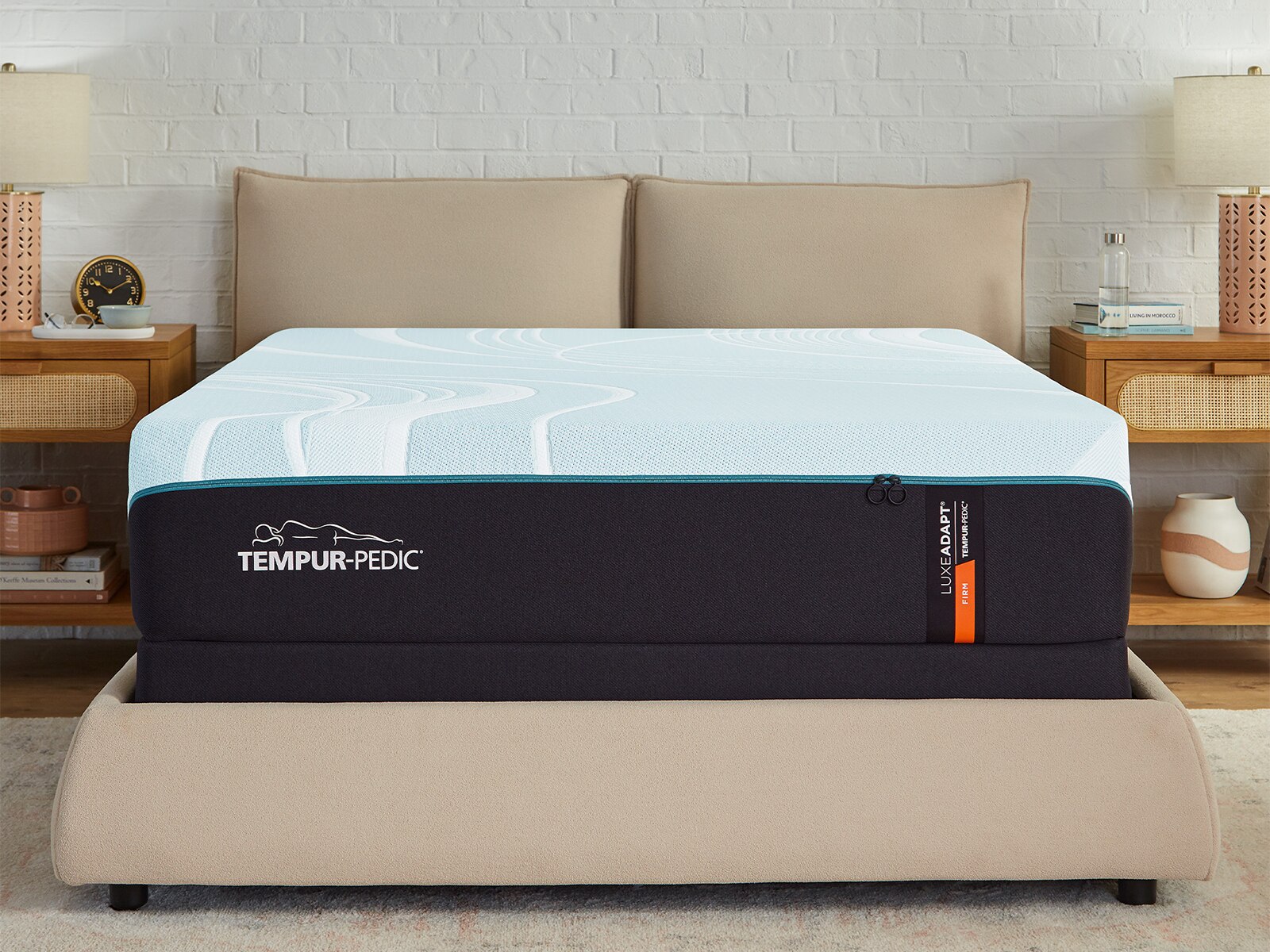
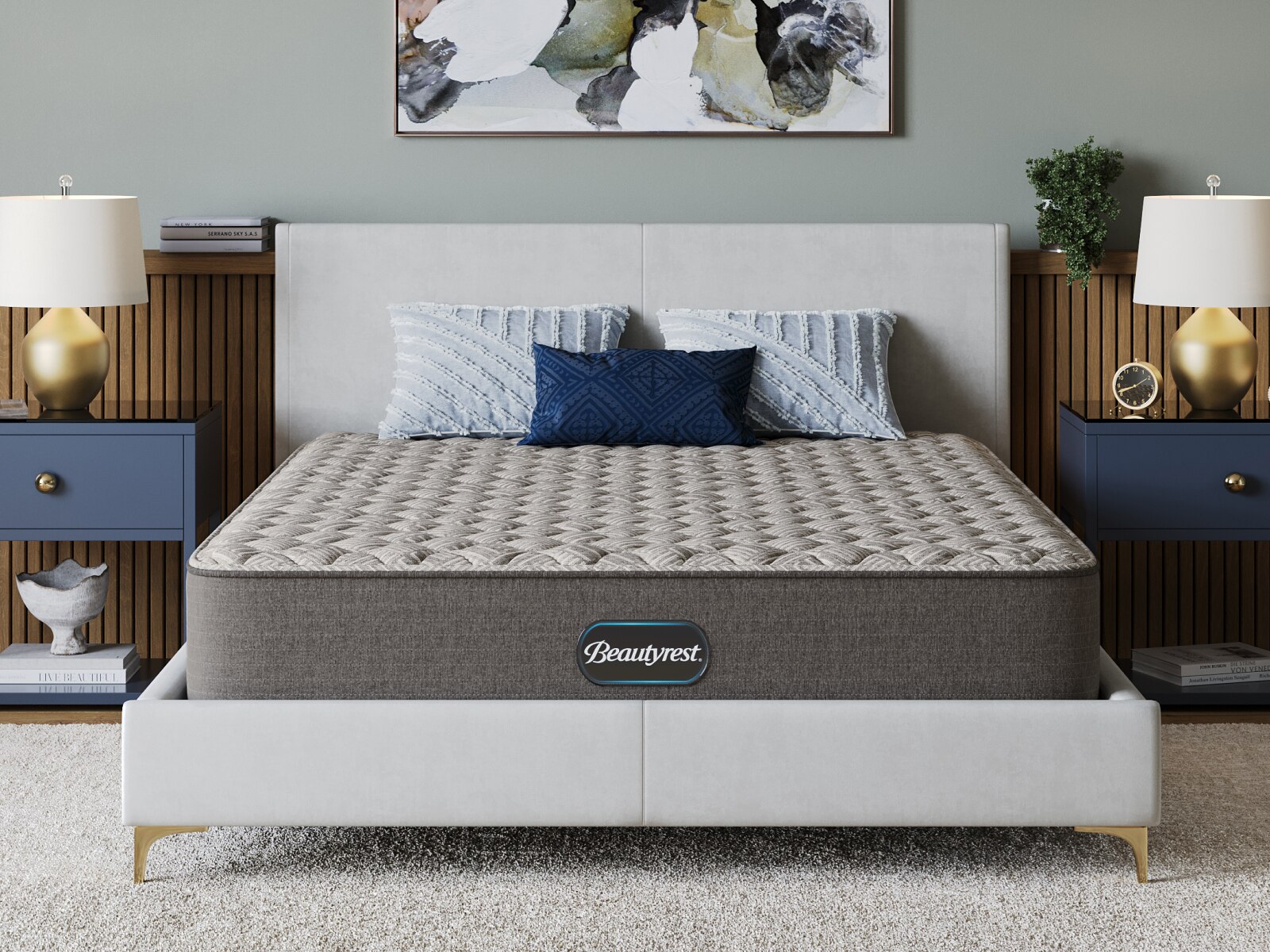
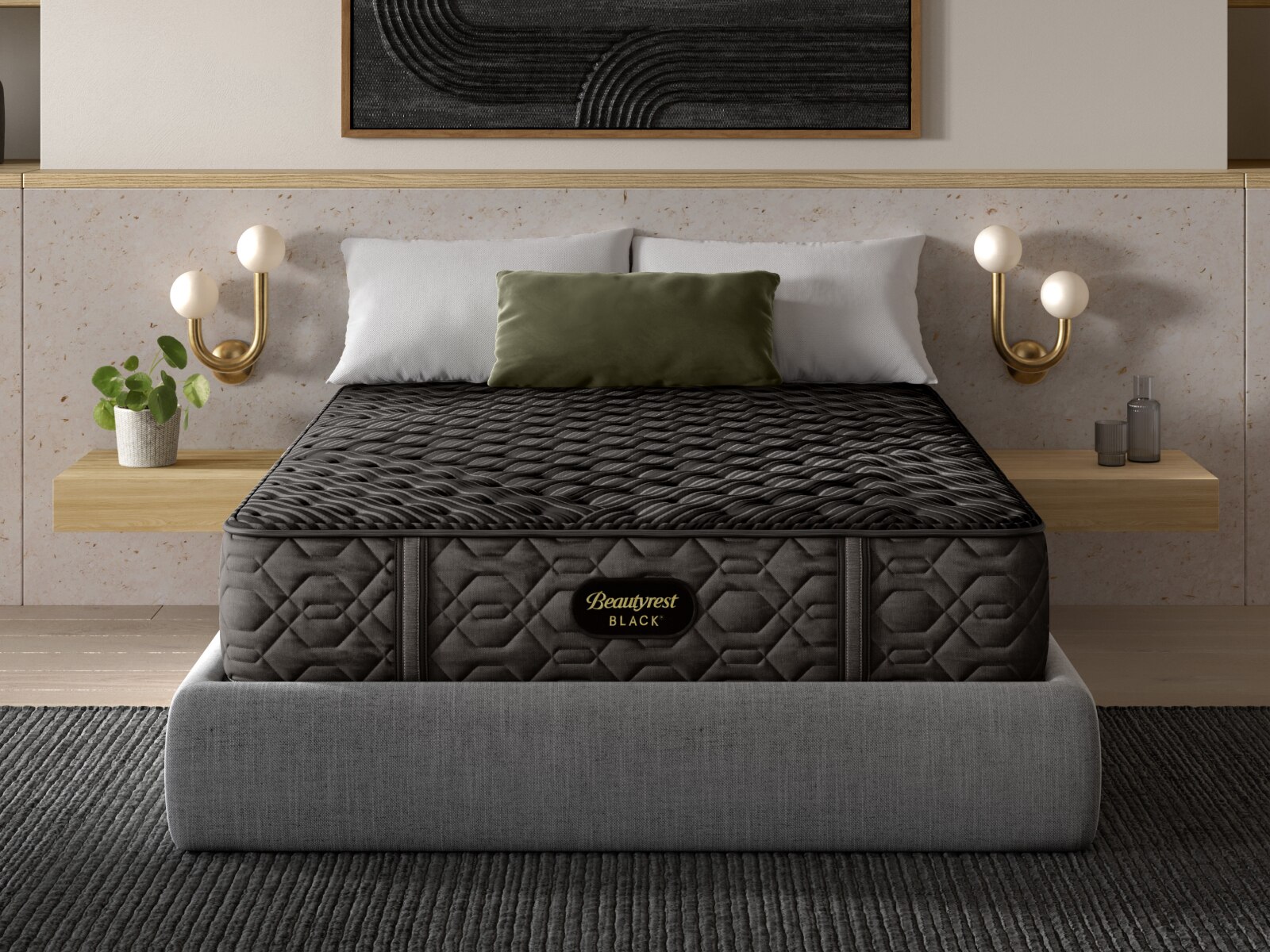
Medium-firmness mattresses with cooling layers combine balanced cushioning and support with materials designed to manage heat near the sleep surface. The medium feel allows some contouring around the shoulders and hips without the deeper sink associated with a very soft mattress. Beneath that cushioning, a supportive core helps keep the body comfortably positioned. Cooling features can take several forms, including breathable covers, ventilated foam, gel-infused comfort layers and materials designed to absorb or disperse heat. These features work differently, so a cool-to-the-touch cover does not necessarily perform the same way as a layer that encourages airflow throughout the mattress. Some fabrics feel cool when first touched because they transfer heat away from the skin quickly; that initial sensation may become less noticeable as the surface warms. Phase-change materials can absorb and release heat within a particular temperature range, while open-cell or perforated foams create pathways that may help air move through the comfort layers. Gel and other infusions may help redistribute heat, though their effect depends on the material, its placement and the overall mattress construction. No passive cooling layer actively refrigerates the bed or guarantees that a sleeper will never feel warm. The most useful distinction is how the complete mattress handles cushioning, airflow and heat together. All-foam designs often offer a close, cradling feel with limited motion transfer, while hybrid constructions pair comfort layers with a coil support system that leaves more open space within the mattress. Either construction can have a medium feel, and neither is automatically cooler based on its category alone. Cover fabric, foam density, layer thickness and the bedding placed on top all influence the experience. For someone who likes gentle cushioning but dislikes feeling deeply enclosed by the bed, this combination can offer a comfortable middle ground. It is especially relevant for sleepers who notice warmth building beneath their torso or who frequently move to find a more comfortable spot.
The right medium feel depends on the person using the mattress, not just the firmness description. Firmness is the sensation of softness or resistance at the surface, while support describes how the mattress holds the body under weight; a mattress can feel cushioned and still provide substantial support. Side sleepers often appreciate enough give for the shoulder and hip to settle without feeling pressed against the surface. Back sleepers may prefer more even contact beneath the lower back and pelvis, with cushioning that does not let the hips sink disproportionately. Stomach sleepers, particularly those who carry more weight around the middle, may find that a medium mattress allows more sink than they prefer. Sleepers who want less contouring can also compare
firm mattresses with heat dispersing layers for a more resistant surface with heat-management features. Body size changes how any of these feels are experienced: a lighter person may compress the comfort layers less, while a heavier person may engage more deeply with the support core. Firmness descriptions also vary between manufacturers, making the actual feel more informative than a label alone. For combination sleepers, responsive cushioning can make rolling from the back to the side feel easier than slow-rebounding foam that holds a deeper impression. Couples may value motion isolation when one person changes position, along with stable edges for using more of the mattress surface. A queen or king can provide additional room between sleepers, although size alone does not determine cooling performance. In a guest room, a medium feel can accommodate a range of preferences, but no single firmness suits everyone. During an in-store comfort check, spending several minutes in a usual sleeping position can reveal whether the shoulder feels crowded, the hips settle comfortably or turning requires extra effort. A pillow with an appropriate height matters, too, because neck position can change how balanced the entire bed feels.
Everyday bedding and care help preserve the comfort of a mattress with cooling layers. A breathable fitted sheet and a lightweight, moisture-managing protector can allow more of the surface feel to come through, while thick pads and dense toppers may change both cushioning and heat transfer. Waterproof protection can still be useful, especially in a child’s room or a frequently used guest room, but its fabric and backing influence breathability. Sheets stretched tightly across a deeply cushioned surface can also restrict how freely the comfort layers respond. The foundation beneath the mattress matters just as much: the correct platform, slat spacing or compatible adjustable base helps the support system perform as intended. An older base with sagging sections can undermine an otherwise supportive mattress, so compatibility and condition deserve attention when replacing the sleep surface. Durability depends on the quality and arrangement of materials, how well the mattress is supported and how it is used. Foam density and resilience, coil construction and the strength of the cover can all contribute to how consistently the bed maintains its feel. Greater thickness alone does not establish longer-lasting comfort. Some initial settling can occur as cushioning breaks in, but persistent sagging or a noticeable loss of support is different from a surface gradually becoming less new-feeling. Following the manufacturer’s rotation instructions can help distribute repeated use where rotation is recommended; many layered mattresses are designed for one-sided use and should not be flipped. Removable covers should only be washed if their care instructions permit it. For other surfaces, gentle spot cleaning with minimal moisture and thorough drying helps avoid soaking the interior. A properly fitted protector makes routine upkeep simpler by limiting exposure to spills, perspiration and everyday debris. With compatible bedding, appropriate support and consistent care, medium-firmness mattresses with cooling layers offer a practical combination of contouring comfort and heat management for nightly use, without requiring an especially plush or rigid sleep surface.