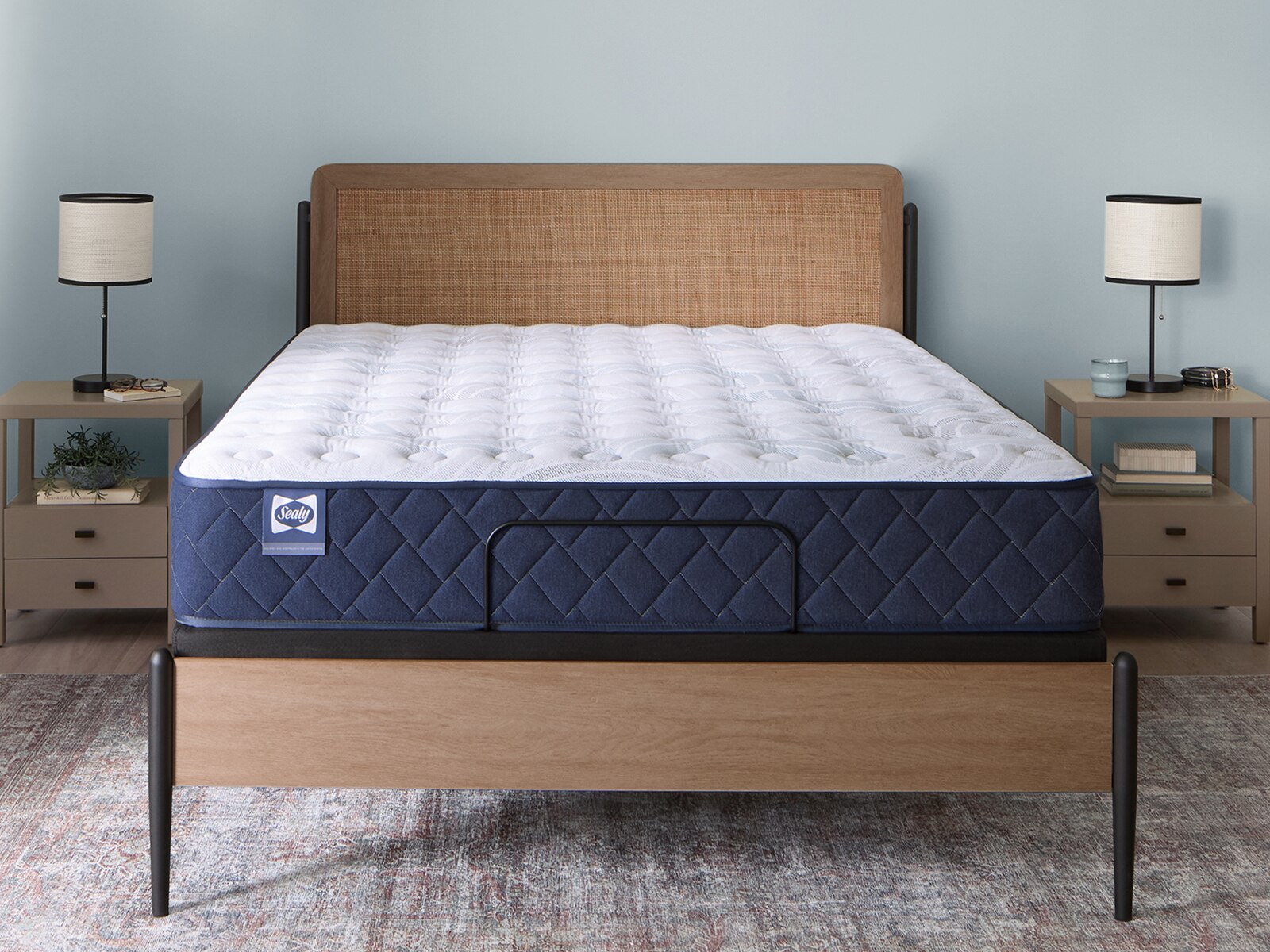
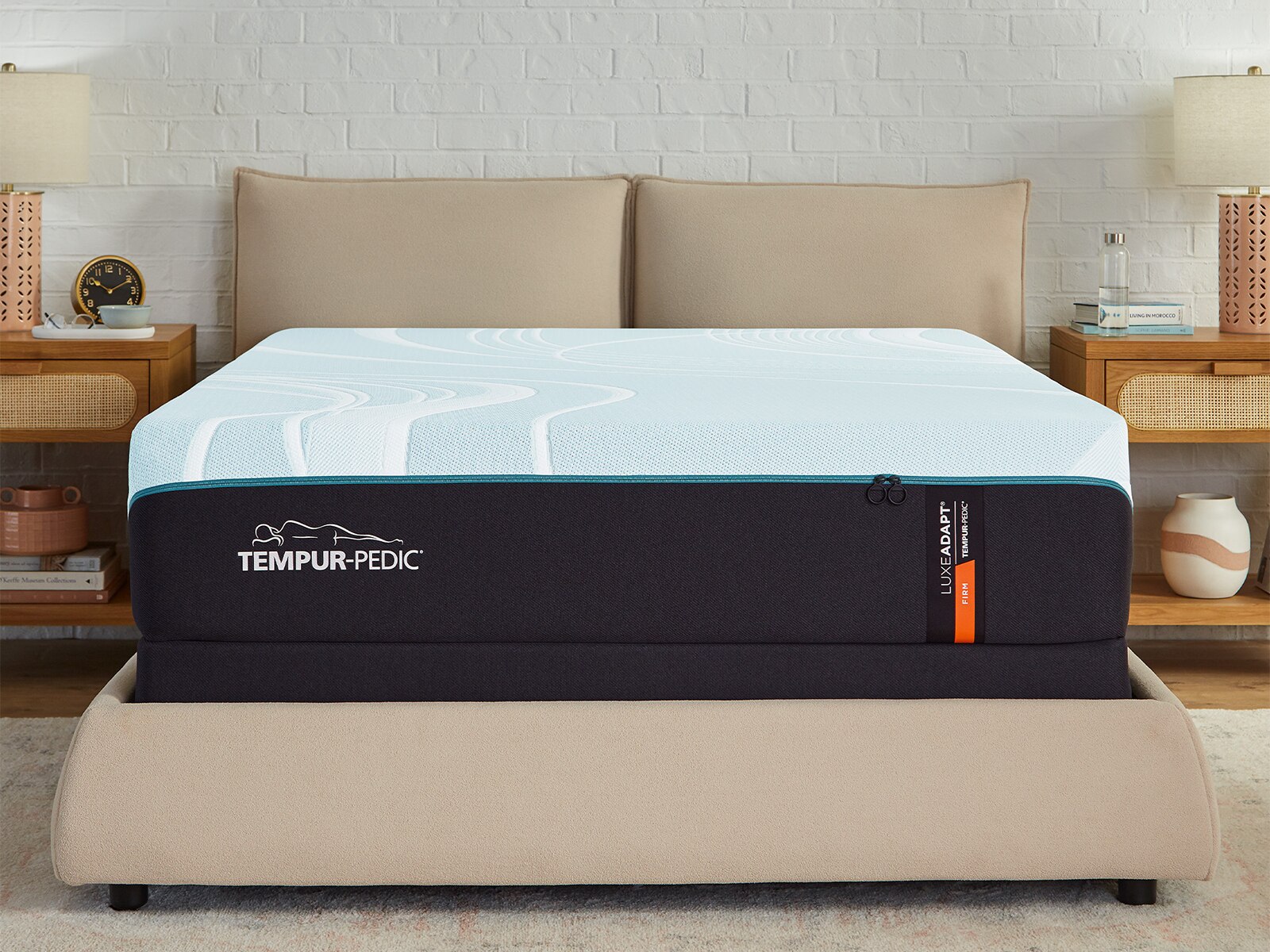
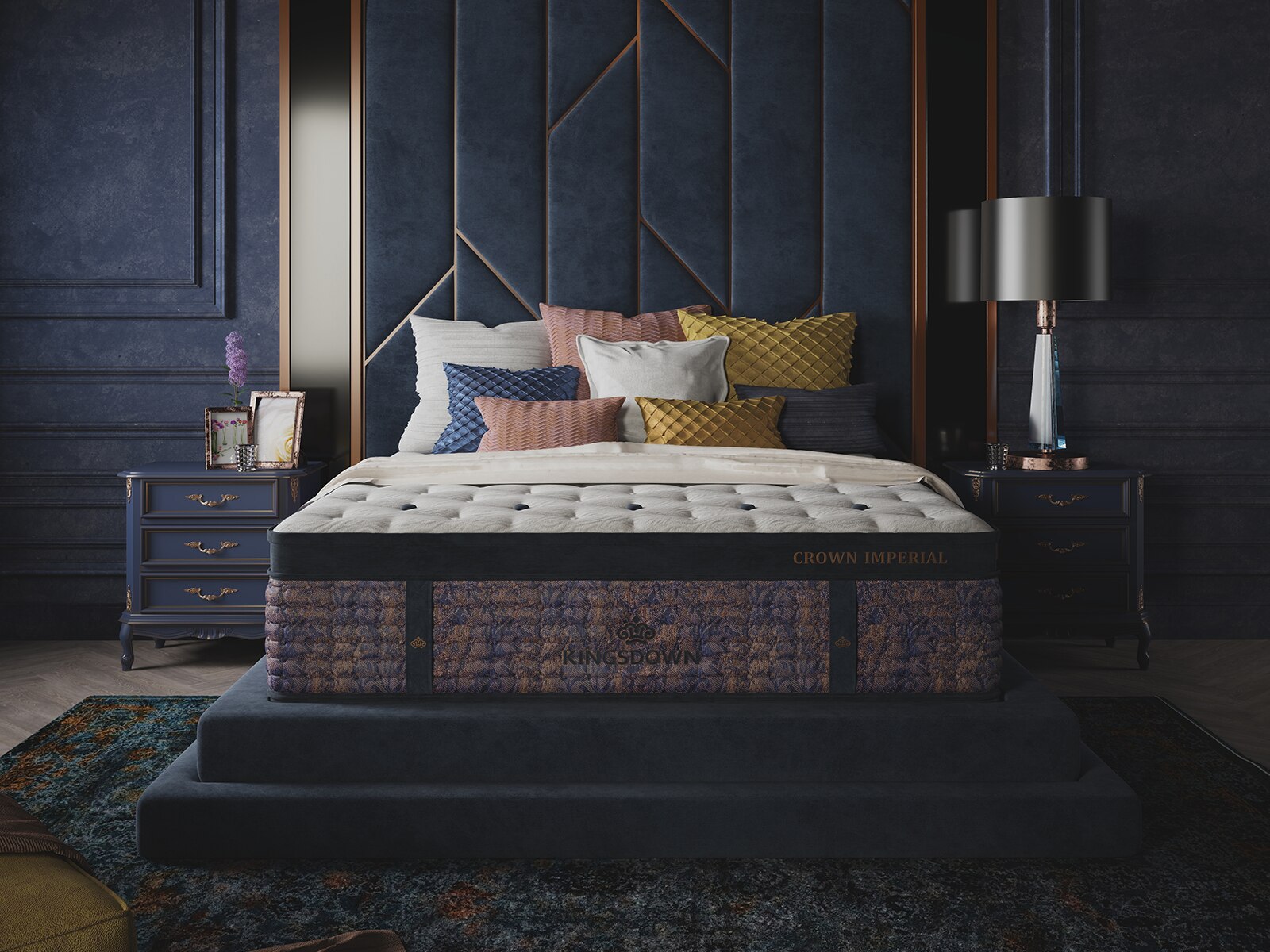
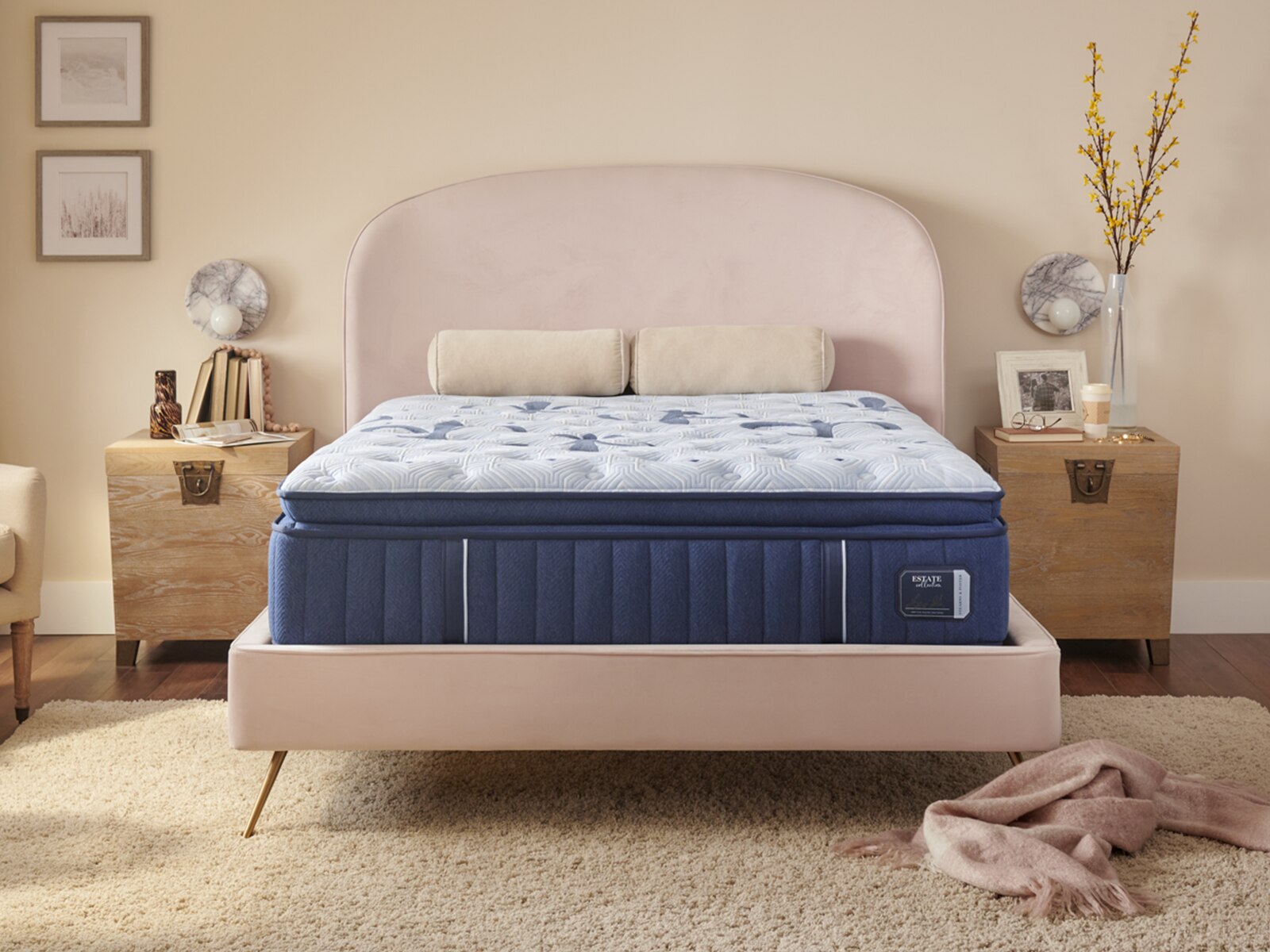
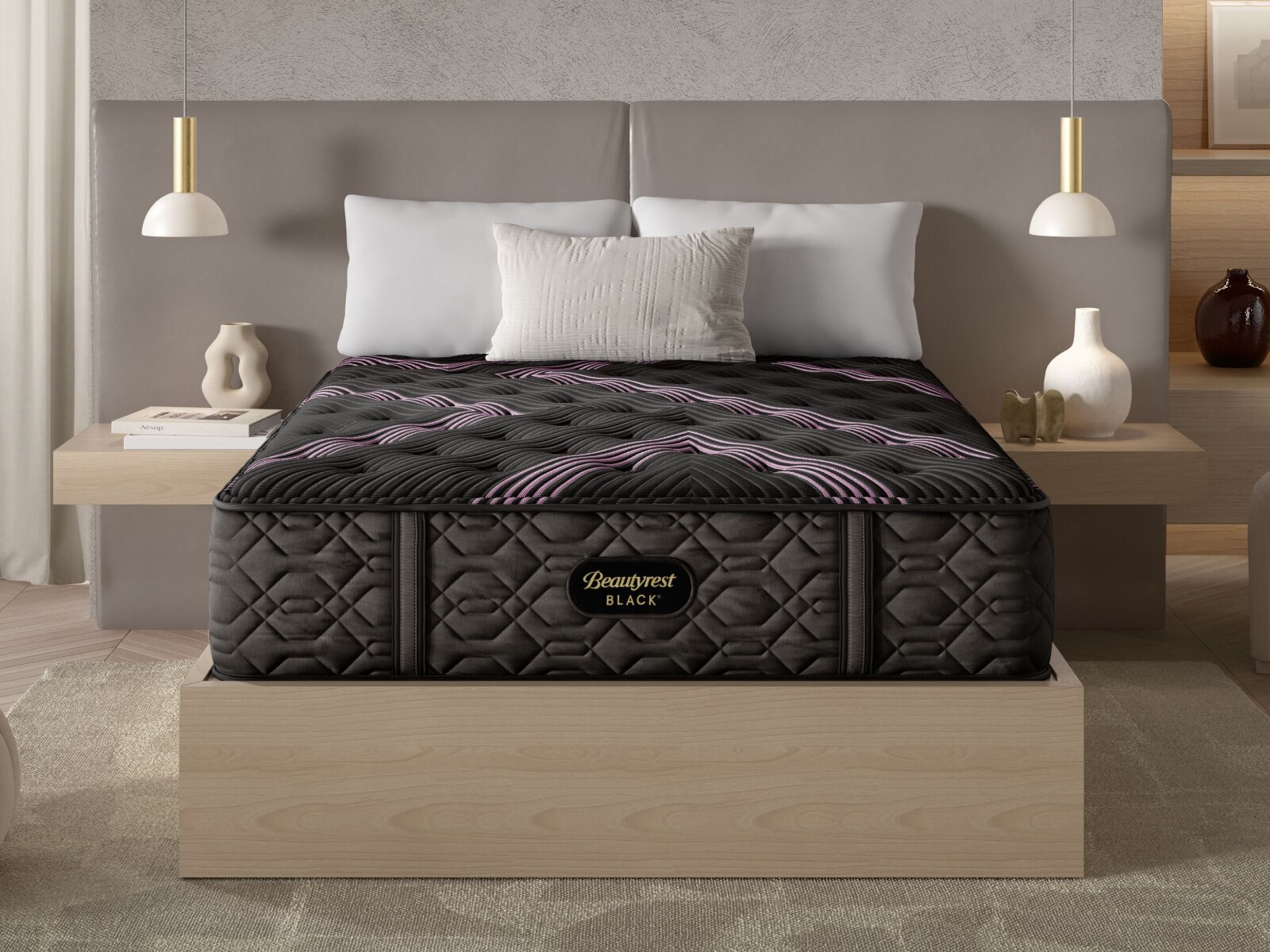
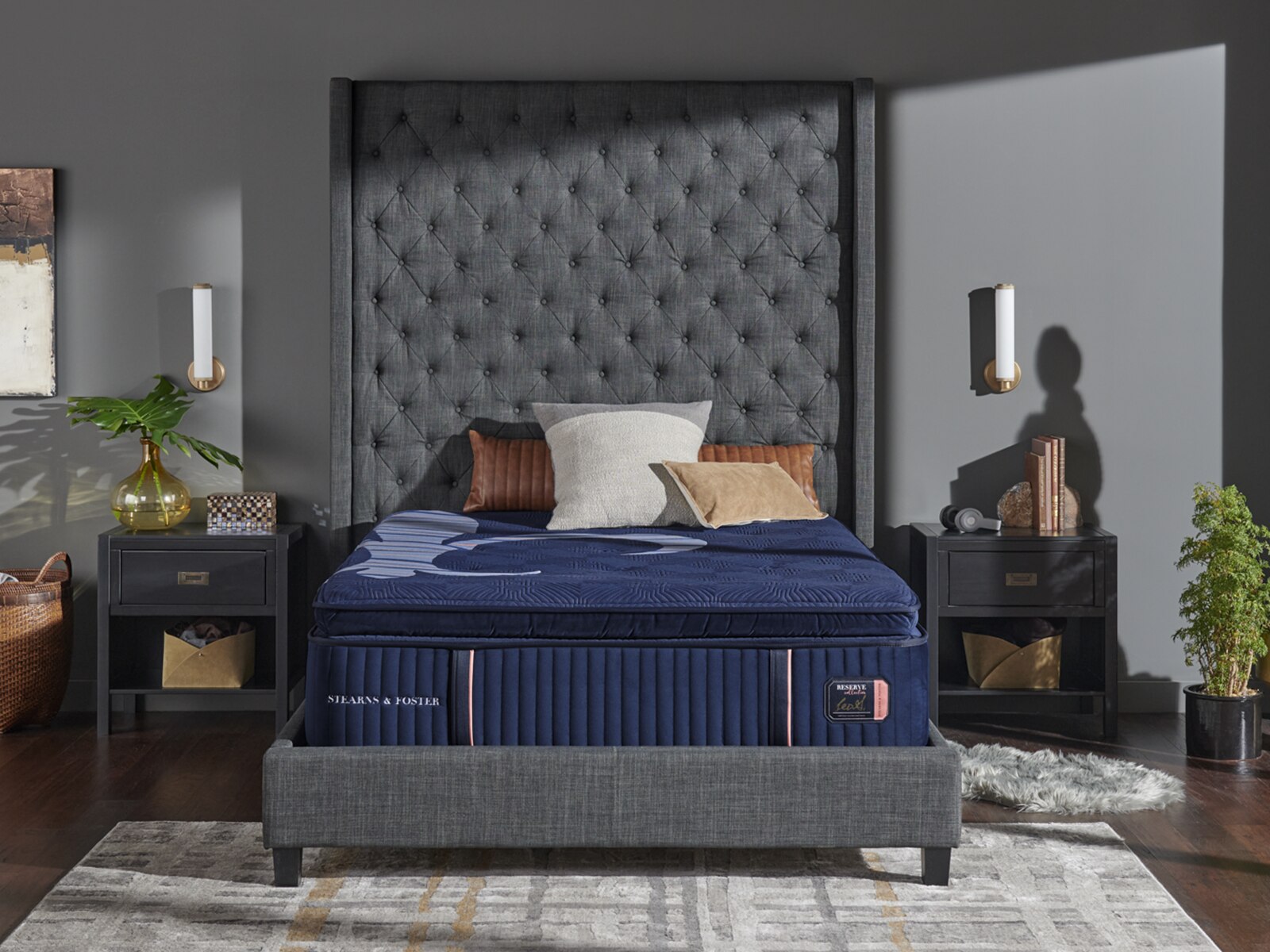
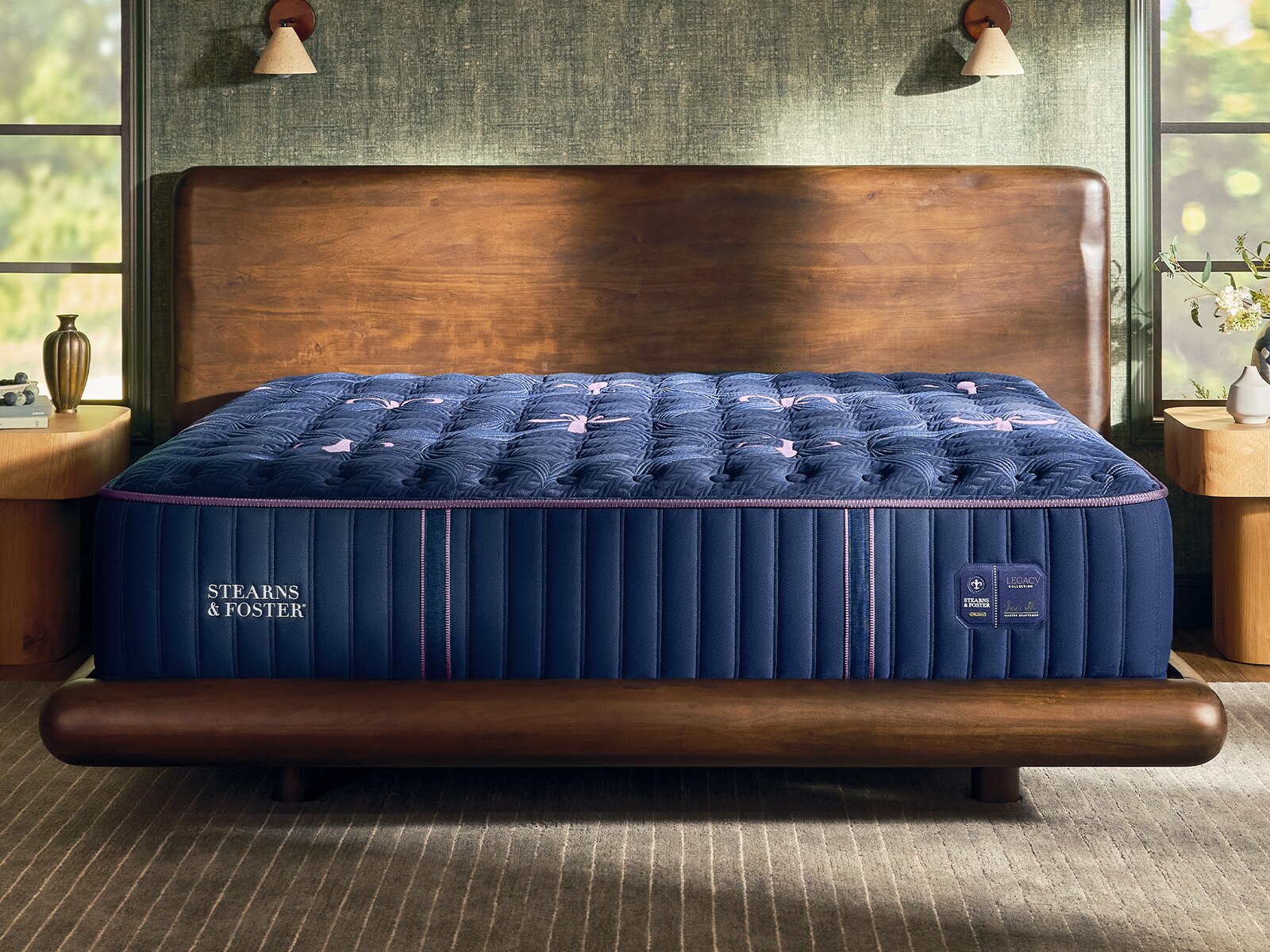
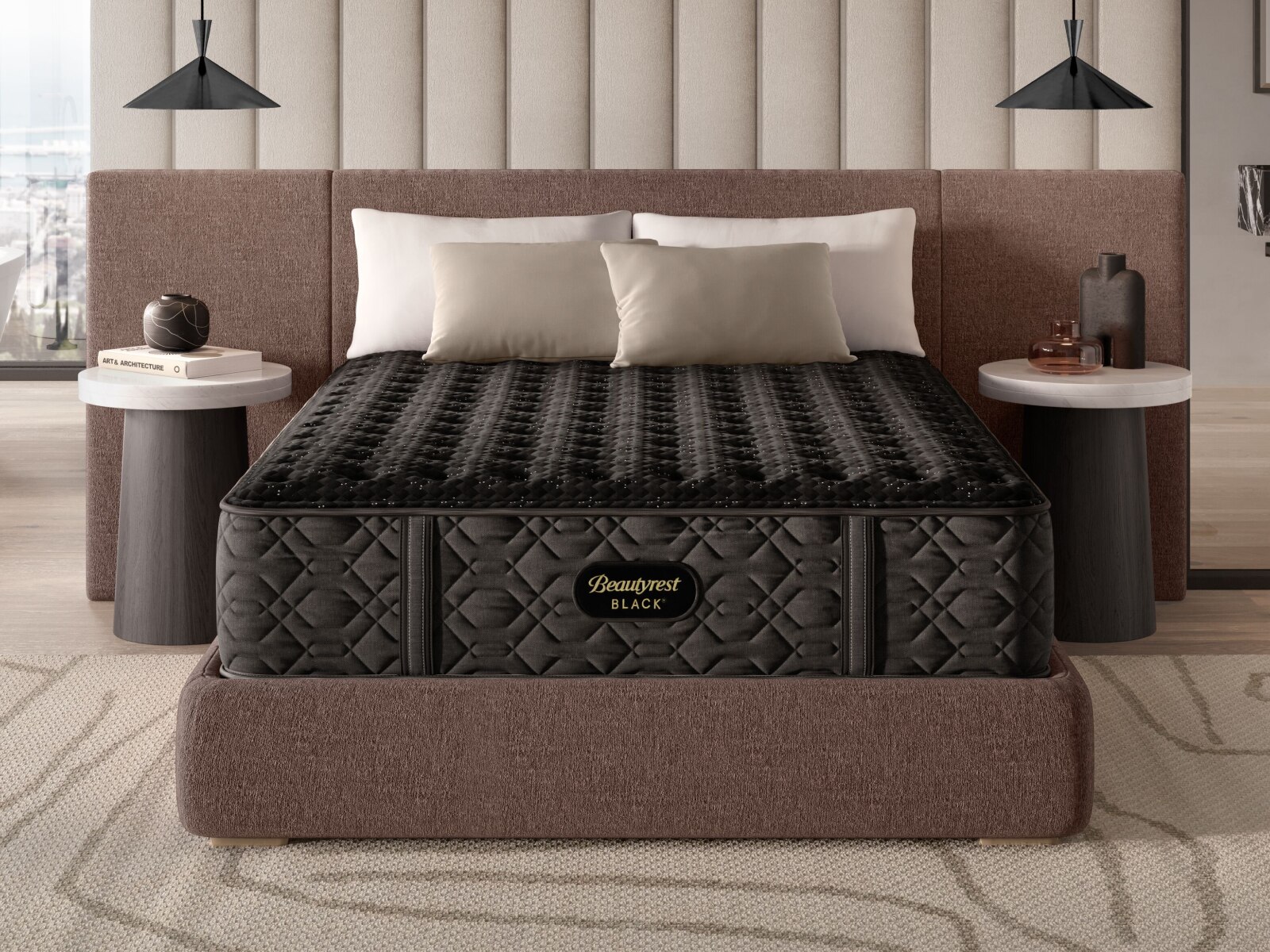
Firm mattresses with elegant design bring together a firmer sleep surface and refined finishing details, which may include tailored covers, subtle quilting, balanced proportions and neatly sewn edges. The result is a mattress that feels substantial without looking bulky or overly ornate. Elegance can take several forms: a smooth stretch-knit top with minimal patterning, a gently quilted surface with a crisp border or a woven cover that adds quiet texture beneath the bedding. These details matter most when they complement the construction rather than simply decorate it. A deeply padded top, for example, may soften the initial feel even when the layers underneath are firm, while a thinner comfort layer can create a more immediate sense of support. Firmness describes how much resistance a mattress offers when someone lies down; support describes how well its construction helps maintain a comfortable sleeping position. A mattress can feel firm and still provide enough cushioning for the shoulders and hips, depending on the materials, the sleeper’s build and the position they favor. Back sleepers who prefer less sink and stomach sleepers who need to limit excessive settling around the midsection may appreciate this balance. Side sleepers generally need more contouring around pressure-sensitive areas, so a firm feel is not automatically the best fit for every person. Visually, a restrained mattress profile works naturally with an upholstered headboard, a wood platform or a simple metal frame. A fitted sheet should sit smoothly over the corners without pulling loose or compressing a padded top. When the bed is dressed in crisp linens and a textured coverlet, the mattress contributes to the room through its proportions and the evenness of the finished surface. That connection between comfort and appearance is especially useful in a primary bedroom, where the bed needs to feel welcoming at bedtime and look composed throughout the day.
The materials beneath the cover shape how a firm mattress responds to movement, distributes weight and holds its feel over time. An innerspring construction often has a responsive character, with coils that push back as weight shifts. Individually wrapped coils can respond more independently than interconnected systems, although the complete design determines how much movement travels across the bed. Foam mattresses typically offer a more closely conforming feel, with firmer support foam beneath cushioning layers that vary in thickness and responsiveness. Memory foam tends to adapt gradually to pressure, while latex often feels more buoyant and returns to shape more quickly. Hybrid construction combines coils with foam, latex or other comfort materials, allowing a firmer underlying feel with a more cushioned surface. None of these categories guarantees a particular comfort experience; layer thickness, material composition and the arrangement of the support system all matter. For someone who changes positions often, ease of movement can be just as important as the initial impression of firmness. For two people sharing a bed, motion isolation and usable edge support may affect comfort more than decorative stitching. A reinforced perimeter can help the edge feel steadier when sitting to put on socks or sleeping closer to the side, but its performance depends on the construction. The related collection of
Firm Mattresses With Innovative Design Features connects this firmer feel with additional construction considerations. Within an elegantly finished mattress, thoughtful engineering is often unobtrusive: a cover that stretches with the comfort layer, seams placed away from the main sleeping surface or a border that maintains a tidy shape. Decorative tufting and quilting can also help secure upholstery layers, though neither detail alone establishes durability or comfort. The most meaningful combination is a finish that looks intentional and a construction suited to the person sleeping on it, whether that means a gently cushioned firm surface or a flatter, more responsive feel.
Size, foundation compatibility and everyday care help preserve both the comfort and the polished appearance of a firm mattress. In a shared bedroom, a queen or king should leave enough room for comfortable movement around the bed, opening drawers and making the bedding without squeezing between furniture. Mattress height deserves equal attention. A thick mattress on a tall foundation can make getting into bed awkward, while a lower profile on a platform may create a more streamlined look. Measuring the combined height of the frame, foundation and mattress gives a clearer picture than considering mattress depth alone. Deep-pocket sheets may be needed for taller designs, and bedding that fits properly helps prevent strained seams, loose corners and a rumpled surface. A stable, compatible base is important even when the mattress itself feels very firm. Platform slat spacing, center support and adjustable-base compatibility should follow the mattress manufacturer’s requirements; an unsuitable foundation can affect performance and warranty coverage. Durability also depends on the quality of the foam, coils, fabrics and assembly, not simply on a heavy feel or an elaborate cover. Consistent care helps protect those materials. A well-fitting mattress protector can limit exposure to spills and everyday debris without replacing routine cleaning. Cover-care instructions should determine whether spot cleaning is appropriate, and excess moisture should be avoided. Rotation may help distribute wear when the manufacturer recommends it, but flipping is only appropriate for a mattress designed for use on both sides. Decorative handles should not be assumed to support the full weight during a move. For a frequently used primary bed or a thoughtfully furnished guest room, these practical details support the same goal: a mattress that suits its sleepers and retains a neat, finished presence. An elegant bed does not require elaborate styling; sound construction, suitable proportions and carefully fitted bedding give a firm mattress a place in a well-considered room.