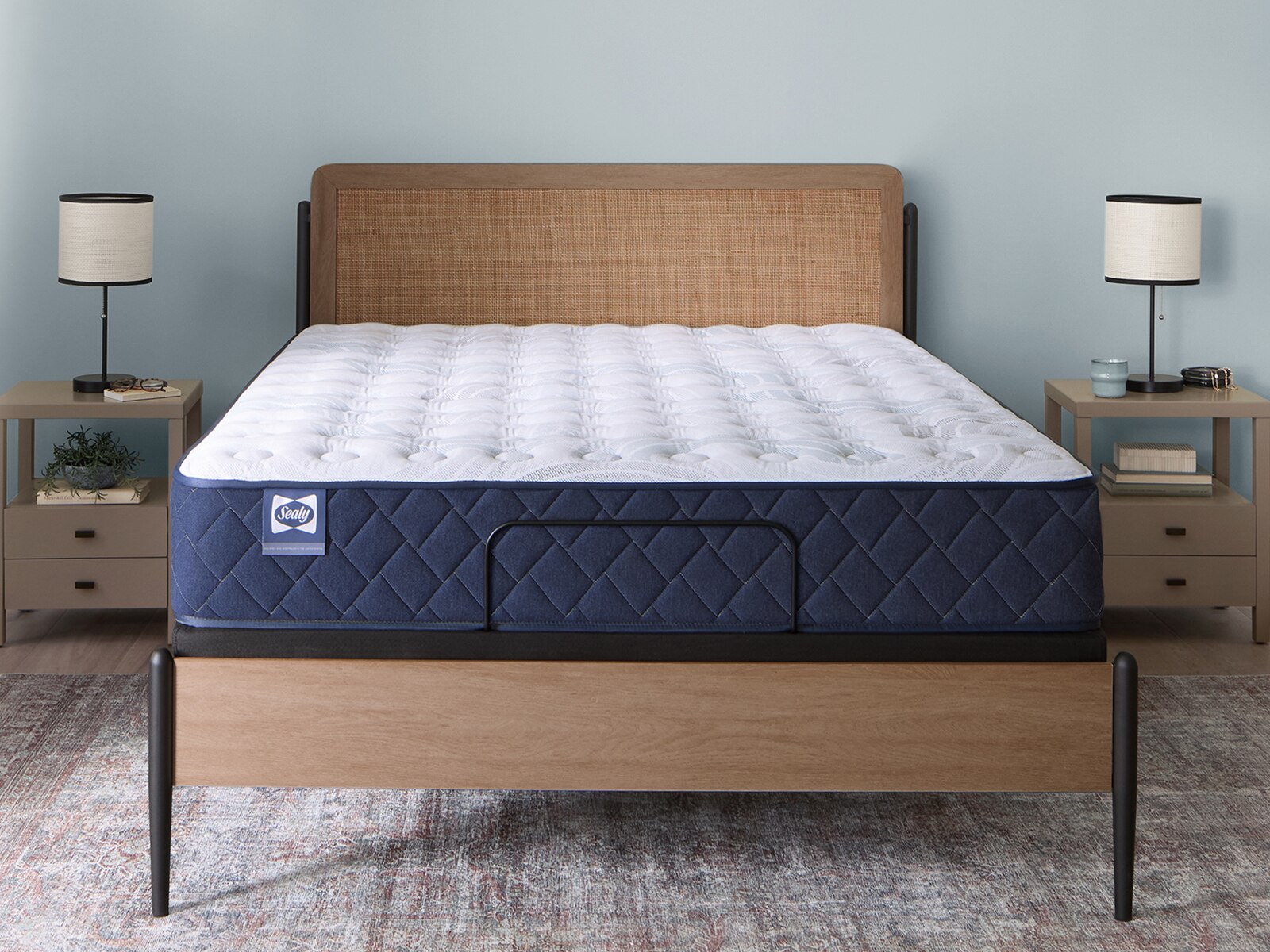
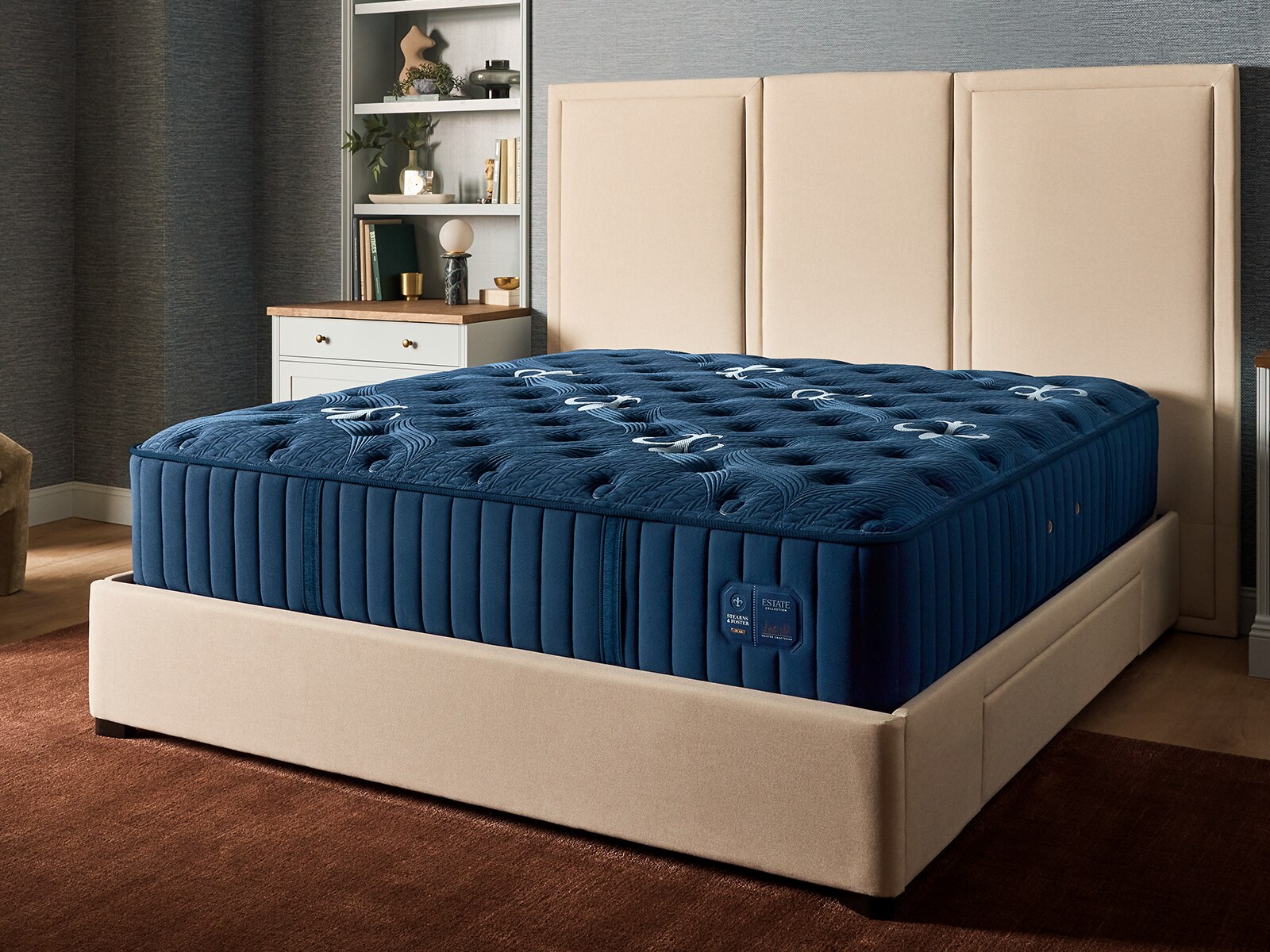
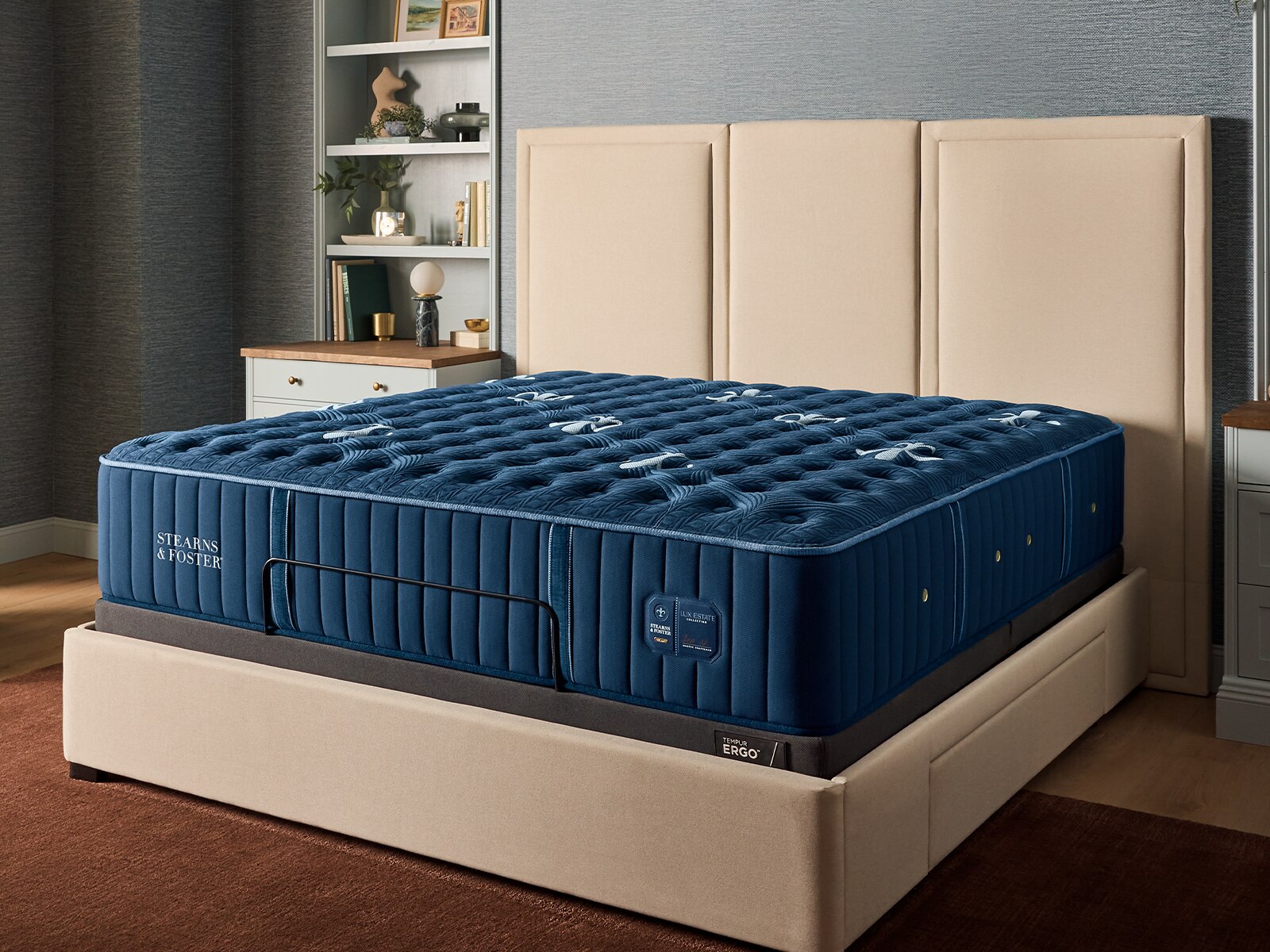
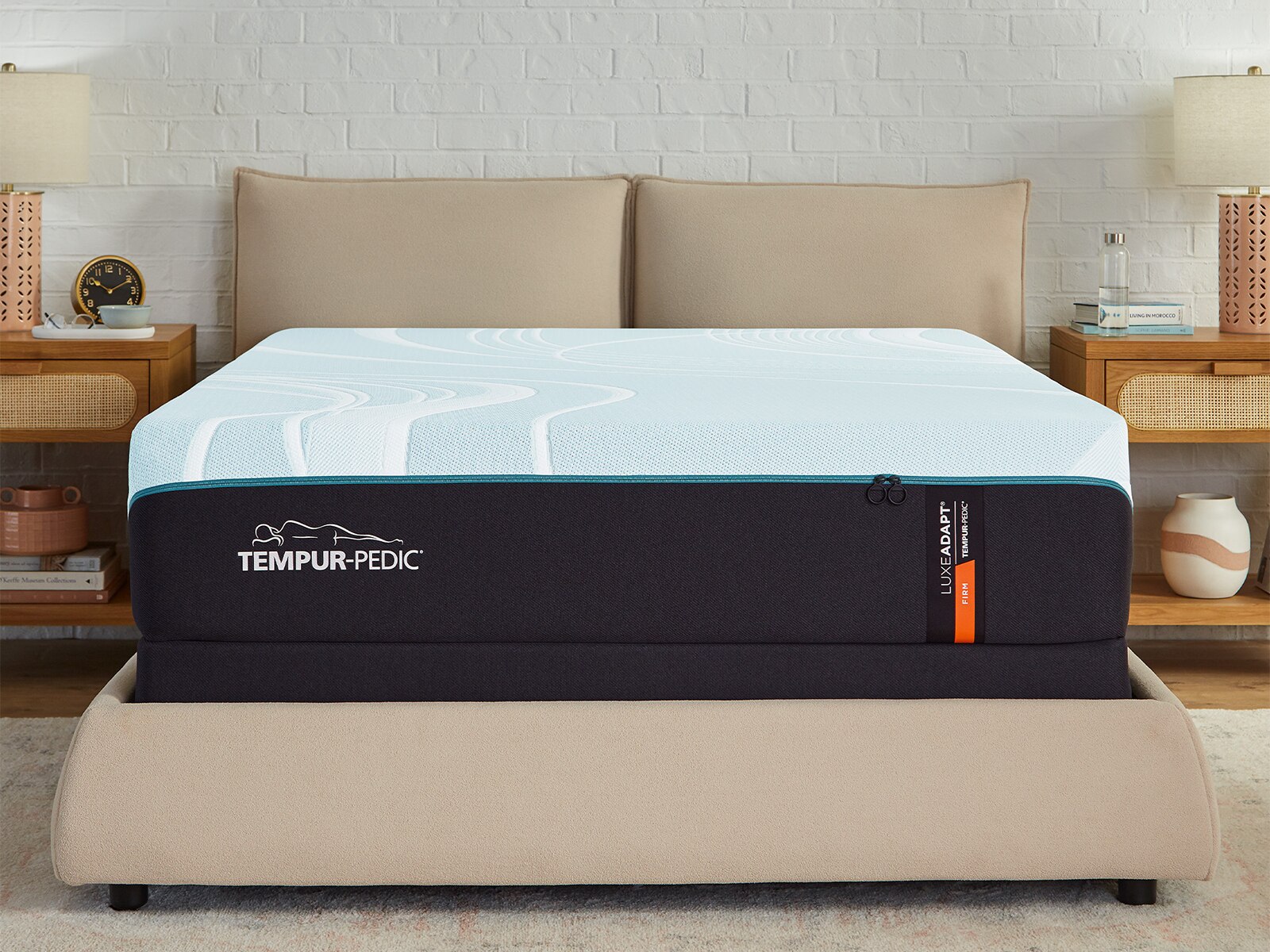
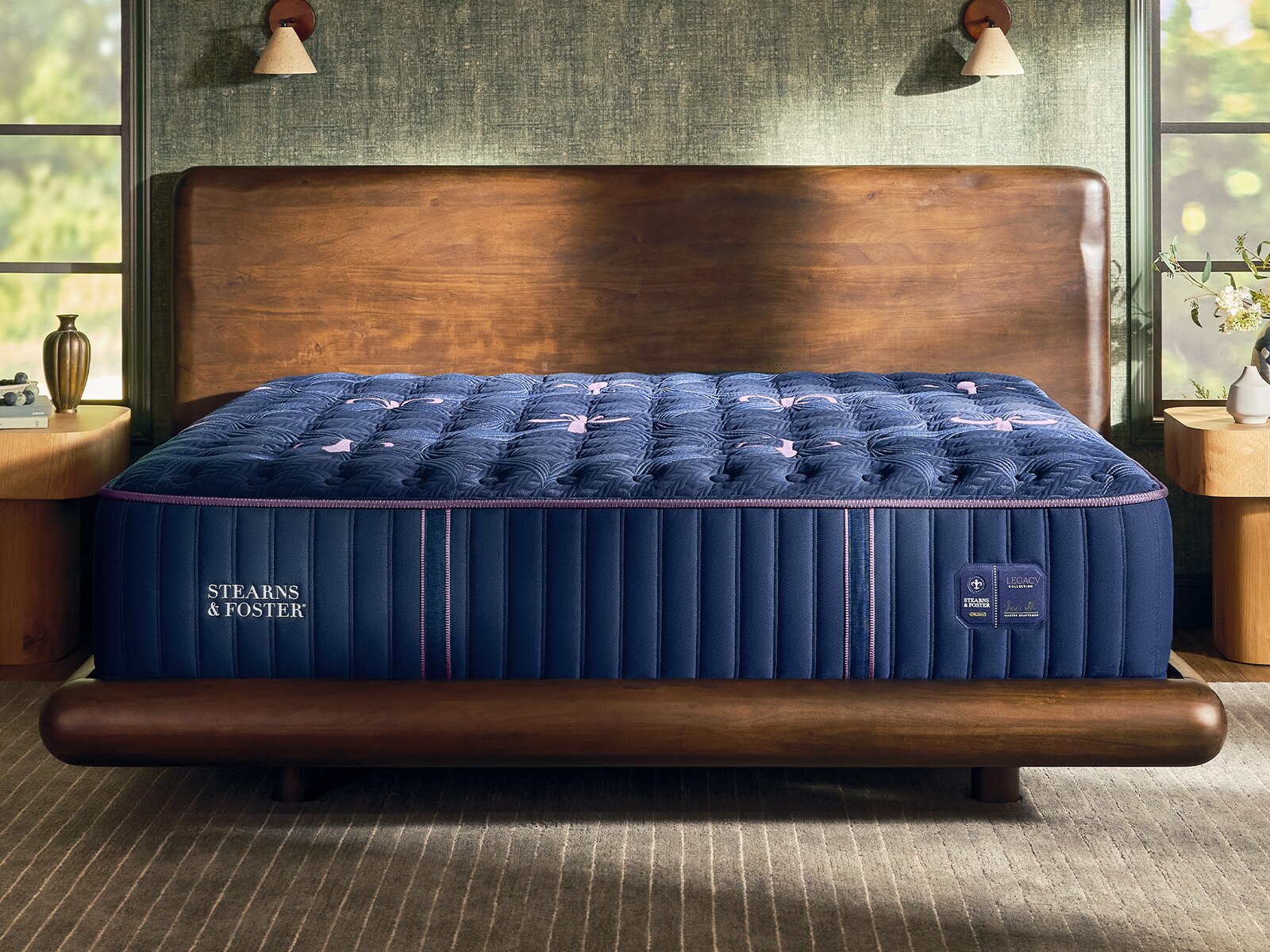
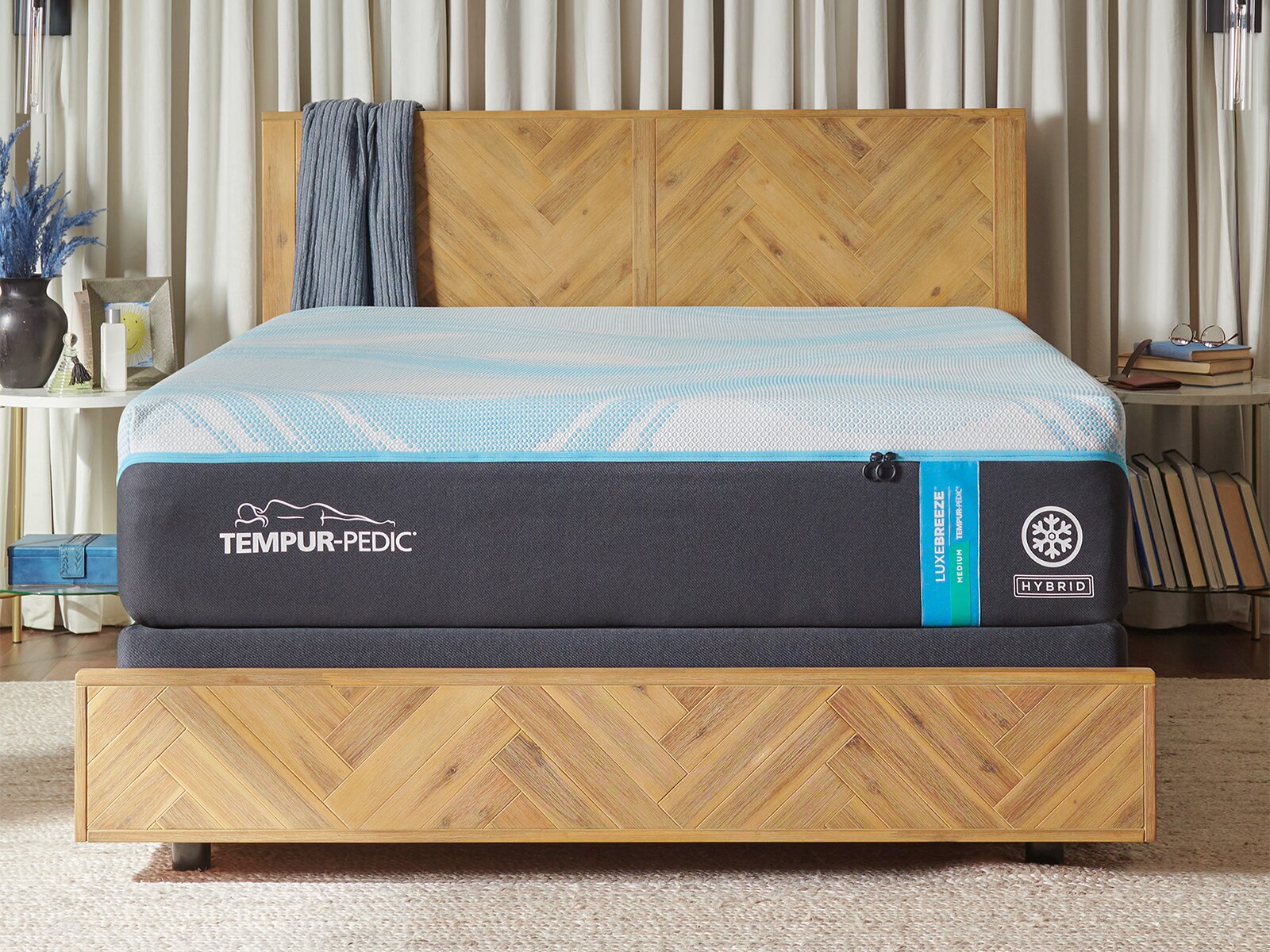
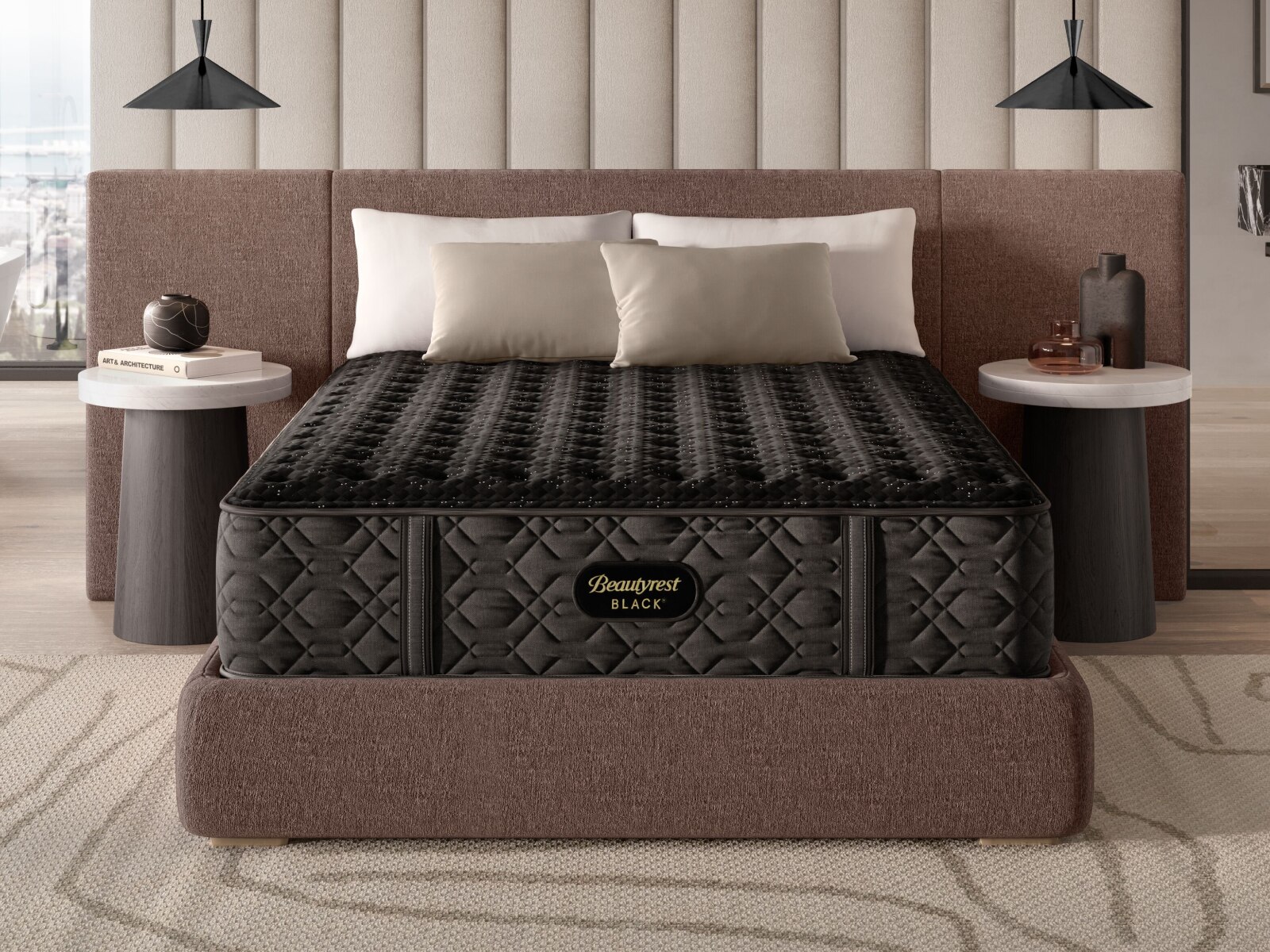
Firm mattresses with high performance features combine sturdy support with pressure-relieving comfort layers and may include cooling materials, motion isolation and reinforced edges. The goal is a mattress that feels stable without sacrificing comfort where shoulders, hips and other pressure points meet the surface. Firmness describes the initial feel of a mattress, while support describes how its construction holds the body through the night. A mattress can feel firm and still have a gently cushioning top; it can also feel soft at the surface without providing the underlying support a particular sleeper needs. That distinction matters when comparing materials and construction. Innerspring designs use connected or individually wrapped coils to create support and responsiveness, while foam mattresses rely on layered foams with different properties. Hybrid mattresses combine a coil support system with substantial comfort layers, often balancing a buoyant foundation with closer contouring. Memory foam responds gradually to body weight, while latex typically has a more buoyant feel that allows easier repositioning. Neither material automatically makes a mattress firm: the finished feel depends on the thickness, arrangement and properties of the layers beneath the cover. Back sleepers may appreciate a firm surface that supports the pelvis without allowing it to settle too deeply. Stomach sleepers often look for a similar sense of stability through the midsection. Side sleepers who prefer firmness may still need enough cushioning to accommodate the shoulder and hip comfortably. Body size also changes the experience. A lighter sleeper may notice less contouring on a firm mattress, while someone with a heavier build may compress the same comfort layers more deeply. The most suitable feel keeps the body comfortably supported in its usual sleeping position rather than simply delivering the hardest surface possible. For someone who switches from back to side overnight, a stable foundation with responsive cushioning can make that transition feel less effortful.
Performance features become especially meaningful in the small moments that shape a night’s rest. Individually wrapped coils can respond more independently than connected spring systems, helping limit how much movement travels across the mattress. Foam comfort layers can absorb movement as well, which may be useful when one partner turns frequently or gets up before the other. Motion isolation and responsiveness are different qualities, however. A mattress that absorbs movement deeply may feel less springy, while a more buoyant design can make rolling over easier. Reinforced edges address another everyday concern by helping the perimeter feel steadier when sitting down to put on socks or sleeping near the side. Edge construction varies, and a reinforced border does not necessarily feel identical to the center of the bed. Cooling features also take different forms. Breathable covers, ventilated comfort layers and open spaces within a coil system can encourage airflow, while certain fabrics or materials are designed to absorb and release heat. A cool-to-the-touch cover describes a surface sensation; it does not, by itself, establish how the entire mattress will manage heat throughout the night. Sheets, mattress protectors, bedding weight and the sleeper’s own preferences also influence that experience. Pressure relief is equally dependent on the full construction rather than a single feature name. Zoned designs may vary support across different sections of the mattress, with the aim of accommodating areas such as the shoulders and hips while supporting the torso. Their effect depends on body proportions, sleeping position and how the sleeper lines up with those zones. For couples, these details deserve attention alongside mattress size. Enough room to change position, cushioning that suits both people and a stable sleeping surface can matter more than an impressive list of technologies. High performance is most useful when the features address a recognizable need, whether that is less disturbance from a restless partner, easier movement or a more supported feel near the edge.
Long-term satisfaction also depends on fit, construction quality and everyday care. A mattress needs a foundation or bed frame that meets its manufacturer’s requirements, including any rules for slat spacing and center support. An unsuitable base can change how the mattress feels and may affect its durability or warranty coverage. Compatibility with an adjustable base should be confirmed for the particular construction rather than assumed from the firmness level or material category. Mattress height matters, too: the combined height of the frame, foundation and mattress influences how comfortably someone can sit at the edge and get into bed. Deeper mattresses may also require fitted sheets with appropriately sized pockets. Inside the mattress, foam density, coil construction, material quality and the way the layers work together can all influence how well the surface maintains its feel. Thickness alone is not a reliable measure of durability, and a firmer mattress is not automatically longer lasting than a softer one. Normal settling can occur with use, but care should follow the manufacturer’s directions, including whether the mattress should be rotated and whether flipping is permitted. A compatible mattress protector helps guard against everyday spills and perspiration, while breathable bedding can help preserve the feel of airflow-focused features. Cleaning methods should match the cover’s care instructions; soaking the surface or applying excessive heat can damage some materials. Firm mattresses can suit a primary bedroom, a shared sleeping space or a guest room where a stable, supportive feel is preferred, though no single firmness works for every sleeper. For a mattress intended as a gift, the recipient’s comfort preferences, bed dimensions and existing foundation are more useful starting points than an assumption that firmer means better. The related
Firm Mattresses With Sleep Enhancing Features collection offers another way to explore this balance of support and comfort. The most meaningful features are those that fit the sleeper’s body, daily habits and sleeping environment, creating a mattress that feels supportive when settling in and comfortable through ordinary changes in position.