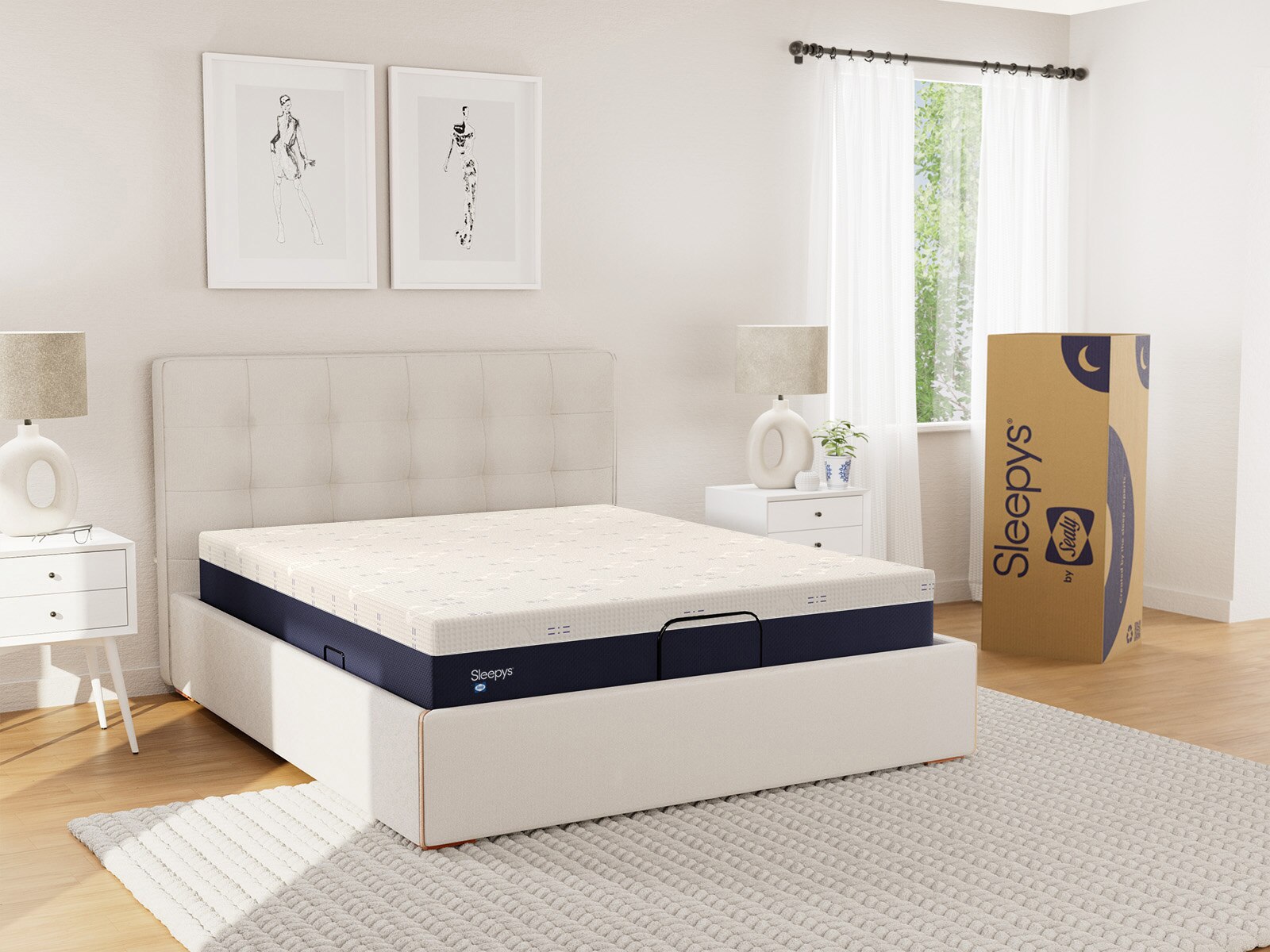
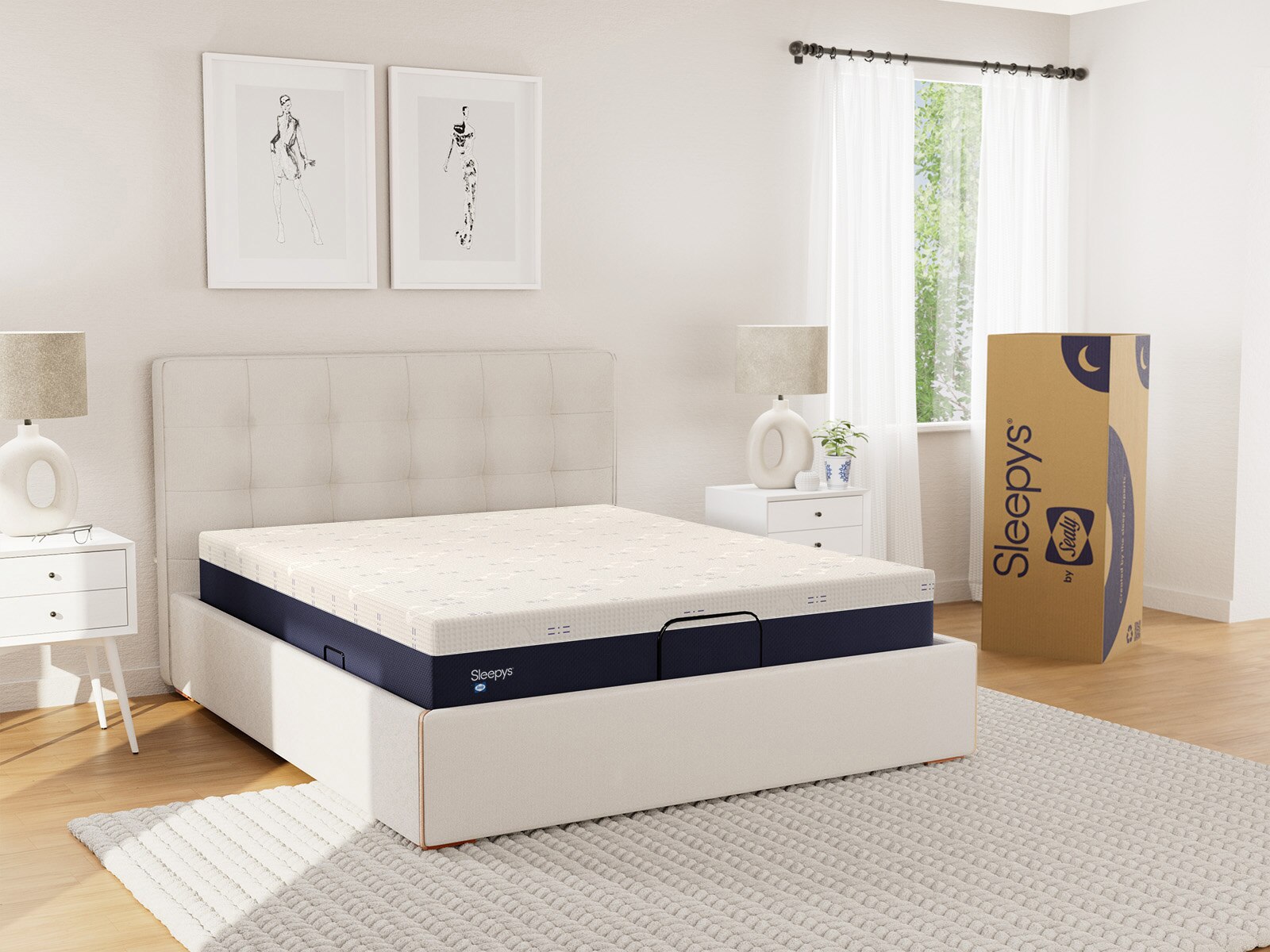
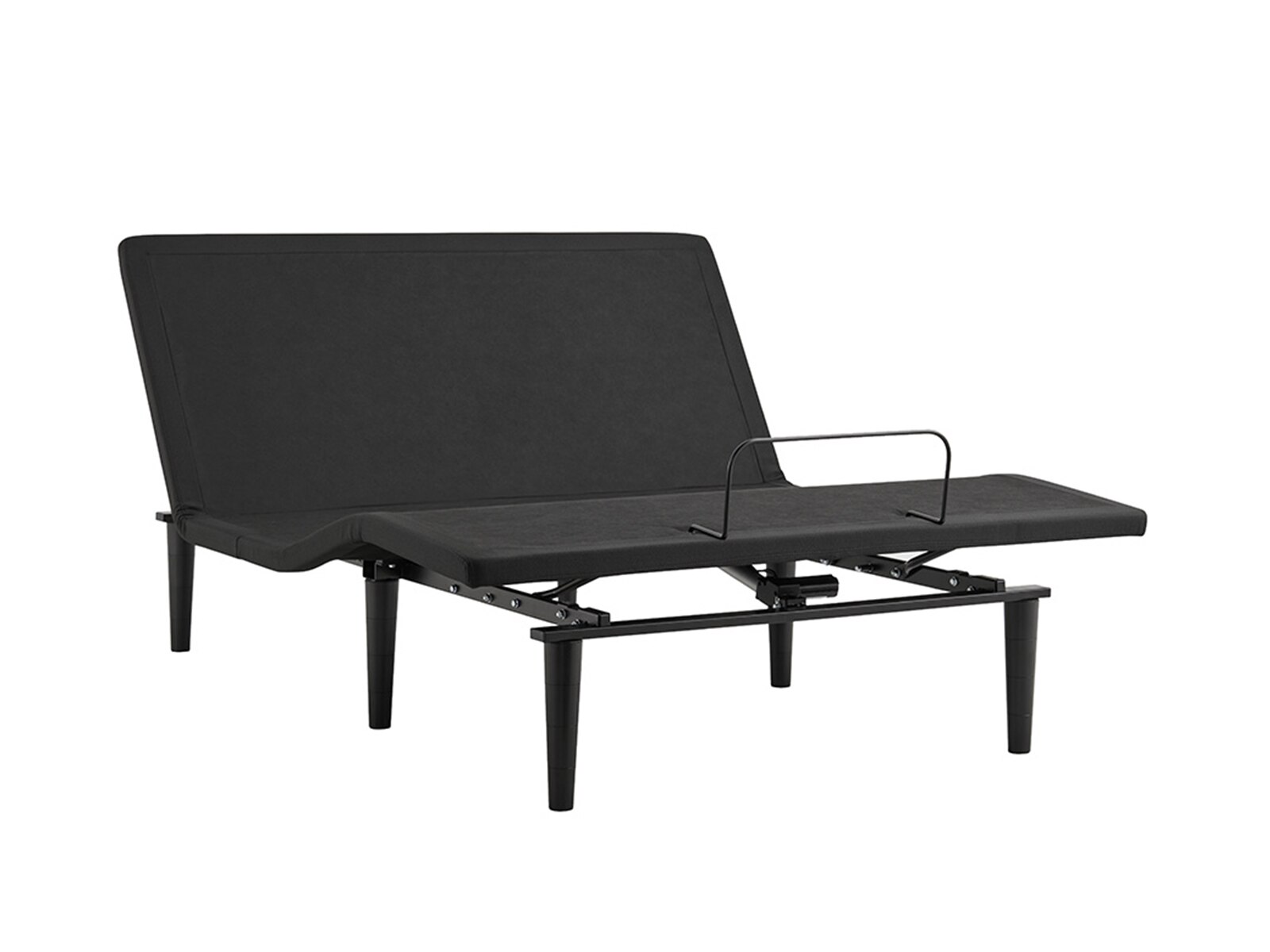
Sleep comfort products include mattresses, pillows, mattress toppers and bedding designed to make a bed feel supportive, inviting and suited to the person using it. Comfort comes from how these layers work together, not simply from how soft a surface feels at first touch. A mattress provides the foundation, a pillow supports the head and neck, and bedding adds the texture that rests against the skin. The right combination depends on sleep position, body shape, personal preferences and whether the bed is shared. Someone who settles onto their side may appreciate cushioning around the shoulder and hip, while a back sleeper may prefer a surface that allows gentle contouring without excessive sinking. For a stomach sleeper, enough support to limit deep sinking through the midsection can be an important consideration. Materials influence these sensations in different ways. Memory foam typically contours more gradually, latex often has a springier response, and coil systems provide support with a more responsive feel. Hybrid construction combines coils with cushioning layers, although the feel varies with the materials and design. Pillow fills also create distinct experiences: down and feather blends are generally moldable, fiber fills can offer a fluffy feel, and foam may provide more consistent shaping. Fill type alone does not determine comfort; the amount of fill, pillow height and cover construction matter, too. Bedding brings another layer of choice, from the crisp feel of cotton percale to the smoother drape of sateen or the relaxed texture of linen. Breathability, softness and ease of movement all contribute to how a bed feels through the night. A person who changes positions frequently may notice how readily a mattress responds, while someone sharing a bed may place more value on limiting the movement felt when a partner turns over. These details help distinguish a sleep surface that feels pleasant for a few minutes from one that suits everyday rest.
Fit is just as important as material when choosing sleep comfort products. Mattress dimensions should work with the bed frame, the room and the people who will use the space. A twin can suit a smaller bedroom or a single sleeper, while Twin XL provides additional length without increasing width. Queen and king sizes offer different amounts of shared sleeping space, and California King has different proportions from a standard king, so fitted bedding needs to match the exact size. Mattress depth deserves attention as well, especially when a topper adds height. A fitted sheet that is stretched beyond its pocket depth may pull loose at the corners, while one with too much excess fabric can gather underneath the sleeper. Pillows need a similarly thoughtful match. A higher pillow may fill the space between the shoulder and head for some side sleepers, but that same height can feel awkward when lying on the back. The aim is comfortable head and neck positioning rather than choosing the tallest or fullest option. Toppers can adjust the surface feel of a mattress, adding cushioning or changing the sensation of its upper layer. They do not repair a sagging mattress or restore a damaged support system. Thickness, material and the way a topper stays in place all affect its usefulness, particularly for someone who turns often during sleep. Bedding weight and texture are personal considerations, too. A light, flexible covering feels different from a substantial comforter, and a smooth weave feels different from a visibly textured fabric. For a shared bed, separate pillows or individual coverings can accommodate different preferences without requiring both sleepers to enjoy the same feel. Everyday routines also matter: someone who reads against pillows before settling down may want a different arrangement for that upright position than for sleeping. Looking at the complete setup makes it easier to understand which layer needs attention, whether the issue is a pillow that compresses too much, sheets that slip or a mattress surface that feels too firm.
Care and construction help determine how well sleep comfort products hold up to repeated use. Durable stitching, secure seams and materials appropriate for their intended purpose are worth considering alongside the initial feel. Sheets and pillowcases receive frequent laundering, so care labels can reveal whether a fabric fits the household’s normal routine. Some pillows and covers are machine washable, while others require spot cleaning or a different method; washing every component the same way can damage fill or change its shape. Foam should be cleaned only as directed, and bedding should be thoroughly dry before it returns to the bed or goes into storage. A removable cover can make routine care more manageable, but it is important to check whether the cover itself is washable. For a complementary layer,
Sleep Protection Products can help protect mattresses and pillows from everyday spills and wear, depending on their construction and stated features. Protective layers should fit securely and sit smoothly beneath the bedding so they do not introduce bunching or an unwanted change in feel. Long-term comfort also depends on using a compatible foundation and following any rotation instructions provided for the mattress; not every mattress is designed to be flipped. Changes such as persistent sagging, uneven cushioning or a pillow that no longer holds its shape can signal that the setup needs attention. These products serve many households, from a single sleeper furnishing a first apartment to partners refining a shared bedroom or hosts preparing a guest space. Bedding can also be a thoughtful housewarming or wedding gift when the recipient’s bed size, fabric preferences and care habits are known. For children, age-appropriate bedding and manufacturer guidance deserve particular attention, and adult comfort accessories should not be assumed suitable for an infant’s sleep space. The most useful choices fit daily life as well as the bed: comfortable against the skin, straightforward to maintain and suited to the way each person rests.