Floor-standing headboards

Floor-standing headboards rest on the floor behind your bed, creating a finished backdrop for your sleep space. Compare options with your bedroom style in mind, and check each headboard’s width, height and attachment requirements to find one that works with your bed frame and room layout.

Floor-standing headboards give the bed a defined backdrop, bringing shape, texture and a sense of proportion to the bedroom. Their legs or lower panels extend to the floor rather than relying solely on short mounting struts behind the mattress. That construction can create a substantial look, whether the design is a simple wooden panel, an upholstered rectangle or a gently curved silhouette. Floor-standing does not necessarily mean freestanding, however: a headboard may still require attachment to a compatible bed frame, wall anchoring or both, according to its assembly instructions. The right fit starts with more than the mattress size. Overall width, mounting-point spacing, bolt dimensions and the position of the frame brackets all matter, particularly when pairing a new headboard with an existing foundation. A queen mattress and a queen headboard may share a size designation without having matching attachment hardware. Height deserves equal attention. A deep mattress, foundation and thick pillows can conceal much of a shorter design, while a tall panel may compete with a low window or a sloped ceiling. Measuring from the floor to the top of the fully assembled mattress gives a clearer picture of how much headboard will remain visible. For anyone comparing ways to accommodate different mattress heights, Height Adjustable Headboards provide a related category to consider; height adjustment and floor-standing construction describe separate features, so compatibility still needs individual attention. Room layout also affects the fit. A broad headboard can frame the bed beautifully, but its outer edges should leave enough room for nightstands, drawers and bedside lighting. Baseboards may keep the panel slightly away from the wall, and low outlets can sit directly behind a full-height design. With an adjustable base, clearance throughout the base’s movement and manufacturer-approved attachment methods are especially important. These details help distinguish a headboard that simply matches the bed’s stated size from one that works comfortably with the whole setup.

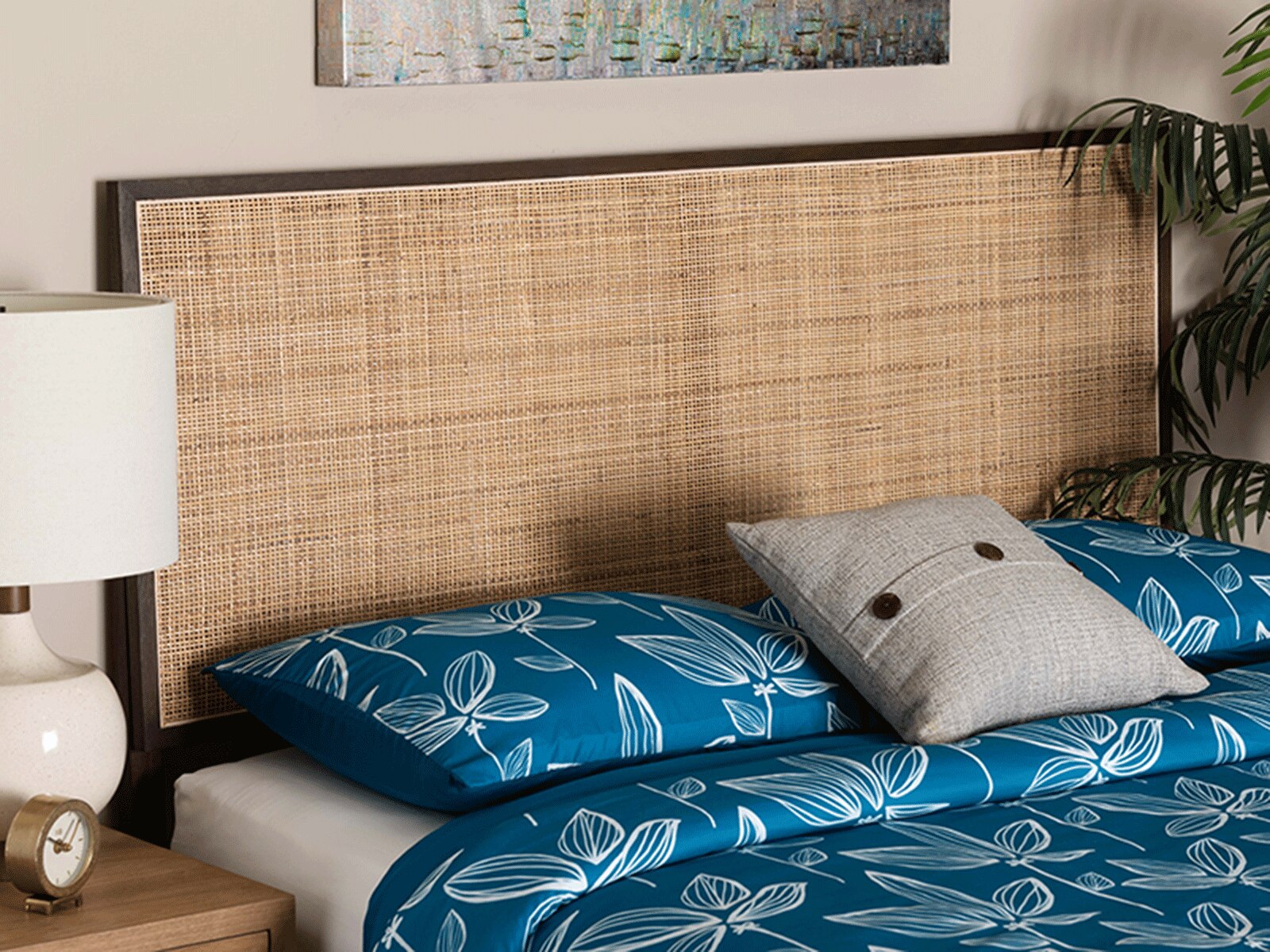
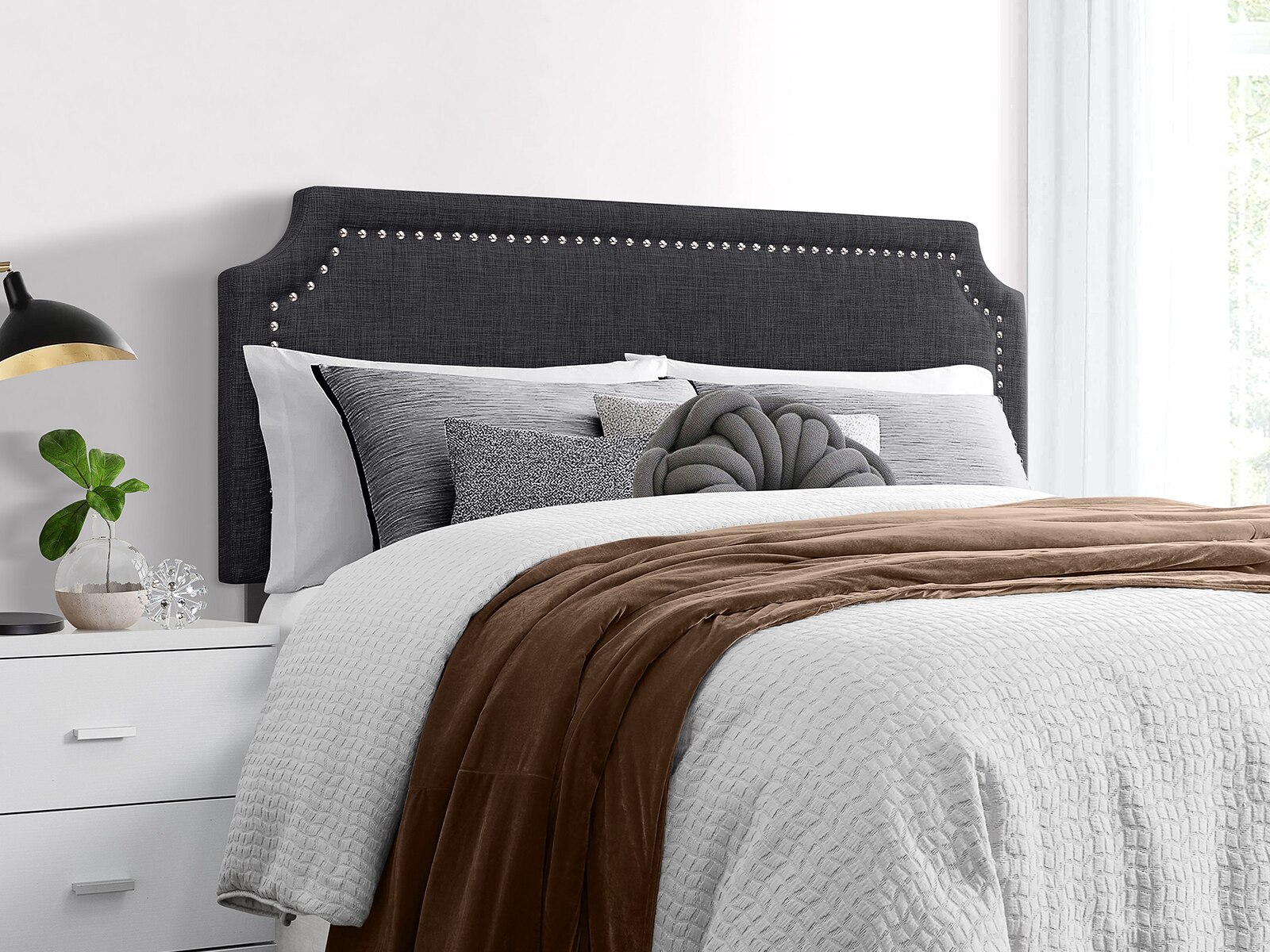
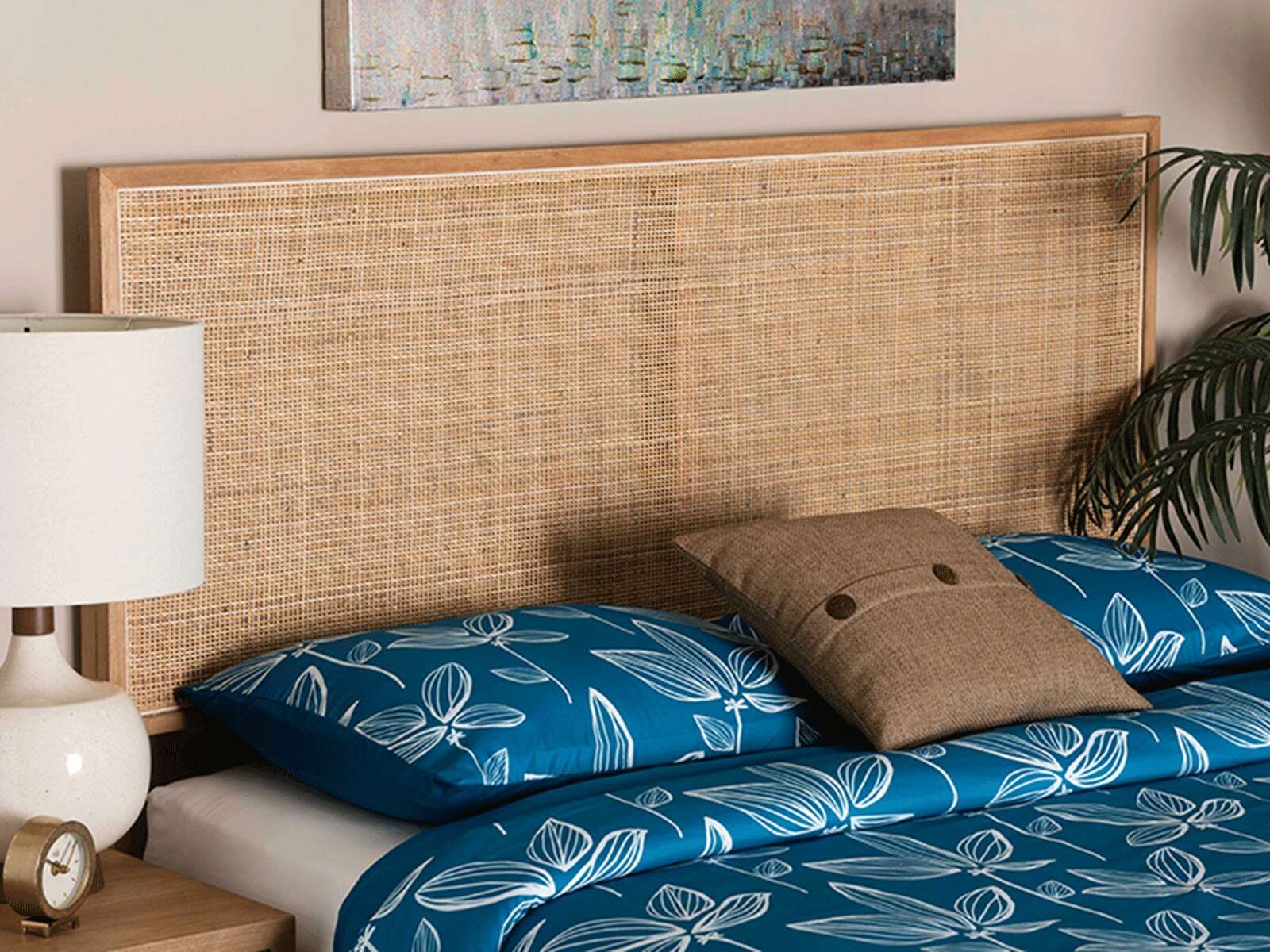
Material and finish have a strong influence on how floor-standing headboards feel in a room and how they hold up to everyday use. Wood brings visible grain and a defined outline, with finishes that can complement an existing dresser without needing to match it exactly. A light wood finish can keep a broad panel from feeling visually heavy, while a darker finish creates a stronger contrast against pale bedding. Solid wood may show natural variations in grain and color; engineered wood can provide a consistent surface beneath a veneer, laminate or painted finish. Construction quality, edge finishing and secure joints matter alongside the material description. Metal offers another distinct look, from slim vertical bars that leave more of the wall visible to broader geometric patterns with a more architectural presence. Smooth welds, well-finished edges and a protective coating are useful details to consider, especially where pillows and bedding touch the frame. Upholstered headboards soften the outline of the bed and provide a padded surface behind pillows for reading or watching a favorite show. The feel depends on both the fabric and the cushioning beneath it: a tightly woven textile, a textured weave and a brushed fabric can each bring a different character to the same basic shape. Deep tufting creates dimension but also adds creases where dust may settle, while a smooth panel presents a simpler surface for routine care. Fabric color has practical implications, too. Pale upholstery can make a small room feel less crowded, though marks may be more noticeable; darker fabric can show lint or light-colored pet hair. A material described as stain-resistant still needs care suited to its specific fabric and finish. Rounded corners, winged sides and decorative trim also change the way a headboard occupies space. Wings can make the bed feel more enclosed, but their depth needs to work with nearby nightstands and the path beside the mattress.

Everyday habits help determine which floor-standing headboard feels most at home. Someone who sits up with a book before turning out the light may appreciate generous upholstery extending above the pillows, while someone who prefers a spare bedroom setting may favor a smooth wood panel or an open metal design. Padding can make contact more comfortable, but pillows still provide the support needed for an upright resting position. In a shared bedroom, the headboard can bring together different bedding preferences through a neutral fabric or a finish that relates to both sides of the room. In a guest bedroom, a straightforward shape with accessible surfaces can make cleaning and linen changes easier. Durability comes from the whole assembly, not just the visible panel. Secure connections, appropriate fasteners and a stable relationship between the headboard, frame and floor help limit unwanted movement. A floor-standing design should not be expected to correct a damaged or unstable bed frame, and a thick carpet does not replace the attachments specified by the manufacturer. Assembly requirements are worth reviewing before the headboard reaches the bedroom, particularly for a wide or heavy design that may need two people to position safely. Once installed, routine care is usually modest but material-specific. Upholstery may benefit from gentle vacuuming with an appropriate attachment, including along seams and tufted areas, when permitted by its care instructions. Spills are best addressed promptly using the recommended method rather than saturating the fabric or scrubbing the surface. Wood and metal generally need a soft cloth and a cleaner suited to the finish; abrasive pads and excess moisture can cause damage. Direct sunlight may gradually alter some fabrics and finishes, making placement another consideration for long-term appearance. Following hardware inspection and tightening guidance can also help preserve stability. With thoughtful proportions, compatible mounting and manageable upkeep, a floor-standing headboard becomes a lasting part of the room rather than simply a decorative panel behind the pillows.
Tap into more savings! Text MATTRESS to 766693 to get text alerts for online exclusives & more. Text STOP to cancel. Msg & data rates may apply.
View our privacy policy