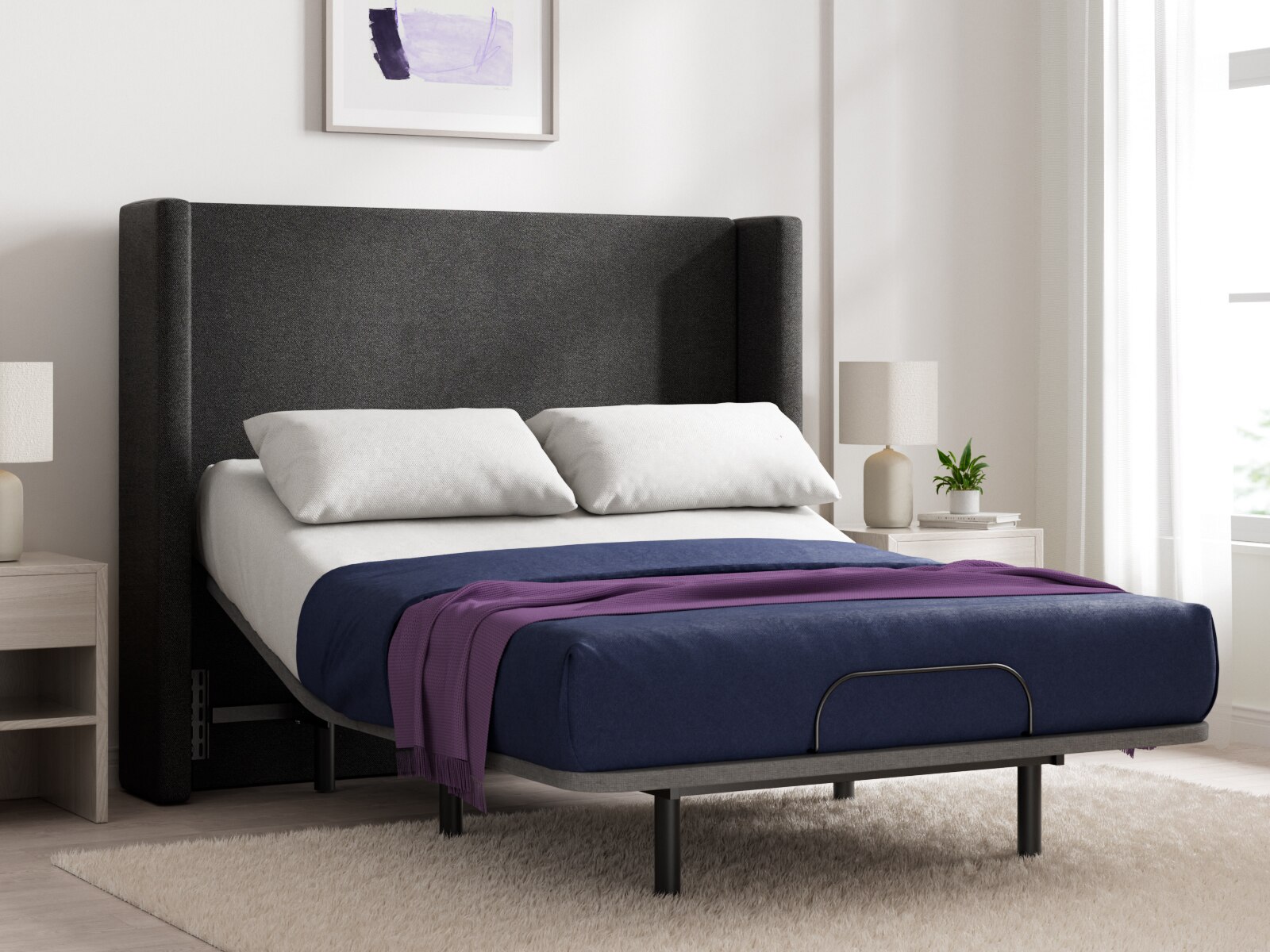
Foam cushioned headboards combine a padded interior with an upholstered surface to create a softer backdrop behind the bed. They can provide a comfortable place to lean while reading, watching a movie or settling in with a pillow behind the shoulders, while also giving the bedroom a more finished look. Unlike an exposed wood or metal headboard, the upholstered face places fabric and cushioning between the body and the underlying structure. That padding does not replace a supportive pillow, but it can make incidental contact feel gentler and help turn the bed into a comfortable spot for time spent awake. Construction commonly includes a wood or engineered wood backing, a layer of foam and an outer upholstery cover, sometimes with batting between the foam and fabric for a smoother finish. The feel depends on more than visible thickness: foam firmness, density and the way the padding is attached all influence how the surface responds to pressure. A generously padded panel may have a plush feel, while a slimmer design can offer a more tailored appearance with a firmer surface. Upholstery adds another layer of character. Tightly woven fabrics can look understated and feel smooth, while textured weaves bring depth to a simple room. Velvet offers a soft surface with a noticeable nap, and some synthetic leather coverings provide a smooth finish with care requirements that differ from woven textiles. Tufting, vertical channels, stitched borders and rounded corners change the appearance without changing the headboard’s basic purpose. A broad, plain panel lets patterned bedding take the lead; a deeply channeled design can become the room’s main visual feature. Neutral shades such as ivory, taupe and gray work with a range of bedding, while navy or charcoal can create a stronger contrast. For someone furnishing a first apartment, refreshing a guest room or making a shared bedroom feel more cohesive, a padded headboard brings texture and a defined focal point without requiring an entirely new bedroom arrangement.
The right fit for a foam cushioned headboard depends on the bed’s dimensions, the attachment method and the space around it. Mattress size is a useful starting point, but a size label alone does not establish compatibility with every frame. Headboard width, mounting-hole spacing, leg placement and the hardware specified by the manufacturer all affect how the pieces connect. A frame-mounted headboard attaches to a compatible bed frame, while a wall-mounted design relies on suitable hardware and secure attachment to the wall. Designs intended to stand independently have their own installation requirements and should not be assumed to work like either type. A queen headboard may sit close to the mattress width or extend beyond it, and that extra width can matter when nightstands, outlets or a nearby door occupy the same wall. Twin XL and California King beds also call for careful attention to stated dimensions rather than assumptions based on similar size names. Height makes an equally noticeable difference. A thick mattress and foundation can cover much of a shorter upholstered panel, leaving less cushioning visible above the pillows. A taller headboard may provide a more substantial backdrop, but its proportions should work with windows, artwork and the ceiling height. For a reader who sits upright with several pillows, the useful padded area is the section above the assembled mattress, not the full height measured from the floor. Attachment points and any height adjustments need to match that setup. Adjustable bases require additional attention to manufacturer-approved compatibility and clearance as the mattress moves; padding alone does not make a headboard suitable for every base. In a compact room, the headboard’s depth also counts because it can shift the bed farther from the wall. Secure installation helps limit unwanted movement during normal use, though an upholstered headboard is not a substitute for the frame or foundation that supports the mattress. These details help distinguish a headboard that simply looks right from one that works comfortably with the bed and room.
Everyday care and construction quality shape how an upholstered headboard holds up over time. The top edge, corners and area behind the pillows often receive the most contact, so fabric texture, seam quality and the stability of the underlying structure deserve attention alongside the cushioning. Foam density can influence resilience, but density and firmness are not the same thing, and a thicker panel is not automatically more durable. Well-secured upholstery, neatly finished seams and sound connections between the backing and supports all contribute to lasting performance. In a bedroom shared with pets, a pronounced weave may catch claws more easily than a smoother surface, while a pale fabric may show marks from hair products or frequent contact more readily than a darker shade. No upholstery should be assumed to resist stains or scratching unless its product details specifically support that claim. Routine care generally begins with the manufacturer’s instructions, which may call for gentle vacuuming with an upholstery attachment or cleaning with a suitable dry cloth. Fabric cleaning codes matter: some coverings tolerate approved water-based treatments, others require solvent-based care and some should only be vacuumed or professionally cleaned. Excess moisture can reach the foam or backing, so soaking the surface is not a sensible shortcut. Removable covers should be washed only when they are explicitly designed for it. Keeping pillows between the headboard and the person leaning against it can reduce direct contact with hair and skin products without changing the look of the room. If separate padding is also part of the bedroom setup,
Foam Cushion for Bed is a related category to explore, with its own intended placement, dimensions and care requirements. A securely fitted headboard with suitable upholstery and comfortable cushioning can serve everyday readers, overnight guests and anyone who enjoys a softer surface behind the pillows, while keeping the bed’s appearance cohesive with the rest of the room.