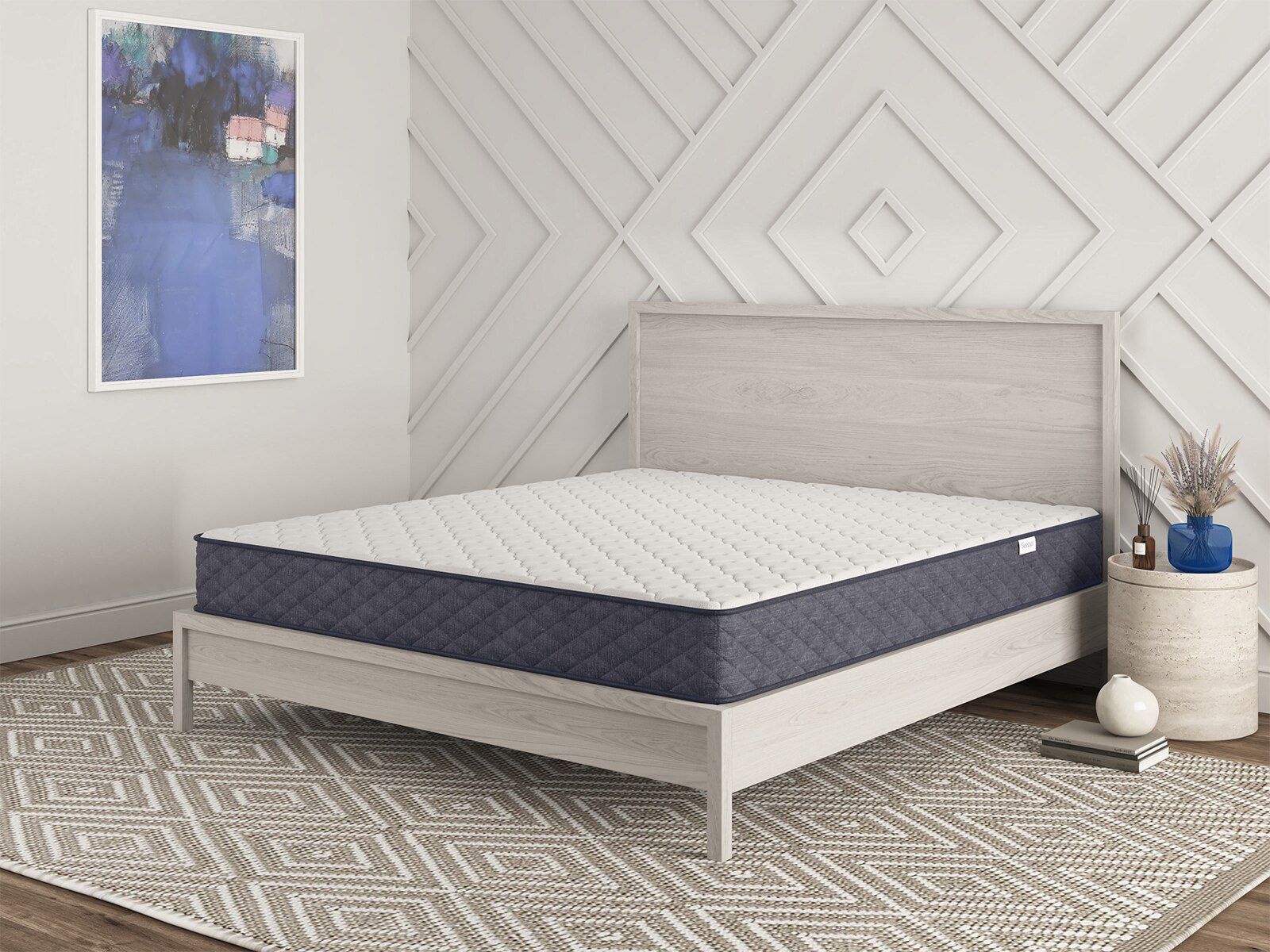
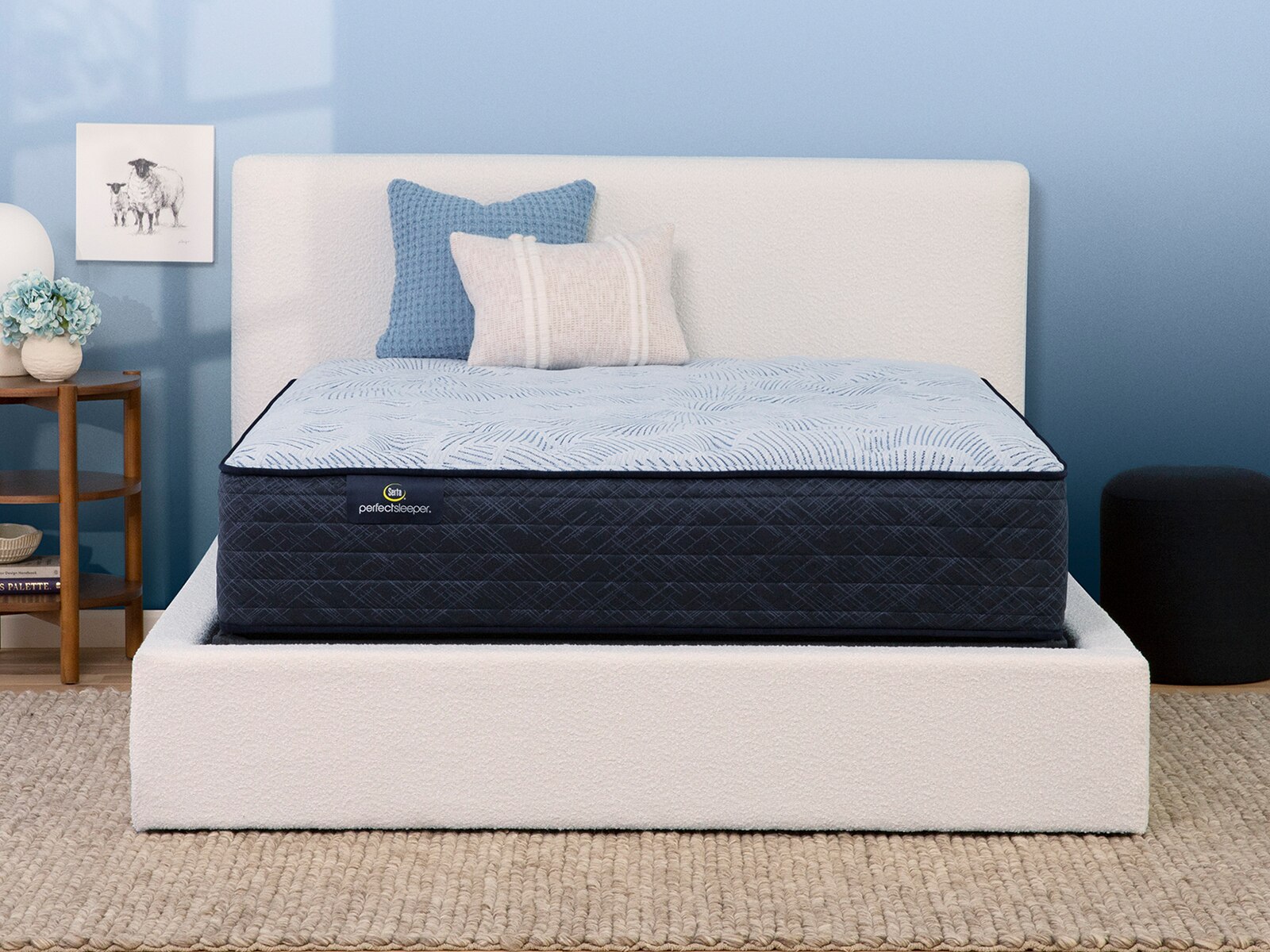
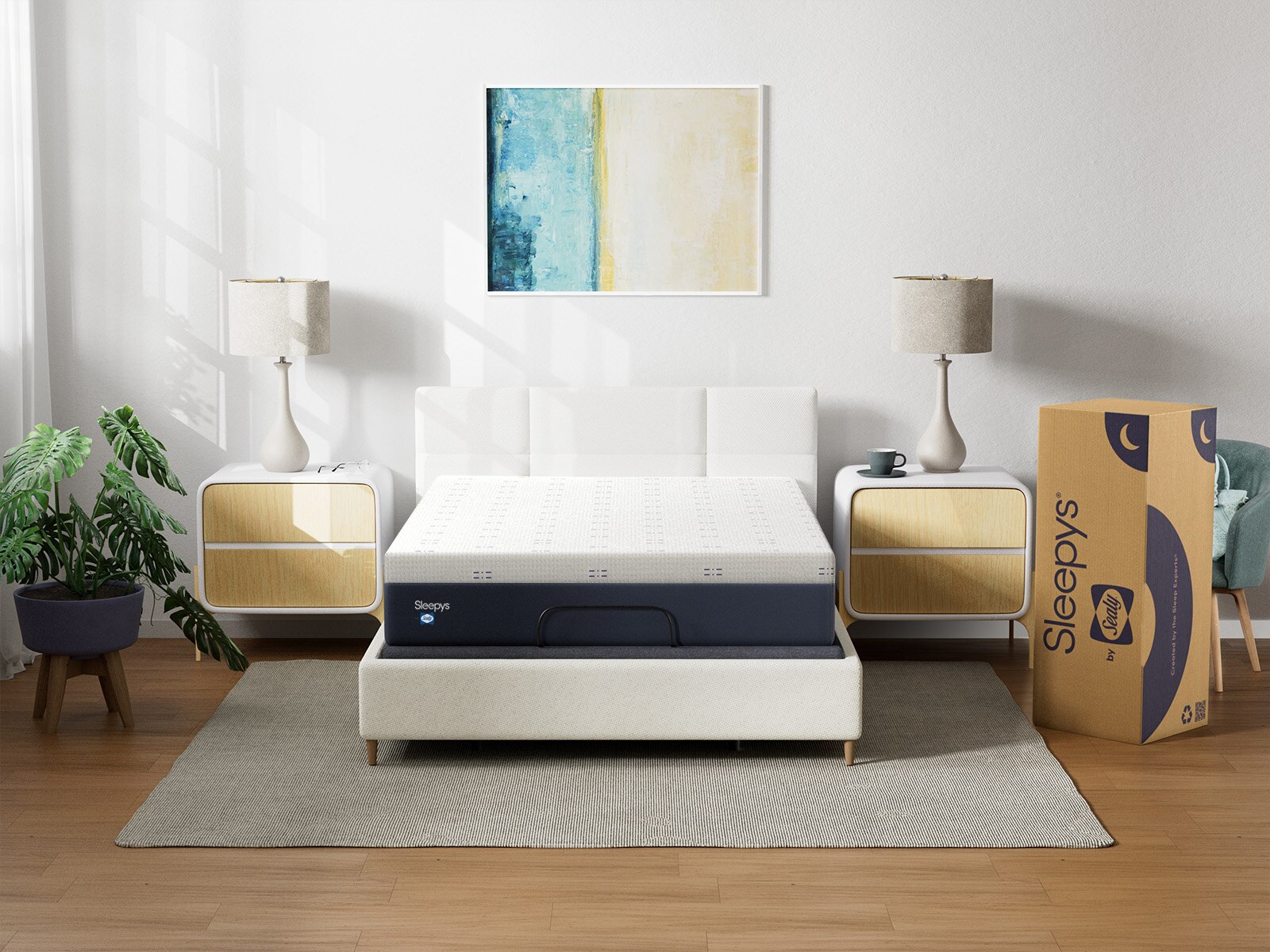
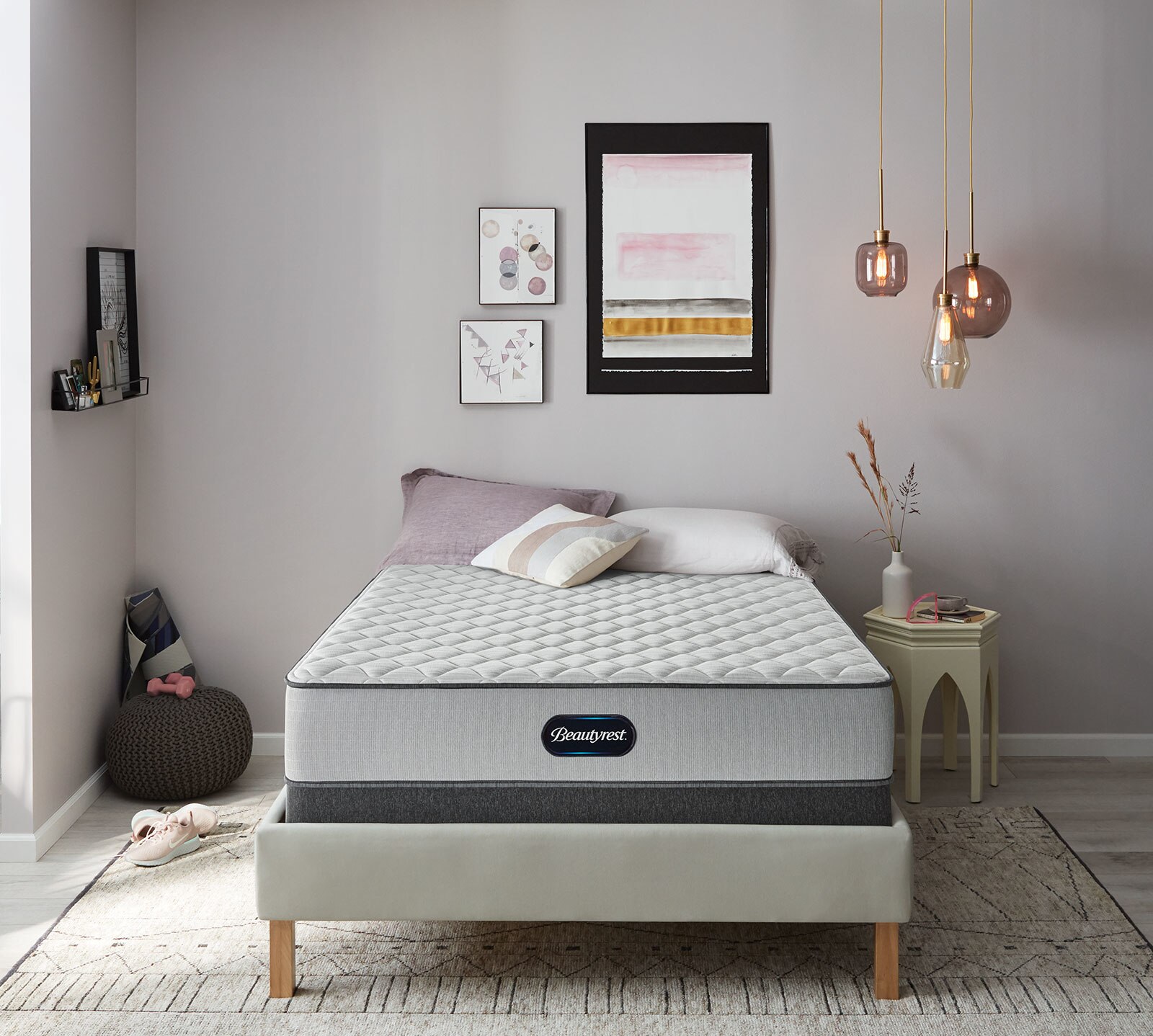
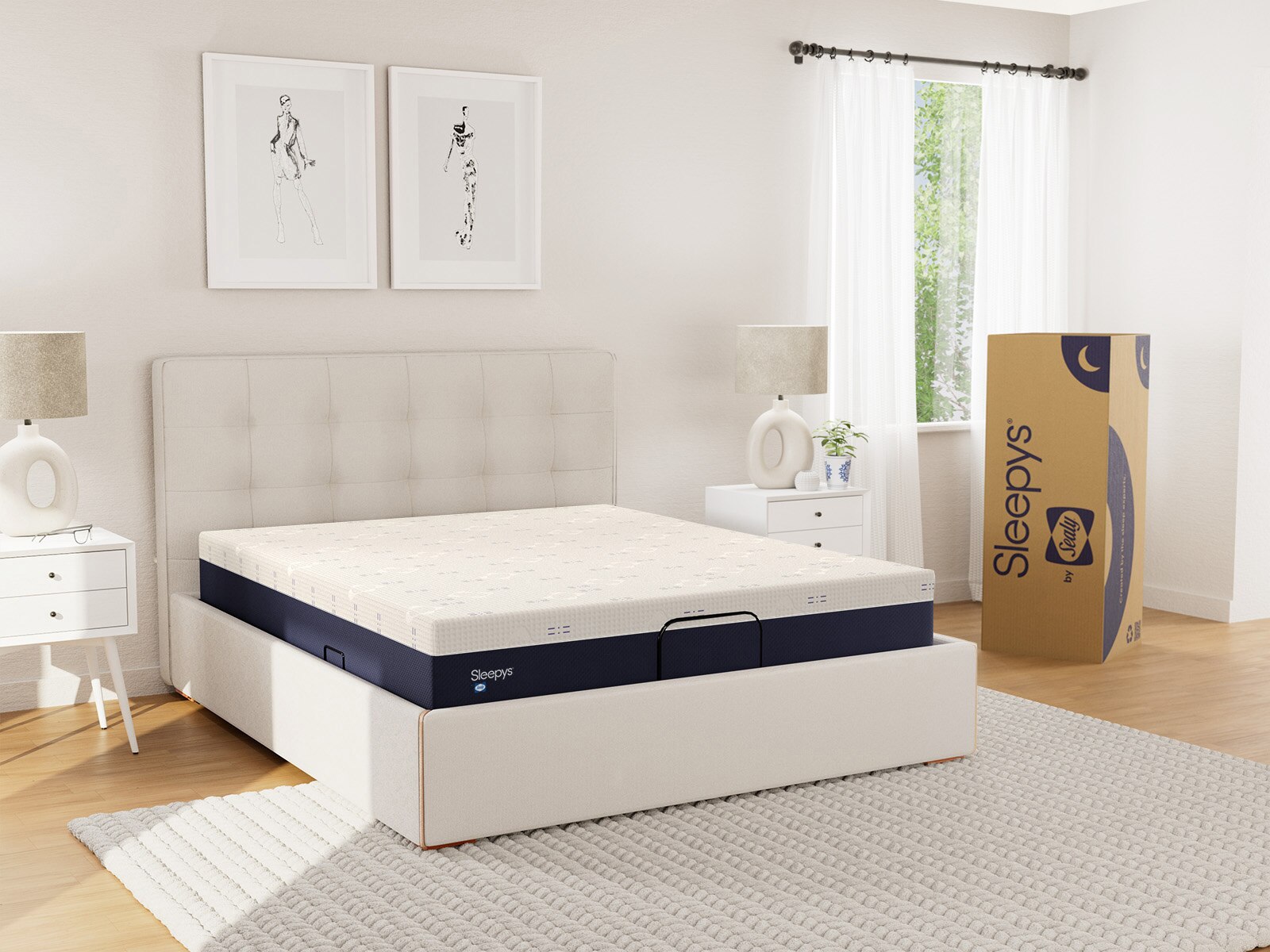
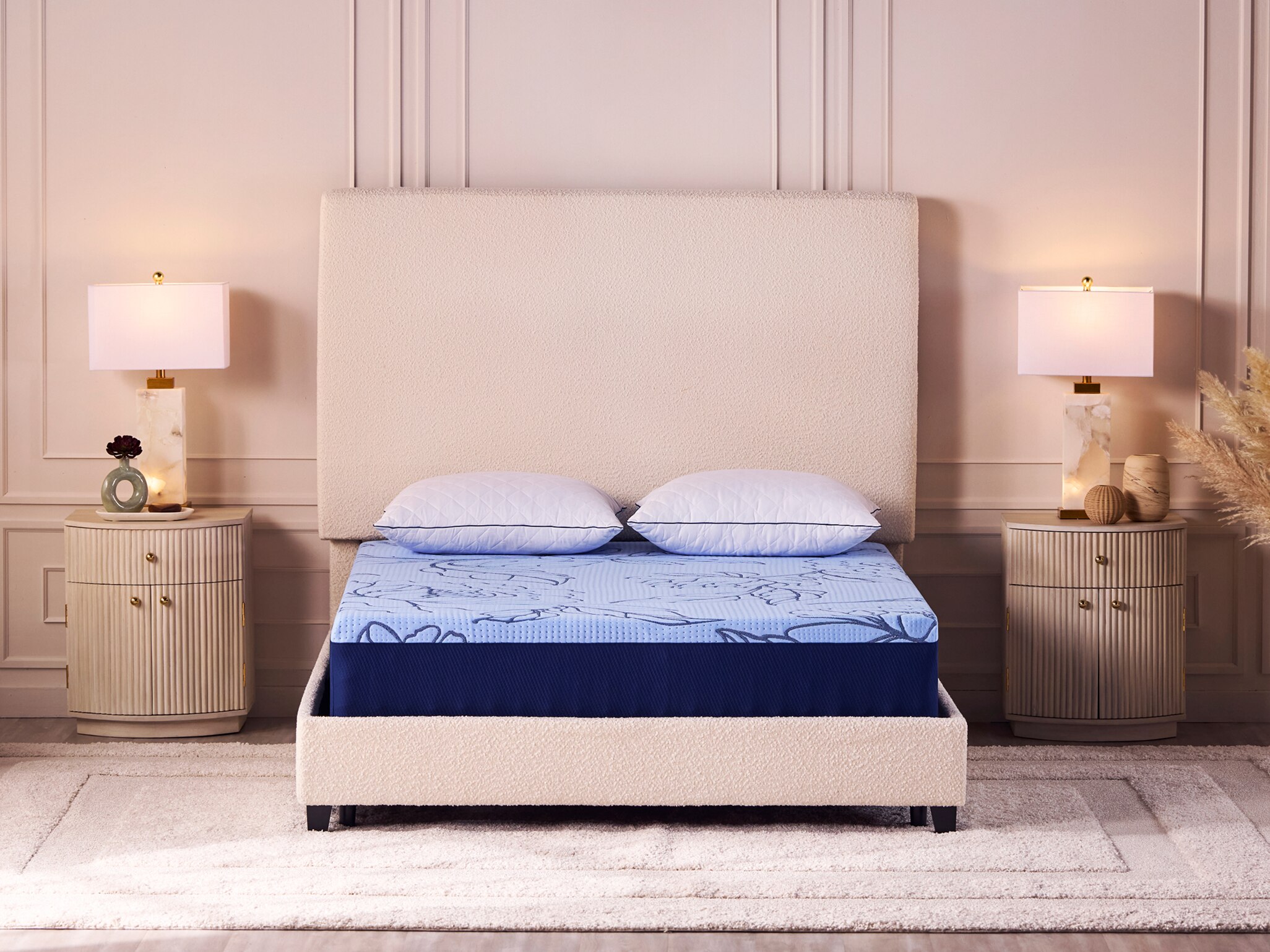
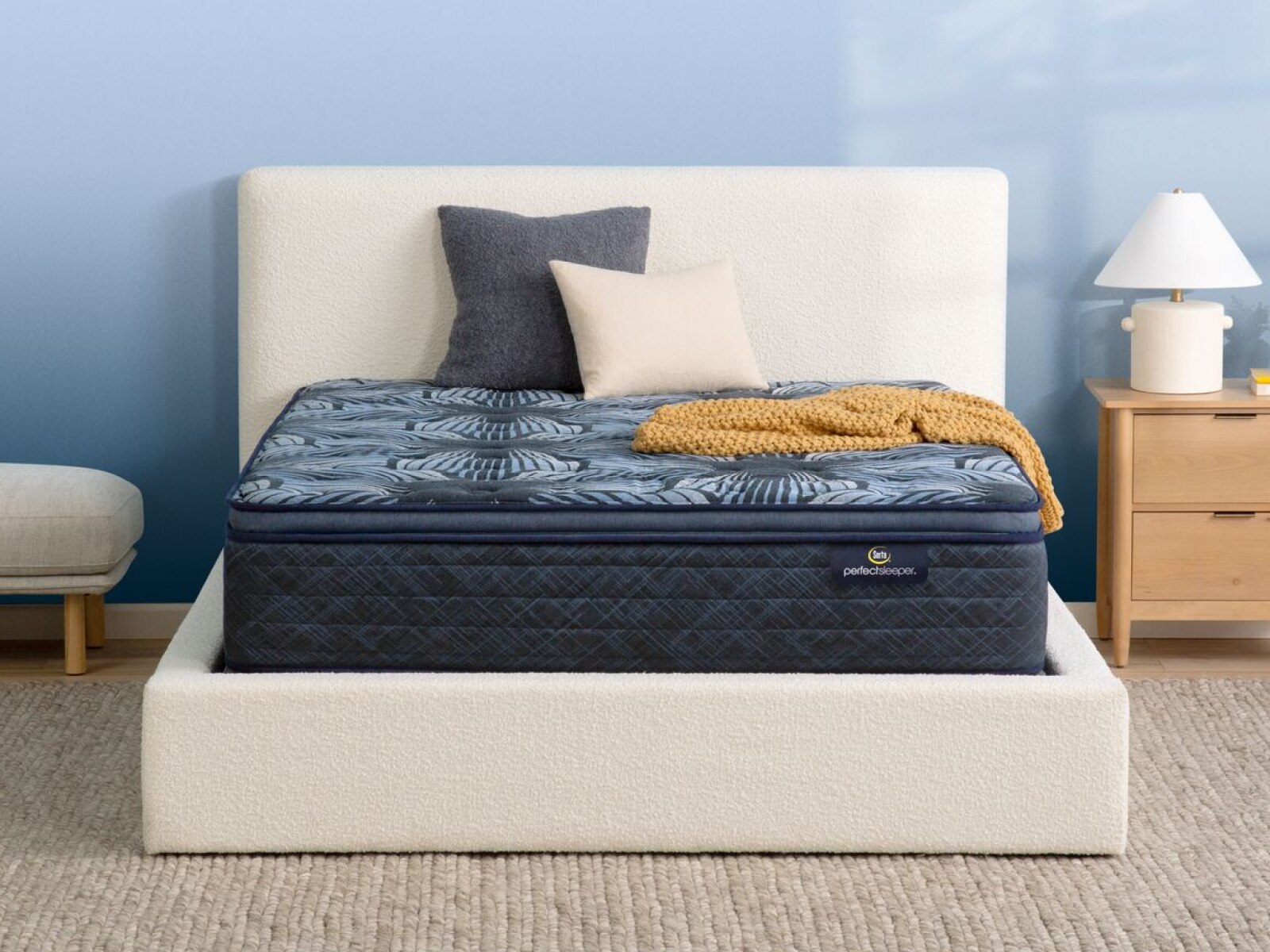
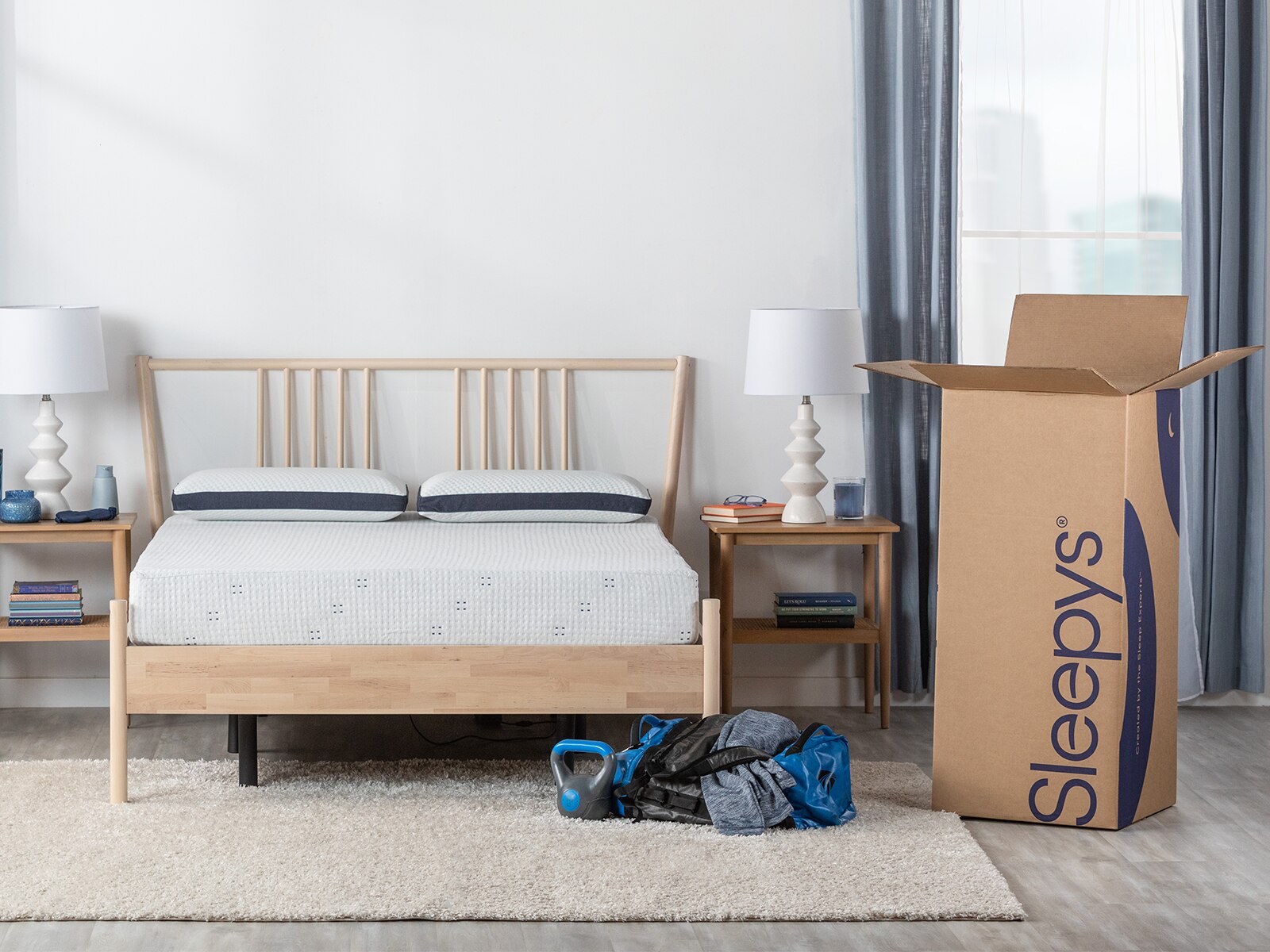
Full lumbar support mattresses are full-size mattresses designed to provide targeted reinforcement around the lower back, often through zoned coils, supportive foam sections or a combination of both. A standard full mattress measures approximately 54 inches wide by 75 inches long, making it a practical choice for a single sleeper who wants more room than a twin without the larger footprint of a queen. The lumbar region is the inward curve of the lower spine, and mattress support in this area helps limit excessive sinking around the waist and pelvis. That support works alongside cushioning rather than replacing it: the shoulders and hips still need enough give to settle comfortably into the surface. In some designs, firmer coils reinforce the middle portion of the mattress while surrounding sections respond differently to the shoulders and legs. Others use a dedicated foam band or layered construction to create a more supported feel beneath the lower back. The important distinction is that support and firmness are not the same thing. A mattress can have a gently cushioned surface and a stable core, while a very firm surface may feel uncomfortable without providing the right fit for a particular body. Back sleepers often appreciate a surface that supports the natural curve of the lower back without allowing the hips to dip too deeply. Side sleepers generally need more cushioning at the shoulder and hip, with enough underlying stability to keep the waist from sagging. Stomach sleepers may prefer a flatter, firmer feel that limits sinking through the midsection. For someone who changes positions throughout the night, responsive materials can make turning easier while maintaining a consistent feeling of support. Body weight and proportions also affect how these features feel, so a firmness description alone cannot predict comfort. Two people lying on the same mattress may notice very different levels of cushioning, especially if one carries more weight through the hips or has broader shoulders.
The materials inside a full lumbar support mattress shape its comfort, movement and everyday usability. Memory foam typically contours gradually around the body, helping distribute contact across areas such as the shoulders, hips and lower back. More responsive foams recover their shape faster, which may appeal to sleepers who dislike feeling deeply cradled. Latex can offer a buoyant feel, while hybrid construction combines comfort layers with a coil support system. Individually wrapped coils can respond more locally to movement than connected spring systems, though overall performance depends on the complete construction. For a person who reads in bed before settling onto their side, the balance between surface cushioning and underlying support may be more noticeable than the material name itself. Edge support is another useful consideration, particularly on a full mattress where every inch of usable surface matters. A reinforced perimeter can make sitting to put on socks feel steadier and help the sides feel more consistent with the center. Full-size dimensions work well in many smaller bedrooms, guest rooms and rooms for growing teens, but room fit and sleeper fit deserve separate attention. A mattress that fits neatly between a dresser and a nightstand still needs to accommodate the person sleeping on it. At 75 inches long, a full may feel short for taller adults, especially those who stretch out fully or use several pillows. Its width can also feel restrictive for two adults sharing the surface regularly. For a wider, longer alternative,
Lumbar Support Queen Mattresses offer a standard footprint of approximately 60 inches by 80 inches. Measuring the bed frame, walking space and access route helps put those differences into perspective. Mattress height matters, too: a thicker mattress paired with a tall foundation can make getting into bed less comfortable, while deeper comfort layers may require fitted sheets with a larger pocket depth.
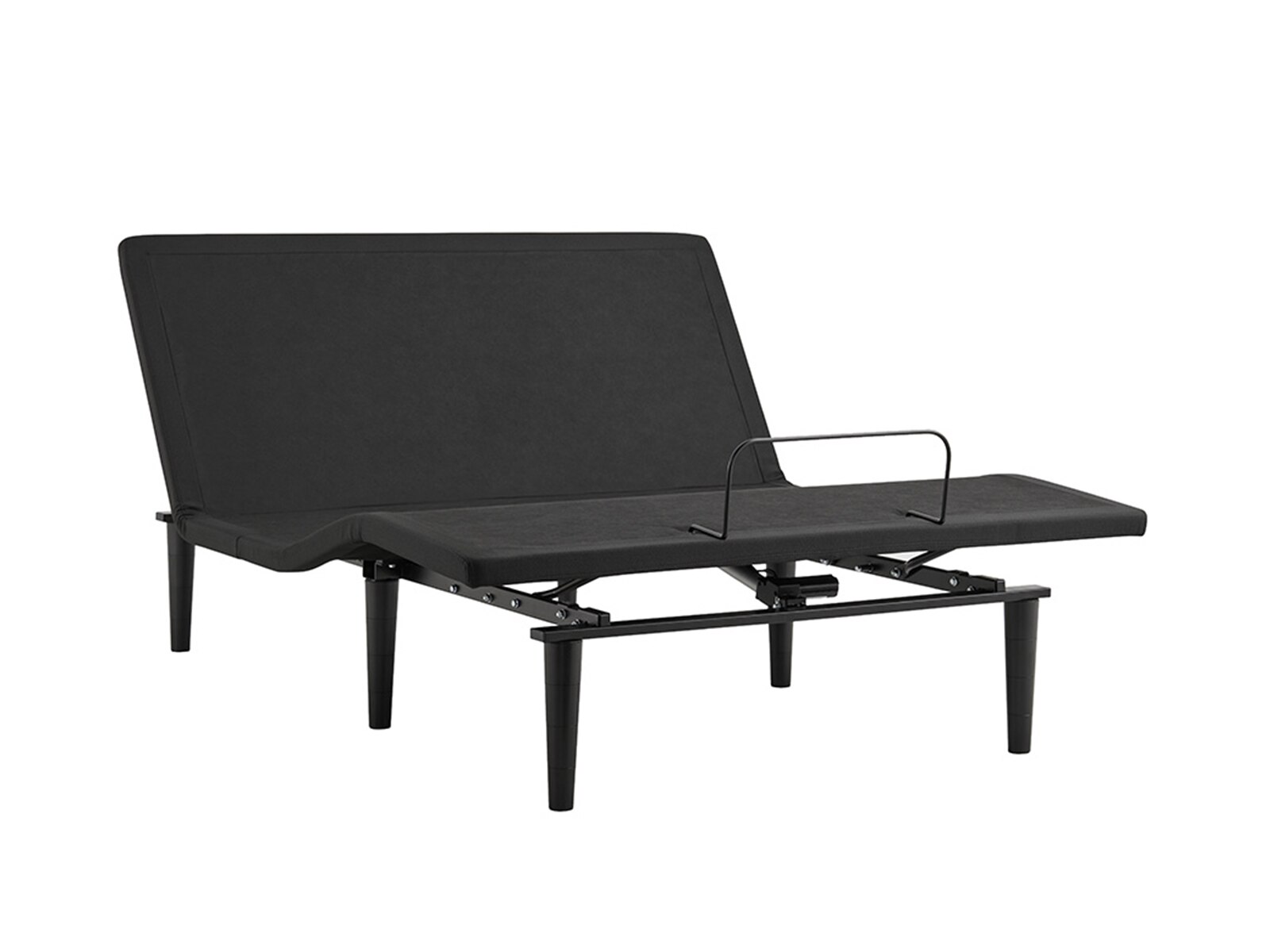
Long-term comfort depends on how the mattress is supported and cared for as well as how it feels at first. A full lumbar support mattress needs a foundation or platform that meets its manufacturer's requirements; widely spaced slats, a damaged frame or an uneven base can affect performance. Compatibility with an adjustable base should be confirmed rather than assumed, since construction and flexibility vary. A washable mattress protector helps keep perspiration and everyday spills away from the cover, while regular laundering of bedding keeps the sleep surface fresh. Cleaning methods should follow the care label, especially when a cover is not designed to be removed. Saturating foam or using harsh cleaning products can damage materials, so careful spot cleaning is often more appropriate when permitted by the manufacturer. Rotation may help distribute wear if recommended, but a one-sided mattress should not be flipped unless its instructions specifically allow it. Durability comes from the complete construction, including the quality of the support core, comfort layers and perimeter, rather than thickness alone. Over time, a shallow body impression can feel different from a lasting dip that changes how the hips and back are supported. Using the mattress on a suitable base and following its care instructions helps preserve its intended performance. Comfort is also easier to assess in a familiar sleeping position than from a quick sit on the edge. Lying on the back can reveal whether the pelvis feels level and the lower back comfortably supported; lying on the side can reveal pressure at the shoulder or a feeling that the waist is dropping. A pillow with suitable height helps complete that alignment, since a mattress cannot compensate for a head and neck held too high or too low. Targeted lumbar support is a comfort feature, not a treatment for a medical condition, and persistent back pain deserves attention from a healthcare professional. For everyday rest, the strongest match is a full mattress that balances lower-back reinforcement, comfortable pressure relief and enough space to settle naturally.