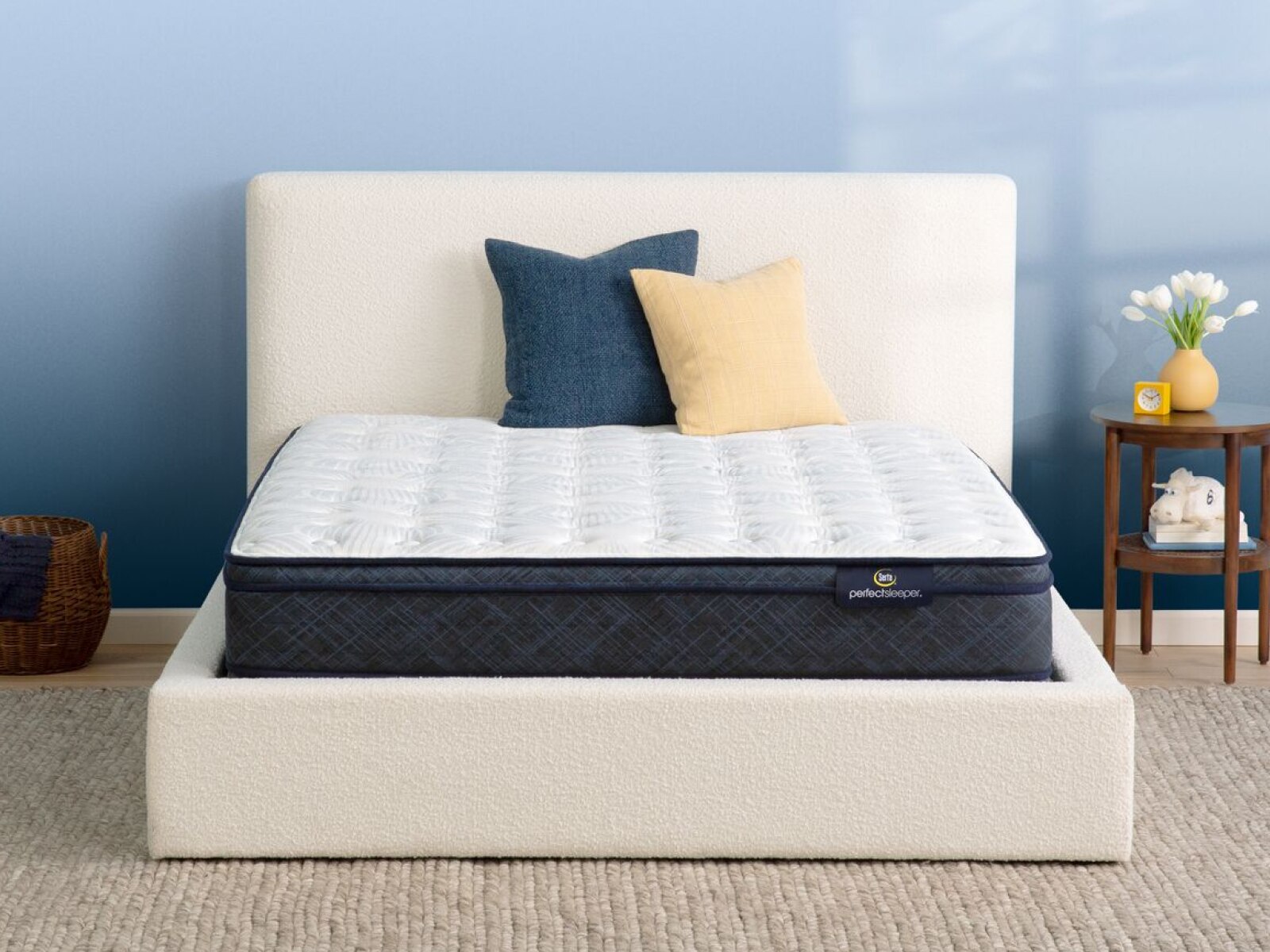
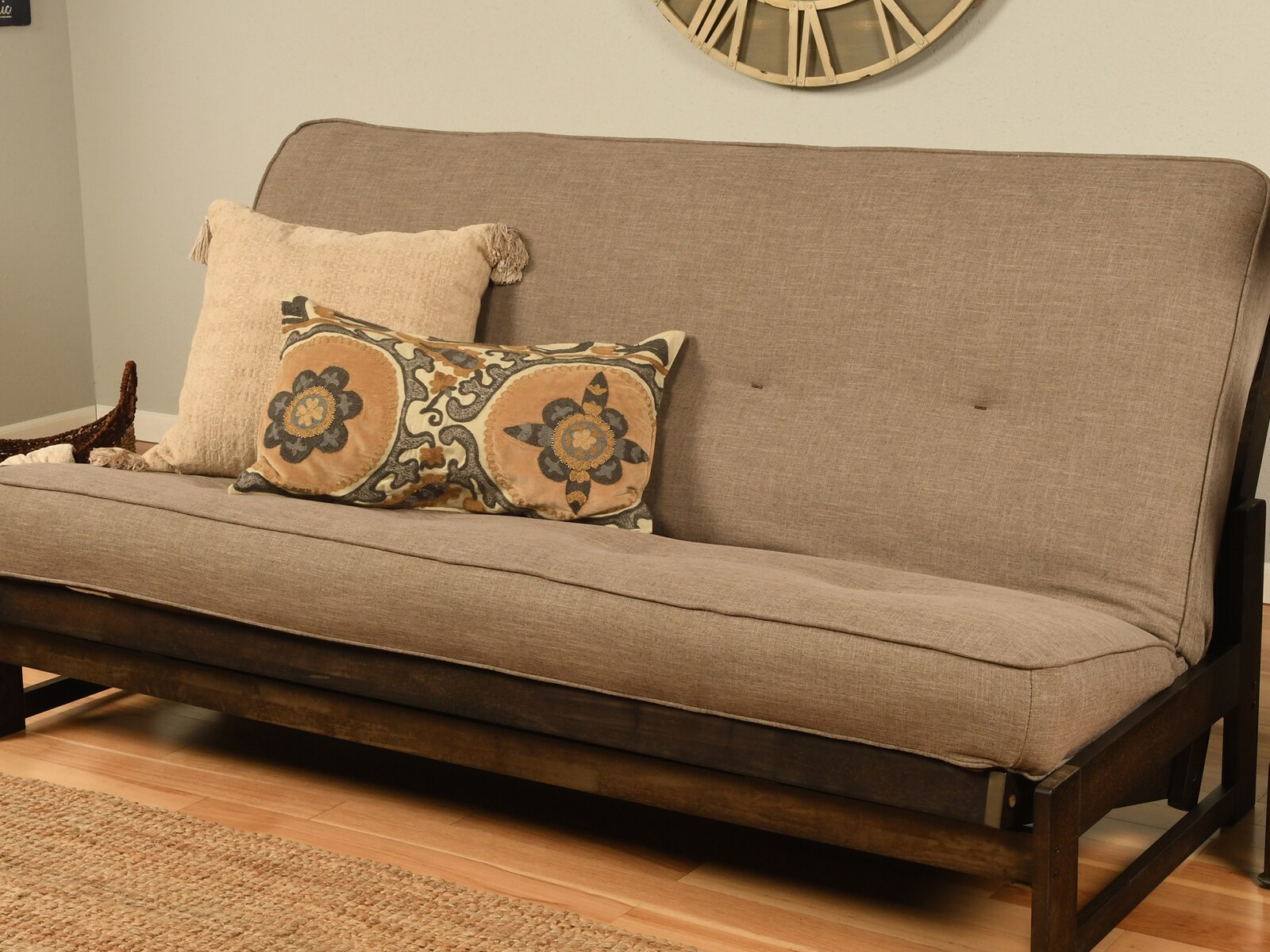
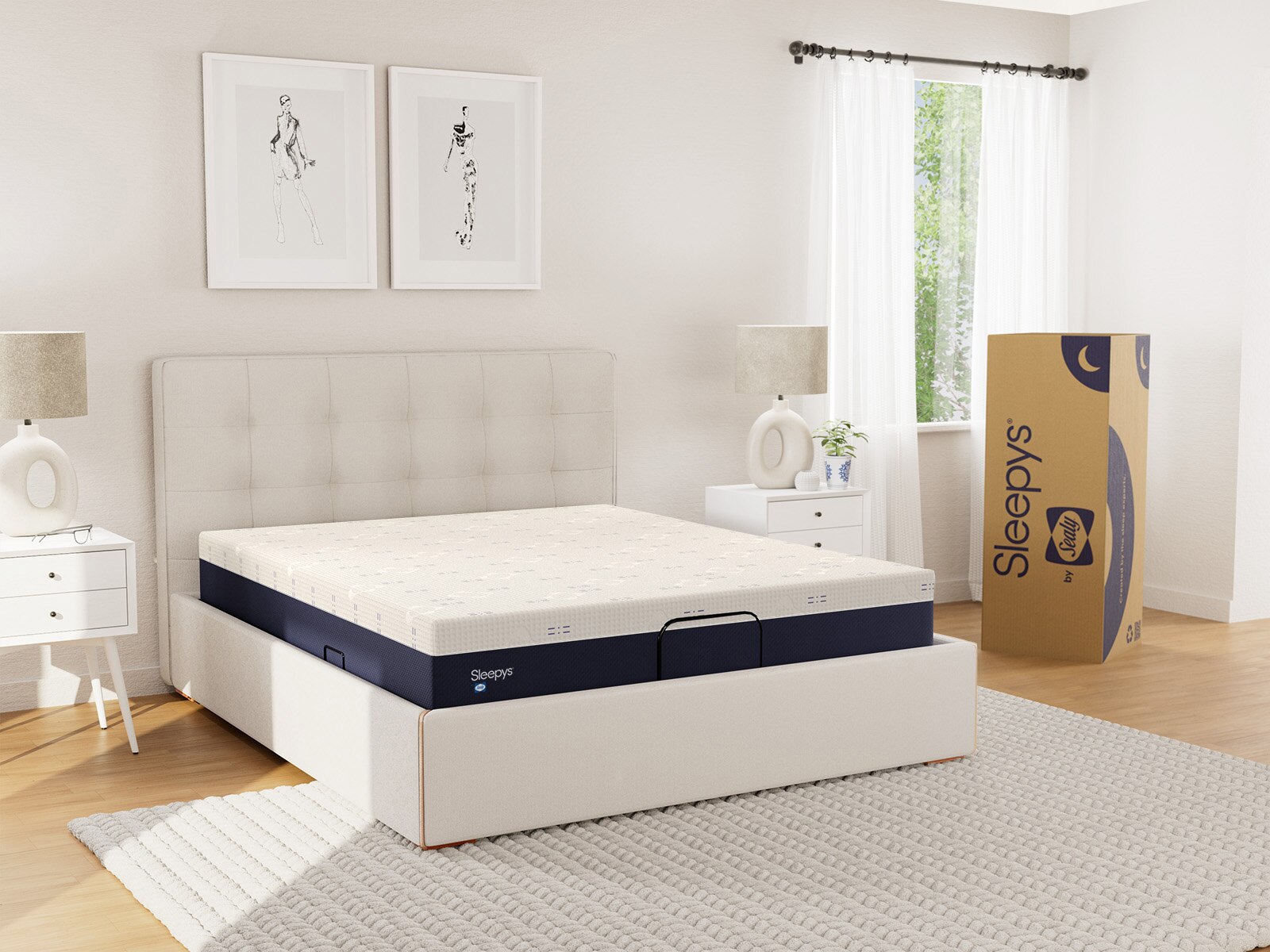
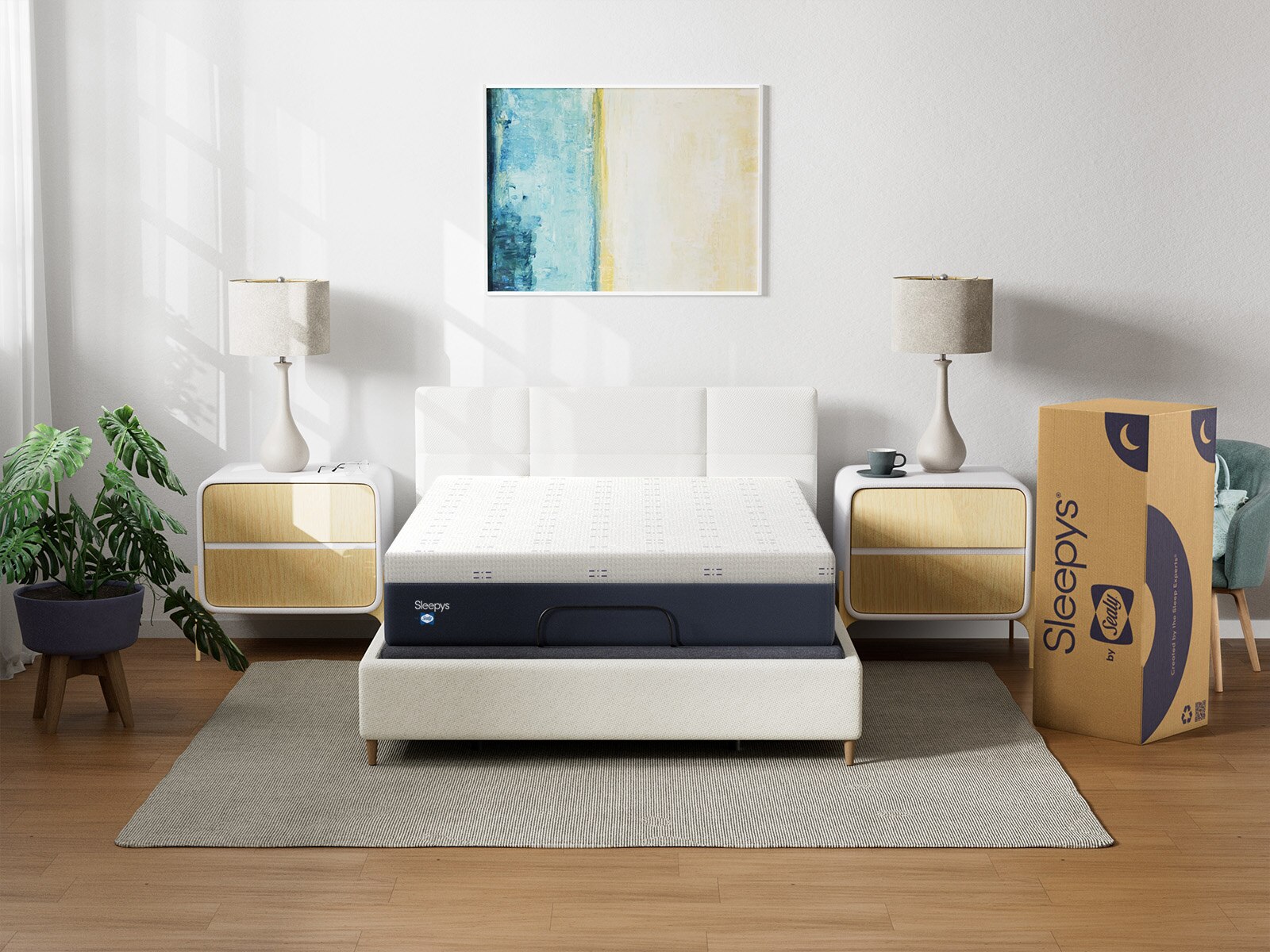
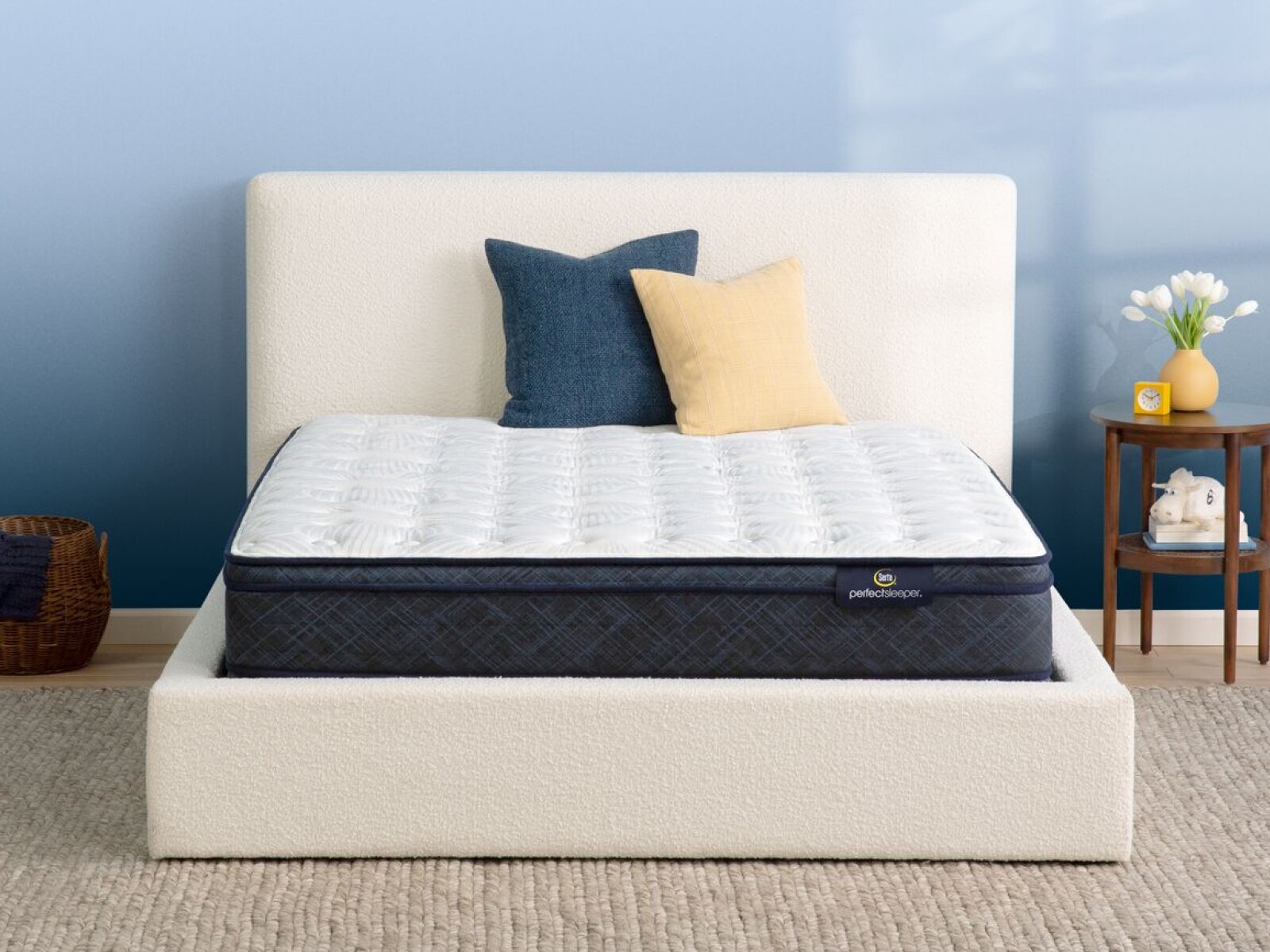
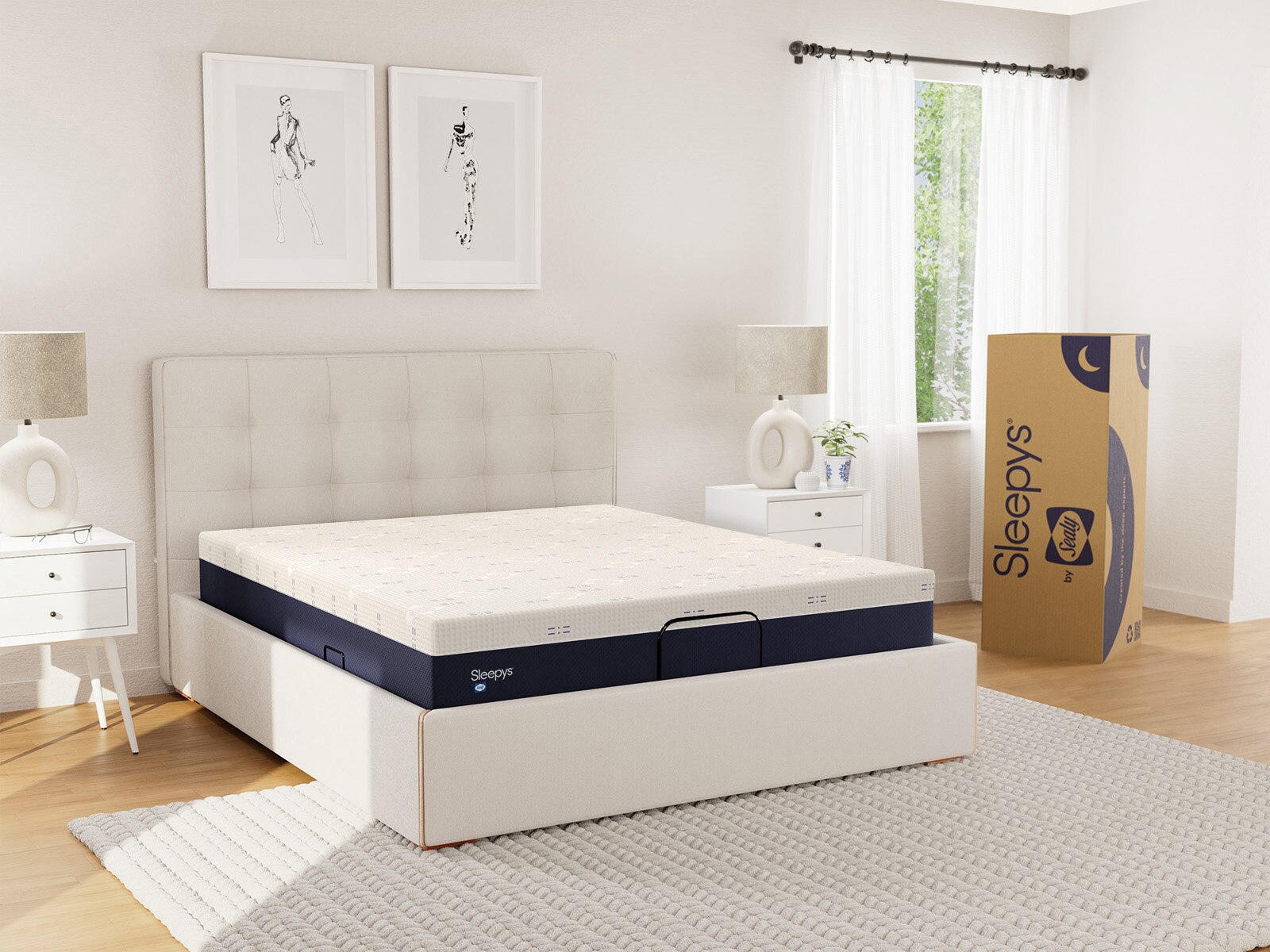
Full size futon mattresses for autumn bring comfort and flexibility to rooms that serve more than one purpose, from a home office that welcomes overnight visitors to a den made for reading under a soft throw. A standard full size futon mattress measures approximately 54 inches wide by 75 inches long when laid flat, providing a familiar full size sleeping surface without requiring a separate guest bed. Actual dimensions can vary slightly, so the mattress measurements and frame specifications should agree before the two are paired. With
Full Futon Mattresses, comfort depends on more than the sleeping dimensions: the mattress also needs to bend correctly, stay supported and feel comfortable when the frame is upright. A bifold frame folds the mattress once along its length, while a trifold frame requires a different folding pattern; not every mattress is designed for both. The frame’s recommended mattress thickness, folding mechanism and support structure all matter. A thicker mattress may feel substantial when flat but resist folding or crowd the seat when upright. Room layout deserves the same attention. Allow space for the frame to open fully without blocking a doorway, pressing against a desk or catching the edge of a rug. In a studio, that might mean leaving a clear path beside the extended mattress; in a guest room, it may mean moving a small table before bedtime. A full size surface offers generous space for one sleeper and can accommodate two people who are comfortable sharing a smaller bed, although sleep habits and body size influence how spacious it feels. Autumn-inspired bedding can give this practical setup a welcoming character without changing the mattress itself. A rust-colored throw, textured pillow covers or a quilt in warm neutrals creates a comfortable place to settle in, while bedding that is easy to remove keeps the transition from seating to sleeping straightforward.
The materials inside a futon mattress shape both its seated feel and its nighttime comfort. Cotton batting can create a cushioned, relatively firm surface, though repeated use may compress the fill and change its feel over time. Wool-containing constructions can help manage moisture and provide insulation, with performance depending on the amount of wool and the other materials surrounding it. Foam layers offer cushioning without the same feel as loose fiber fill. Memory foam generally contours gradually around the body, which may appeal to side sleepers seeking cushioning at the shoulders and hips, while other foams can feel more responsive when changing position. Latex often has a buoyant feel, but its firmness and flexibility vary by construction. Foam density and firmness are different characteristics: density describes how much material is present within a given volume, so a denser foam is not automatically firmer. Coil constructions can provide a springier feel, but only mattresses specifically designed for a folding futon frame should be used that way. An ordinary full size mattress should not be bent simply because its dimensions match the frame. For regular sleeping, a six- to eight-inch futon mattress is a common consideration, not a guarantee of comfort or compatibility. Internal construction, frame requirements and the sleeper’s preferences are more useful than thickness alone. Occasional guests may appreciate an easy-to-convert setup, while someone sleeping on a futon every night needs consistent support and cushioning suited to their usual sleep position. Side sleepers often prefer enough cushioning to soften contact at the hips and shoulders; back and stomach sleepers may favor a surface that does not let the midsection sink too deeply. Sitting comfort matters, too. A mattress that feels pleasantly soft when flat can feel different under the concentrated weight of a seated person. For a den used for long conversations or movie nights, a stable seat and a backrest that holds its shape can be just as important as the feel at bedtime.
Care and durability become especially important when a futon moves between everyday seating and overnight use. The mattress cover takes much of the contact from clothing, pets, snacks and bedding, making its care instructions worth understanding. A removable cover is convenient only when the manufacturer permits removal and specifies how it should be cleaned; a zipper alone does not mean the cover is washable. Washable covers should be cleaned and dried according to their labels, since shrinkage can affect fit and make the mattress harder to fold. For spot-cleanable upholstery, prompt blotting and a manufacturer-approved cleaning method are generally preferable to soaking the fabric. Let any cleaned area dry fully before replacing bedding or closing the frame. Moisture can collect beneath bedding or against a poorly ventilated support surface, so airflow and a dry room help protect the mattress. Follow the frame and mattress instructions for support rather than assuming any slatted base or floor placement will work. Rotation may help distribute wear when recommended, while flipping is appropriate only for a mattress designed to be used on both sides. Tufting, seams and reinforced edges can help hold the construction together, but lasting performance also depends on suitable support and careful handling. Avoid forcing a stiff mattress through the frame’s folding mechanism or trapping thick blankets in the fold. A fitted sheet sized for a full mattress should also match its depth; excess fabric can bunch beneath a sleeper or interfere with conversion. For autumn lounging and winter visits, warmth is easiest to adjust with removable layers, such as a breathable sheet and a quilt that can be folded back. Store guest pillows and bedding nearby so preparing the sleep surface does not require emptying a closet. If a futon mattress is intended as a housewarming gift or a practical addition to a student’s apartment, confirming the recipient’s frame dimensions, folding style and comfort preferences helps make it a useful part of the room rather than an awkward fit.