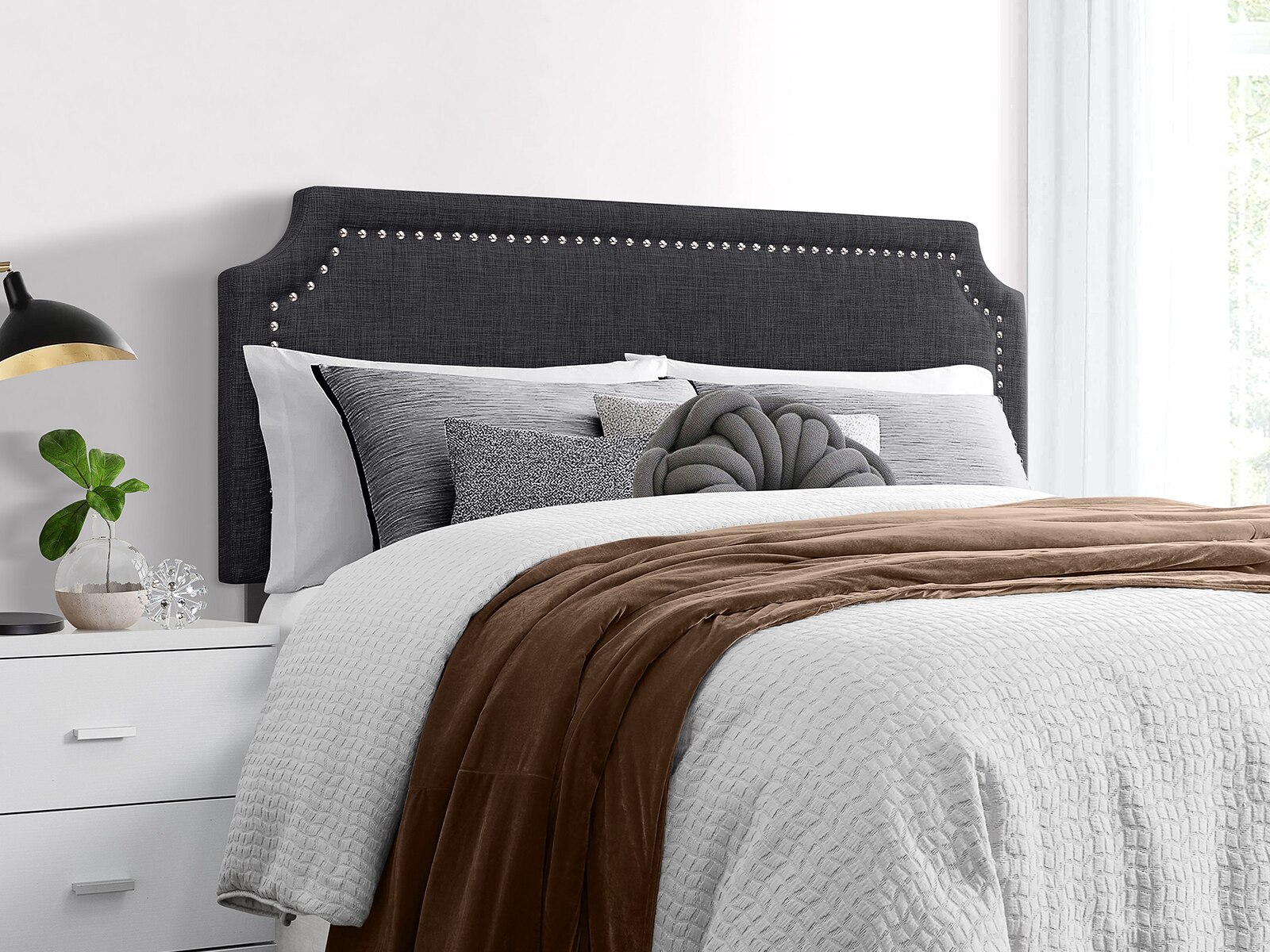
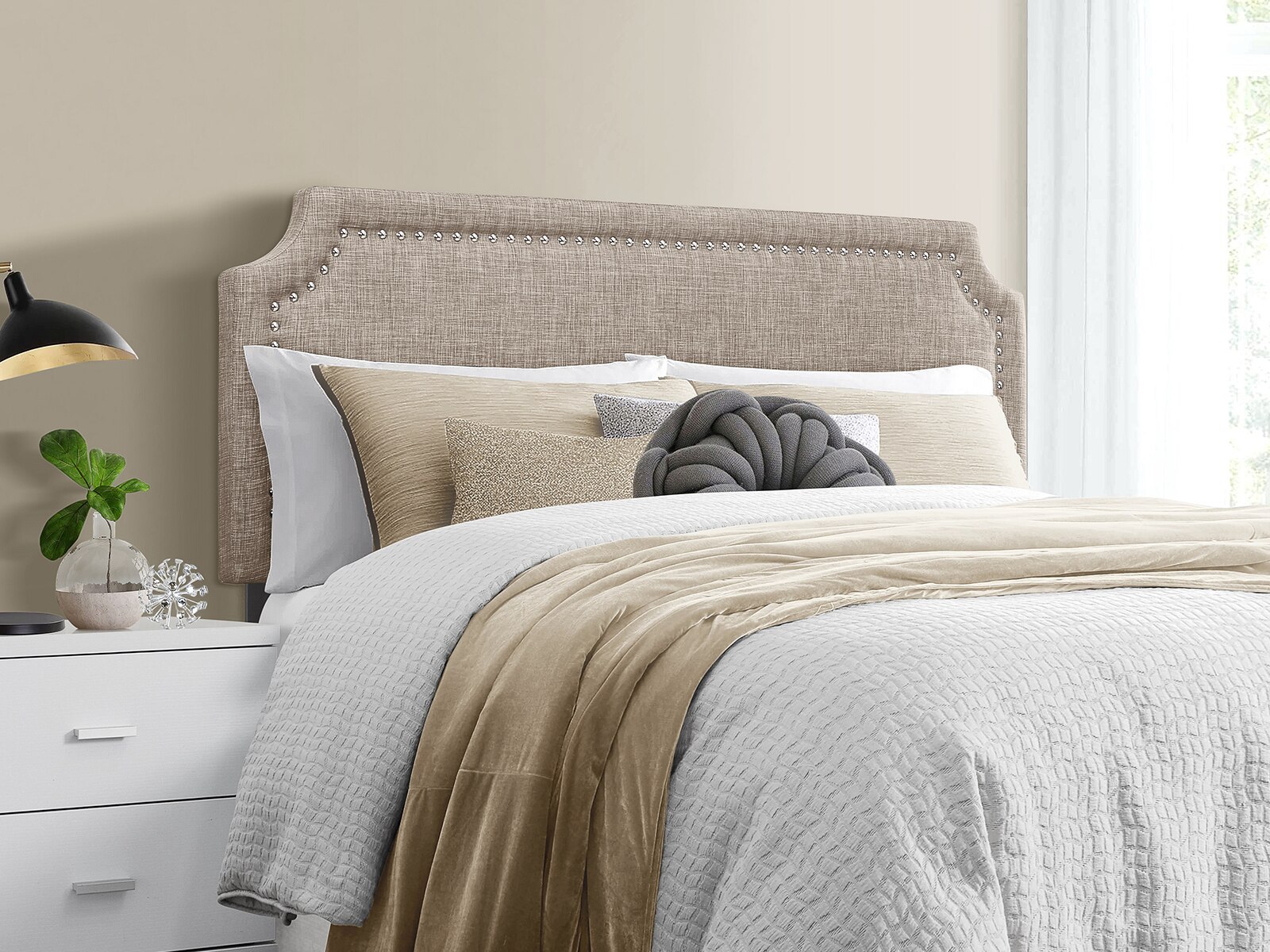
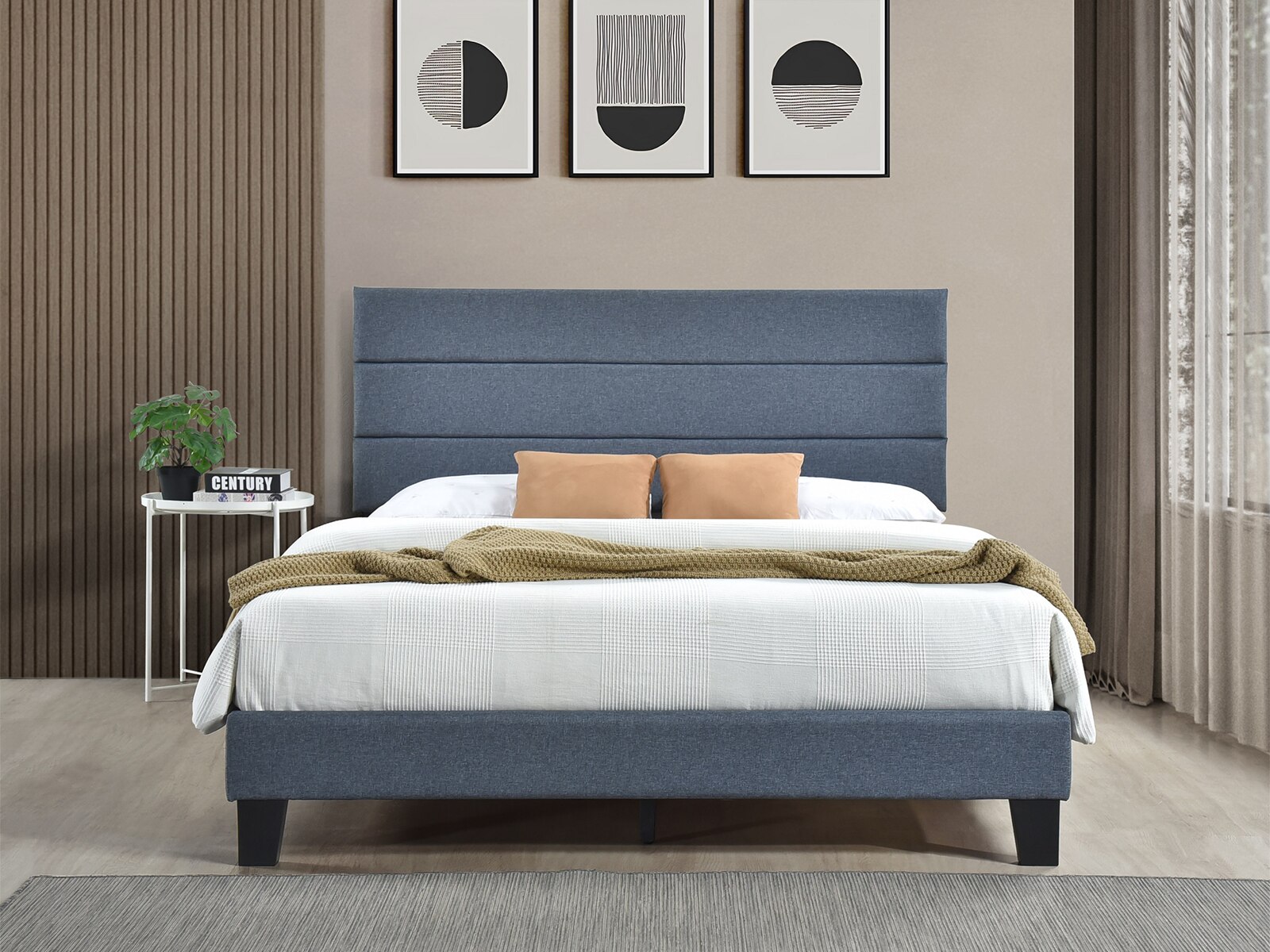
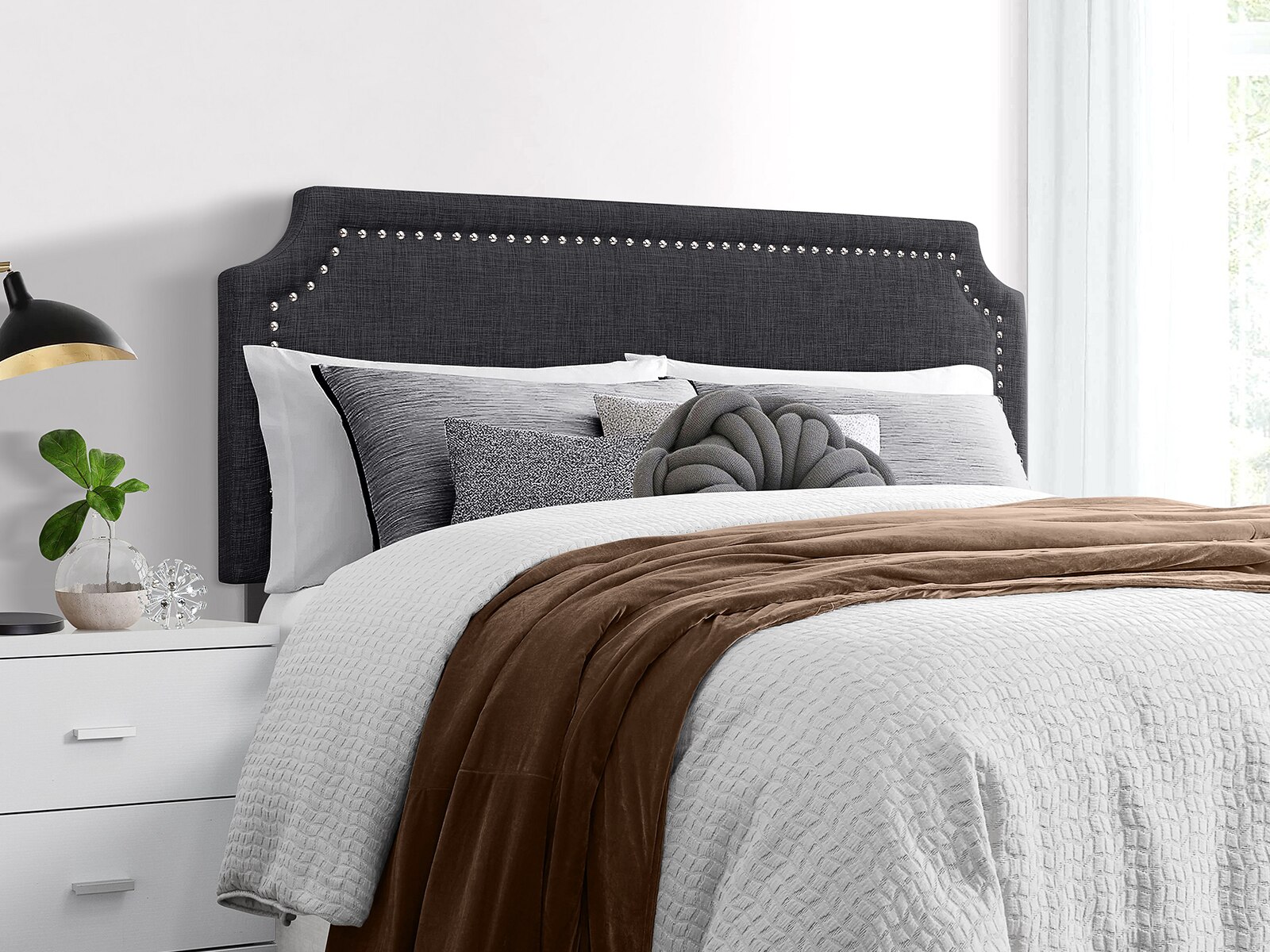
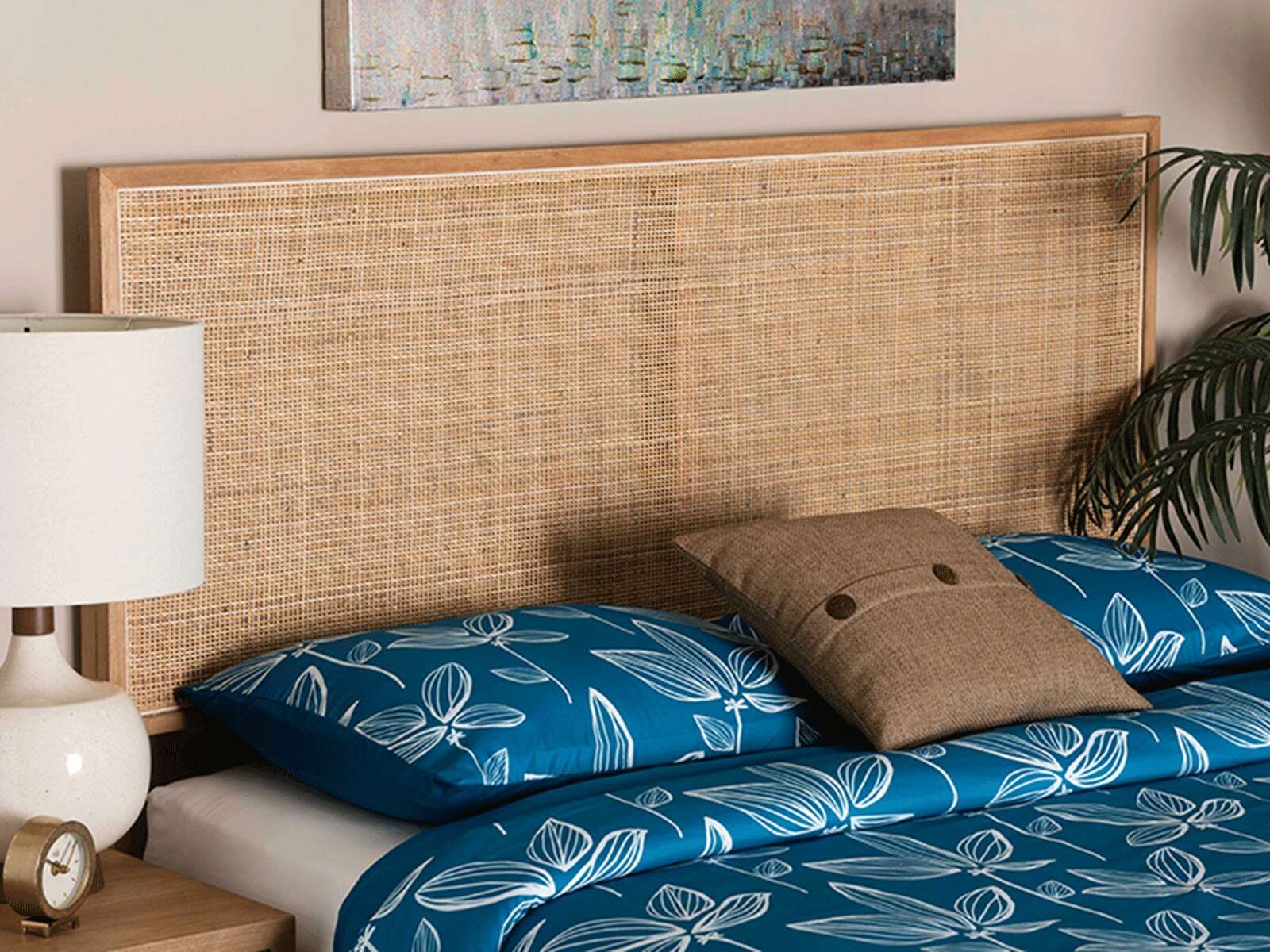
Full traditional headboards give a bedroom a defined focal point, bringing familiar furniture details to a bed size that works well in many smaller bedrooms and guest spaces. Their appeal often comes from the shape of the frame: a gently arched top, balanced paneling, turned posts or a substantial border that gives the bed a finished appearance. These details can feel right at home beside a well-loved dresser, a pair of shaded bedside lamps or a quilt with a subtle pattern. Traditional does not have to mean ornate. A simple rectangular panel with a molded edge can create a restrained, classic look, while curved profiles and decorative trim add more visual detail. Material and finish make just as much difference as silhouette. Wood grain gives a broad headboard surface natural variation, and a dark finish creates a stronger outline against a light wall. Painted finishes offer a different effect, emphasizing the shape of the piece and pairing easily with patterned bedding or existing painted furniture. Upholstery introduces texture and a softer surface behind the pillows, with details such as tufting, piping or nailhead trim reinforcing the traditional character. For a fabric-centered take on this style,
Traditional Upholstered Headboards offer another way to explore classic shapes and tailored details. A woven fabric can lend subtle depth without becoming the main pattern in the room, while a smooth, tightly upholstered panel creates a more understated backdrop. The right balance depends on the furnishings around the bed. A bedroom with a carved dresser and patterned curtains may benefit from a simpler headboard, while a room with plain walls and streamlined nightstands can accommodate more decorative detail. Matching every finish is not necessary; repeating a wood tone, curved line or fabric color elsewhere in the room can make the arrangement feel connected without making it look like every piece came from the same set.
Fit matters as much as appearance, especially when a full traditional headboard is joining a bed frame and mattress already in use. A standard full mattress measures approximately 54 inches wide by 75 inches long, but those dimensions do not establish the headboard’s overall size or attachment requirements. Decorative posts, padded edges and curved borders may extend beyond the mattress on either side. That extra width can be attractive, giving the bed more presence, but it also affects the space beside a nightstand, closet opening or nearby doorway. Height deserves the same attention. A tall mattress and foundation can cover much of a low headboard, hiding the very paneling or tufting that gives it character. A taller profile may remain visible above stacked pillows, though its proportions should still suit the wall, windows and surrounding furniture. Looking at the distance from the floor to the top of the mattress helps clarify how much of the headboard will show once the bed is dressed. Attachment methods vary, so a full-size label alone does not establish compatibility. Frame-mounted designs need the appropriate mounting points, bracket spacing and hardware; wall-mounted designs require installation suited to the wall and the manufacturer’s directions. Some headboards accommodate more than one bed size, but that should be confirmed in the specifications rather than assumed from appearance. An adjustable base brings additional considerations, including approved brackets and clearance as the base moves. In a bedroom used for reading before lights-out, the position of a headboard’s padded section can matter more than its total height. In a guest room, a straightforward profile with an easy-to-reach bedside surface may be a better fit than an oversized decorative frame. For an older teen’s room or a first apartment, a classic shape can also coordinate with new bedding and furniture over time. In each setting, secure installation, clear walking space and access to outlets help the bed feel thoughtfully placed rather than squeezed into position.
The construction beneath the finish influences how a full traditional headboard holds up to everyday use. Solid wood, wood veneers over engineered cores and upholstered frames each have their own characteristics, so material names are only part of the picture. Well-fitted joints, secure attachment points, neatly finished edges and consistent upholstery seams are useful details to consider alongside the decorative surface. A wood veneer provides a real-wood surface, but its care needs still depend on the finish and underlying construction. Upholstery brings its own considerations, particularly in a bedroom shared with pets or used regularly for sitting up with a book. Fabric texture, cleaning requirements and the placement of seams or buttons can affect everyday upkeep. Smooth wooden panels are generally easier to dust than deep carving, while tufting and trim create small recesses where lint can collect. Manufacturer care instructions should guide cleaning: a soft cloth may suit a finished wood surface, while upholstery may call for gentle vacuuming with an appropriate attachment or a designated cleaning method. Excess moisture, abrasive cleaners and vigorous scrubbing can damage finishes or fabrics, so spills deserve prompt attention using the recommended approach. Direct sunlight can also change the appearance of some woods and textiles over time. Beyond surface care, occasional checks of accessible fasteners can help identify loosening before it becomes persistent movement or noise. Moving the bed by its headboard can strain the connections; following the furniture’s moving and assembly instructions helps protect those joints. For lasting visual appeal, bedding provides an easy way to change the room while keeping the headboard in place. Crisp pillowcases can emphasize a tailored frame, a textured coverlet can soften dark wood and a restrained pattern can echo curved or carved details. A full traditional headboard works best when its proportions, materials and everyday care needs suit the person using the room, giving the bed a clear sense of place without making the space feel overly formal.