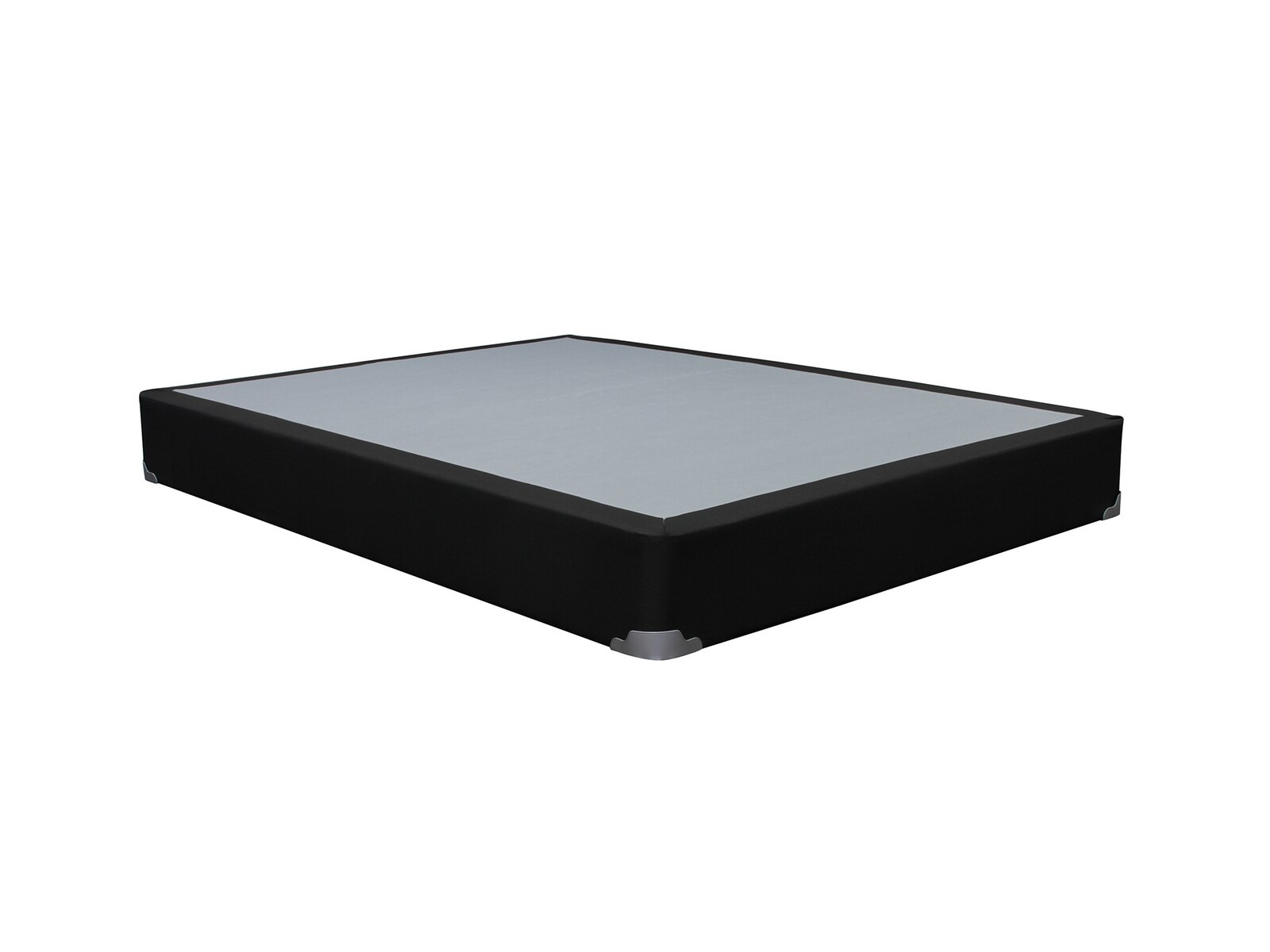
A full XL bed base supports a mattress that typically measures 54 inches wide by 80 inches long. That is the same width as a standard full mattress, with five additional inches of length—a useful difference for taller sleepers who want more room to stretch without moving to a wider bed. Full XL bed bases can work well in a single sleeper’s bedroom, a guest room or a young adult’s space where mattress length matters as much as floor space. The longer footprint accommodates extended legs while leaving more room beside the bed than a queen typically would. Standard full mattresses generally measure 54 inches wide by 75 inches long, so
Full Bed Bases should not be assumed to fit a full XL mattress. Matching the full XL designation is important because an unsupported mattress edge or an undersized foundation can affect how the mattress rests and performs. The base’s outside measurements also deserve attention: an upholstered border, projecting legs or an attached headboard can make the assembled bed wider or longer than the mattress itself. In a narrow bedroom, those extra inches can affect whether a dresser drawer opens fully or there is a comfortable path between the bed and the wall. Overall height matters, too. A low platform creates a different sitting position than a taller foundation paired with a thick mattress. Someone who sits on the edge to put on shoes may prefer a height that lets both feet rest comfortably on the floor. Underbed clearance can provide space for storage bins, while a base that sits close to the floor offers a more enclosed appearance. The right proportions bring together mattress fit, everyday access and the way the room is actually used, rather than relying on the size name alone.
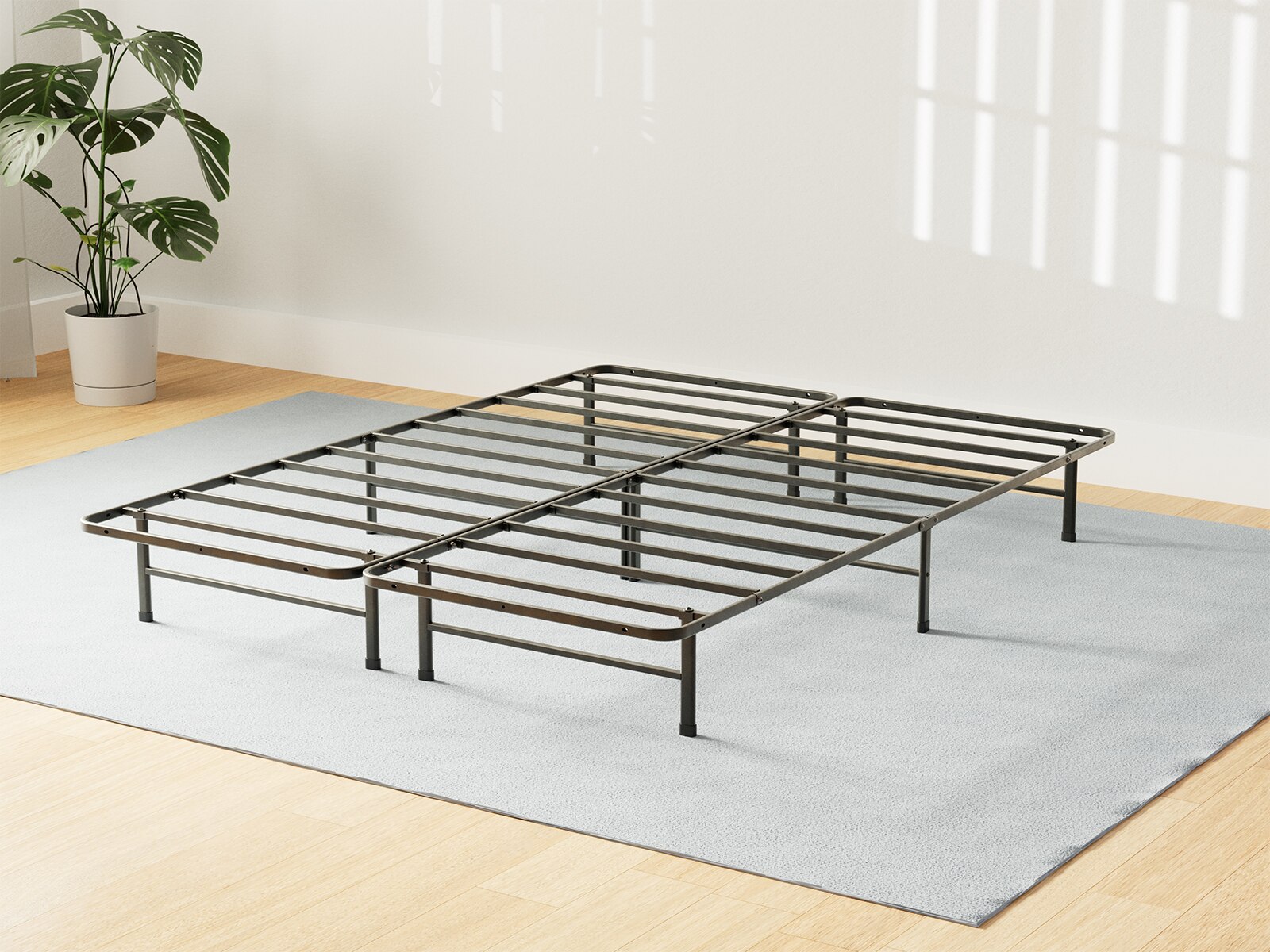
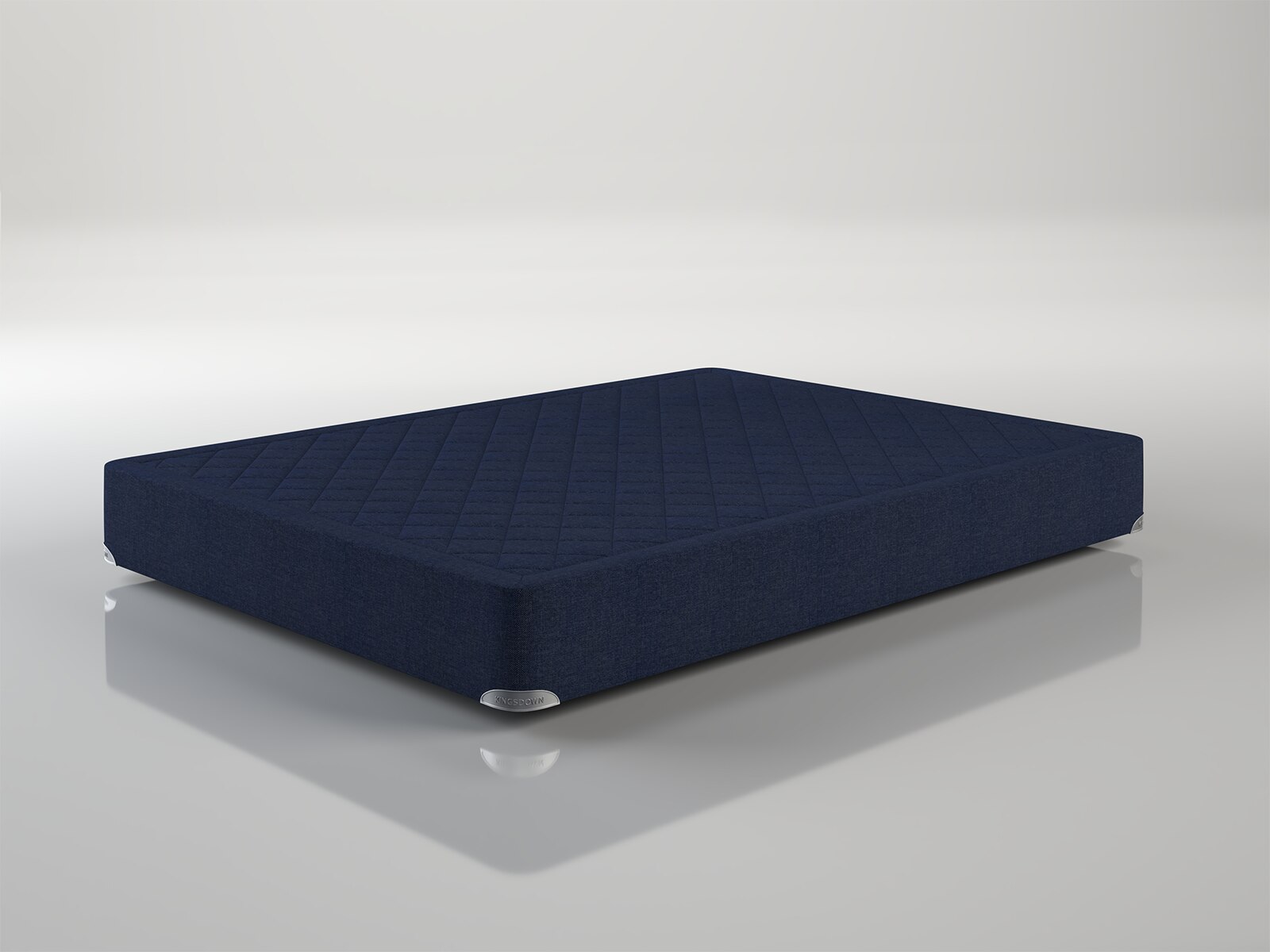
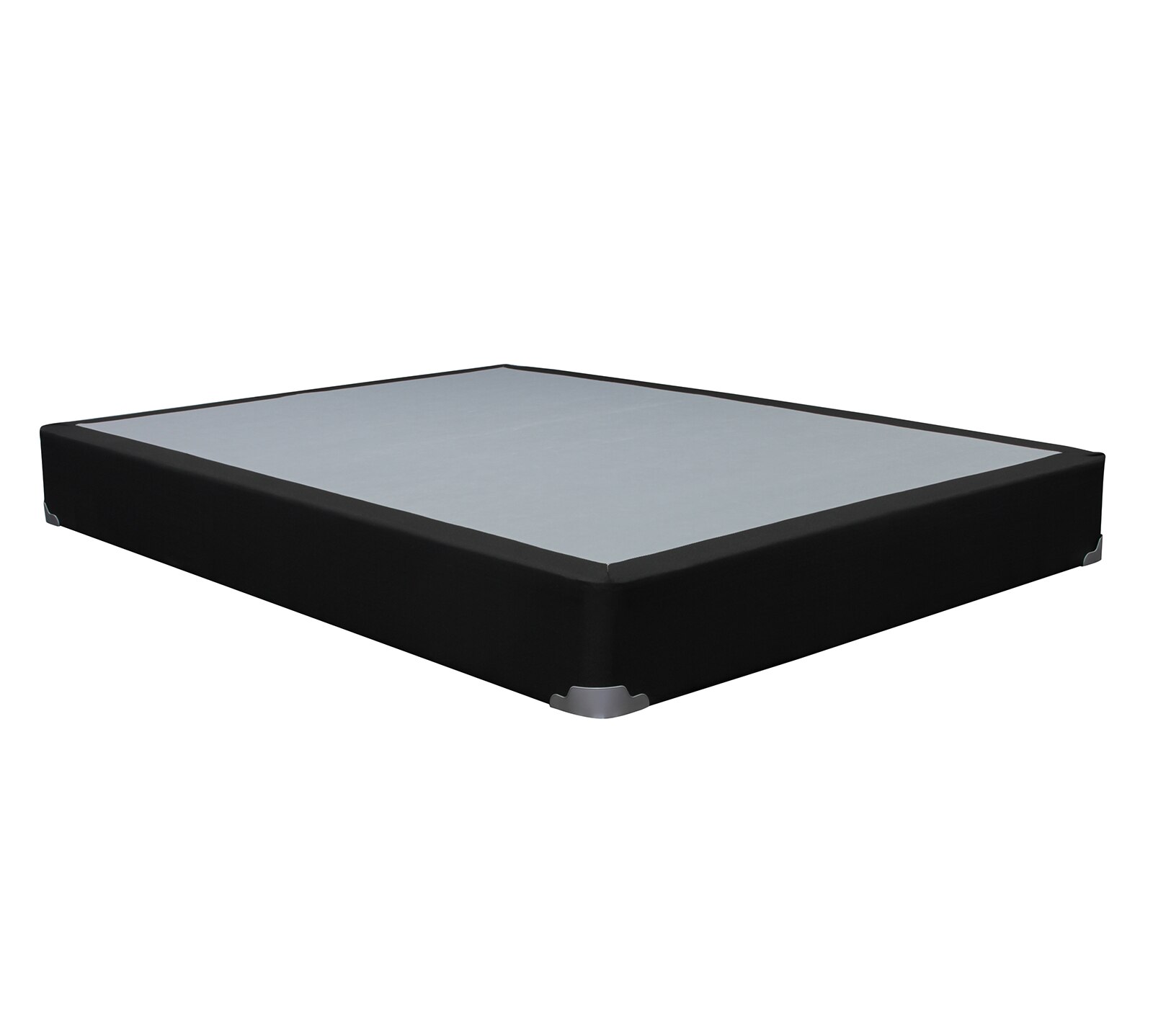
Full XL mattress bases take several forms, including platform frames, foundations and adjustable designs, and each supports the sleep surface differently. A platform base typically uses slats or a solid deck to support a compatible mattress without a separate foundation. A foundation provides a supportive surface but may need a compatible bed frame beneath it; a traditional box spring is a different construction and is not interchangeable with every mattress support system. Mattress manufacturers specify the support their designs require, including acceptable slat spacing, center support and whether an additional foundation is appropriate. Those details are especially important with foam and hybrid mattresses, which need consistent support rather than wide gaps beneath the sleeping surface. Materials influence both appearance and everyday upkeep. Steel frames often have a visually open structure, with legs and crossbars that leave the area beneath the bed accessible. Wood frames bring visible grain and a furniture-like presence, while engineered wood may be used in panels or structural components. Upholstered bases soften the look of the frame, though textured fabric and seams can collect dust and need regular attention. Durability depends on more than the material name: secure joints, appropriately positioned supports and a weight capacity suited to the combined load all contribute to dependable performance. Capacity descriptions vary, so whether a stated limit includes the mattress is worth confirming. A frame that feels steady when someone turns over or sits along the edge is better suited to daily use than one with loose connections or uneven contact with the floor. Headboard compatibility also varies; mounting brackets, hole placement and attachment hardware need to match rather than simply look similar. For homes with hard flooring, manufacturer-approved floor protectors can help limit marks, while a level installation helps the base distribute weight as intended. These construction details may be less visible than upholstery or finish, but they shape how the bed functions over time.
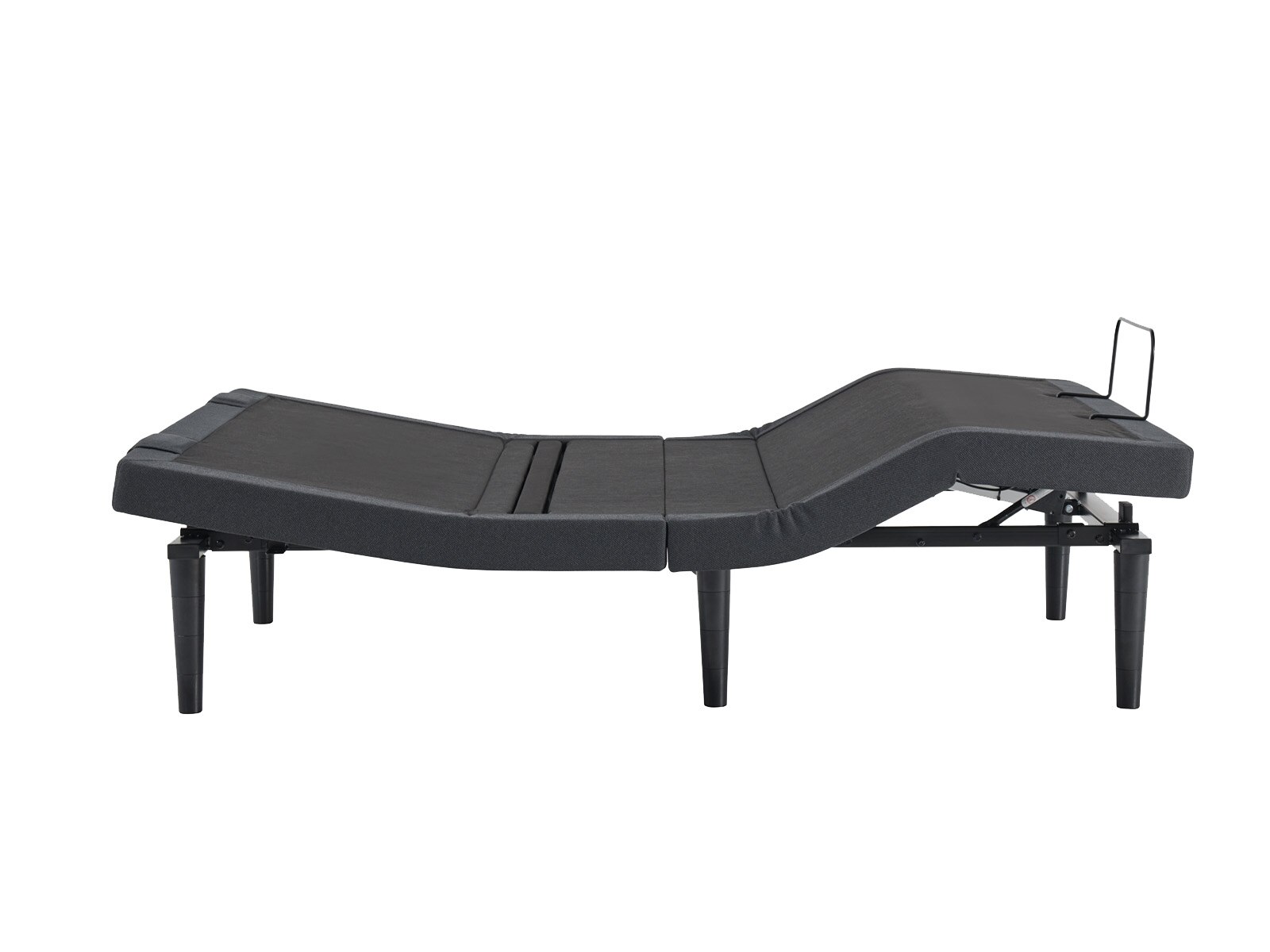
An adjustable full XL bed base adds another consideration: how the bed will be used beyond lying flat. Depending on the design, movable head and foot sections can provide different positions for reading, watching a movie or resting with the upper body elevated. Features such as preset positions, remote controls or additional movement settings vary, so their usefulness depends on personal habits rather than the number of functions alone. A person who reads every evening may value an easily reached control and a comfortable backrest position, while someone furnishing an occasional guest room may prefer a straightforward stationary base. Adjustable designs require a mattress approved for that type of movement, with dimensions and flexibility that suit the base. They also need appropriate access to power and enough clearance for moving sections, nearby furniture and any surrounding bed frame. A decorative frame that fits a stationary foundation does not automatically accommodate an adjustable mechanism. Delivery access is another practical part of fit, particularly in homes with tight stair turns, narrow doors or bedrooms reached through a small hallway. Packaged dimensions, component weight and assembly requirements can matter as much as the final footprint. Once assembled, routine care helps preserve both appearance and stability. Upholstery can be vacuumed gently with a suitable attachment, finished surfaces can be cleaned according to their care instructions and spills should be addressed with methods approved for the material. Connections may need periodic inspection, especially after a move, while powered components should be kept dry and maintained as directed by the manufacturer. Moving the base separately from the mattress and avoiding dragging it across the floor can help protect legs, joints and flooring. For a primary bedroom, a growing teen’s room or a thoughtfully furnished guest space, full XL bed bases offer a focused combination of added length and moderate width. A properly matched mattress, dependable support and room-conscious proportions help that extra sleeping space feel comfortable in everyday use.