Gifts for picky sleepers are most thoughtful when they address a specific preference, such as a pillow that holds its shape, bedding with a smooth finish or an eye covering that stays comfortably in place. Someone who notices every seam or repeatedly folds a pillow to find the right height may appreciate a carefully matched comfort upgrade more than a complete bedroom refresh. The starting point is the recipient’s existing routine: whether they sleep on their side, back or stomach, prefer a cushioned or supportive feel and enjoy bedding that feels barely there or more substantial. For pillows, loft describes height, while firmness describes how much resistance the pillow provides under the head. Both affect comfort, and neither tells the whole story on its own. A side sleeper may prefer enough height to fill the space between the head and mattress, while a stomach sleeper may favor a lower profile. Mattress cushioning and body proportions also influence that fit, so copying someone else’s favorite is not always the best match. Materials add another layer of distinction. Memory foam typically contours with pressure, latex generally has a more responsive feel and fiber fill can provide a fluffier, more moldable surface. Construction matters as much as the material name: a solid core feels different from loose fill, and an adjustable design can offer flexibility for someone with precise preferences. Even small details deserve attention, including whether the cover feels textured against the cheek, whether a zipper is tucked away and whether the pillow fits familiar pillowcases. For a person who already loves their main pillow, an accessory that complements it may be more welcome than a replacement. A useful gift respects what already works while addressing the small irritation that makes bedtime less comfortable. That approach suits birthdays, housewarmings and other gift-giving occasions without asking the recipient to change an entire sleep routine.
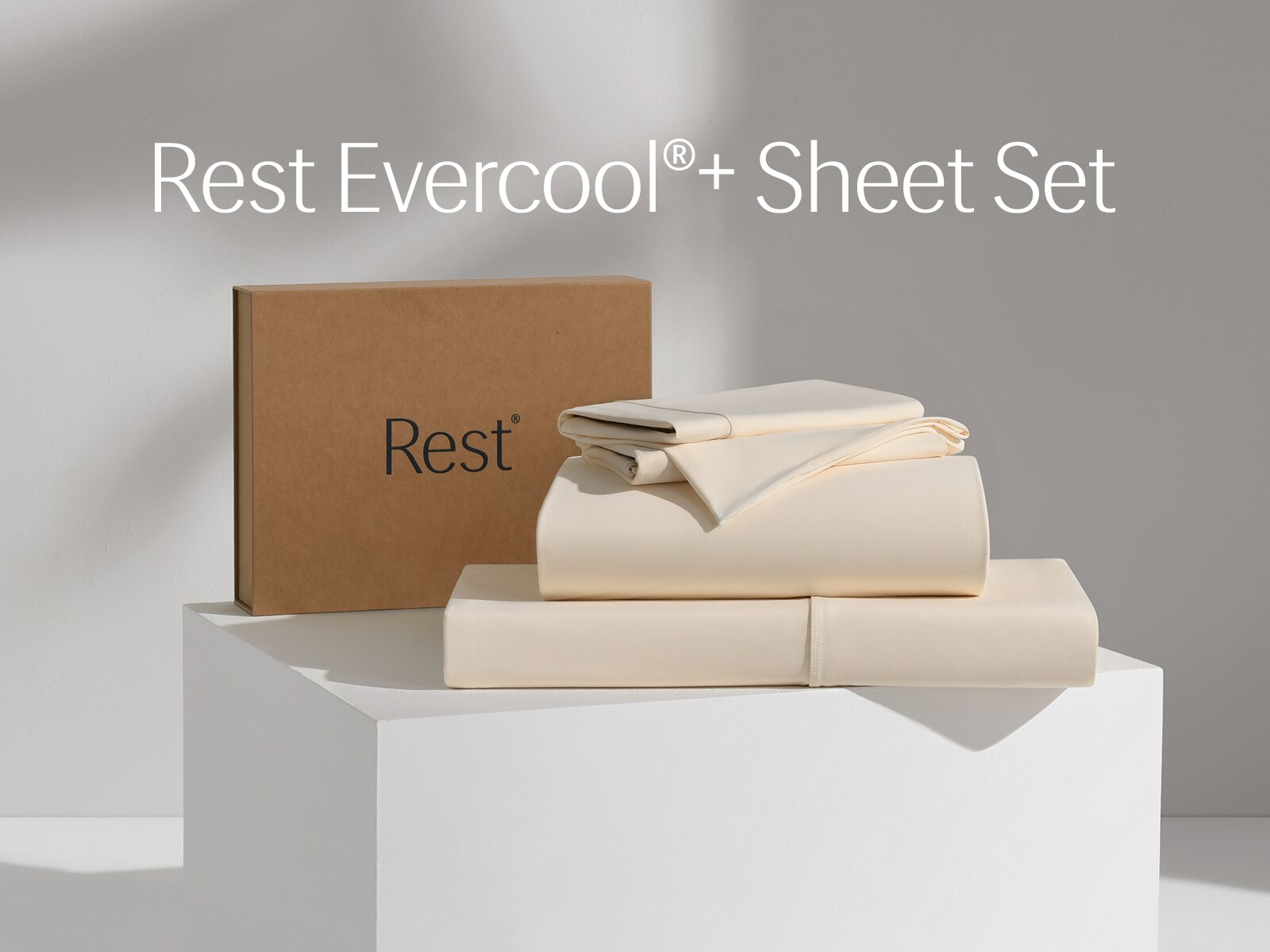
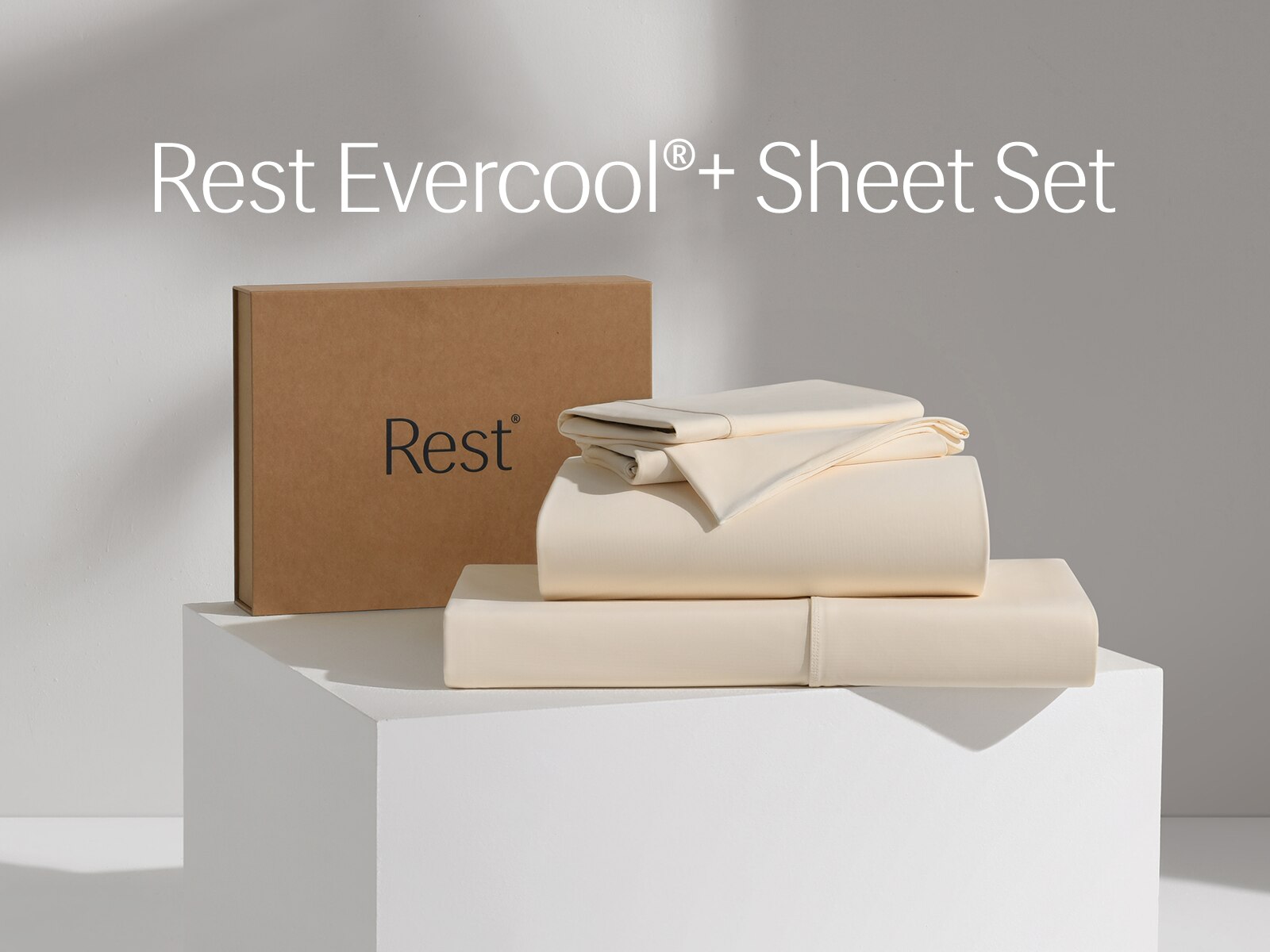
Bedding gifts invite a closer look at texture, drape and everyday care. Softness is not a single sensation: one person may love a crisp, smooth sheet, while another wants fabric that feels supple and broken in from the first touch. Cotton percale generally has a lighter, crisper hand, while cotton sateen tends to feel smoother and drape more closely around the body. Linen has a more noticeable texture that often softens with washing, and jersey knit offers stretch with a feel closer to a favorite T-shirt. These differences can matter more to a selective sleeper than a decorative pattern or an impressive thread count. Fiber quality, yarn construction and finishing all influence how bedding feels and wears; thread count alone does not establish comfort or durability. For someone who specifically prefers a plush, yielding sleep surface,
Gifts For Soft Sleepers offers a related place to explore that preference. Fit deserves equal attention. A fitted sheet needs to accommodate the mattress depth, including any topper, while a pillowcase should match the pillow’s dimensions without compressing it or leaving excessive loose fabric. A blanket’s listed dimensions are useful for judging coverage, especially when two people share a bed and one tends to pull the covers closer. Weight and drape also shape the experience: a substantial layer can feel reassuring to one sleeper yet restrictive to another. Care requirements should suit the recipient’s habits rather than create another chore. Machine-washable bedding may be practical for someone who refreshes linens frequently, while delicate fabrics can require gentler handling and more careful drying. Always follow the care label, since excessive heat or unsuitable cleaning products can affect fibers, elastic and surface finishes. Secure stitching, neatly finished edges and well-constructed closures are useful details to consider, though no fabric is immune to wear. A gift that feels pleasant after repeated laundering is more likely to become part of the regular bedtime routine.
For sleepers whose preferences extend beyond pillows and sheets, light, sound and contact points can be just as important. An eye mask should feel comfortable across the nose and around the head, with a strap that adjusts without pulling hair or placing an irritating buckle beneath the head. Contoured designs can leave more room around the eyelids, while flatter styles may appeal to someone who prefers minimal bulk. Side sleepers may be especially sensitive to thick edges pressing between the face and pillow. Fabric against the skin, coverage around the nose and cleaning instructions all deserve a look; a light-blocking accessory is only useful if the recipient is comfortable wearing it. Sound-based sleep accessories serve a different purpose, creating steady background audio that may make intermittent household or street noise less noticeable. A person bothered by an obvious repeating track may prefer continuous sound, while someone who dislikes managing a phone at bedtime may appreciate straightforward controls. Adjustable volume, an optional timer and the ability to turn off indicator lights can matter more than a long list of settings. Sound should remain at a comfortable level rather than becoming another disturbance. Practical bedding layers can also make thoughtful gifts when chosen with the same attention to feel. A mattress protector, for example, should fit securely and suit the recipient’s care routine, but its surface texture and any rustling may be especially noticeable to a sensitive sleeper. Across these categories, realistic expectations help: a comfort accessory can support a more pleasant bedtime environment, but it cannot guarantee uninterrupted sleep or resolve persistent sleep difficulties. The strongest match comes from listening for a concrete complaint, such as a slipping strap, a scratchy edge or bedding that bunches beneath the shoulders. Addressing that familiar frustration makes the gift personal without guessing at a completely new set of preferences.