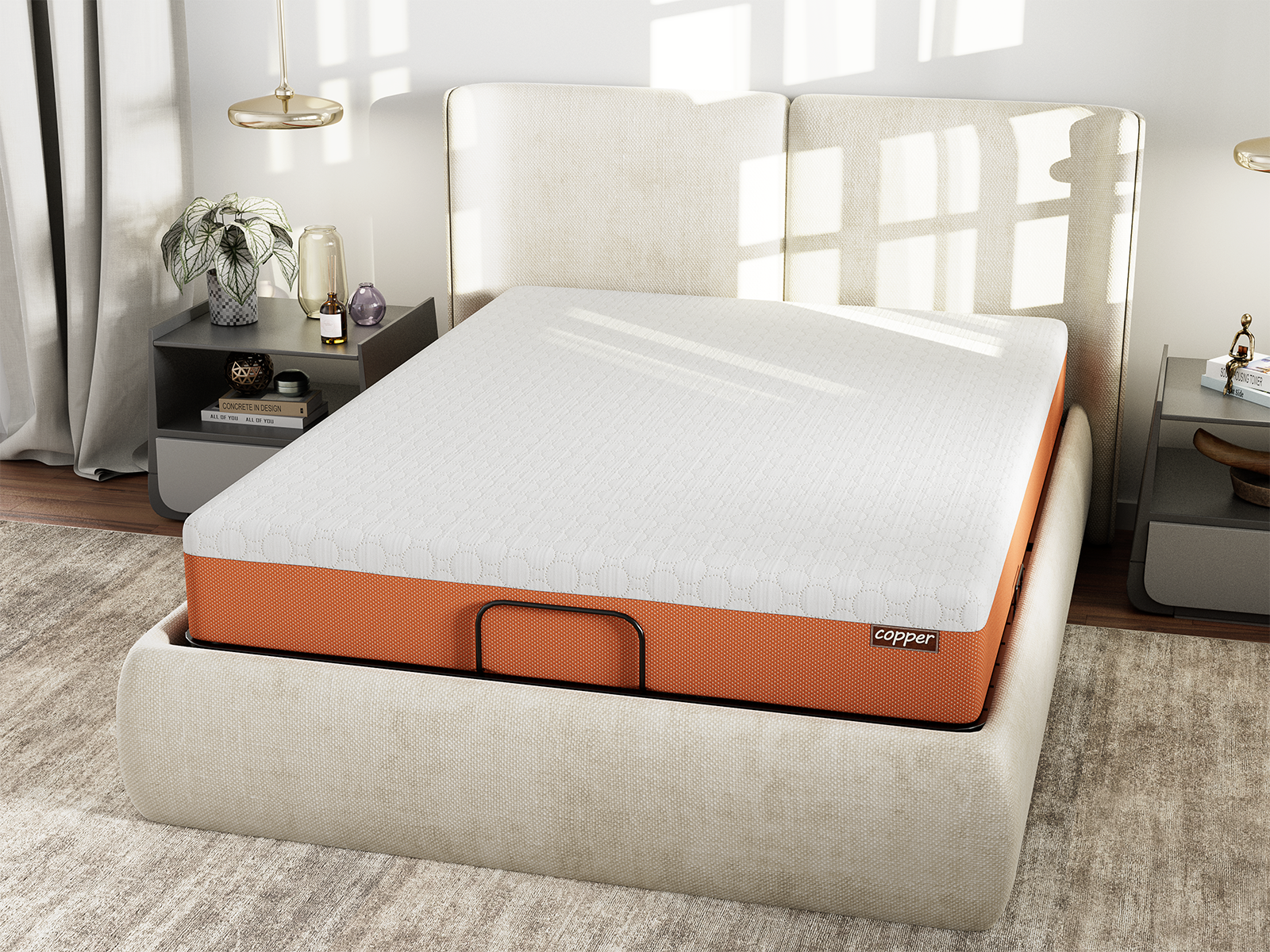
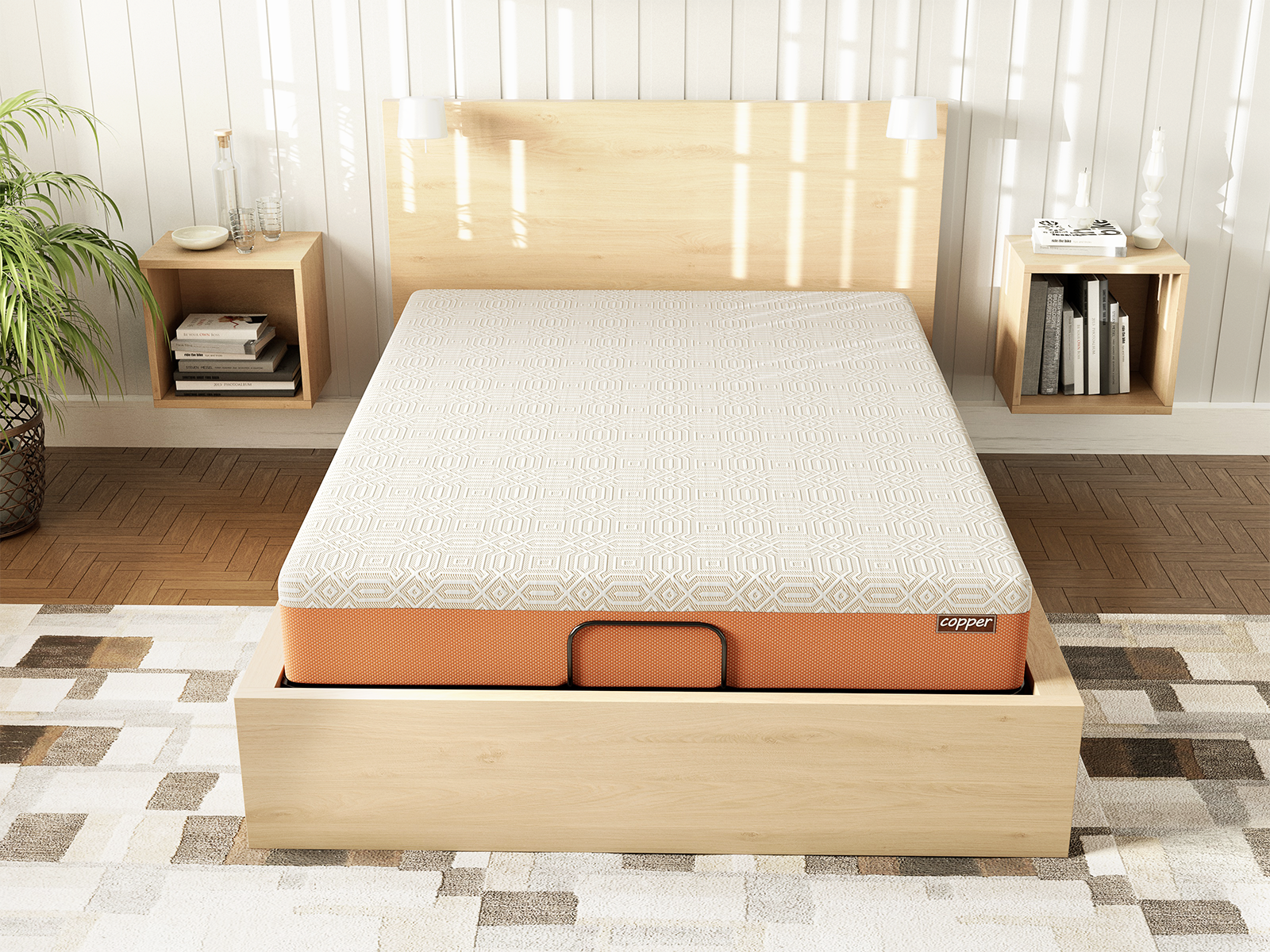
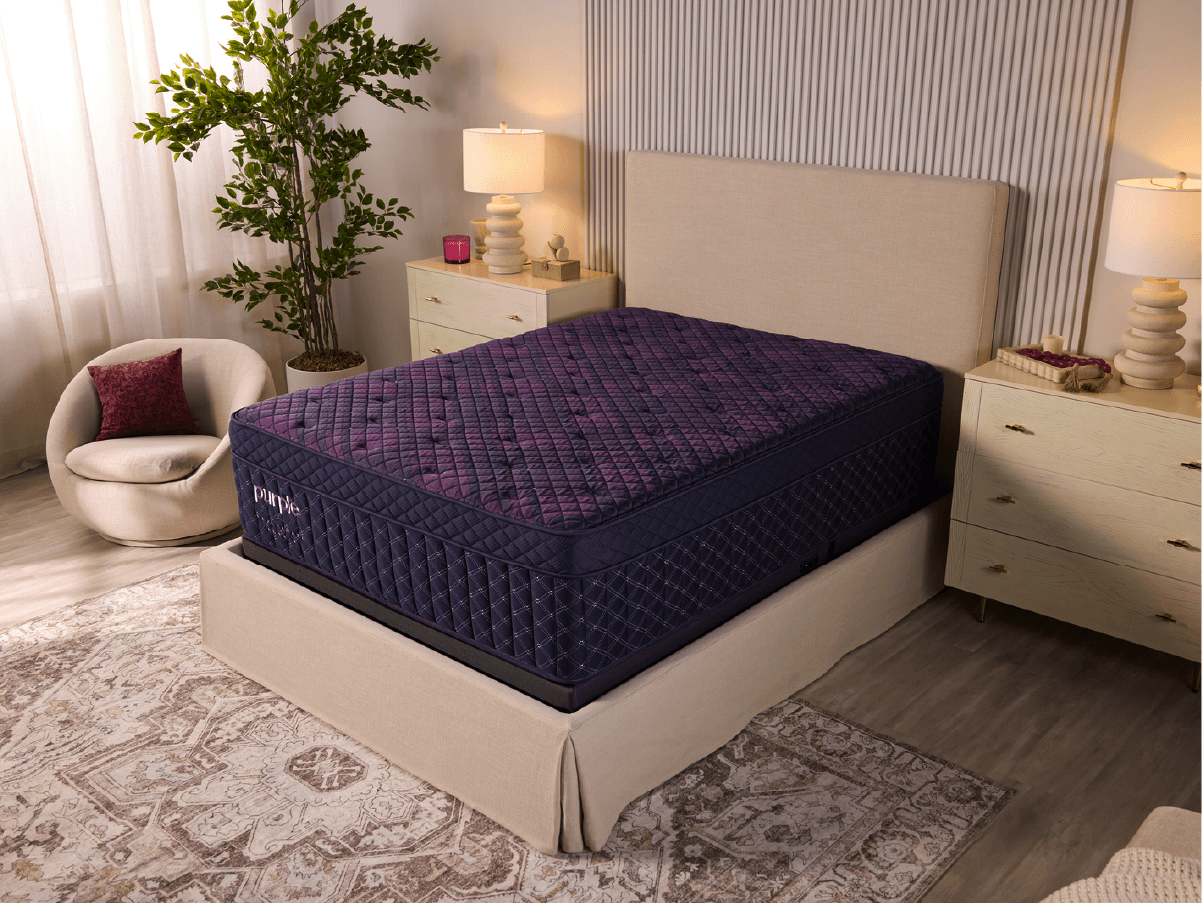
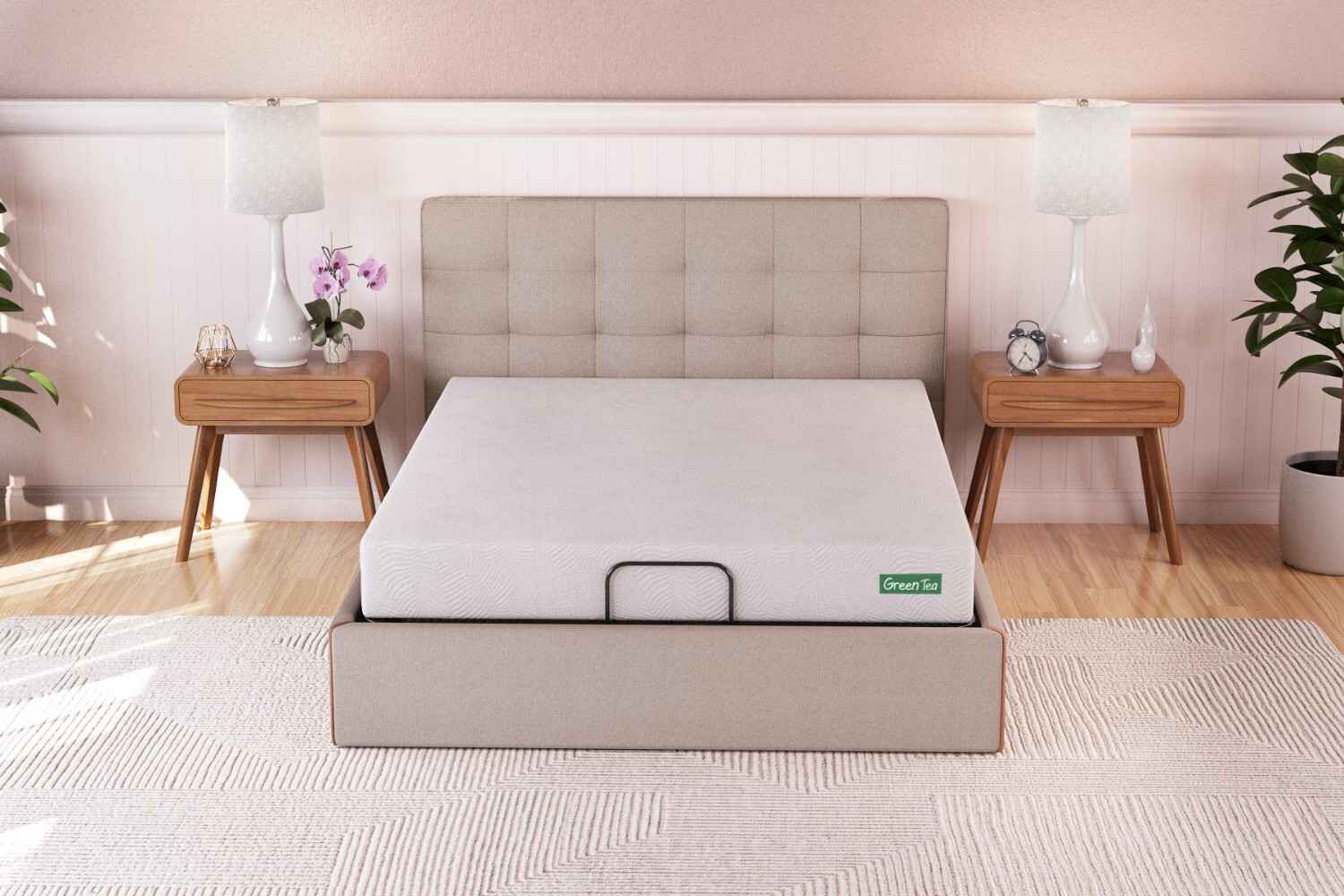
Graphite-infused memory foam mattresses combine the contouring feel of memory foam with graphite, a form of carbon that conducts heat. Incorporated into the foam, graphite can help move heat away from the area beneath the body and distribute it through the material. That makes these mattresses worth considering for sleepers who enjoy a close, cushioned feel but tend to feel warm against traditional memory foam. The infusion is one part of the design, not a guarantee that every mattress will feel cool throughout the night. Cover fabric, foam structure, layer thickness and airflow through the support system all influence the sleeping surface. Breathable bedding and a mattress protector that does not restrict airflow also matter. Memory foam responds to body weight and warmth, gradually conforming around areas such as the shoulders and hips. This contouring can spread pressure across a broader surface rather than concentrating it at a few contact points. In an all-foam mattress, a firmer foam core supports the cushioning layers above it. In a hybrid, coils provide the underlying support, sometimes with additional foam layers between the springs and the sleep surface. Either construction can include graphite-infused foam, and the graphite layer may sit near the surface or beneath another comfort layer. Its position helps determine how directly its feel contributes to the overall experience. Graphite and charcoal are distinct materials, so comparing
charcoal-infused memory foam mattresses involves looking beyond the carbon-based ingredient to the complete construction. Neither an infusion name nor a cooling description establishes firmness, support or longevity on its own. The most useful comparison considers what surrounds the infused foam, how the mattress responds to movement and whether its cushioning suits the person sleeping on it. A graphite-infused layer can complement a thoughtfully built mattress, but the full combination of materials determines everyday comfort.
Finding the right fit starts with sleep position, body size and the amount of cushioning that feels comfortable. Side sleepers often need enough surface give for the shoulder and hip to settle without leaving the waist unsupported. A surface that feels pleasantly cushioned under a hand may still feel too firm when lying on one side, so spending time in a usual sleeping position provides a more useful impression. Back sleepers generally benefit from a balance of contouring and support that allows the hips to settle without sinking excessively. Stomach sleepers often need a firmer, more supportive feel beneath the midsection. These are starting points rather than fixed rules: two people with the same sleep position can experience the same mattress differently because their weight and proportions differ. Combination sleepers may prefer a shallower cradle or a more responsive construction that makes turning from side to back feel easier. Memory foam can absorb movement, which may help limit the disturbance when a partner changes position, although motion isolation varies by design. Couples should also consider edge support, especially if either person sleeps near the perimeter or sits there while getting dressed. Mattress dimensions affect comfort just as much as the foam recipe. A twin can suit a smaller bedroom, while a Twin XL adds length without increasing width. A queen or king provides more room for shared sleep, depending on the space available around the bed. Thickness alone does not indicate softness, and foam density is not the same measurement as firmness. A dense foam can feel soft or firm depending on its formulation. Higher-density memory foam may offer better resistance to wear than a lower-density version of comparable quality, but the supporting layers and overall construction still matter. For nightly use, consider both the initial cushion and the support felt after settling into position. A mattress should accommodate the body without making ordinary movements feel like a struggle.
Care and setup help preserve the comfort of a graphite-infused memory foam mattress over time. Start with a foundation or bed frame that meets the mattress manufacturer’s support requirements. Slat spacing, center support and compatibility with an adjustable base can vary, so checking those details helps prevent unnecessary sagging or strain. An existing frame that creaks, shifts or has damaged supports deserves attention before a new mattress goes on top. Use a well-fitting mattress protector to help guard against spills and everyday moisture, choosing a breathable option if heat buildup is a concern. Sheets should fit the mattress depth without pulling tightly enough to compress the surface. A thick pad can change the feel of the comfort layers and affect how readily heat moves away from the body, so consider bedding as part of the sleep setup rather than an afterthought. For cleaning, follow the care label and use only the recommended method. Many foam mattresses are not designed to become saturated; excessive moisture can be difficult to remove from the interior. Blotting a spill promptly and allowing the surface to dry fully before replacing bedding can help protect the materials. Do not assume a zippered cover is removable or machine washable unless the manufacturer explicitly says so. Rotation may help distribute wear when recommended, but many layered mattresses are designed for one-sided use and should not be flipped. Some gradual softening can occur with use, while lasting indentations or a noticeable loss of support warrant a closer look at the mattress and its foundation. Graphite does not eliminate the need for routine care, and its presence alone does not establish antimicrobial performance. For a primary bedroom, guest room or a young adult’s sleeping space, the goal is the same: dependable support, suitable pressure relief and a surface that feels comfortable through ordinary nights. Matching those needs to the mattress construction is more meaningful than choosing by the infusion alone.