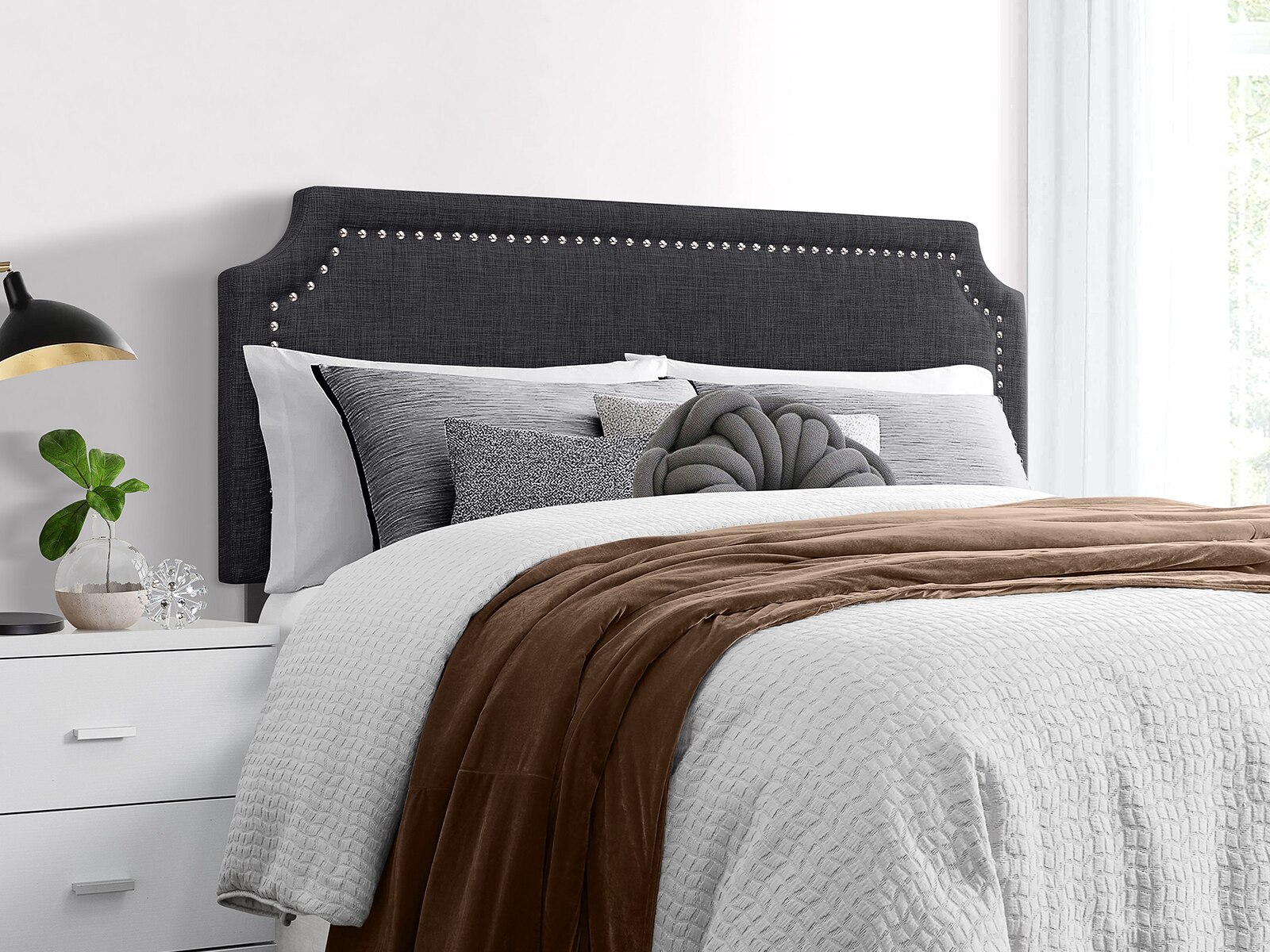
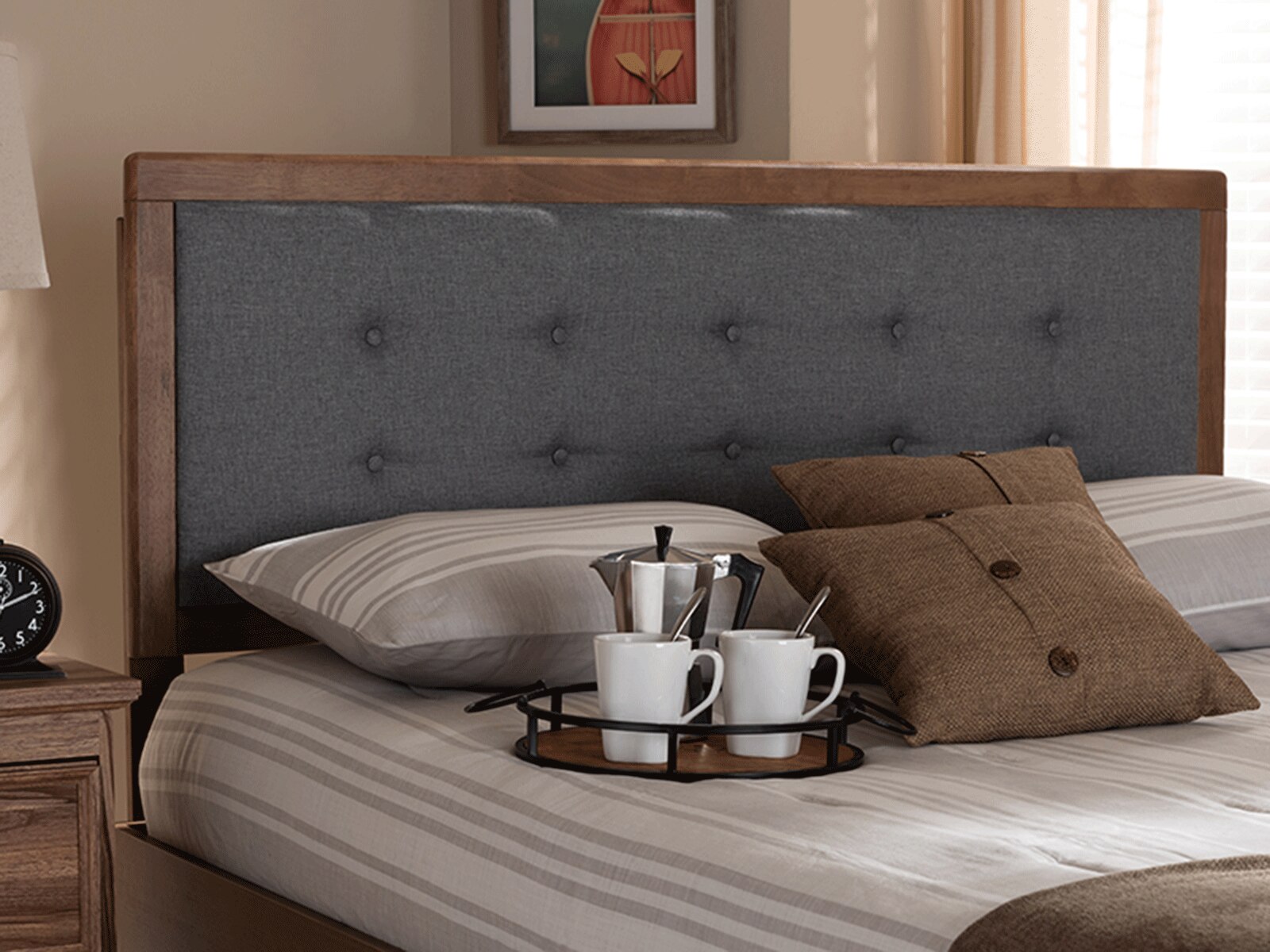
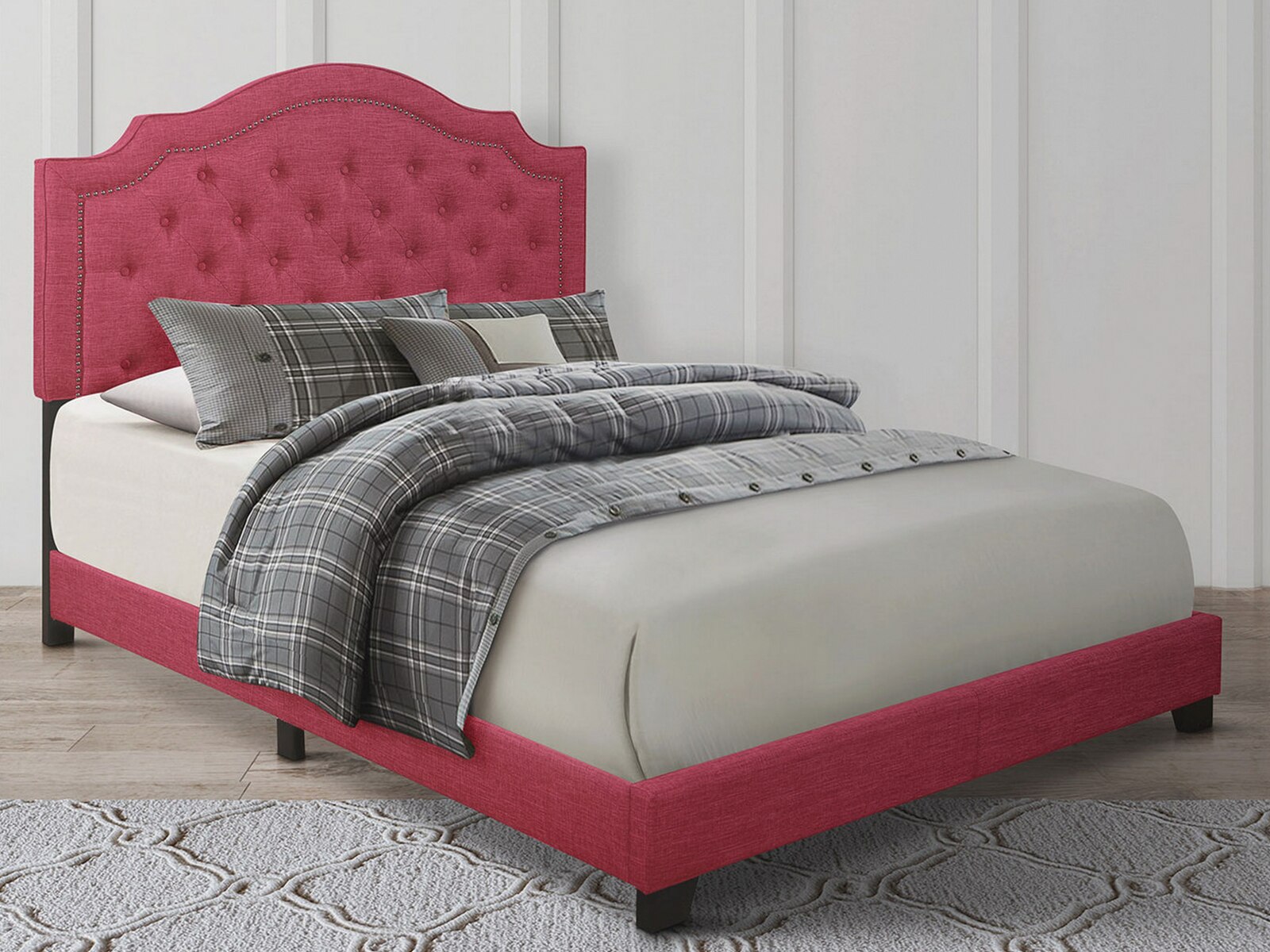
High back queen headboards create a substantial backdrop for a queen bed, adding height, texture and a clear focal point to the bedroom. Many tall designs measure 48 inches or more from the floor, though there is no universal height that defines a high back headboard. The measurement that matters visually is how much of the headboard remains above the mattress and pillows. A thick mattress on an elevated frame can cover much of a shorter panel, while a taller headboard keeps its shape and detailing visible. A standard queen mattress measures 60 inches wide by 80 inches long, but a queen headboard may extend beyond the mattress on either side, especially when it has wings, curved edges or a broad outer frame. Those proportions give the bed a more finished appearance without requiring a larger mattress. In a primary bedroom, a high back can help anchor a wide wall; in a guest room, it can make a simple arrangement of bedding and bedside tables feel thoughtfully put together. Upholstered versions also offer a cushioned surface behind pillows for sitting up with a book or watching a favorite show, although comfort depends on the padding, shape and placement of the headboard. Extra height alone does not guarantee back support. For someone who regularly reads in bed, a smooth padded center may be more comfortable than deeply raised trim or an open framework. The surrounding room matters, too. A tall, narrow silhouette can draw attention upward, while a wide panel with pronounced wings creates a more enclosed appearance around the bed. Nearby windows, artwork, wall lights and sloped ceilings all affect how naturally a high back queen headboard fits into the space. Leaving visible wall around its outline helps distinctive shapes stand out rather than compete with everything beside them.
Material and construction give high back queen headboards much of their character. Woven upholstery offers visible texture, velvet brings a soft sheen and wood introduces grain patterns that can make even a simple outline feel distinctive. Metal designs can provide height with a more open appearance, allowing some of the wall behind the bed to remain visible. Upholstered headboards range from clean, unbroken panels to channel stitching, button tufting and framed borders. Each detail changes the effect: vertical channels emphasize height, broad horizontal sections emphasize width and closely spaced tufting creates a more layered surface. For a similarly upholstered look with extra dimension,
Tufted Queen Headboards offer another way to bring pattern into the room without relying on printed fabric. The best choice is not simply the softest-looking surface, but one that suits everyday habits. A smooth fabric panel may appeal to someone who prefers a streamlined backdrop, while a sculpted silhouette can carry the room with little additional decoration. Light upholstery creates a gentle contrast against darker walls, but it may show marks from frequent contact more readily. Deeper colors can disguise some everyday discoloration, although lint and pet hair may be more noticeable depending on the fabric. Homes with pets benefit from attention to weave, since raised loops and delicate surface textures can be vulnerable to claws. Durability also depends on what is beneath the covering. A well-built internal frame, secure joints and evenly attached upholstery help a tall headboard maintain its shape through regular use. For wood and metal, stable connections and a consistent finish matter more than decorative detail alone. Fabric names do not tell the whole story about maintenance or wear, so care information and construction specifications are useful parts of the comparison. A substantial silhouette should feel secure once properly installed, not shift each time pillows are rearranged.
Fit and attachment deserve as much attention as appearance because queen sizing does not make every headboard compatible with every bed. Some headboards connect to a bed frame, others attach to the wall and some are intended for use within a coordinated bed structure. Mounting brackets, bolt spacing, leg placement and included hardware determine whether a particular attachment will work. Adjustable headboard legs can help accommodate different mattress heights, but the available positions vary. Measuring from the floor to the top of the mattress helps establish how much of the panel will be visible, while checking the space beside the bed helps account for wings, bedside tables and access to outlets. Baseboards can also affect how closely the bed sits against the wall. With an adjustable base, clearance is especially important: the moving sections need room to operate without pressing against the headboard or catching bedding. The mattress, frame and headboard should sit together without an unsafe gap, and the headboard should never be treated as a substitute for the bed’s required support system. Wall-mounted designs need hardware appropriate to the wall construction, with installation completed according to the manufacturer’s directions. Once in place, regular care helps preserve both appearance and stability. Gentle vacuuming with a suitable upholstery attachment removes dust from seams and tufting, while spills need prompt attention using the approved cleaning method rather than a heavily saturated cloth. Wood and metal finishes generally benefit from a soft cloth and finish-appropriate care, with abrasive cleaners avoided unless expressly permitted. Periodic hardware checks can address loosening before movement becomes noticeable. These practical details make a tall queen headboard a useful bedroom update for couples, individual sleepers or households creating a welcoming guest space. As a housewarming or milestone gift, it is most thoughtful when the recipient’s room measurements, bed compatibility and style preferences are already known. The right proportions, dependable attachment and manageable care requirements help the headboard remain a comfortable, lasting part of the bedroom rather than simply a decorative backdrop.