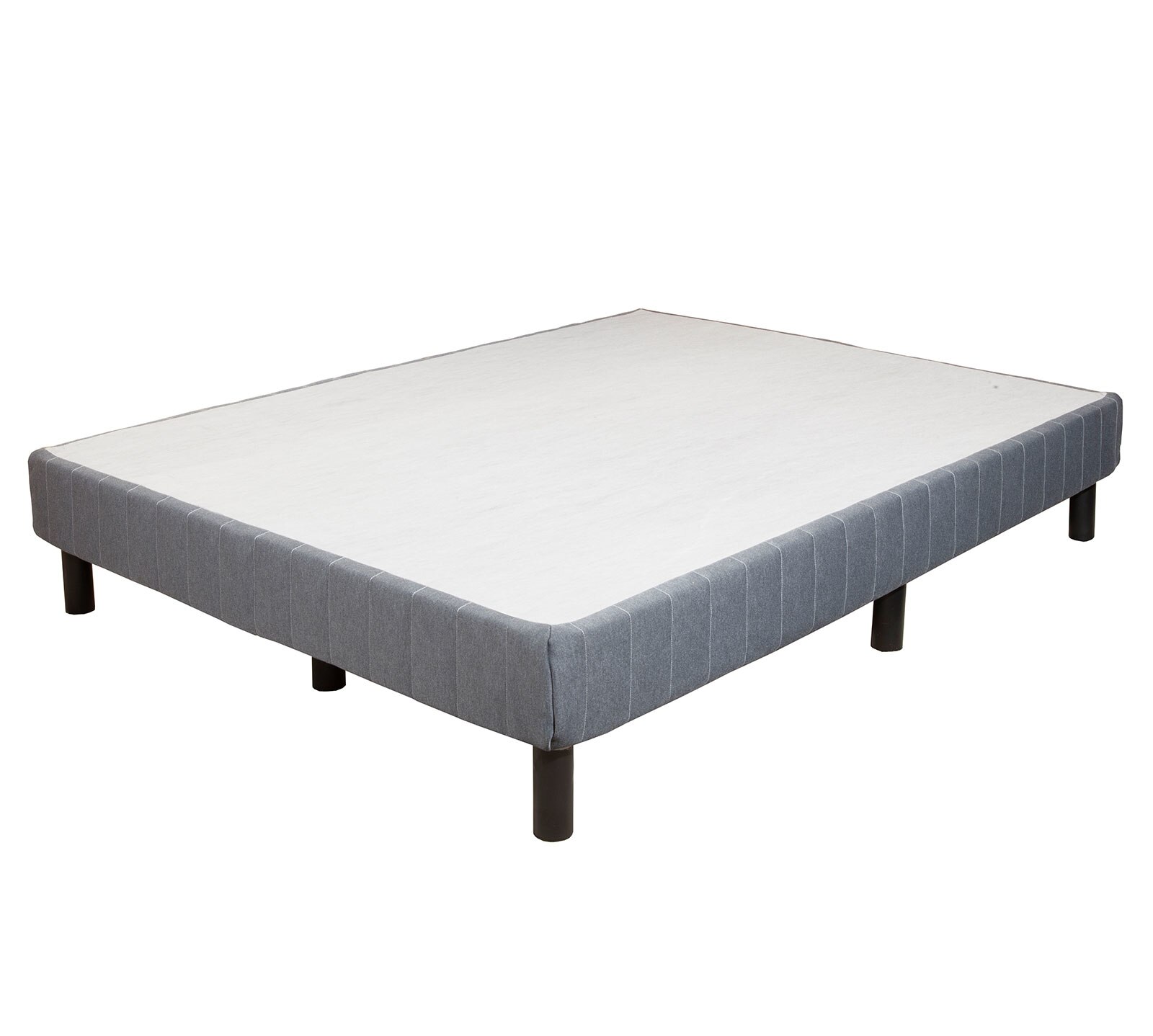
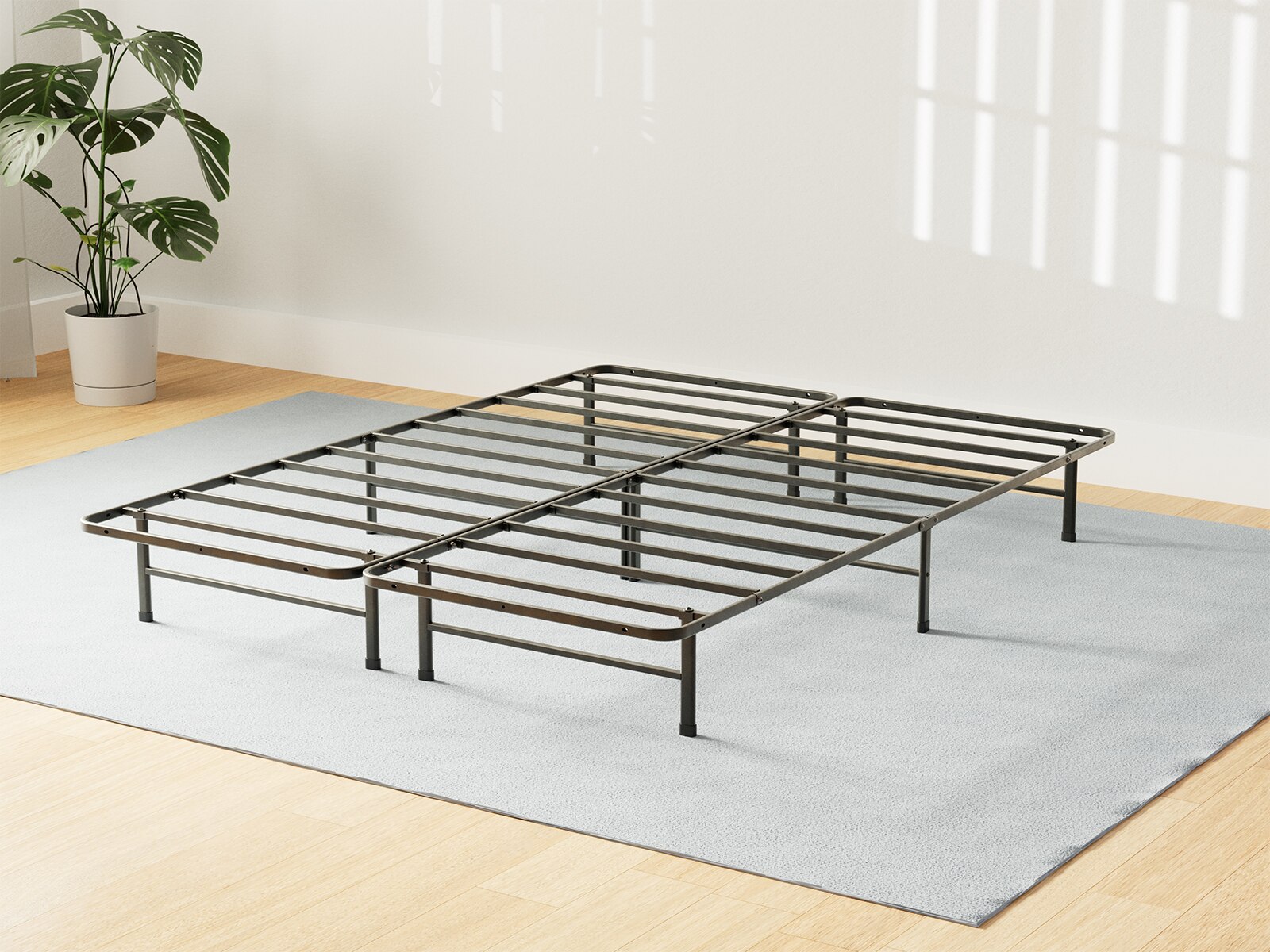
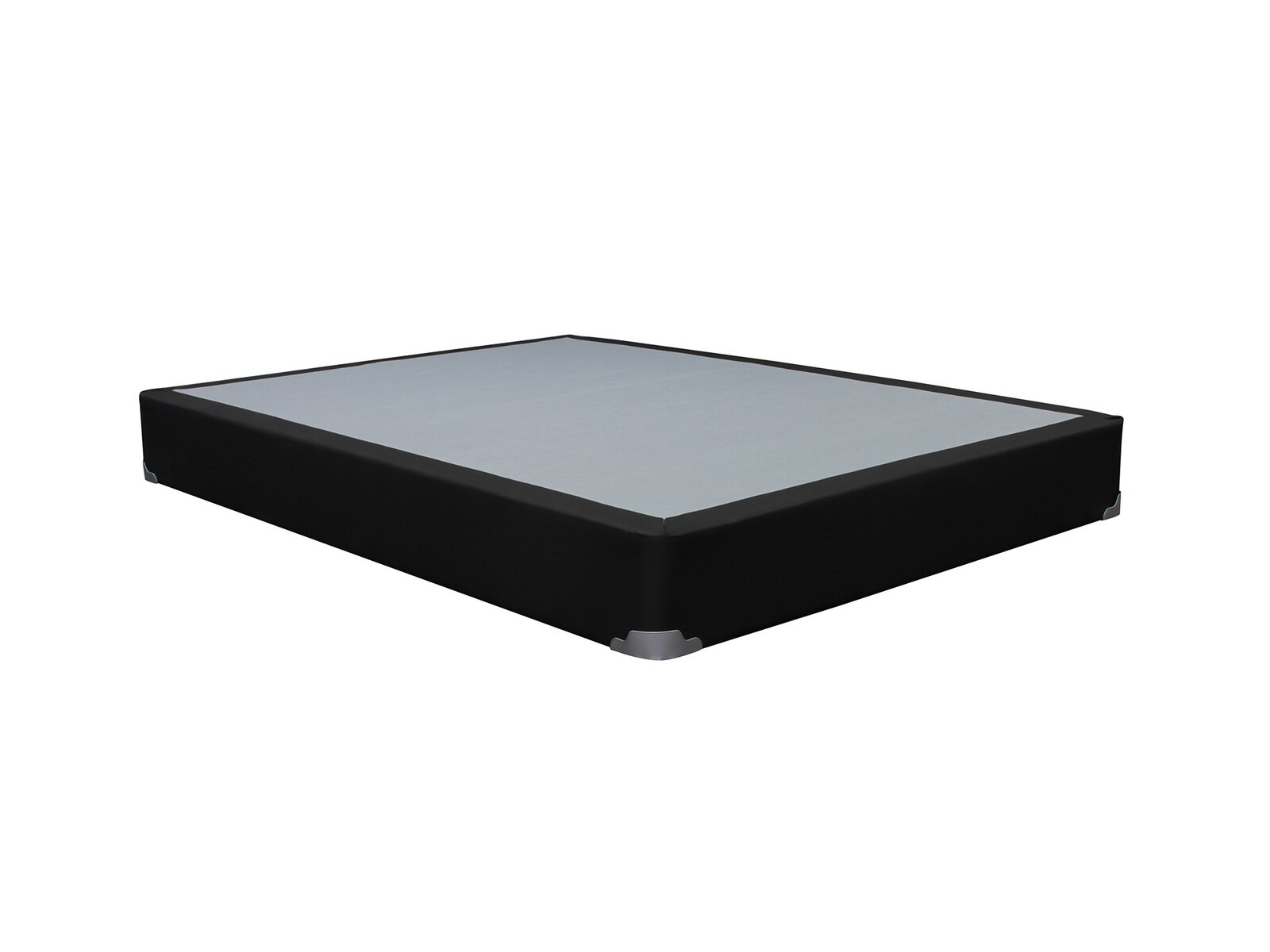
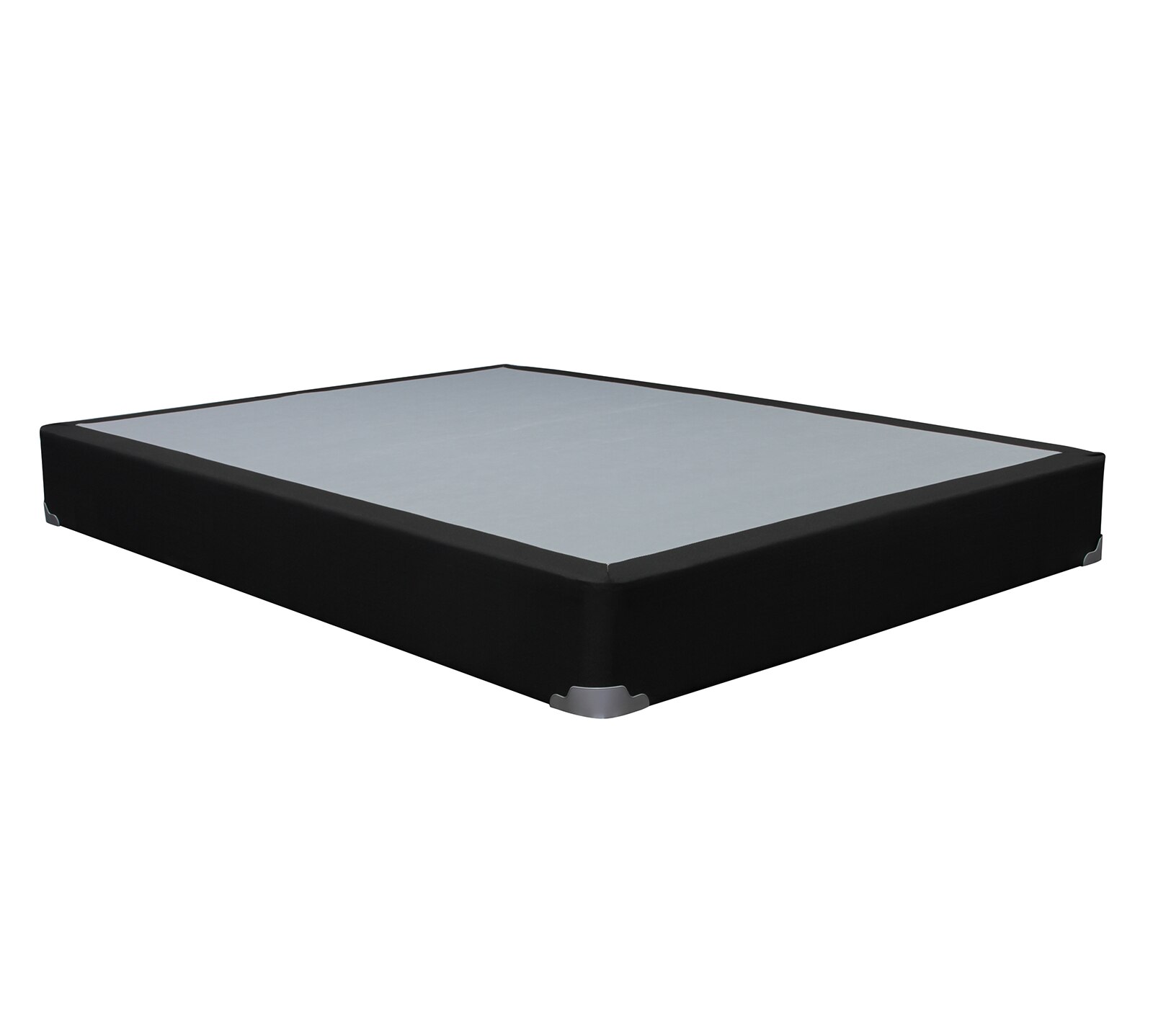
High weight capacity bases are bed foundations designed to support a mattress and its sleepers within a specified weight limit. In a bedroom, that capacity matters because the foundation carries more than the weight of one person: the mattress, bedding and any other supported components may also count toward the total, depending on how the manufacturer defines the rating. These bases can be a practical choice for people with larger bodies, couples sharing a bed or anyone pairing a foundation with a substantial mattress. The most useful comparison starts with the stated capacity and its accompanying details, rather than the appearance of a thick frame or heavy legs. A base’s own weight is not the same as the amount it can support, and a weight rating does not automatically describe how the base performs while adjusting. For powered designs, the manufacturer’s instructions should explain any limits that apply during movement as well as when the sleeping surface is flat. Capacity also needs to be considered alongside size. A queen mattress needs a foundation intended for its dimensions, while a California King requires a different footprint from a king. Even when the listed sizes match, checking the actual measurements helps account for an existing headboard, side rails and the space around the bed. For couples, a shared foundation and a split configuration create different arrangements for support and movement. A split setup may allow each sleeper to adjust independently, but any stated capacity must be understood as applying to an individual section or the complete system, as specified. Weight limits should never be assumed to transfer from one configuration to another. The result is a more useful way to compare high weight capacity bases: as complete support systems whose dimensions, load ratings and intended use need to work together. A strong foundation should suit the people sleeping on it, the mattress resting above it and the room surrounding it.
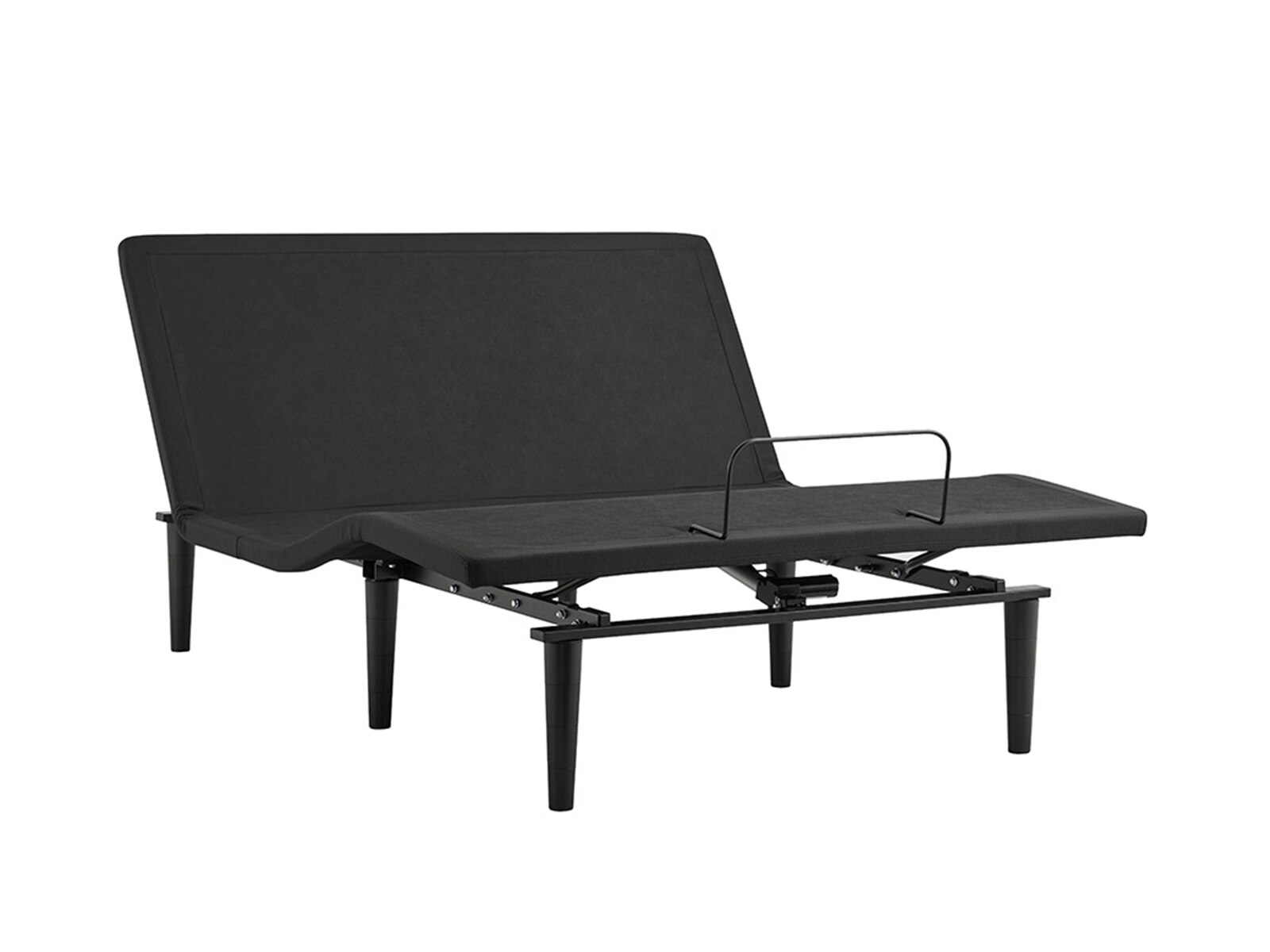
Construction plays an important role in how a bed base supports that load over time. Steel frames, reinforced joints, cross supports and securely attached legs can all contribute to a stable structure, but materials alone do not establish capacity. The design and tested rating of the complete base are what matter. A broad sleeping surface still needs consistent support beneath it, whether that comes from a deck, slats or another manufacturer-approved structure. Center supports and additional legs may be essential parts of the system rather than optional extras, especially across wider beds. Those details can affect mattress compatibility as much as the frame’s strength does. Foam, latex and innerspring mattresses have different support requirements, and some mattresses are not intended to bend on an adjustable foundation. Slat spacing, surface design and any requirements in the mattress warranty deserve attention before the two are paired. On an adjustable base, upholstery covers the moving structure, while retainers or other mattress-securing features help keep the mattress positioned as the surface changes angle. A high capacity rating does not necessarily mean a base offers head elevation, foot elevation or independent controls; those are separate features. For sleepers interested specifically in raising the upper portion of the bed,
Head Lift Bases offer a related category to explore while keeping weight capacity and mattress fit in view. Adjustable positioning can make reading a few chapters, watching a program or settling into an evening routine more comfortable, without requiring a stack of pillows behind the shoulders. Couples may value separate controls when one person prefers to sit up while the other lies flat. The mattress must be flexible enough for the intended movement, however, and its thickness can influence how the adjusted surface feels. Everyday comfort depends on that whole combination, not just the number of functions on a remote. A supportive base provides the structure; the mattress above it remains a major influence on cushioning, contouring and the feel of the bed.
Living with a high weight capacity base also involves practical details that are easy to overlook when attention stays on the load rating. Bed height is one example. The combined height of the legs, foundation and mattress affects how easily a sleeper can sit down, stand up or place both feet on the floor at the edge. Taller is not automatically more comfortable, and changing leg height is appropriate only when the base is designed for that adjustment. A substantial frame also needs a clear route into the bedroom, with enough space through doorways, around corners and beside the intended bed position. Assembly requirements matter because a missing support leg or improperly tightened connection can undermine the structure the rating depends on. Once assembled, the base should rest on a suitable, level surface, with all required supports contacting the floor as directed. Decorative bed frames introduce another fit consideration: some bases can sit within compatible surrounds, while others require a particular setup or clearance for moving sections. Powered designs need access to an appropriate outlet and room for cords to remain clear of hinges and lifting mechanisms. Underbed space should not be treated as storage unless the design allows it; a box that fits beneath a flat bed may obstruct an adjustable section when it moves. Routine care is generally straightforward but should follow the manufacturer’s directions. Upholstered surfaces may need gentle vacuuming or approved spot cleaning, while electrical components should be protected from moisture. Periodic checks for loose fasteners, shifted supports or damaged cords can help identify a concern before it affects everyday use. Unusual movement or a new mechanical sound calls for attention rather than continued adjustment. Used within its stated limits and maintained as directed, a high weight capacity base can provide dependable underlying support for nightly sleep, quiet reading and the ordinary routines that make a bedroom comfortable.