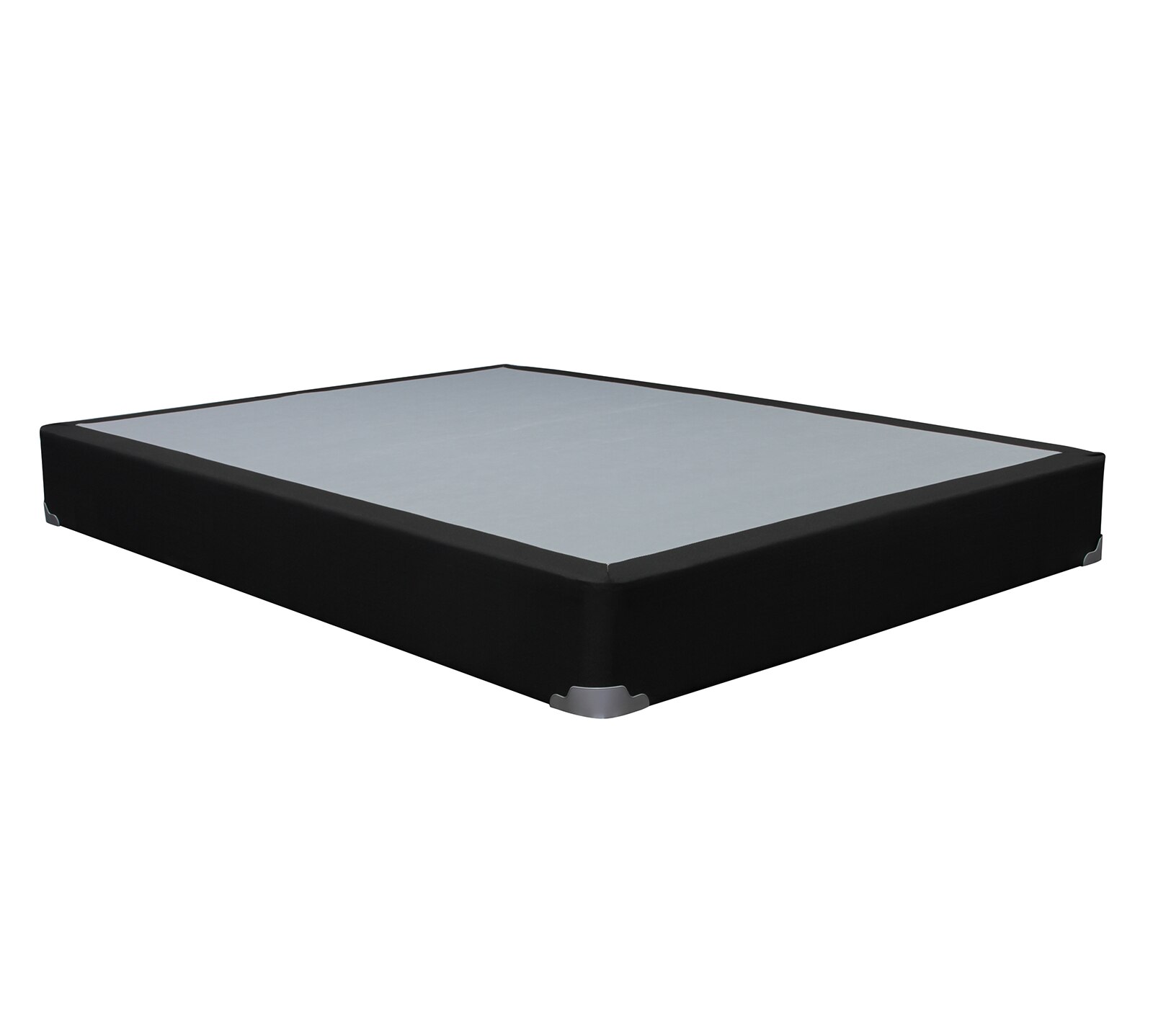
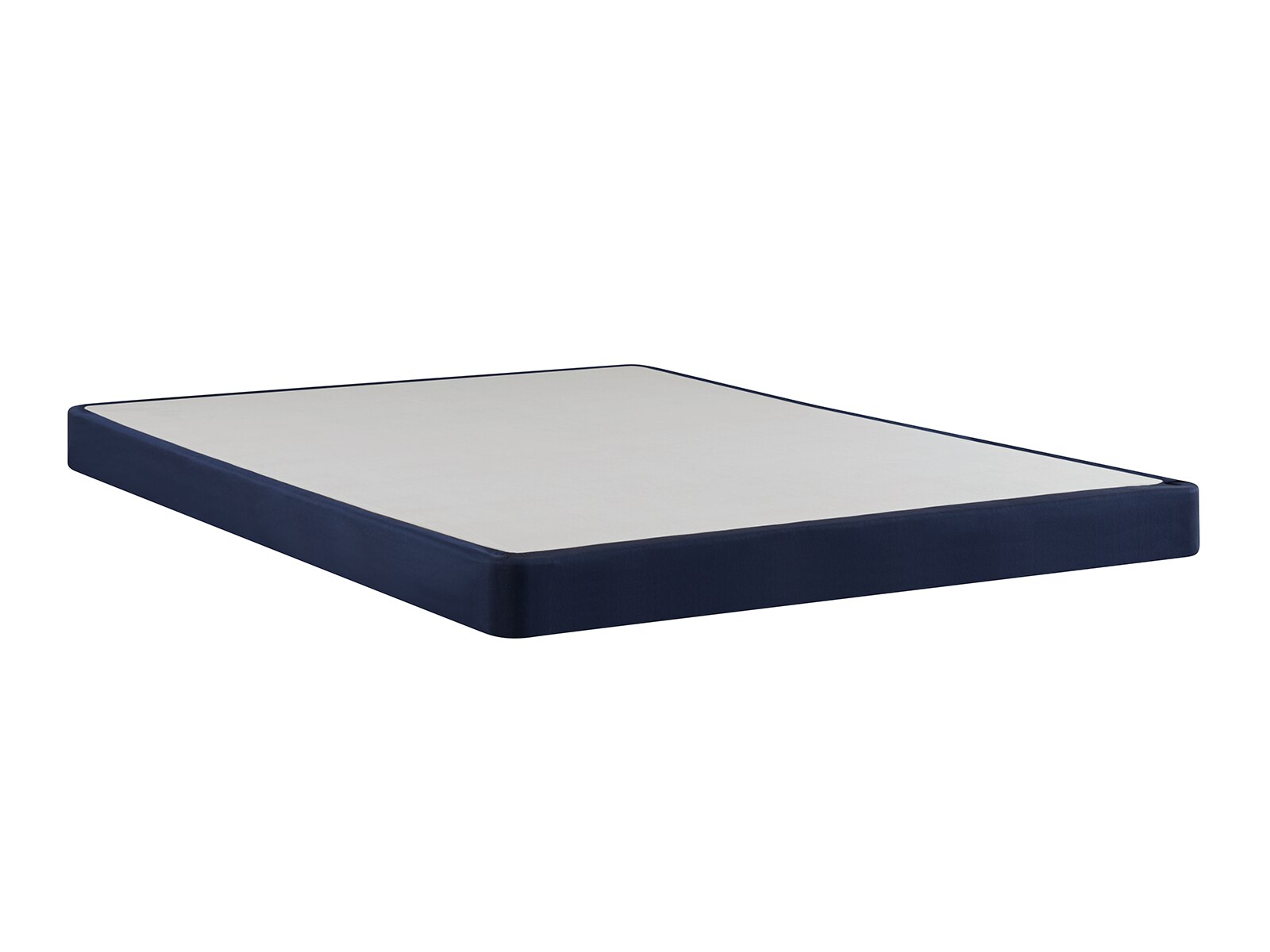
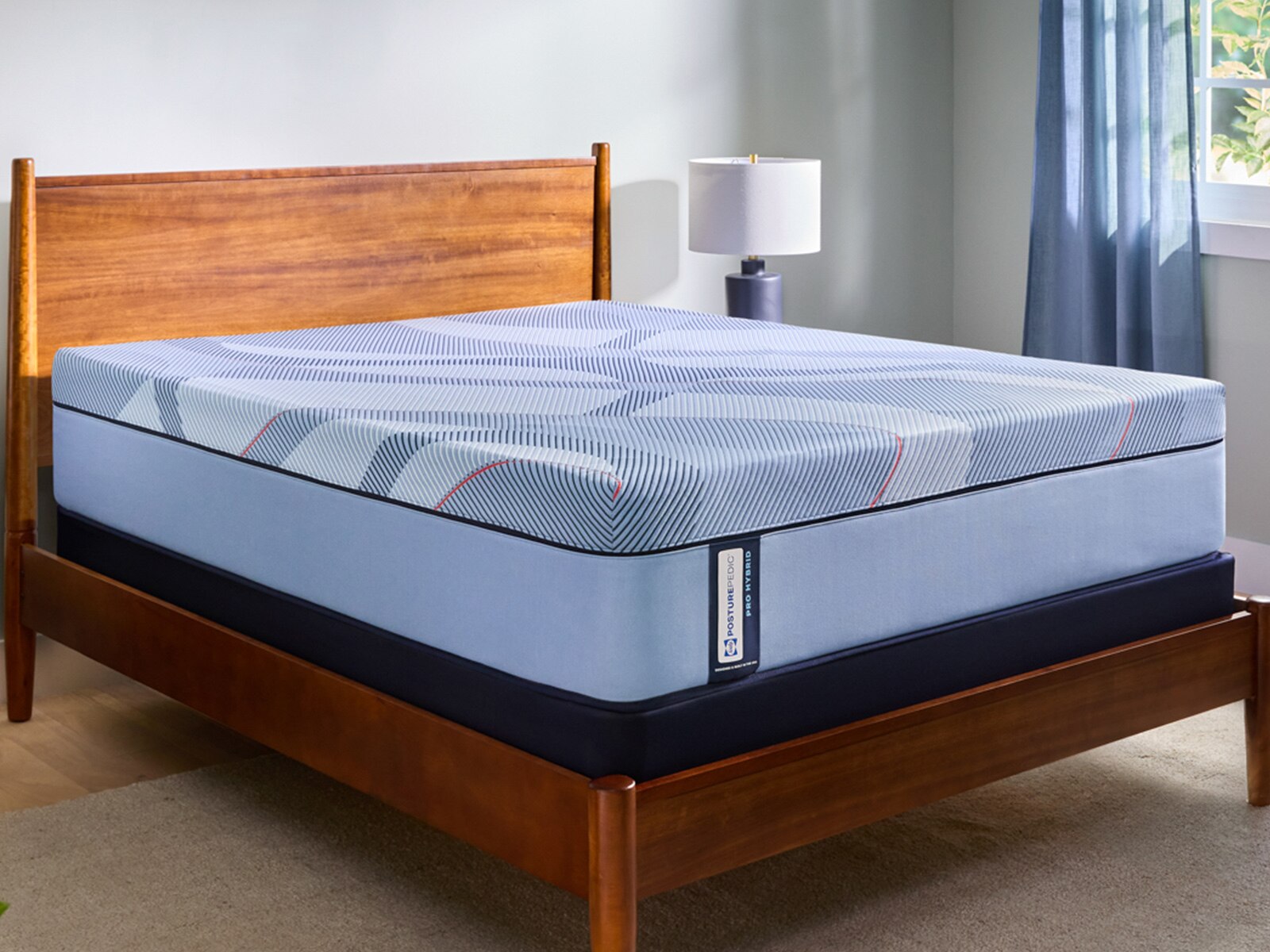
Full size weight distribution foundations are supportive bed bases designed to spread the combined load of a mattress and its sleepers across a stable surface. They sit beneath the mattress and transfer that load to a compatible bed frame, helping limit unsupported areas that can contribute to uneven wear. A well-matched foundation helps the mattress maintain its intended shape and feel, whether the sleep surface contains foam, coils or a combination of materials. It does not change the mattress’s firmness rating or repair existing sagging, but it provides the underlying support the mattress needs to perform as designed. Full size mattresses typically measure approximately 54 inches wide by 75 inches long, making them a practical choice for a single adult, a teenager moving into a larger bed or a guest bedroom with limited floor space. Foundation dimensions can vary slightly, so the actual measurements matter as much as the size label. Inside the base, wood rails, steel components or a combination of the two create a structure that supports the mattress across its width and length. Depending on the construction, the upper surface may use closely spaced slats, a metal grid or another manufacturer-approved support system. Fabric coverings give many foundations a finished appearance, while the internal structure does the supporting work. Although the terms foundation and box spring are sometimes used interchangeably, they do not always describe the same construction. A traditional box spring contains springs that provide some give; many modern foundations offer a more rigid surface without an active spring system. Some metal semi-flex designs also allow limited movement, depending on their construction. The right choice depends on the mattress manufacturer’s requirements rather than appearance alone. Foam and hybrid mattresses often need closely spaced support, while an innerspring mattress may have different requirements. A platform bed can sometimes provide the necessary support without a separate foundation, provided its surface, spacing and weight capacity meet the mattress specifications.
Fit involves more than matching a full size mattress to a full size foundation. The foundation must also sit securely within the bed frame, with adequate support beneath its edges and any required support through the middle. A sturdy foundation placed on an incomplete or incompatible frame can still leave parts of the bed insufficiently supported. For a frame with side rails, check whether cross supports or a center rail with legs are required, and confirm that those components reach the floor as intended. Slat spacing is another important detail: wider gaps may allow some mattress materials to dip between supports, while an approved spacing helps maintain a more consistent surface. Weight capacity should account for the mattress and everyone using the bed, along with any other load specified by the manufacturer. When two people share a full size bed, the foundation and frame need to support their combined weight, even though the sleeping area is narrower than a queen. Height also changes how the bed works in the room. A lower-profile foundation can keep a thick mattress from creating an unusually tall sleep surface, while a taller foundation may suit a thinner mattress or a bed frame designed around a higher setup. Consider the complete height from the floor to the top of the mattress, especially for someone who finds getting into or out of bed easier at a particular height. Headboard placement, footboard clearance and the way bedding hangs can also influence the choice. Upholstery adds a visual consideration without replacing the need to evaluate the structure underneath. For a coordinated, fabric-covered look,
Full Size Upholstered Mattress Foundations offer a related category to explore alongside construction and fit requirements. Before bringing a foundation into the room, measure doorways, stair turns and hallways as well as the bed frame. A full size mattress may bend enough to pass through a tight opening, but a rigid foundation generally will not; assembly requirements and packaged dimensions can make a meaningful difference in a small home or upstairs bedroom.
Durability depends on the foundation’s materials, construction and the way the entire bed is assembled and used. Secure joints, properly seated support pieces and a compatible frame help the base carry weight without unnecessary movement. Wood components should remain sound and free of cracks, while metal components should retain their shape with connections that stay secure. Neither material alone guarantees better performance; the design, load rating and mattress compatibility are more useful points of comparison. During setup, follow the assembly directions and use the specified hardware rather than substituting parts that may not fit correctly. A foundation should rest level and remain stable when someone gets into bed, changes position or sits briefly at the edge. If the bed rocks or makes noise, check the frame connections, support legs and foundation placement before assuming the mattress is responsible. Everyday care is usually straightforward. Keep the area beneath the bed accessible enough to inspect supports, remove dust from exposed surfaces and clean fabric coverings only as directed by the manufacturer. Upholstery may call for gentle vacuuming or limited spot cleaning rather than soaking, and any cleaned area should dry completely before bedding is replaced. When moving the bed, separate the mattress, foundation and frame as directed instead of dragging the assembled setup across the floor. Periodic checks are especially useful after a move or after adjusting the bed frame, when hardware may need attention. A guest bed needs the same compatible support as an everyday bed, even if it is used less often. Likewise, a teenager’s bed should be matched to its expected load and regular use rather than selected only for its dimensions. Follow mattress rotation instructions when applicable, but recognize that rotation cannot compensate for missing support underneath. Persistent dips, damaged rails or loose structural connections deserve closer inspection. With the right fit and consistent care, full size weight distribution foundations provide a dependable base that helps preserve the mattress’s intended support and keeps the complete bed stable through everyday use.