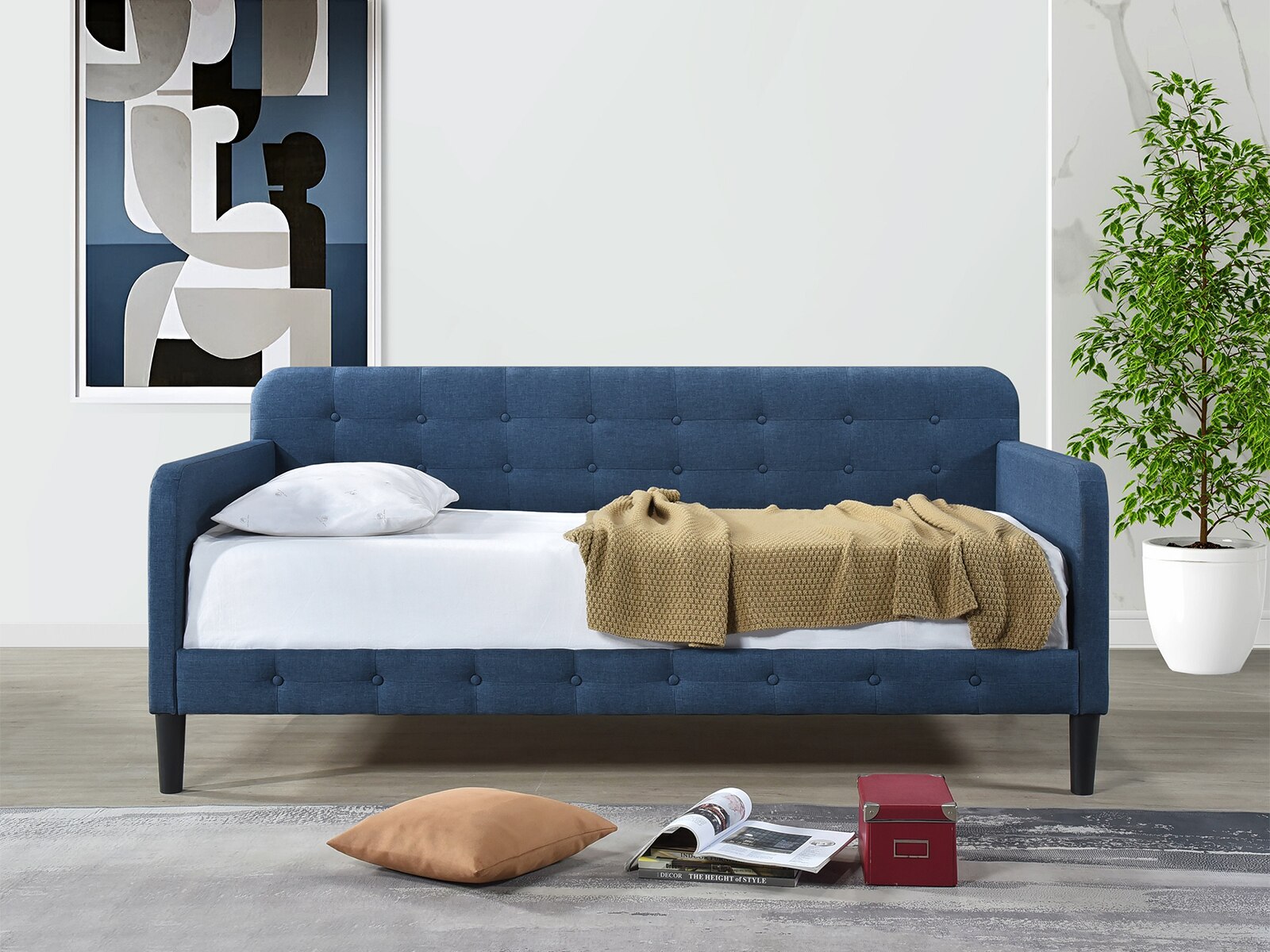
Home improvement essentials are practical household materials, furnishings and finishing touches that help maintain a space, improve its function and make it more comfortable to live in. Their usefulness depends on how well they suit the room, the people using it and the demands of everyday life. A successful update might create a clearer path through a bedroom, make a guest space more welcoming or give a frequently used room a more settled, coordinated feel. Not every improvement involves a major renovation. Better proportions, dependable support and surfaces that are easier to maintain can make a noticeable difference without changing the layout of an entire home. In bedrooms and other places for rest, those details are especially important because comfort and function need to work together. A room can look spacious in a photograph yet feel crowded when a door opens or someone moves around the furniture. Useful dimensions include not only the footprint of a furnishing but also its height, the clearance beneath it and the space needed around moving parts. The route into the room matters, too, particularly in homes with narrow hallways, stair turns or compact doorways. For a shared space, a layout that accommodates different routines helps keep everyday movement straightforward. Someone getting ready early should have room to move without squeezing past the sleeping area, while a guest should be able to reach personal belongings without rearranging the room. Visual balance also plays a role: substantial furnishings may feel appropriate in a larger room, while simpler profiles can help a smaller space feel less crowded. Related
Home Improvement Furniture supports that same emphasis on useful proportions and comfortable surroundings. The most meaningful improvements respond to an actual need, whether that means reducing clutter, refreshing worn surfaces or making a room easier to enjoy from morning to bedtime. That connection between purpose and placement is what turns an assortment of household necessities into a home that feels considered.
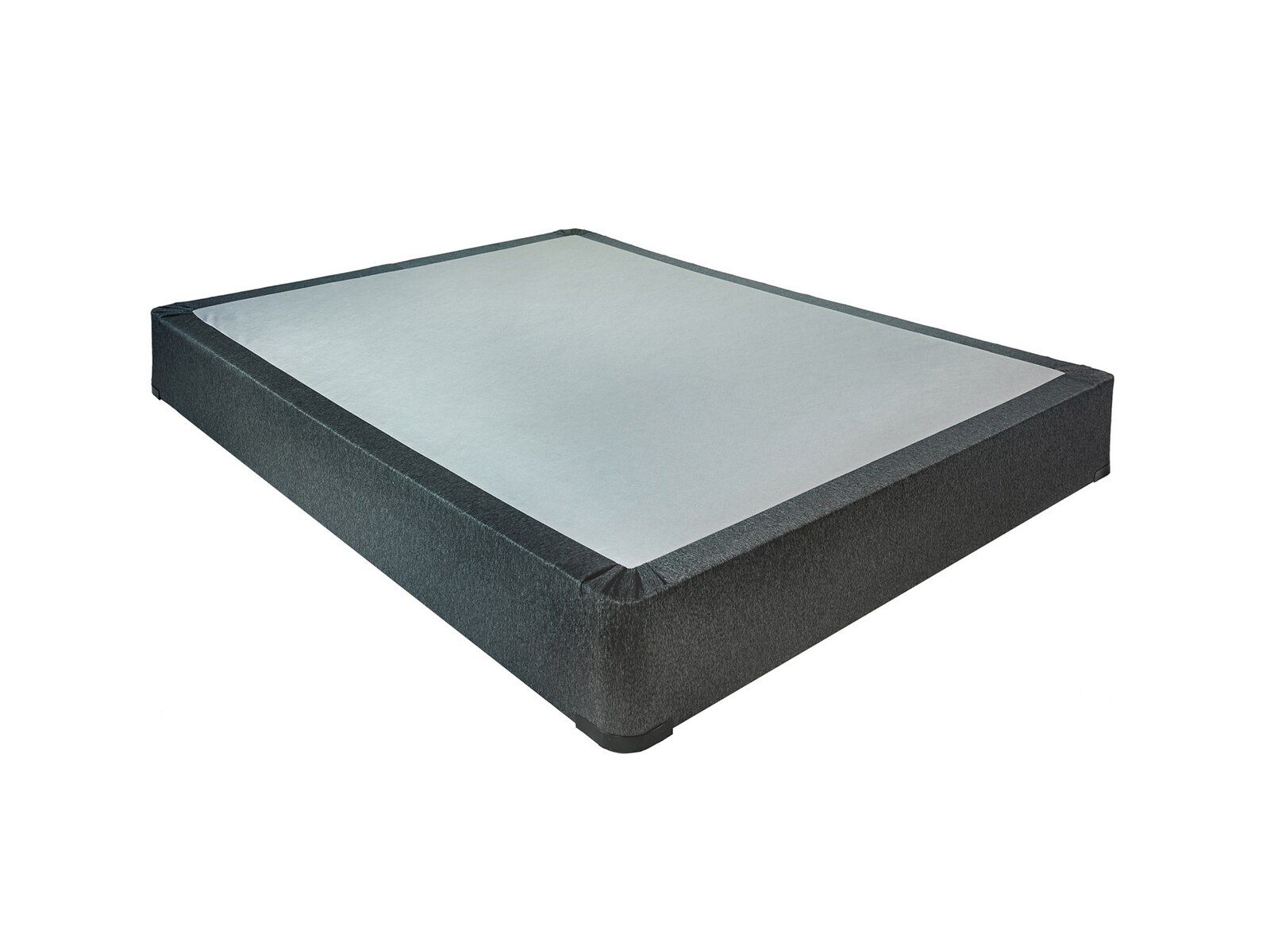
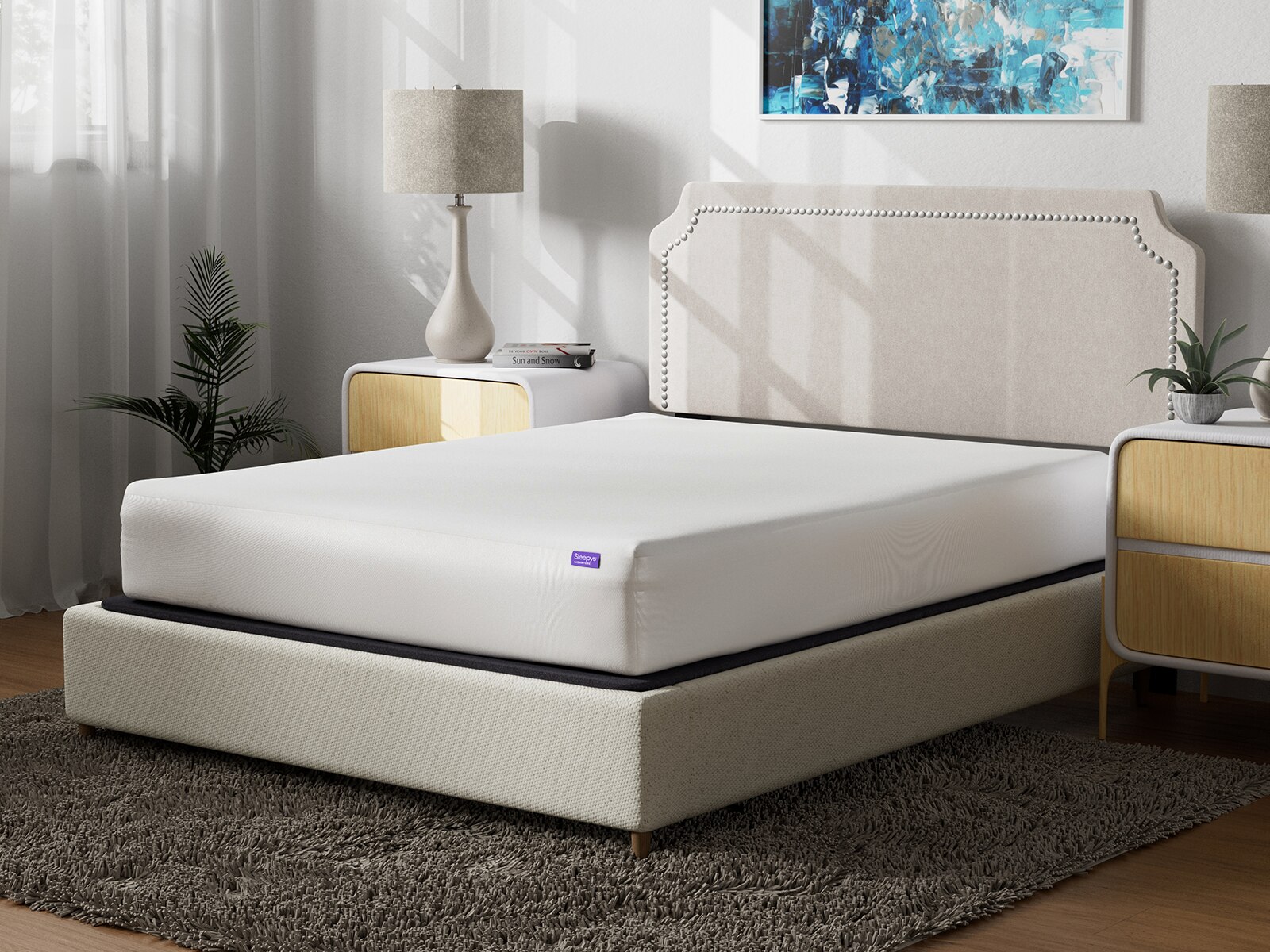
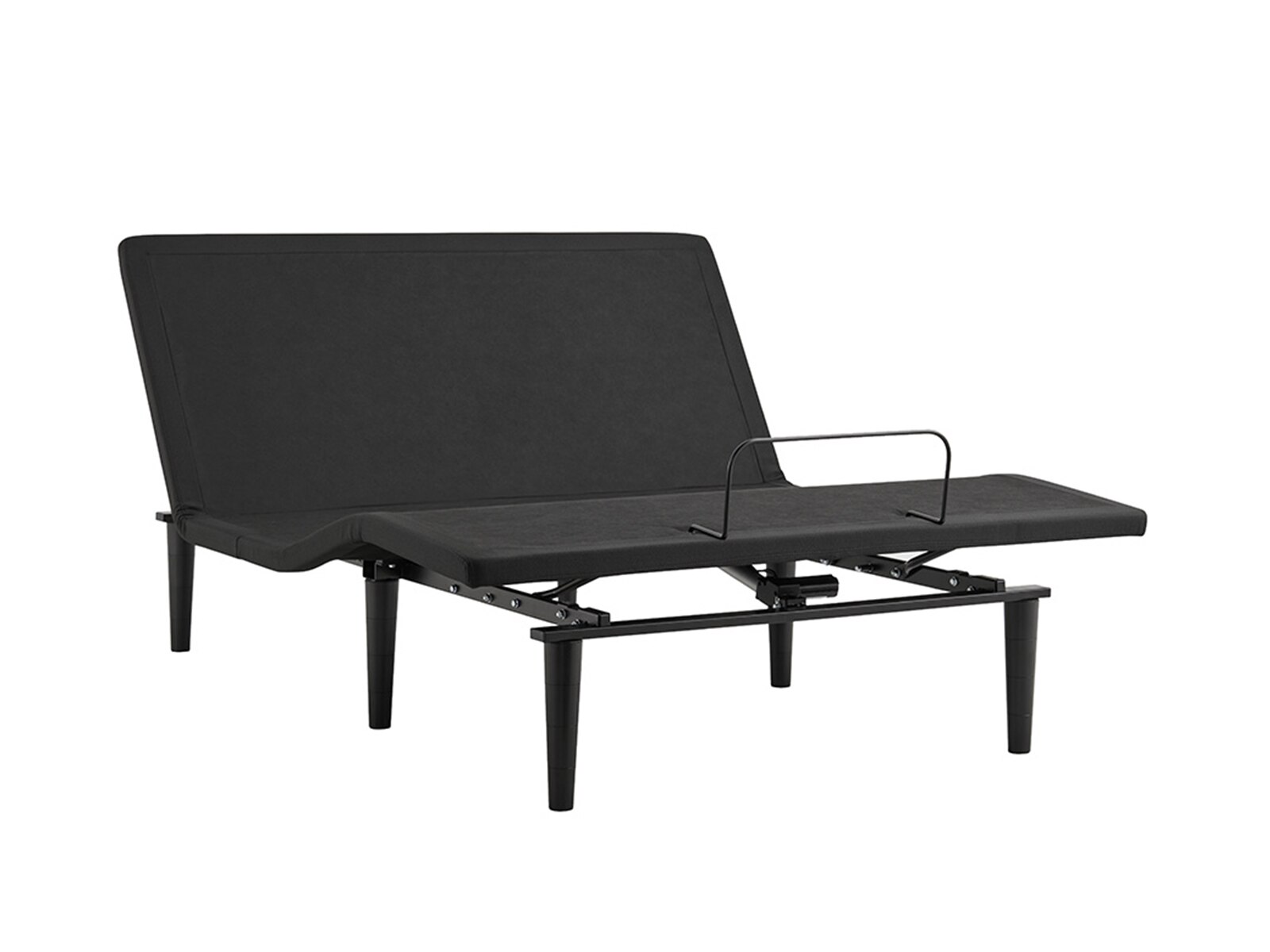
Materials and construction influence how home improvement essentials feel, how they wear and how much attention they need over time. Wood brings visible grain and natural variation, though its surface finish affects how it responds to daily contact and cleaning. Engineered wood differs by construction, thickness and finish, so appearance alone does not tell the whole story. Metal components can provide a clean, structured look, with stability depending on the design, connections and correct assembly. Upholstered surfaces introduce softness and texture, but fabric composition, weave and care requirements deserve as much attention as color. A closely woven textile may feel quite different from a fabric with a pronounced texture, even when both have a similar appearance. In a household with children, pets or frequent overnight visitors, maintenance needs are part of everyday comfort rather than an afterthought. Removable, washable layers can make routine care more manageable when the manufacturer permits machine washing, while other materials may require spot cleaning or professional attention. For sleep-related furnishings, fit involves more than matching the length and width of separate components. Support requirements, attachment points, total height and manufacturer specifications all affect whether pieces work together as intended. A surface that feels comfortable for a brief moment may not provide the same experience through a full night, and a softer feel is not automatically the right choice for every sleeper. Body size, usual sleeping position and personal preference all influence comfort. Shared sleep spaces may also call for attention to movement transfer and usable space. Across these decisions, clear construction details and care information are more useful than appearance alone. A coordinated room does not require every surface to match exactly; repeating a finish, texture or visual weight can create continuity while leaving room for individual preferences. The result feels more natural when the materials suit the way the home is used, rather than requiring daily routines to change around them.
Durability is closely connected to intended use and consistent care. A space used every day places different demands on its furnishings than a room reserved for occasional guests, and a shared household may need more forgiving surfaces than a lightly used private room. Well-made construction still depends on proper setup, appropriate support and use within the manufacturer’s stated limits. Connections may need periodic checks, and protective layers or suitable floor contact points can help reduce avoidable wear where materials meet. Routine cleaning works best when it follows the instructions for the particular finish or fabric. Excess moisture, abrasive cleaners and harsh scrubbing can damage some surfaces, while an unsuitable cleaning method may leave a visible mark even when it removes the original spill. Care labels also clarify whether a textile can be washed, how it should be dried and whether additional treatment is appropriate. Those details matter in a busy home, where something that needs specialized attention may be less practical than an option that fits the household’s regular cleaning routine. Longevity also includes the ability to keep using a furnishing as needs change. Neutral finishes, adaptable proportions and components designed to work together can make it easier to refresh a room without replacing everything at once. For someone moving into a first home, combining households or preparing a guest room, practical comfort often matters more than a perfectly matched appearance. Home improvement essentials can also be thoughtful housewarming gifts when the recipient’s space, preferences and care needs are understood. Size-dependent furnishings and personal comfort choices generally benefit from the recipient’s input, while broadly useful household accents allow more flexibility. Whether the project involves one room or several, the strongest foundation is a clear connection between materials, fit and everyday purpose. A home feels more welcoming when its spaces support ordinary moments: setting belongings down at the end of the day, moving easily through a room and settling into a comfortable place to rest.