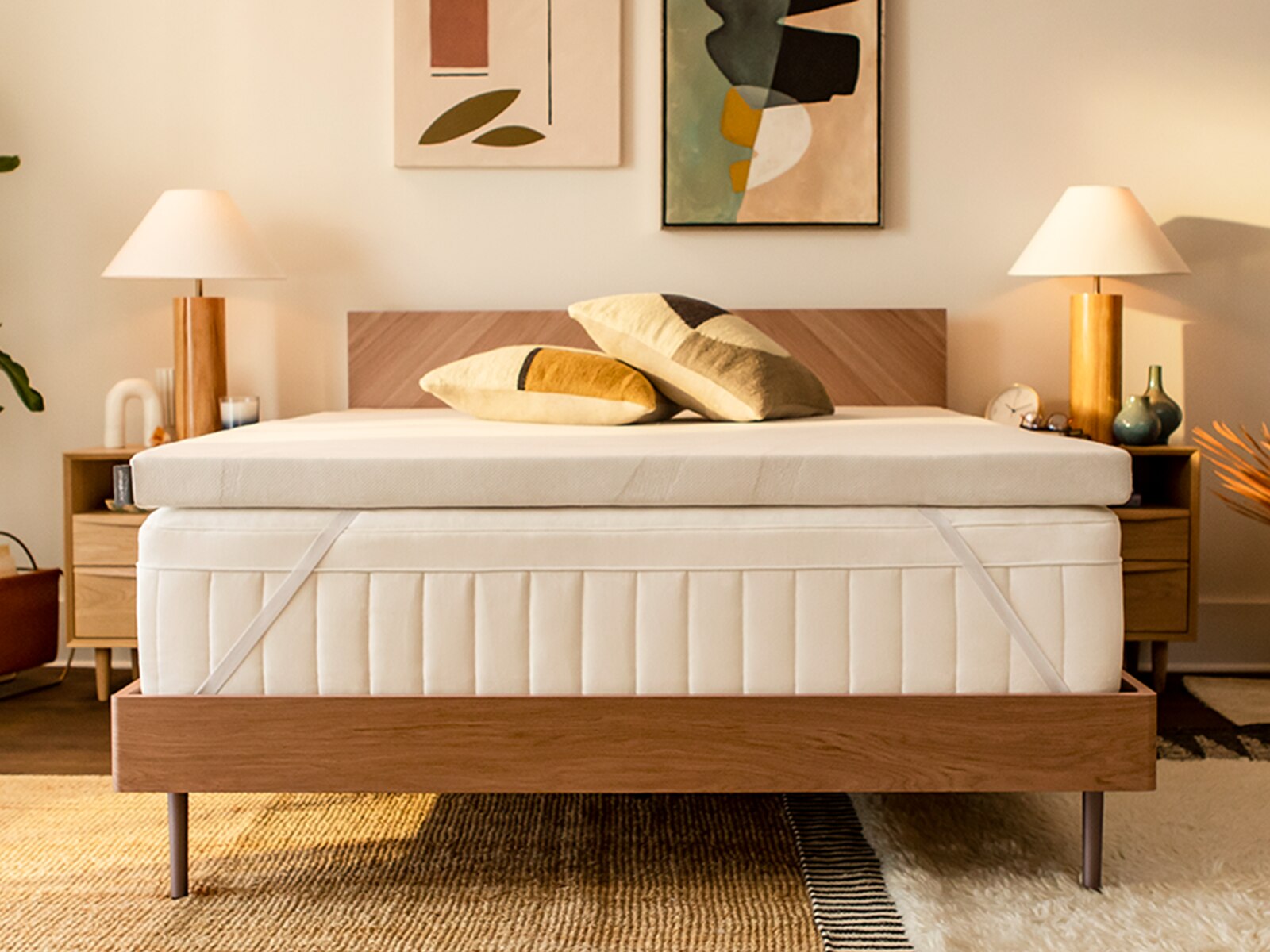
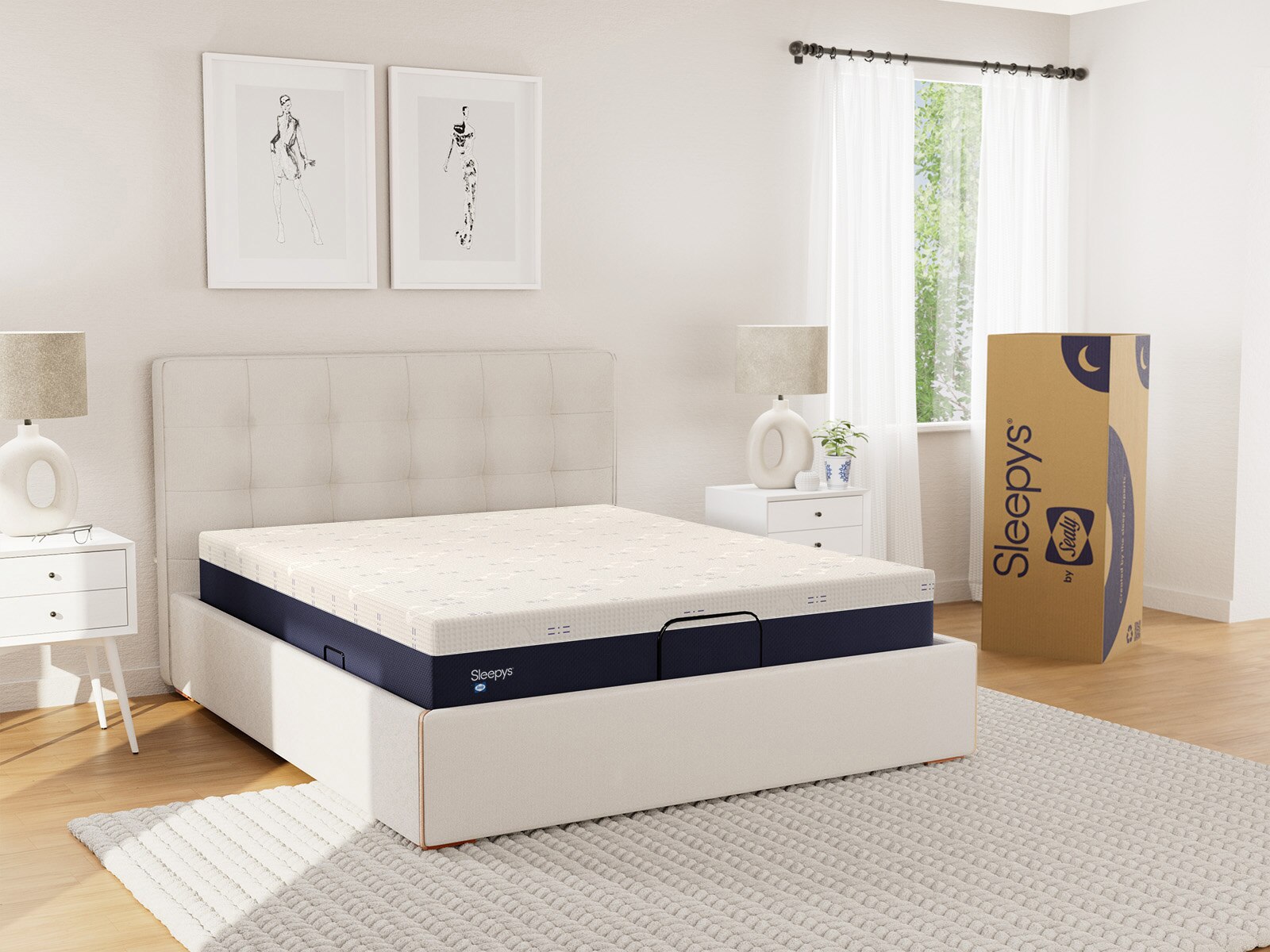
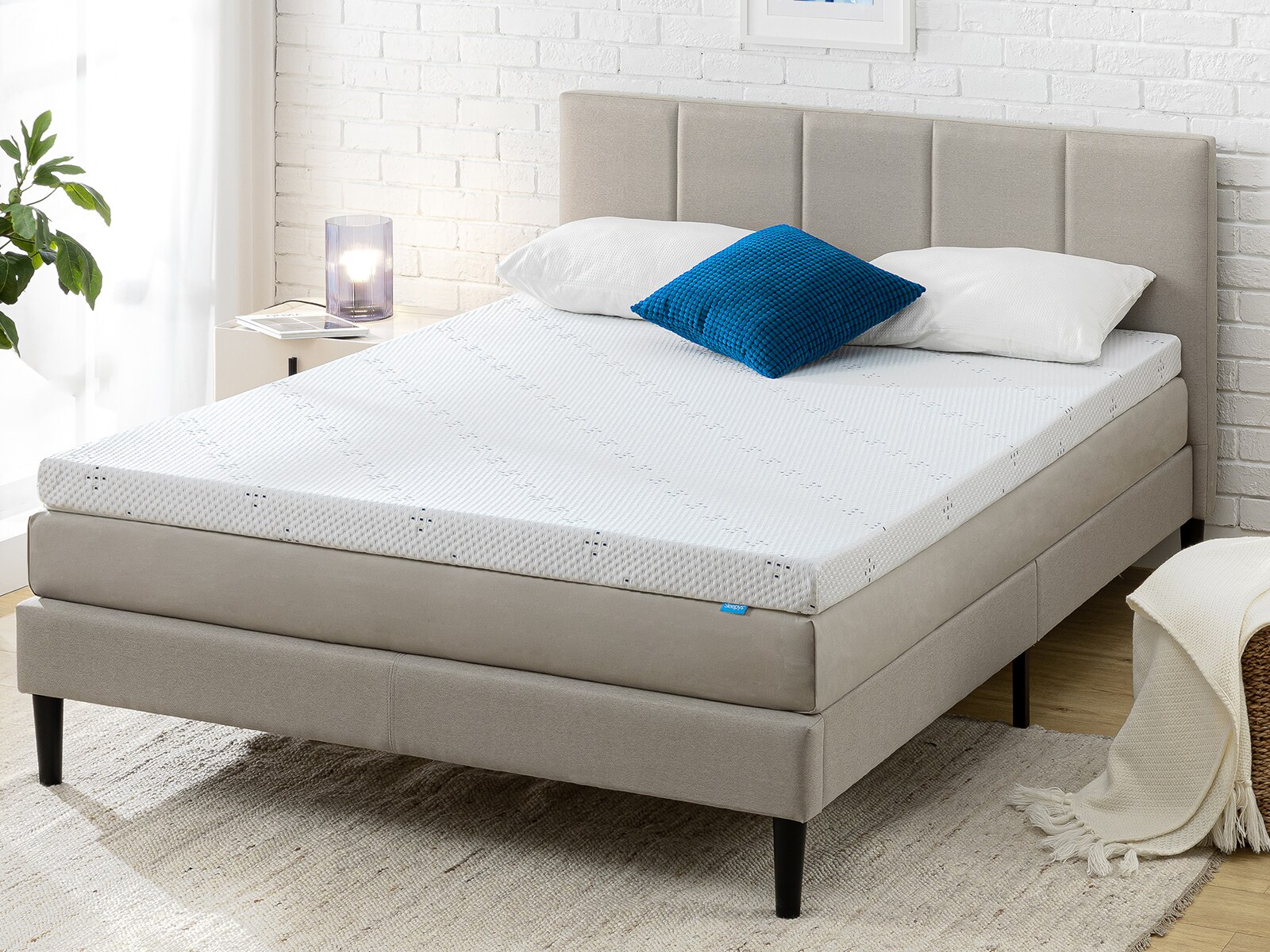
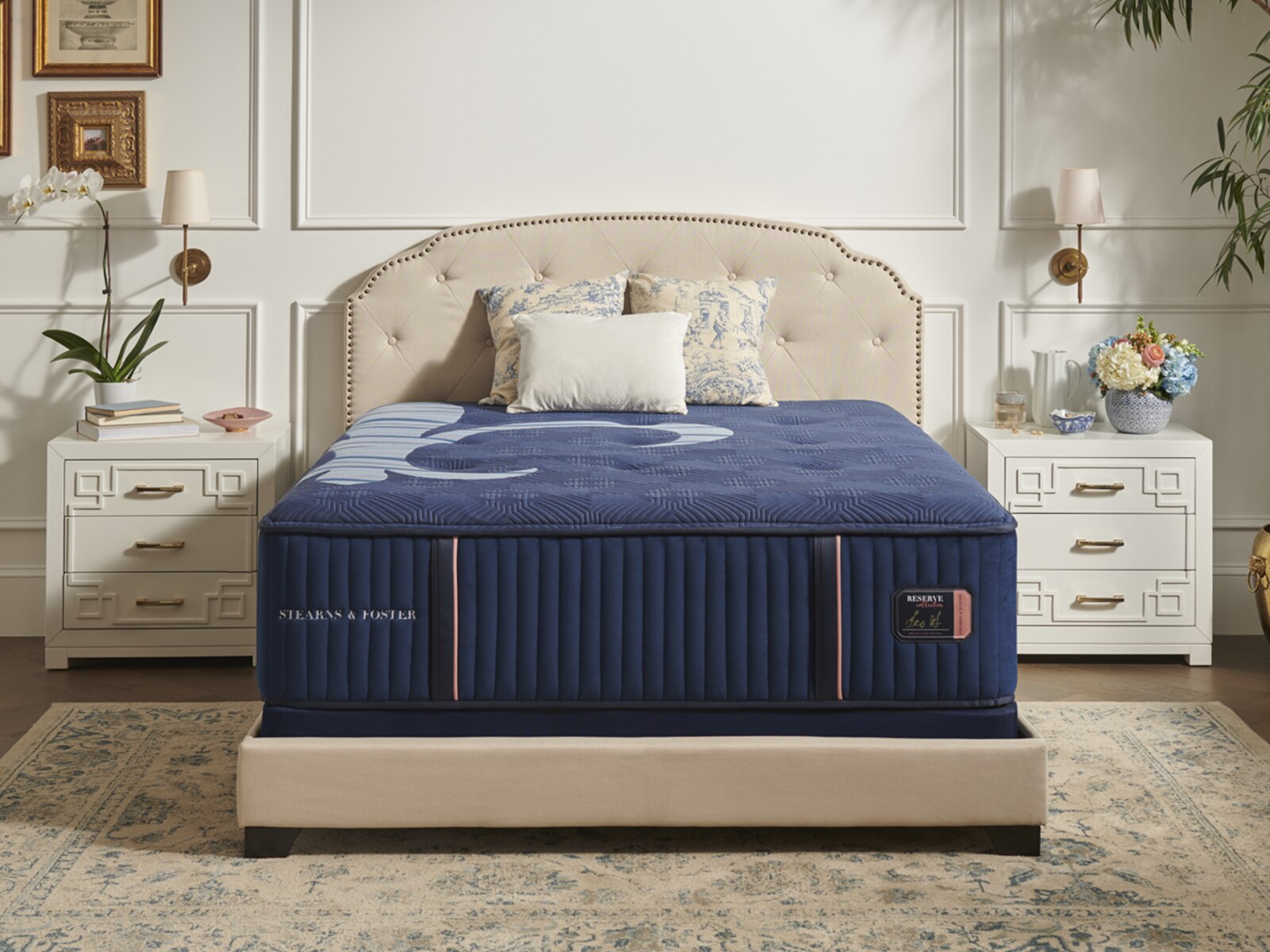
Indulgent memory foam toppers add a body-contouring layer of cushioning to a mattress, creating a more inviting surface without changing the entire bed. Their appeal is the way the foam gradually yields beneath the body, allowing shoulders and hips to settle into the surface rather than pressing against it. Made from viscoelastic polyurethane foam, memory foam responds to body weight and warmth, then slowly returns toward its original shape when pressure is removed. That close contouring can help distribute weight more evenly and soften the feel of a mattress that otherwise feels too firm. A topper is different from a lightly padded mattress pad: it provides a distinct comfort layer, while a pad generally adds a smaller amount of cushioning or surface protection. Thickness influences how noticeable that change feels. A two-inch memory foam topper usually offers a more subtle adjustment, while a three- or four-inch profile can create deeper cushioning and a more enveloping feel. Thickness alone does not determine softness, however; foam formulation, firmness and body weight also affect how far a sleeper settles into the material. Side sleepers may appreciate extra cushioning around the shoulders and hips, especially on a mattress that leaves those areas feeling compressed. Back sleepers often prefer contouring that cushions the body without allowing the pelvis to sink excessively, while stomach sleepers may need a thinner or firmer layer to maintain a more level resting position. For someone who changes positions frequently, the ease of turning matters as much as the initial softness. Slow-response foam can feel pleasantly cradling, but a deeply cushioned surface may take more effort to move across. The underlying mattress remains responsible for the bed’s foundational support. A memory foam topper can adjust surface comfort, but it cannot repair sagging, broken components or lasting body impressions. The most satisfying pairing is typically a sound, supportive mattress with a topper that adds the desired amount of softness rather than compensating for structural wear.
Materials and construction help distinguish one memory foam feel from another. Traditional memory foam is known for its close contouring, while open-cell structures and ventilation channels are designed to encourage airflow through the material. Gel infusions, graphite and breathable covers may also be used to help manage heat at the sleep surface, although their effectiveness varies with construction, bedding and the sleeper’s preferences. Memory foam can retain body heat because it cushions closely around the body, so a cooling feature should be considered alongside the entire bedding setup rather than treated as a guarantee. A breathable fitted sheet and a cover that allows moisture to move away from the surface can complement the topper’s design; thick layers placed over the foam may change both its feel and its airflow. Foam density is another useful distinction. Density describes how much material is present within a given volume, not simply how firm the topper feels. Higher-density foam may offer greater resistance to wear, but overall durability also depends on material quality, use and care. A softer, denser foam and a firmer, less-dense foam can feel quite different even when their thicknesses match. Covers influence the everyday experience, too. A smooth stretch-knit cover can allow the foam to contour freely, while a quilted cover may add a different surface texture. Removable covers can make upkeep more convenient when their care instructions permit washing. Elastic corner straps, fitted skirts and textured undersides are common ways to help limit shifting, particularly for sleepers who turn often or sit along the edge of the bed. Correct sizing matters just as much as these securing features. A topper should match the mattress’s actual width and length, whether the bed is twin, Twin XL, full, queen, king or California King. The combined height of the mattress and topper determines the fitted-sheet depth needed. Sheets that accommodate the added height without pulling tightly across the surface help preserve the cushioning and keep the corners in place.
The everyday usefulness of indulgent memory foam toppers extends beyond the first impression of a softer bed. They can add comfort to a supportive guest-room mattress, adjust a bedroom surface that feels firmer than expected or create a more cushioned place to stretch out at the end of the day. For couples, memory foam’s ability to absorb some movement may help reduce the sensation of a partner shifting nearby, although the mattress and bed frame also influence motion transfer. A topper can also be a thoughtful gift for someone furnishing a bedroom, provided the mattress dimensions, preferred feel and practical care needs are known. Comfort is personal, so the deepest cushioning is not automatically the best choice for every recipient. Keeping the foam in good condition begins with following its care instructions. Many foam cores are not machine washable and should not be soaked; when spot cleaning is permitted, a small amount of moisture and complete air drying help avoid leaving dampness inside the material. A removable cover should be cleaned according to its label, and a compatible mattress protector can help shield the topper from spills and everyday buildup. Newly unpacked foam may need time to reach its full dimensions, with the manufacturer’s instructions providing the appropriate expansion period. Ventilating the room can help any initial packaging odor dissipate. Periodic rotation may encourage more even wear when the design allows it, while folding, compressed storage and exposure to direct heat should follow the product’s stated guidance. Over time, persistent indentations, crumbling foam or a noticeable loss of cushioning can indicate that the topper is no longer performing as intended. If the underlying mattress has also lost its shape or support, exploring
indulgent mattresses may be more appropriate than adding another comfort layer. On a mattress that remains structurally sound, a well-matched memory foam topper offers a distinct balance of cushioning, contouring and everyday practicality, making the bed feel more welcoming while preserving the support beneath it.