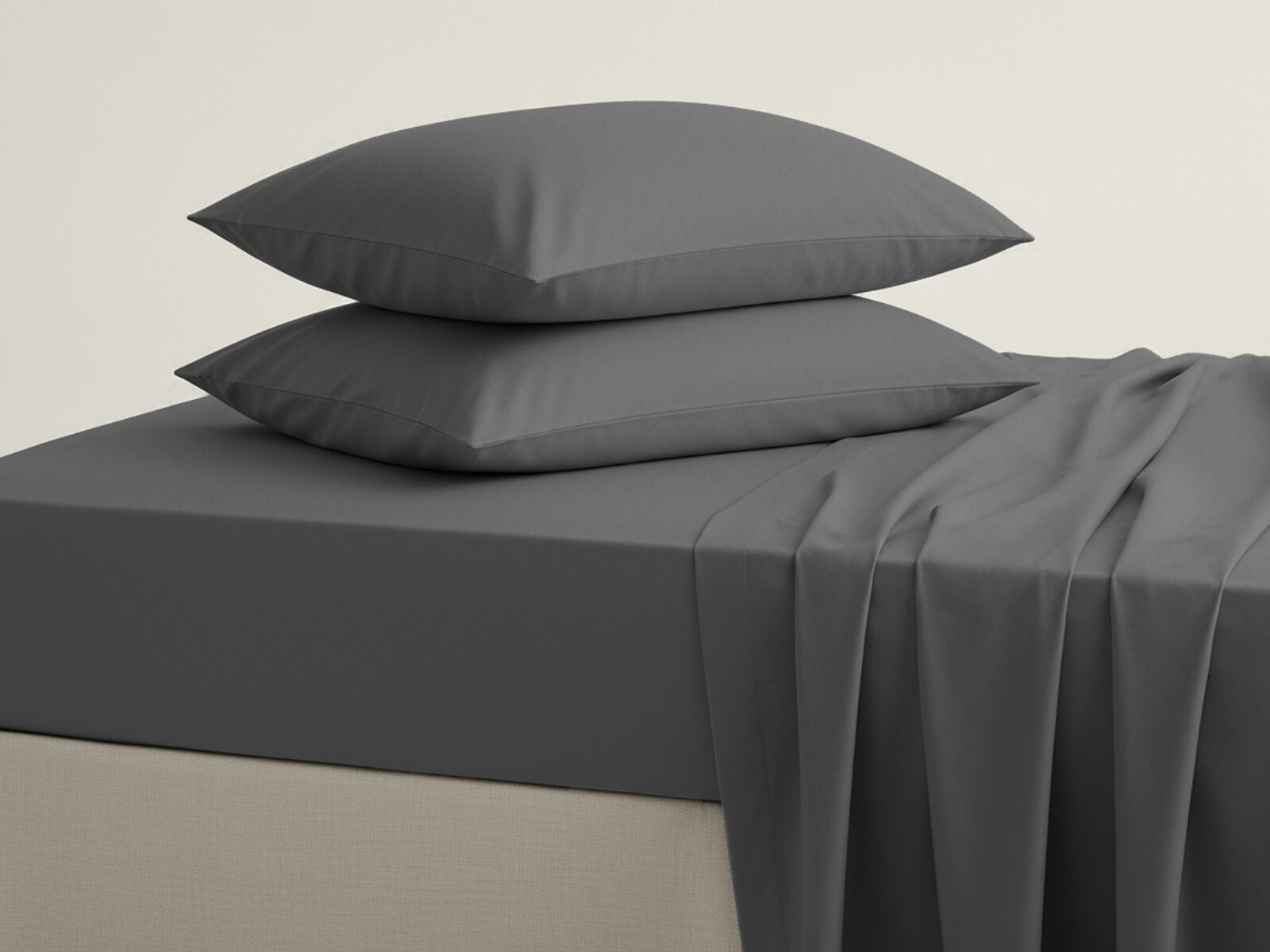
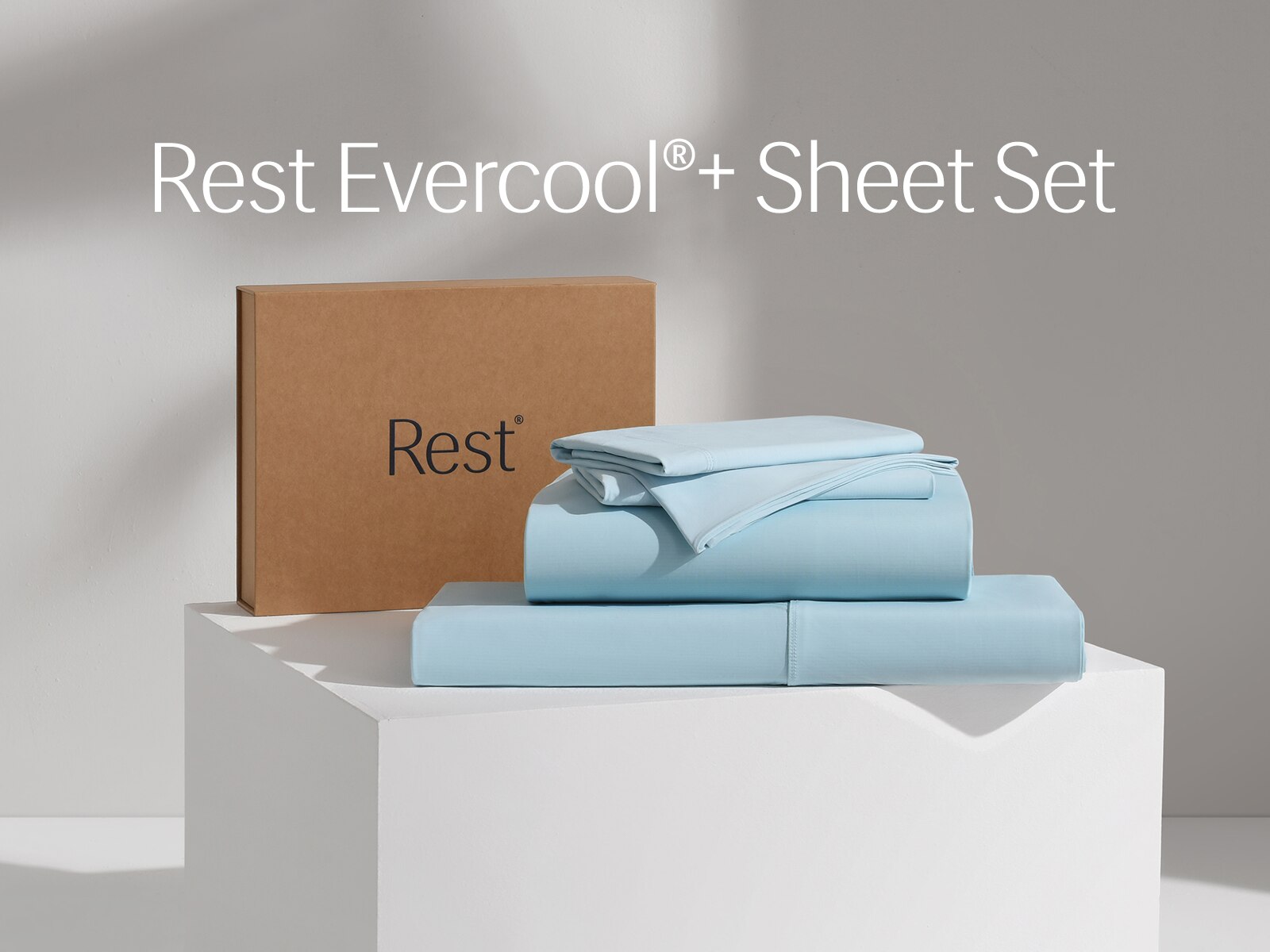
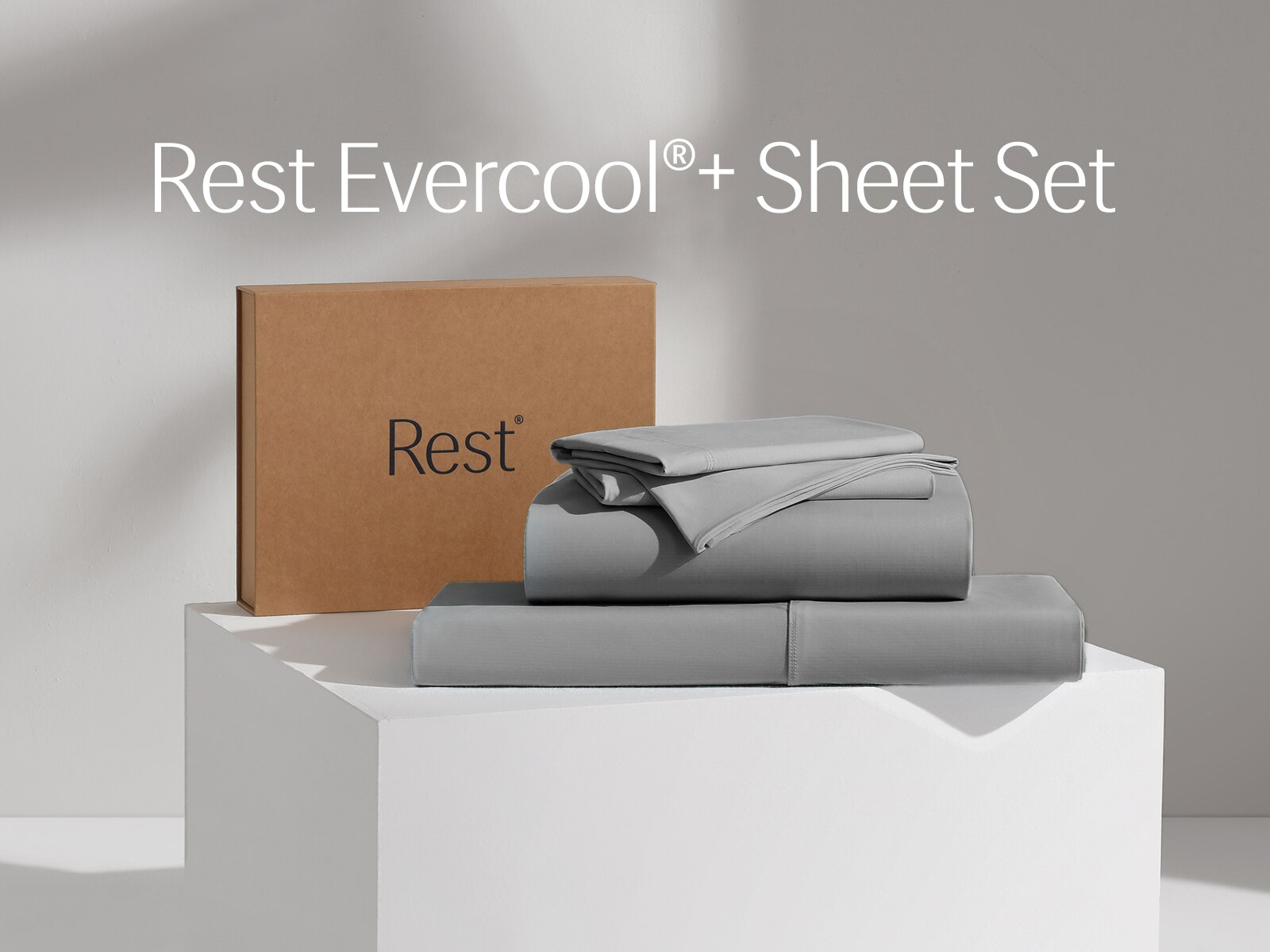
Ivory bedding bundles for hot sleepers combine a soft, neutral palette with fabrics and layers chosen for breathable comfort. The appeal is both practical and visual: a coordinated bed can feel inviting without depending on a thick comforter or several decorative layers. Ivory has a warmer appearance than bright white, pairing naturally with pale wood, textured upholstery and darker furniture, but that visual warmth does not determine how warm the bedding feels. Fiber, weave, fabric weight and fill are more useful clues. Cotton percale typically has a crisp, matte finish and a breathable structure that suits sleepers who prefer sheets that feel light rather than plush. Cotton sateen usually feels smoother and drapes more closely against the body, though its warmth varies with construction and weight. Linen has a more textured surface and an airy feel, while lyocell fabrics are often smooth and absorbent. None of these fiber names alone guarantees a cool night; the finished fabric and the layers above and below it matter, too. For shoppers who prefer cotton’s familiar feel,
Cotton Bedding For Hot Sleepers provides a more focused way to explore that material. Thread count is another detail worth putting in context. A higher number does not automatically mean better comfort for someone who wakes up feeling overheated, since a dense fabric may feel heavier than a lighter weave. Descriptions of breathability, fabric weight and moisture management can be more informative than thread count alone. Moisture absorption and moisture wicking also describe different functions: one concerns taking in moisture, while the other concerns moving it through the fabric. For someone who turns a pillow over to find a cooler-feeling spot or pushes the top sheet aside during the night, the goal is bedding that feels comfortable against the skin without adding unnecessary bulk. A coordinated ivory bundle can support that preference while keeping the bed’s appearance calm and cohesive.
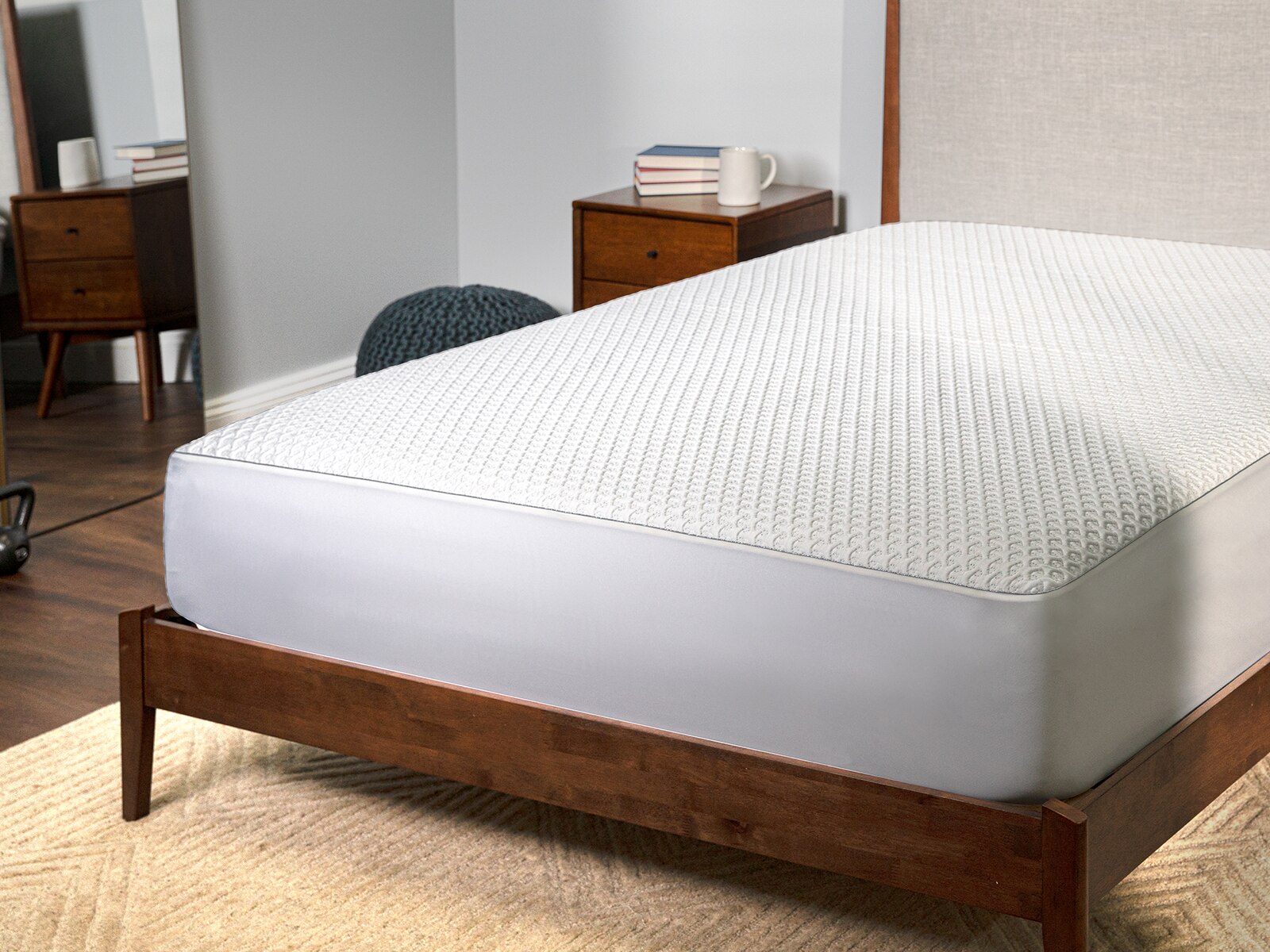
The contents of an ivory bedding bundle matter as much as the fabric itself. Bundles may combine sheets and pillowcases, or they may include a duvet cover, comforter, shams or other layers, so the included pieces determine how the set fits into an existing bed. A sheet-focused bundle can refresh the surfaces that touch the skin, while a broader combination can coordinate the entire bed. For hot sleepers, the top layer deserves particular attention. A breathable duvet cover cannot make a dense, heavily filled insert feel lightweight, and a substantial quilt adds insulation even when its outer fabric feels cool at first touch. Fabric that feels briefly cool against a hand is not necessarily the same as bedding that stays comfortable through hours of sleep. The complete arrangement, including the mattress protector, affects the experience. Lightweight, removable layers give sleepers more control without requiring an entirely different setup. This can be especially helpful for partners with different comfort preferences: a shared sheet set can create a consistent foundation, while a separate light blanket adds coverage only where it is wanted. Fit also influences everyday comfort. A fitted sheet needs enough pocket depth for the mattress and any topper, but excess fabric can gather into folds that feel distracting beneath the body. Checking the actual mattress height against the sheet dimensions is more reliable than choosing by the bed size alone. Pillowcases should correspond to pillow dimensions, and duvet covers should match their inserts closely enough to limit empty corners or bunching. On a deeper mattress, the top sheet’s dimensions also affect how much fabric remains available for tucking. Someone who changes positions frequently may appreciate a secure fitted sheet and a loose top layer that moves easily. Someone who dislikes fabric resting closely against the legs may prefer a crisper weave over a fluid drape. These tactile differences help distinguish bundles that look similar in photographs.
Care and durability are especially relevant for bedding that is washed frequently. Hot sleepers may prefer to refresh sheets and pillowcases often, making clear laundering instructions and manageable fabric weights useful considerations. The care label should guide water temperature, detergent choice and drying method because different fibers and finishes can require different treatment. Excessive dryer heat can contribute to shrinkage and wear, while overloading the washer can keep bedding from circulating and rinsing thoroughly. Detergent residue may leave fabric feeling less pleasant against the skin, and some softeners can interfere with moisture-management finishes. Ivory also benefits from thoughtful color care. Its creamy tone may change if treated with a whitening product intended for bright white fabric, so stain treatment should be compatible with both the fiber and the color. Prompt attention to spills, makeup or body oil helps preserve the appearance without relying on aggressive cleaning. Durable bedding is not necessarily thick bedding; secure seams, well-finished hems and fabric suited to regular washing can be more useful than weight alone. Some natural-fiber fabrics develop a softer hand with laundering, while wrinkles may remain part of their relaxed appearance. Shoppers who want a crisp, tailored bed may value a different finish from those who enjoy gently rumpled linen. Color deserves a close look as well: ivory can lean cream, beige or pale yellow, and separately purchased pieces may not match exactly. Coordinated bundles reduce the guesswork of combining those shades, while subtle differences in texture keep a neutral bed from looking flat. These qualities make ivory bedding a thoughtful housewarming or wedding gift when the recipient’s bed size, fabric preferences and care routine are known. For personal use, the strongest choice is a bundle that matches how the bed is actually used, from frequent washing to shared sleeping arrangements. Breathable construction, suitable dimensions and easy-to-manage layers keep the focus on comfortable rest rather than an elaborate bed that needs to be taken apart every night.