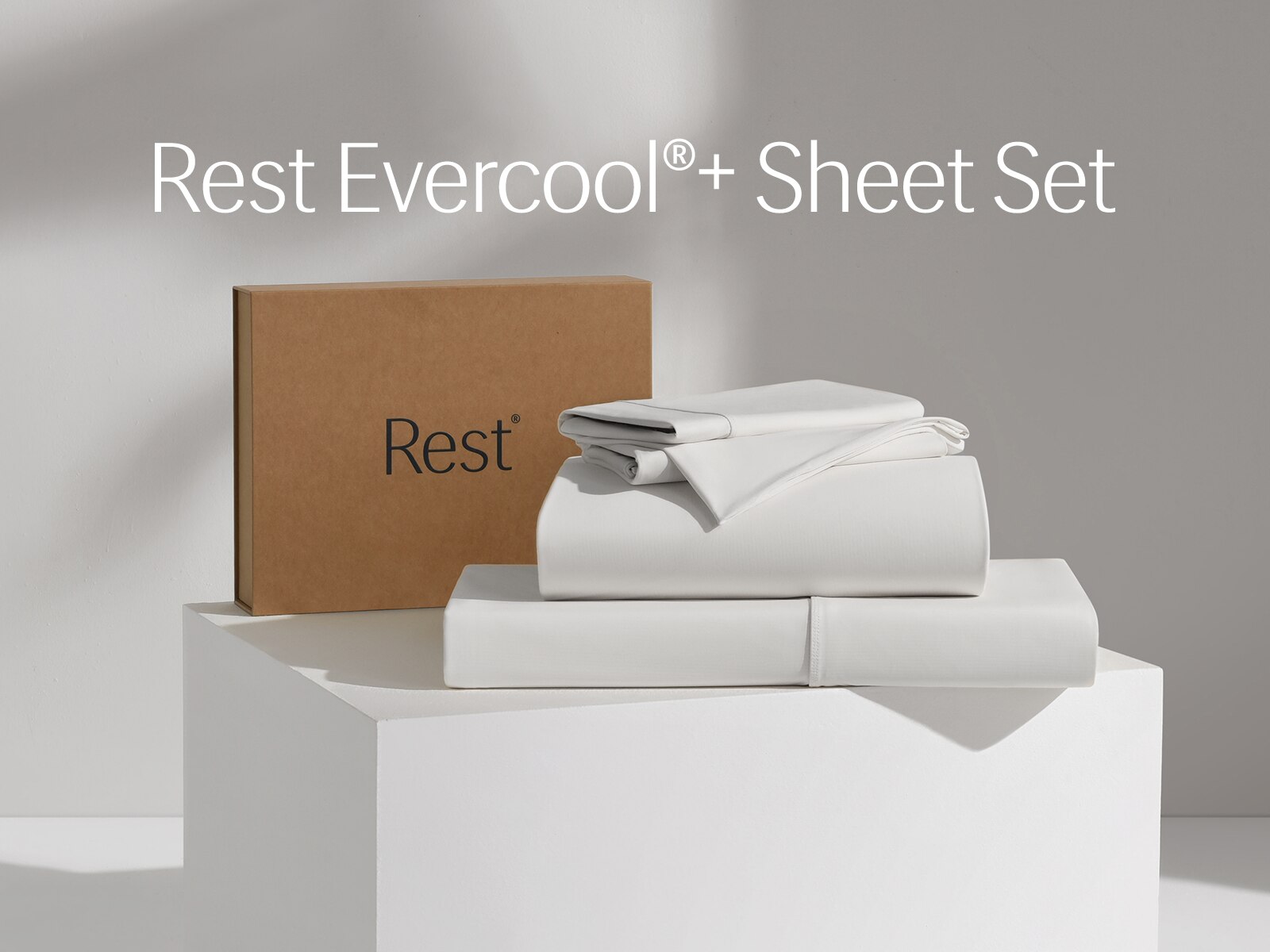
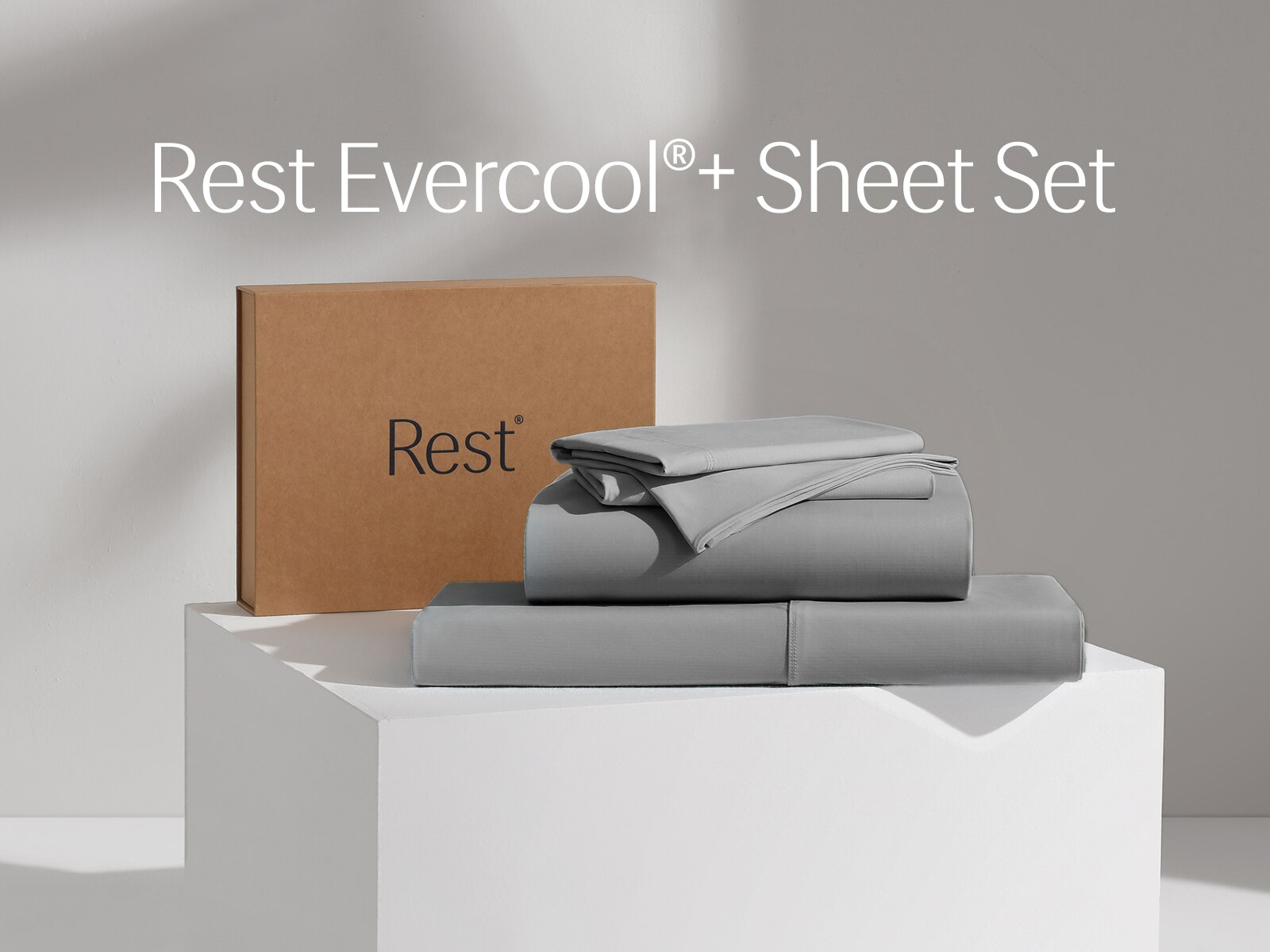
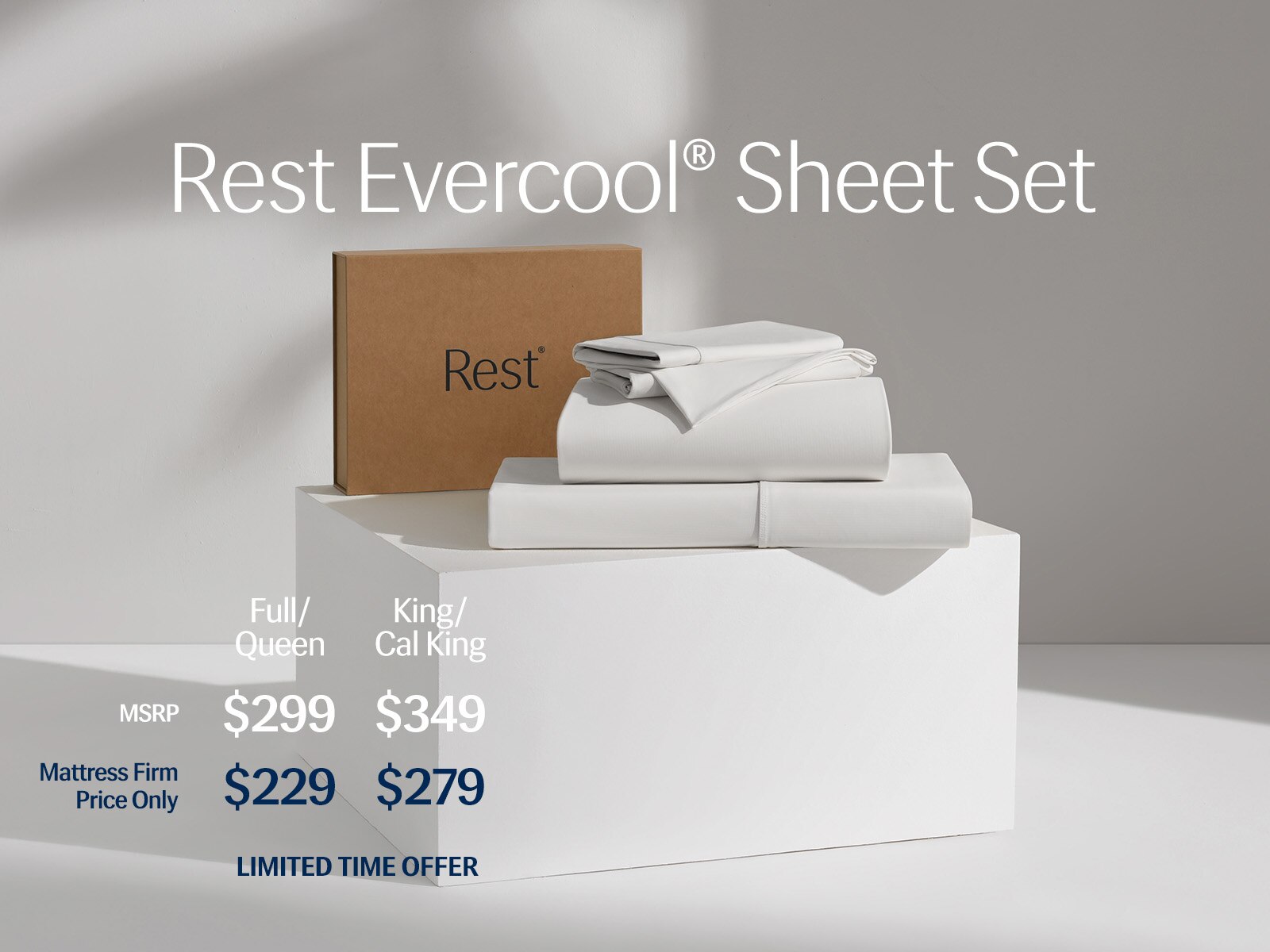
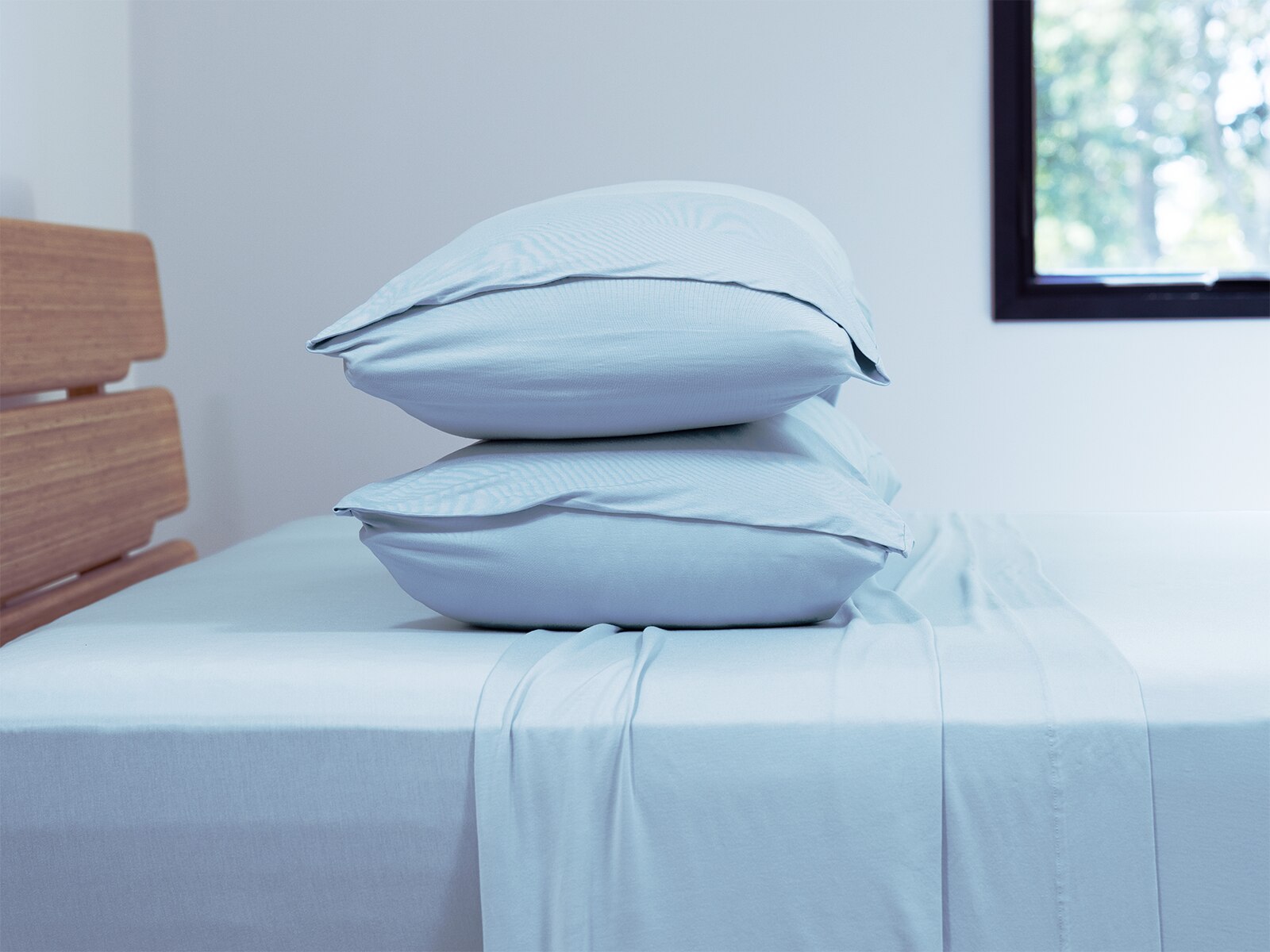
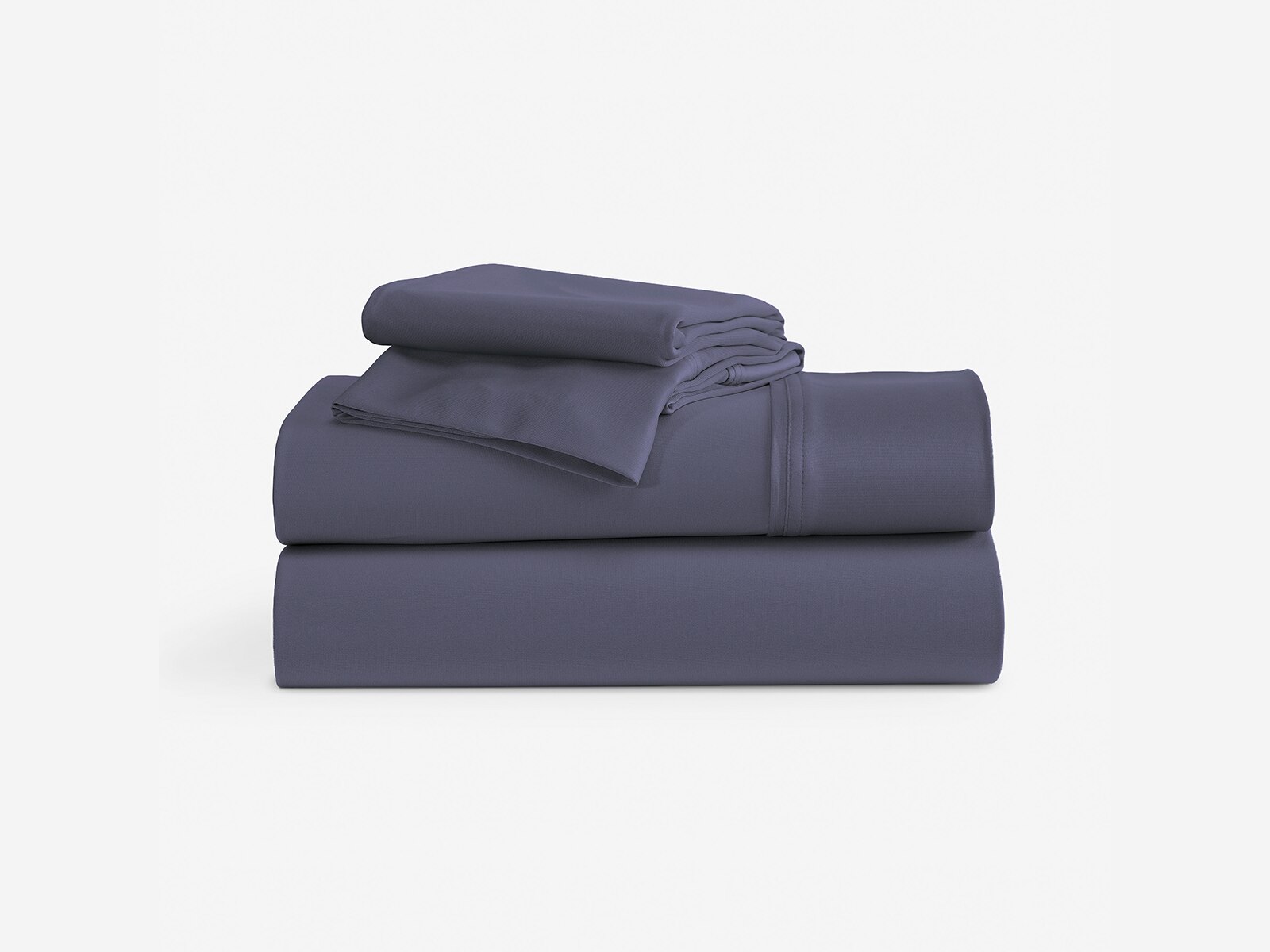
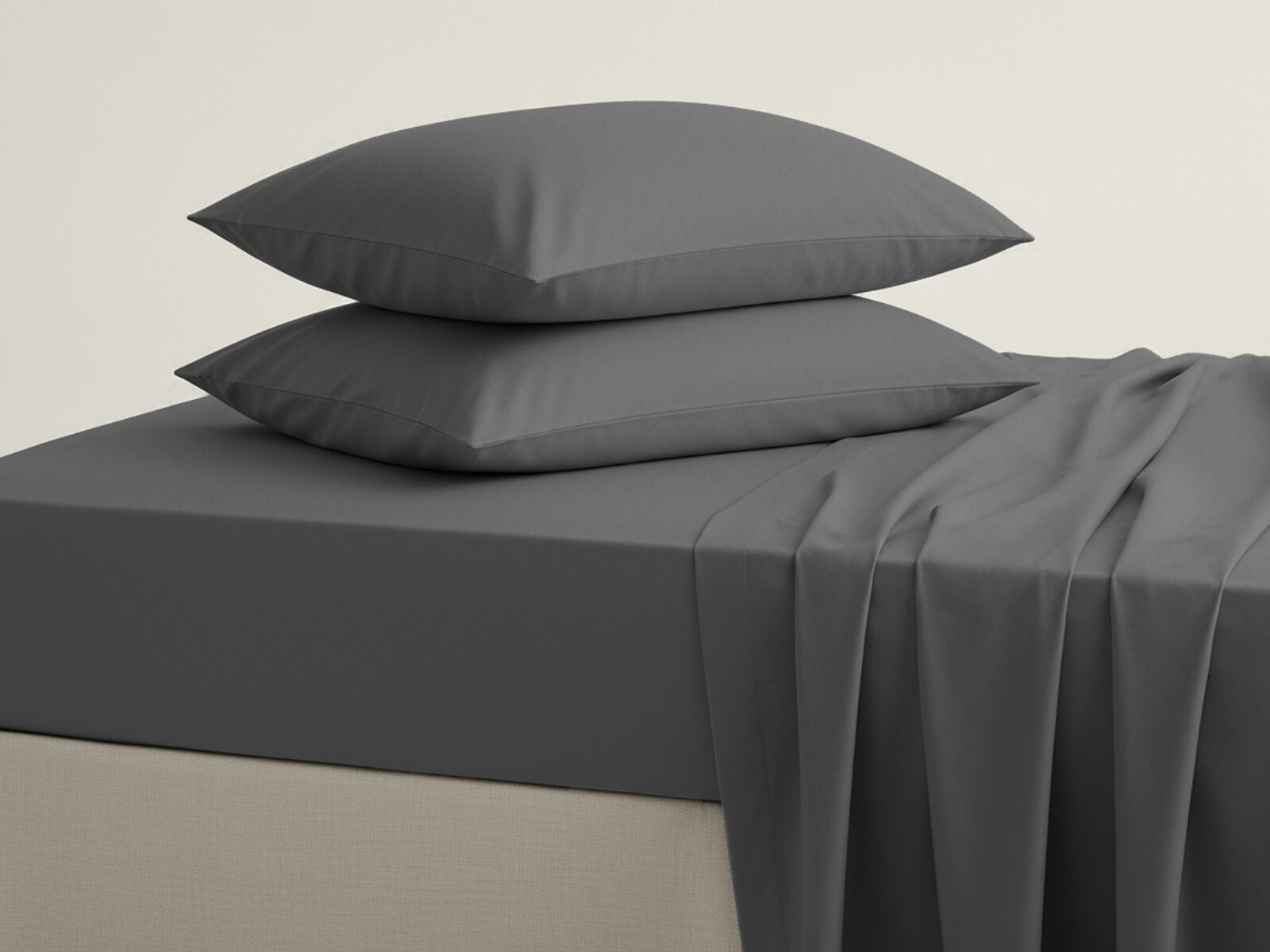
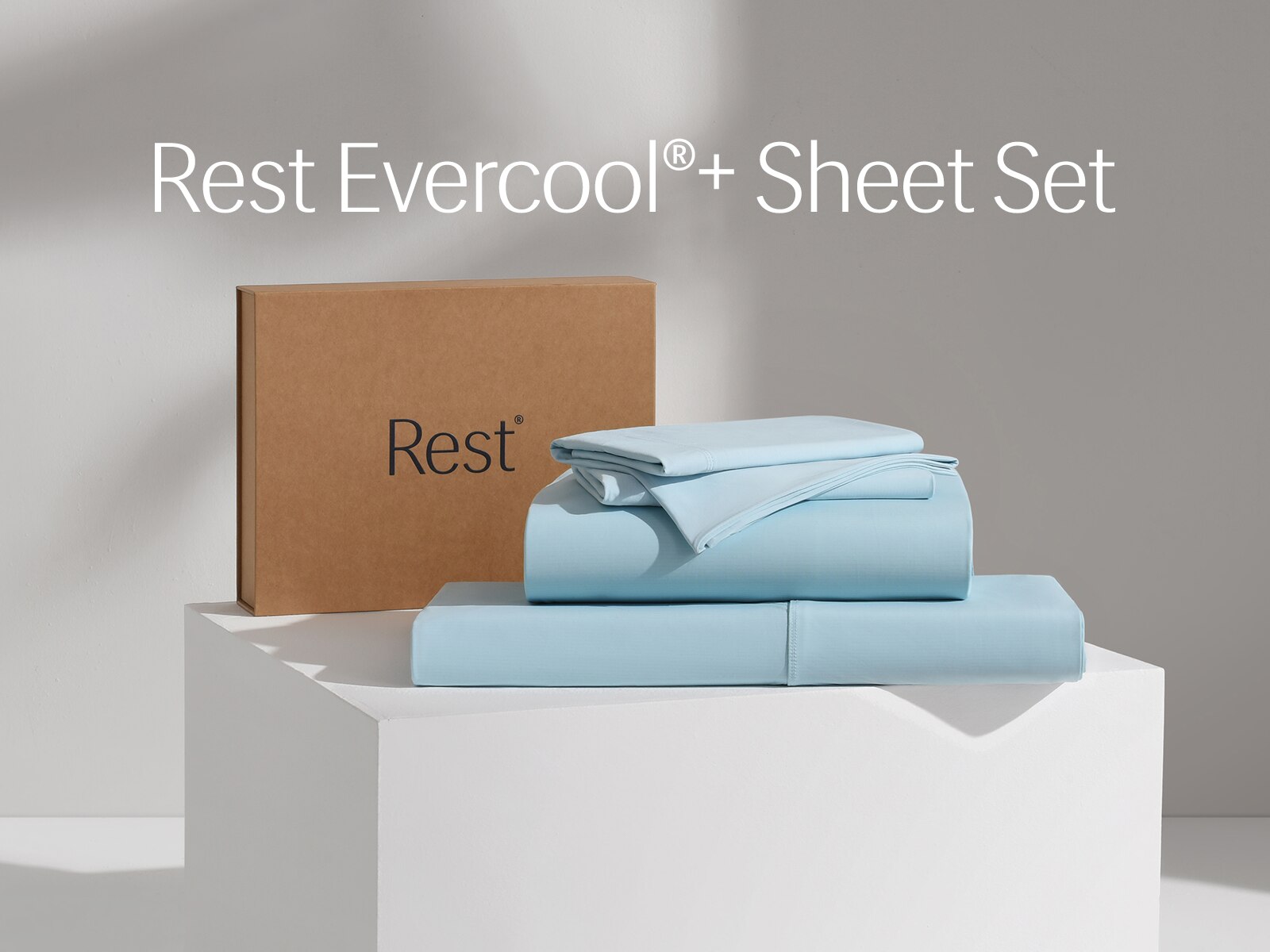
White lyocell sheet sets offer a smooth, breathable bedding option for hot sleepers who prefer a soft surface without a heavy feel. Lyocell is a regenerated cellulose fiber commonly made from wood pulp. It absorbs moisture, which can help manage the damp sensation that develops when a sleeper perspires, while a breathable fabric construction allows moisture to evaporate. The result can be a more comfortable sleep surface, although the weave, fabric weight and surrounding bedding all affect how a sheet set feels through the night. A cool initial touch is appealing when settling into bed, but lasting comfort depends on more than that first impression. Lightweight sheets paired with a breathable blanket may feel less confining than the same sheets beneath a thick comforter that holds warmth close to the body. For someone who regularly pushes the covers aside or wakes with a damp pillowcase, lyocell offers a material worth considering as part of the overall bedding setup. Its typically smooth texture also appeals to sleepers who dislike a coarse or noticeably textured fabric against their skin. Many lyocell fabrics drape closely around the body rather than standing away from it with a crisp finish, creating a fluid feel across the mattress. That distinction matters for anyone who prefers either a gently wrapped sensation or more space beneath the top sheet. White adds a clean, understated look that works with patterned quilts, textured blankets and neutral duvet covers without dictating the rest of the room. The color itself does not establish cooling performance; fiber content and construction are more useful indicators. For couples with different comfort preferences, a breathable sheet foundation can also make it easier to adjust the layers on each side of the bed without changing the entire setup.
When comparing white lyocell sheet sets for hot sleepers, begin with the fiber-content label rather than relying on the word “cooling” alone. An all-lyocell fabric and a lyocell blend can differ in softness, stretch, moisture absorption and care requirements. The other fibers in a blend influence the finished fabric, so the percentage breakdown helps explain what will touch the skin. Weave matters, too: sateen constructions often emphasize smoothness, drape and a subtle sheen, while other constructions may create a different balance of texture and airflow. Thread count is only one detail and does not, by itself, establish breathability or quality. Fabric weight, yarn characteristics and finishing also influence whether sheets feel light and airy or more substantial. Sleepers who prefer a crisper texture can compare
Soft Cotton Sheet Sets For Hot Sleepers with lyocell options to better understand the difference in feel. After material and construction, fit deserves close attention. Measure the mattress depth with any topper in place, then compare that measurement with the fitted sheet’s stated pocket depth. A pocket that is too shallow may pull free at the corners, while excessive loose fabric can gather beneath the sleeper. Secure elastic and an appropriately sized fitted sheet help keep the surface smooth when changing positions. Match the sheet size to the mattress rather than assuming similar names are interchangeable; twin and Twin XL, for example, require different lengths. Adjustable beds may also need extra attention to corner security as the head or foot rises. Set contents vary, so confirm whether the bedding includes a flat sheet and whether the pillowcases match the pillows already on the bed. Standard and king pillowcases create different fits, and oversized pillows need enough room to sit comfortably without stretching the seams. These practical details can make as much difference to everyday comfort as the fabric’s first-touch softness.
Thoughtful care helps white lyocell sheets retain their smooth feel and useful life. Follow the care label for washing temperature, cycle selection and drying method, since finishes and blends can require different treatment. When the label permits, a gentle wash with similar light-colored fabrics and a measured amount of mild detergent is a practical starting point. Avoid overloading the washer so the sheets have room to move and rinse thoroughly. Excess detergent can leave residue, and fabric softener may coat fibers or change the fabric’s feel; use either only as directed by the care instructions. White sheets make small marks easy to notice, whether from body oils, skin-care products or an evening beverage. Treat stains promptly with a method approved for the fabric, and check the label before using chlorine bleach or any whitening treatment. Aggressive scrubbing can roughen a smooth surface, so gentle handling is preferable. For drying, follow the recommended heat setting and remove the sheets promptly when finished to limit deep creases. Avoiding excessive heat and prolonged tumbling can help protect fibers and elastic over repeated washes. Keeping sheets separate from rough fabrics, exposed zippers and hook-and-loop fasteners can also reduce abrasion and snagging. Allow bedding to dry completely before folding it into a clean, dry storage space. A second set makes regular laundering easier and gives each set a break between uses. White lyocell bedding can suit a primary bedroom, a guest room or a thoughtful housewarming or wedding gift, especially when the recipient prefers smooth sheets and tends to sleep warm. For gifting, knowing the mattress size and depth is more useful than choosing by appearance alone. A well-matched set brings together a comfortable hand feel, dependable fit and a manageable care routine, helping make the bed a welcoming place to settle in without adding unnecessary bulk.