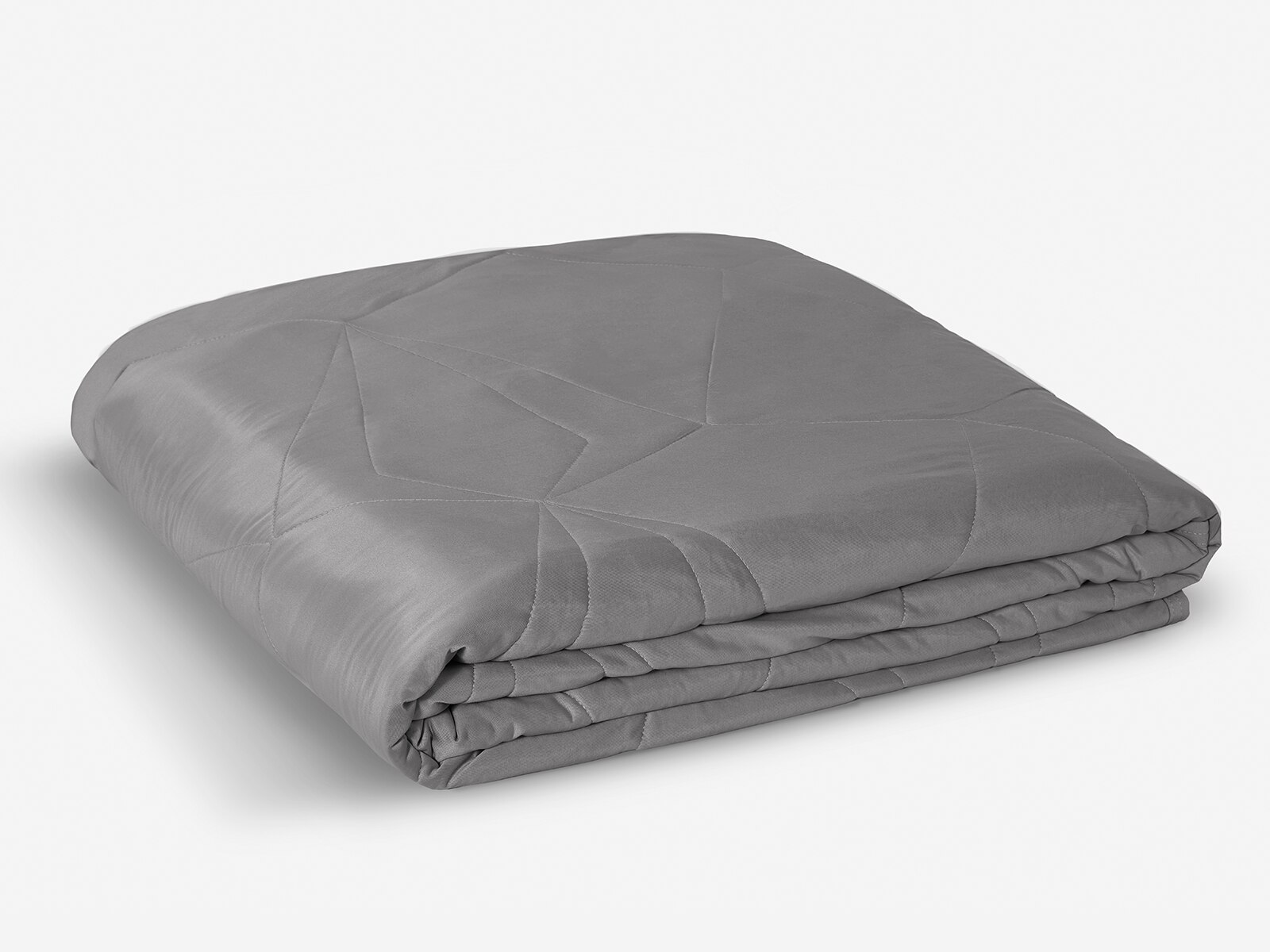
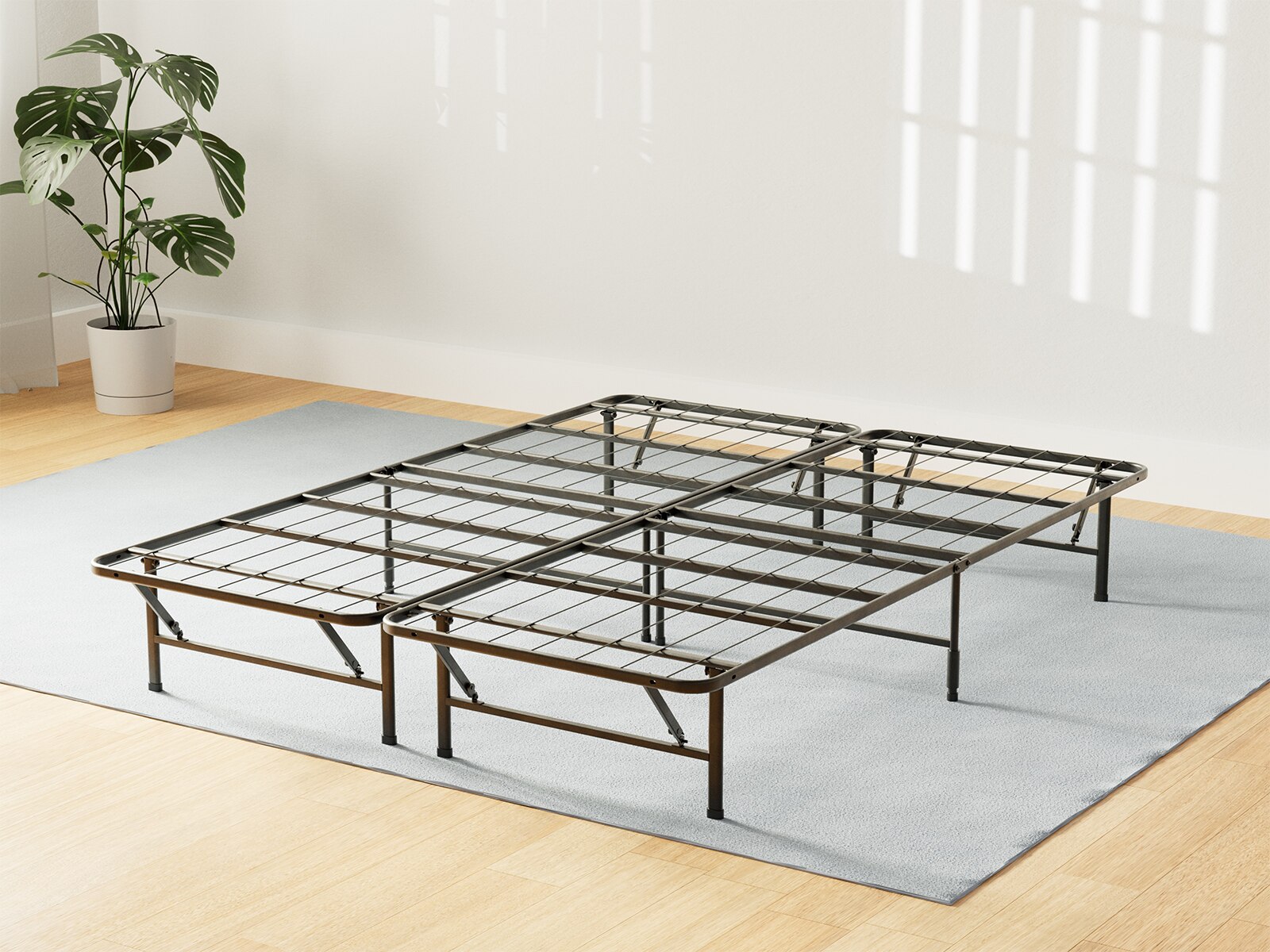
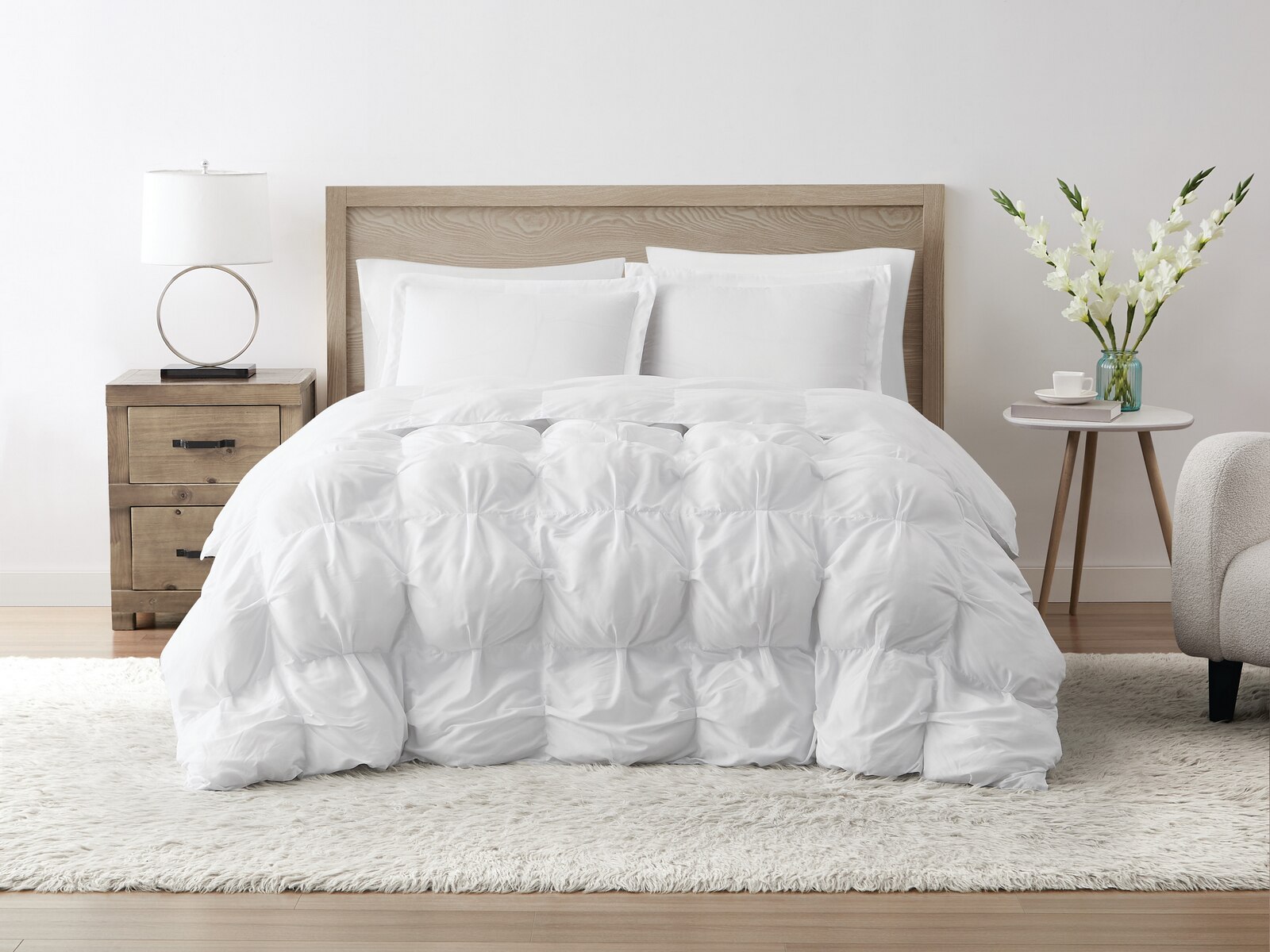
King bed bedding includes sheets, pillowcases, comforters, duvet covers and other layers sized to make a spacious mattress feel comfortable and look finished. A coordinated set creates a consistent look, while separate pieces let you choose a different fabric or texture for each layer. Fit begins with the mattress itself: a standard king measures approximately 76 inches wide by 80 inches long, while a California King measures approximately 72 inches wide by 84 inches long. Those proportions matter most for fitted sheets and mattress protectors, which need to match both the sleeping surface and the mattress depth. A fitted sheet that stretches across the top but cannot reach securely beneath the corners may pull loose as sleepers move. Pocket depth should accommodate the full height of the mattress, including a topper if one is used. An elasticized edge can help hold the sheet in place, but it does not replace the need for the correct dimensions. Split king beds introduce another consideration because they typically use two Twin XL mattresses side by side. Separate fitted sheets allow each side to move independently, particularly on an adjustable base, while the upper layers may be shared. Comforters and duvet covers need a different kind of fit: enough coverage for the mattress surface, enough overhang for the preferred look and enough room for two people to settle in without tugging at the same edge. King sizing is not identical across all bedding categories, so actual measurements are more useful than the size name alone. A tall mattress or thick topper can leave less fabric hanging over the sides, while a low-profile bed may show a longer drape. Pillow dimensions deserve the same attention. King pillowcases are intended for longer king pillows; standard pillowcases generally will not provide the same coverage. Checking what a bedding set includes also helps distinguish a sheet set from a comforter set or duvet cover set, since these serve different purposes and may contain different combinations of pieces.
Fabric and construction shape how king bedding feels from the first night through repeated laundering. Cotton is a familiar choice for sheets and duvet covers because it can offer softness, breathability and a range of finishes. Percale describes a weave with a crisp, matte feel, while sateen typically has a smoother surface, a subtle sheen and a more fluid drape. Neither finish is automatically better; the choice often comes down to whether slipping into bed should feel freshly pressed or softly flowing. Linen has a more pronounced texture and a relaxed appearance, with natural creasing that remains part of its character. Microfiber bedding often feels smooth and lightweight, though its care requirements and performance depend on the fabric construction. Fiber content, weave and finishing all contribute to the result, so thread count alone does not tell the whole story. For households that wash sheets frequently, secure stitching, well-finished hems and care instructions that fit the routine can matter more than a high number on a label. Upper layers bring their own differences. A comforter combines an outer fabric with insulating fill in one finished piece, while a duvet cover is a removable shell designed to hold a separate insert. Matching the cover and insert dimensions helps prevent empty corners or bunching, and interior ties or other attachment points can help keep the insert positioned. Quilted stitching helps distribute fill, though the pattern and construction affect how that fill moves over time. Fill weight and loft also influence whether a layer feels substantial or easy to fold back. Someone who dislikes a heavy covering may prefer a lighter layer, while another sleeper may enjoy a fuller, more enveloping feel. Partners with different preferences may find that individual blankets beneath a shared top layer provide flexibility without changing the overall appearance of the bed. For any fabric or fill, the stated materials and care label offer a clearer picture than a descriptive name alone.
King bedding also sets the visual scale of a bedroom, turning a broad sleeping surface into a space that feels considered rather than crowded. Solid sheets create a quiet foundation beneath a patterned duvet cover, while textured bedding adds dimension without requiring several competing prints. A comforter with generous side coverage can create a continuous line around the bed; a shorter quilt leaves more of the frame visible. The most useful arrangement supports everyday habits as much as appearance. A bed used for reading may benefit from supportive pillows behind the sleeping pillows, while a guest bed often works well with a simple set of layers that visitors can adjust easily. Decorative pillows can add a finished touch, but leaving room to set them aside keeps the nightly routine manageable. Related essentials, including protective layers and pillows, can be considered alongside
King Bed Accessories to bring the setup together. Care is especially important with king-size bedding because larger pieces need room to move during washing and drying. Check both the textile care label and the appliance capacity before laundering a bulky comforter or insert. Overfilling the drum can limit cleaning and make thorough drying more difficult. Following the recommended cycle and drying method helps protect fibers, seams and fill, while making sure bedding is fully dry before storing helps prevent musty odors. Rotating between sheet sets gives each set time between uses and makes changing the bed less disruptive. A duvet cover can provide a washable outer layer around an insert, although the insert still needs care according to its own label. For a housewarming or wedding gift, king bedding can be a thoughtful choice when the mattress dimensions, preferred colors and care needs are known. Whether furnishing a shared bedroom or refreshing a guest space, the strongest choices balance accurate fit, a pleasing feel and upkeep that fits comfortably into daily life.