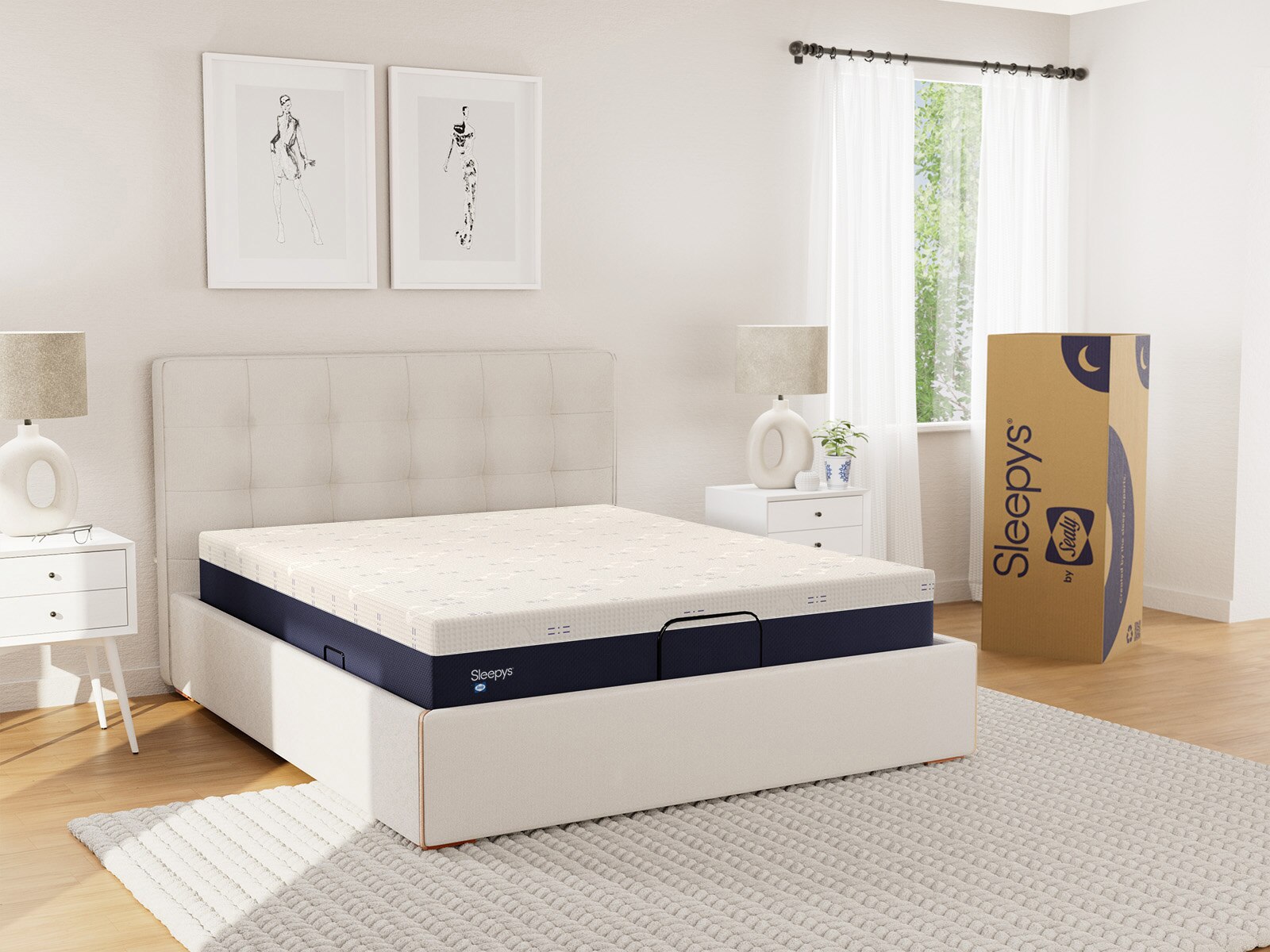
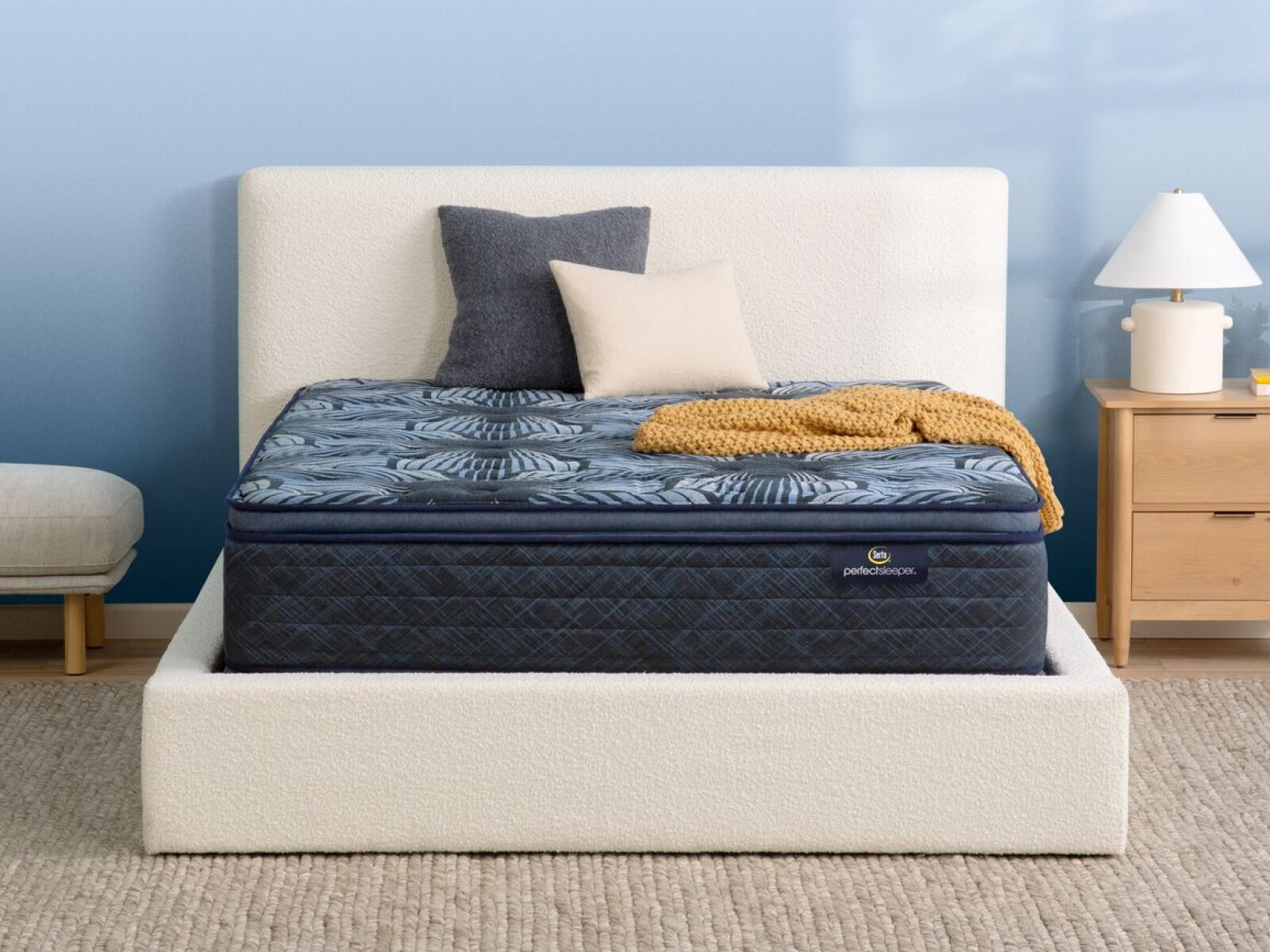
King beds for summer home staging create a clear focal point while helping a primary bedroom feel spacious, restful and ready for everyday living. The most effective styles balance a generous sleeping surface with a frame that suits the room rather than overwhelms it. A standard king mattress measures approximately 76 inches wide by 80 inches long, but the complete bed can extend beyond those dimensions, especially with a padded headboard, substantial side rails or a projecting footboard. That distinction matters in a staged room, where an easy path from the doorway to the windows helps visitors understand the layout at a glance. About 30 inches of clearance beside the bed is a useful planning target when space allows, with additional room for dresser drawers, closet doors and bedside storage to open comfortably. A low-profile frame can preserve the view across a room, while an open spindle headboard lets more of the wall remain visible. Pale wood, warm ivory upholstery and slender metal profiles work especially well with a light summer palette because they add definition without making the bed look heavy. A darker frame can feel equally inviting against white bedding and sandy neutrals, particularly when its lines are simple. In a bedroom with tall ceilings, a higher headboard can give the bed enough presence to feel proportionate; beneath a low window, a shorter silhouette may be a better fit. Homeowners and professional stagers often look for this balance because the bed needs to photograph well and make sense in person. A king frame that leaves room for two appropriately sized nightstands suggests a practical shared bedroom, not just a styled backdrop. Keeping the headboard clear of window trim and choosing a footboard that does not interrupt the main walkway helps the entire arrangement feel intentional. The result is a bedroom that communicates comfort through proportion, texture and usable space rather than an excess of decorative layers.
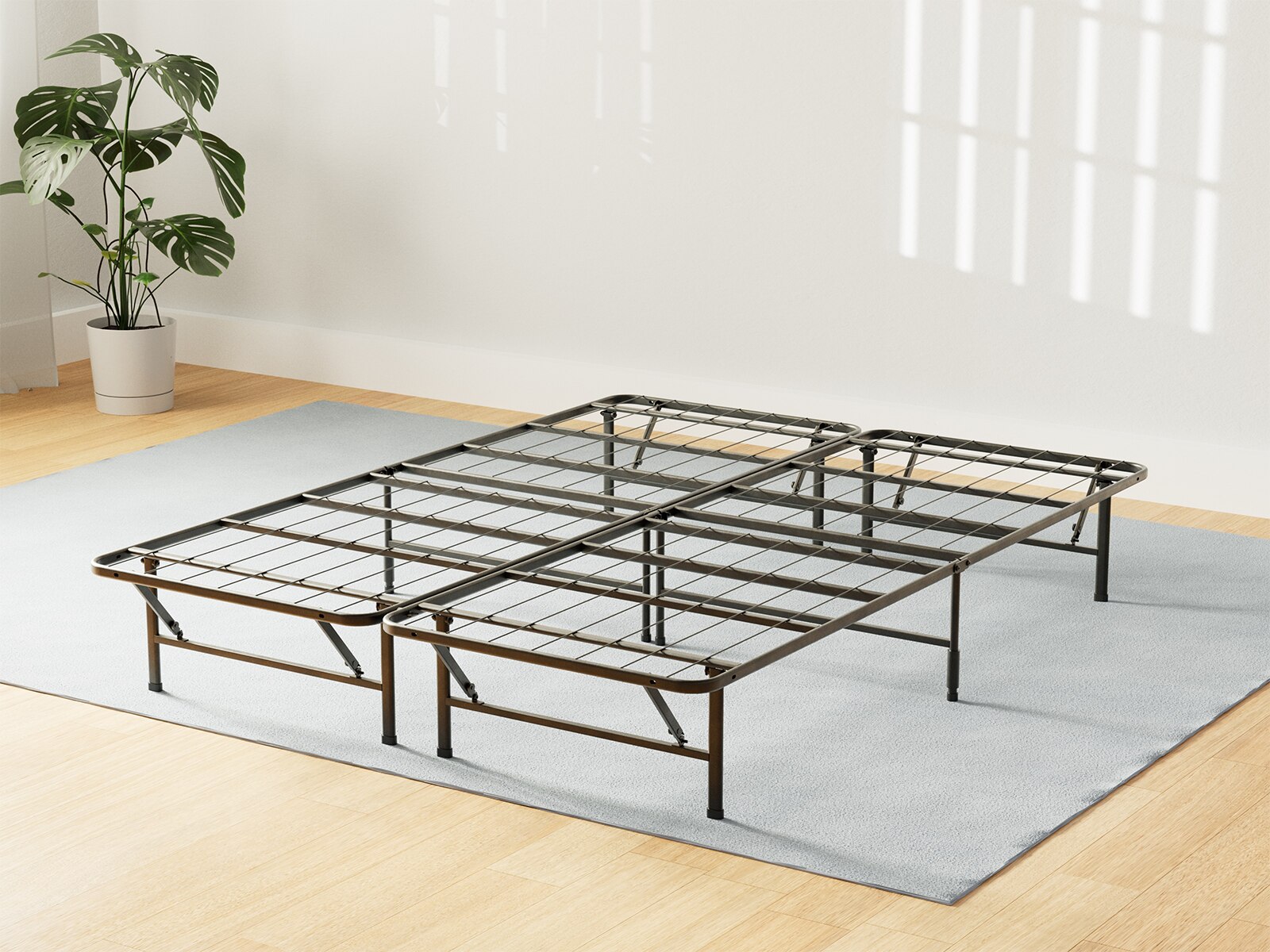
Materials and construction influence both the appearance of a king bed and how well it handles use beyond the staging period. Solid wood brings visible grain and natural variation that can soften a crisp, neutral room, while wood veneers can provide a consistent finish across broad headboards and side rails. Engineered wood components vary in construction, so frame specifications and care information are more useful than appearance alone when evaluating durability. Metal frames offer another way to keep the room visually open, with narrow rails or spaced headboard details that complement coastal, traditional and modern interiors. Upholstered beds introduce a softer surface behind the pillows, making them appealing for bedrooms that will also be used for reading or relaxing. Tightly woven fabrics with subtle texture can provide interest without competing with patterned bedding, although pale upholstery may show marks more readily in a busy household. Removable covers are convenient only when the care label confirms how they can be cleaned; a removable cover is not necessarily machine washable. For any material, secure connections, appropriate center support and a mattress-compatible foundation matter more than decorative details alone. King beds need support across their wider span, and slat spacing should meet the mattress manufacturer’s requirements. Some platform designs support a mattress without a separate box spring, while other frames require an additional foundation. Checking that combination also helps establish the finished bed height, which affects how easily someone can sit down, stand up or reach a nightstand. A tall mattress on a raised frame may conceal much of the headboard, while a lower setup can change the intended proportions. Delivery access deserves the same attention as room measurements, especially in homes with narrow stairs or tight hallway turns. After assembly, routine care typically includes checking hardware, dusting hard surfaces and cleaning upholstery according to its instructions. Felt pads or suitable floor protectors can help reduce marks beneath bed legs, particularly when furniture is repositioned between photography and everyday use.
Bedding gives a king bed its summer character without requiring the frame itself to follow a seasonal look. Cotton and linen are familiar choices for a light, textured presentation, though weave, fabric weight and personal preference all influence how they feel. A smooth cotton coverlet creates a crisp outline, while linen offers a more relaxed surface with visible texture and natural creasing. Neither needs elaborate styling to make the bed feel inviting. A lightweight top layer, neatly arranged sleeping pillows and a softly folded throw can show the scale of the mattress without hiding the frame beneath a pile of fabric. White, cream and sand tones keep the composition quiet, with muted blue or a restrained navy accent adding definition. For listing photography, subtle texture often provides depth without the visual distraction of a large, high-contrast pattern. Bedding fit is especially important on a king bed: fitted sheets should accommodate the mattress depth, and the top layer should provide enough coverage at both sides for a balanced appearance. A California King mattress is approximately 72 inches wide by 84 inches long, so its frame and fitted bedding are not interchangeable with standard king dimensions. Those details matter when a staged bedroom will become a couple’s everyday sleeping space or a generously furnished guest room. Washable bedding and straightforward care routines make the transition from presentation to regular use easier, especially in homes welcoming overnight visitors. Styles featured among
king size beds for summer bedrooms can carry the same light, relaxed feeling into a room intended for daily living. Closed bedside storage can keep personal necessities nearby without crowding the surfaces, and a restrained pillow arrangement leaves the headboard visible. With a well-fitted frame, compatible support and bedding chosen for both appearance and touch, a king bed can anchor a summer staging scheme while remaining useful long after the photographs are taken.