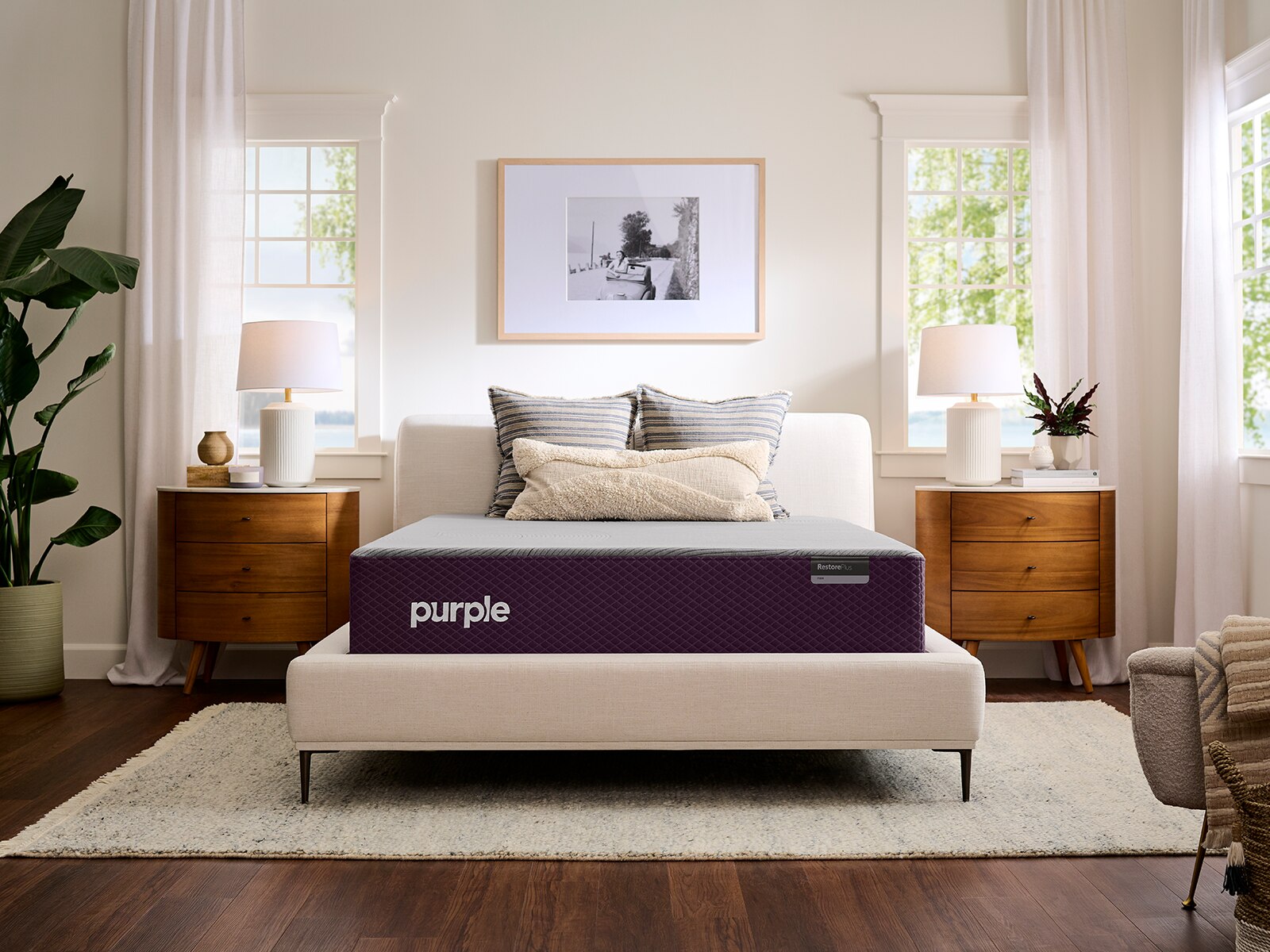
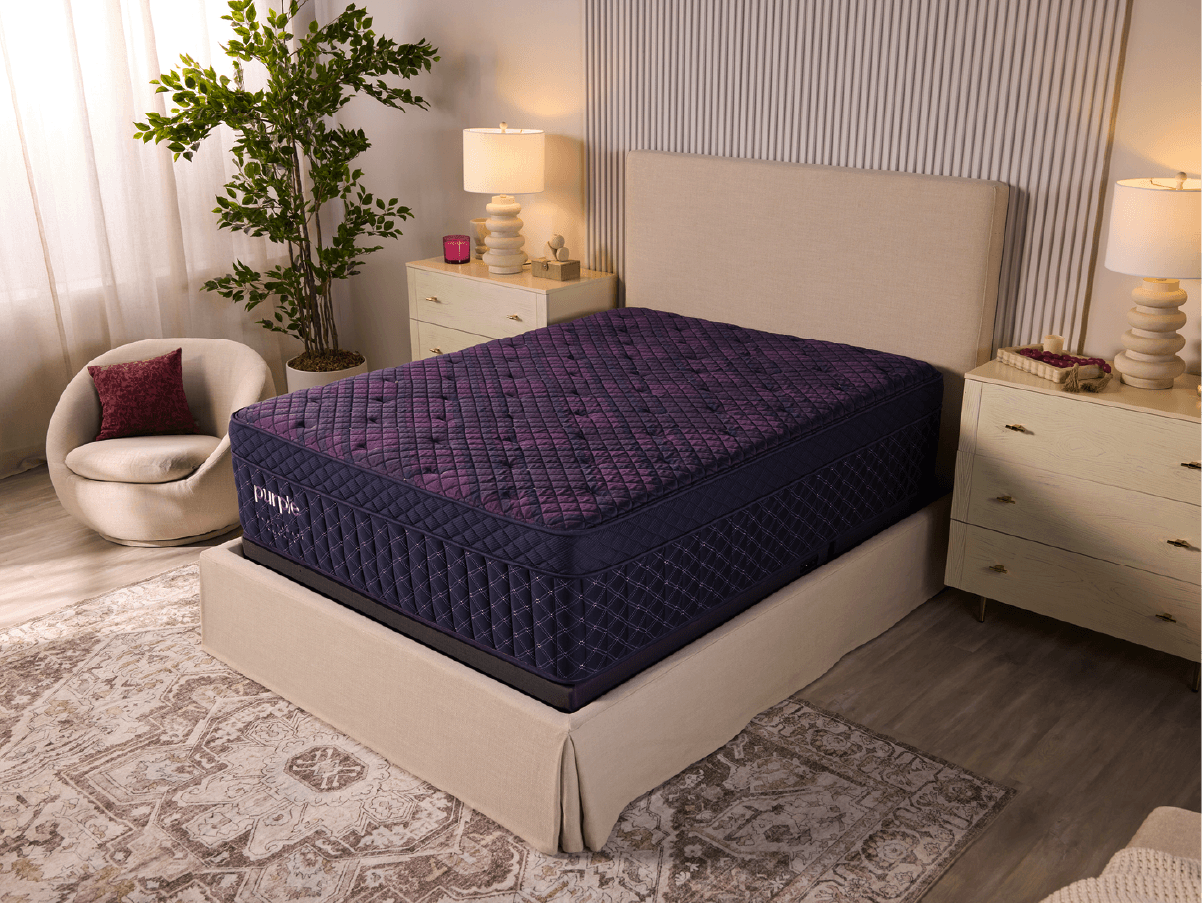
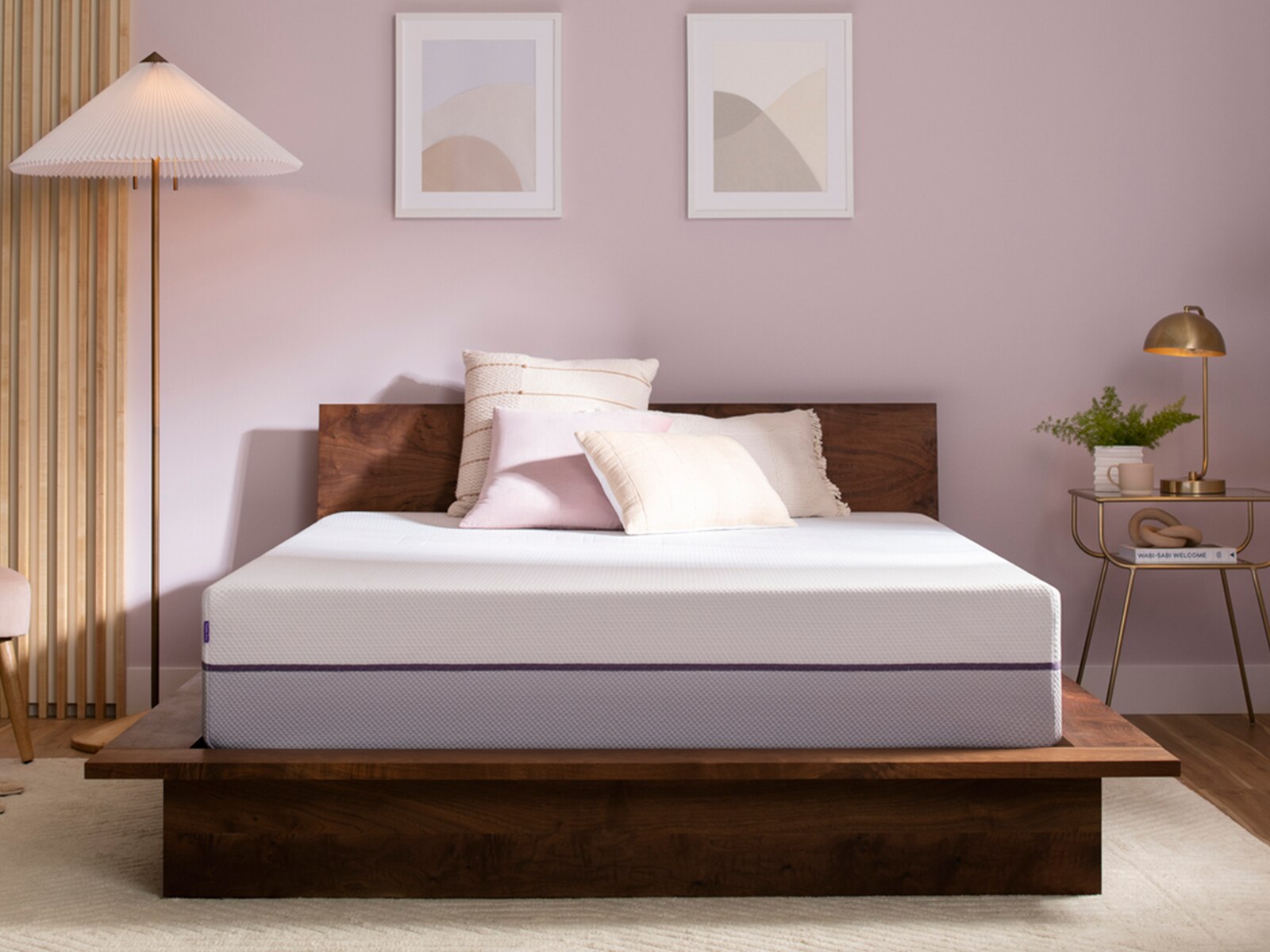
A king mattress measures 76 inches wide by 80 inches long, giving two adults room to settle into separate sleep positions without giving up a shared bed. That extra width can make a noticeable difference when one partner stretches out and the other curls onto a side, or when both prefer a little space between pillows. Compared with a queen mattress, a standard king adds 16 inches of width while keeping the same length. A California King measures 72 inches wide by 84 inches long, trading some width for additional legroom. Those differences matter when choosing a mattress for a primary bedroom, particularly for taller sleepers or anyone working around a narrow floor plan. Measure the full bed frame rather than the mattress alone, since upholstered rails, a substantial headboard or a footboard can extend beyond the sleeping surface. Leave practical clearance for opening dresser drawers, reaching bedside tables and walking around the bed without turning sideways. It also helps to check doorways, stair turns and the path into the bedroom before arranging delivery. A split king uses two Twin XL mattresses, each measuring 38 inches wide by 80 inches long, to create the same overall footprint as a standard king. This arrangement can suit partners who want separate comfort preferences or independent movement on a compatible adjustable base, although the center seam feels different from one continuous mattress. Standard king and California King bedding are not interchangeable, and a split king generally needs separate fitted sheets for its two mattresses. Mattress height matters as well: a thicker mattress on a tall foundation can make sitting down or getting out of bed less comfortable for some sleepers. Thinking through these everyday details helps the larger sleep surface feel like a natural fit rather than an oversized addition to the room.
For shoppers interested in a king mattress with a flexible polymer grid, the comfort experience comes from how the open lattice responds beneath the body. Rather than relying only on a solid foam surface, a grid can flex under concentrated weight at the shoulders and hips while providing support across other areas. Its open structure also creates pathways for air to move through the comfort layer, although covers, bedding and the rest of the mattress construction affect airflow too. The sensation is often different from the slow, close contouring associated with traditional memory foam, so spending time in a normal sleep position is more useful than judging the surface with a quick press of the hand. Underneath a grid, foam layers or a coil system can change the mattress’s overall feel, responsiveness and stability. A hybrid construction pairs comfort materials with springs, while a foam-based construction uses foam support layers beneath the cushioning surface. Neither construction alone determines whether a mattress will feel soft or firm; layer thickness, material properties and the sleeper’s build all play a part. Side sleepers may appreciate enough cushioning for a shoulder to settle without feeling compressed, while back and stomach sleepers often need support that keeps the pelvis from sinking disproportionately. Combination sleepers should also notice how easily they can roll over instead of focusing only on the first impression. For couples, motion isolation and edge support deserve separate attention. Movement traveling across the surface can interrupt a partner, while a less stable edge may make the usable sleeping area feel smaller than the dimensions suggest. Sitting near the edge to put on socks and lying near the side in a usual sleep position reveal different aspects of support. The
New Purple Mattress collection is a focused starting point for shoppers interested in this style of comfort, with personal fit remaining central to the choice.
The right support underneath a king mattress is as important as the comfort layers above it. Follow the mattress manufacturer’s requirements for the foundation, including any limits on slat spacing and the need for center support beneath a wide frame. A platform bed or an appropriate foundation can provide a stable surface, but compatibility depends on its construction rather than its appearance. A traditional box spring is not suitable for every mattress, and an adjustable base should be used only when the mattress is designed to bend with it. Confirm the combined weight limits of the frame and base, accounting for the mattress and the people using it. Once the bed is assembled, choose a fitted sheet with a pocket depth that matches the mattress height and enough flexibility to let the surface respond as intended. A tightly stretched sheet or stiff, heavily padded accessory can change the feel of a responsive comfort layer. A compatible protector helps keep everyday spills and body oils away from the mattress, while regular washing of removable bedding keeps the sleep surface fresh. For mattress cleaning, follow the care label, use only the recommended method and let any cleaned area dry thoroughly before replacing bedding. Do not assume a zippered cover can be removed or machine washed, and rotate the mattress only as directed; many layered designs are not intended to be flipped. Durability depends on the complete construction, appropriate support and care, not simply mattress thickness or a firm first impression. A king mattress intended for nightly use should suit the routines of everyone sharing it, from a partner who reads before bed to someone who changes position frequently. For a household marking a move or furnishing a shared bedroom, it can be a meaningful purchase, but comfort is personal enough that both sleepers should help choose. The most useful comparison brings together pressure relief, ease of movement, support and room fit, creating a bed that feels comfortable at bedtime and works just as well in everyday life.