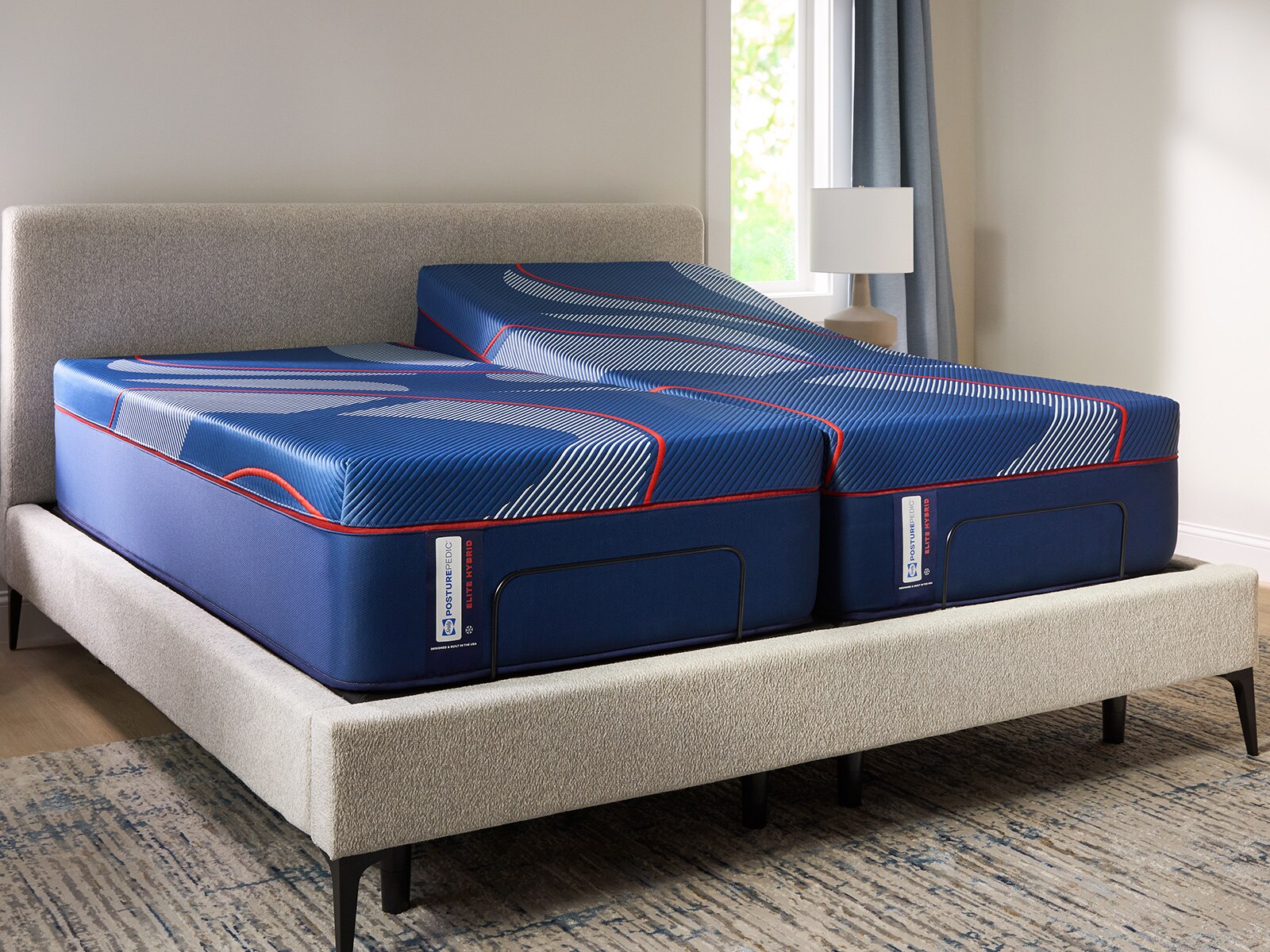
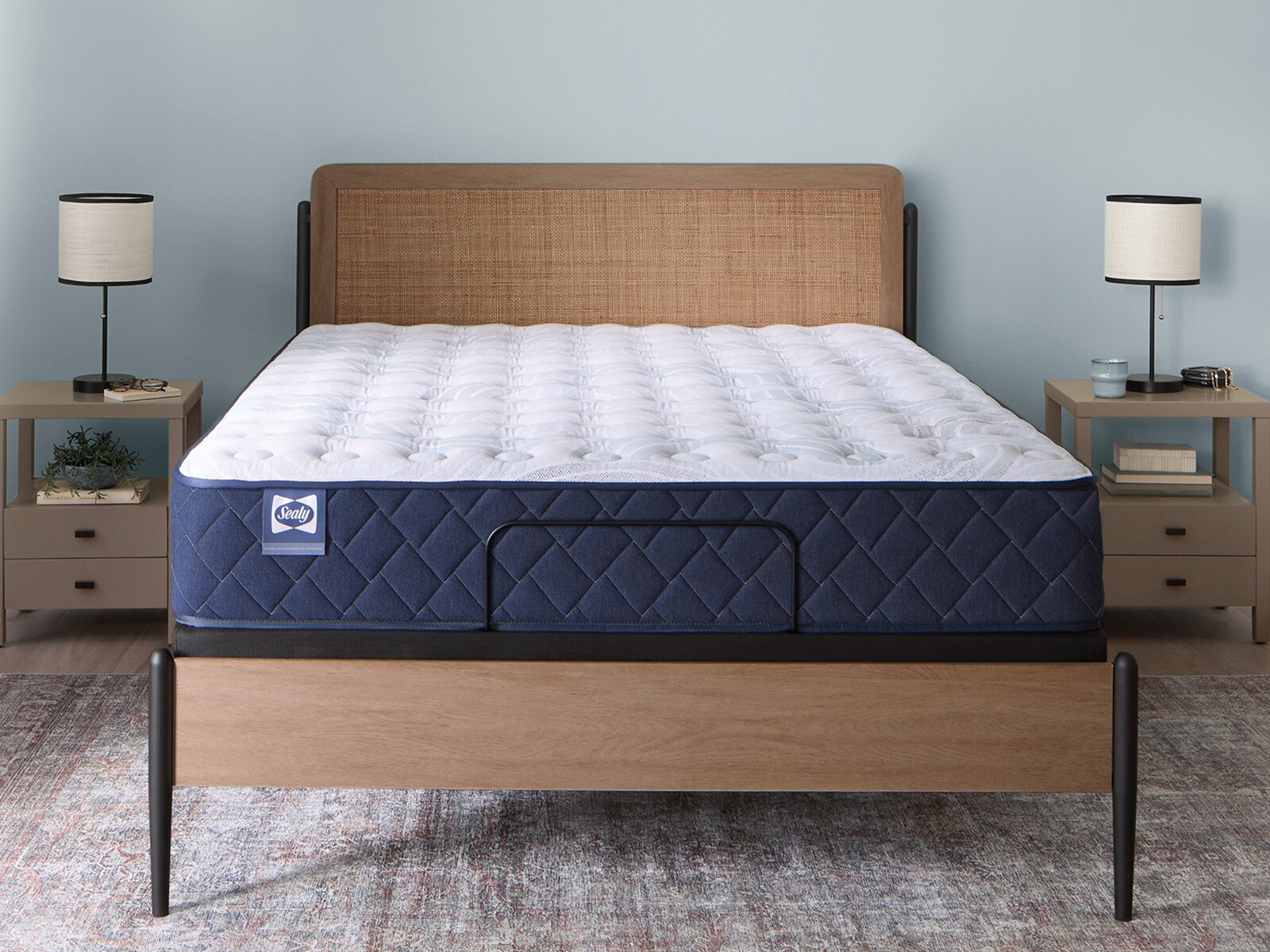
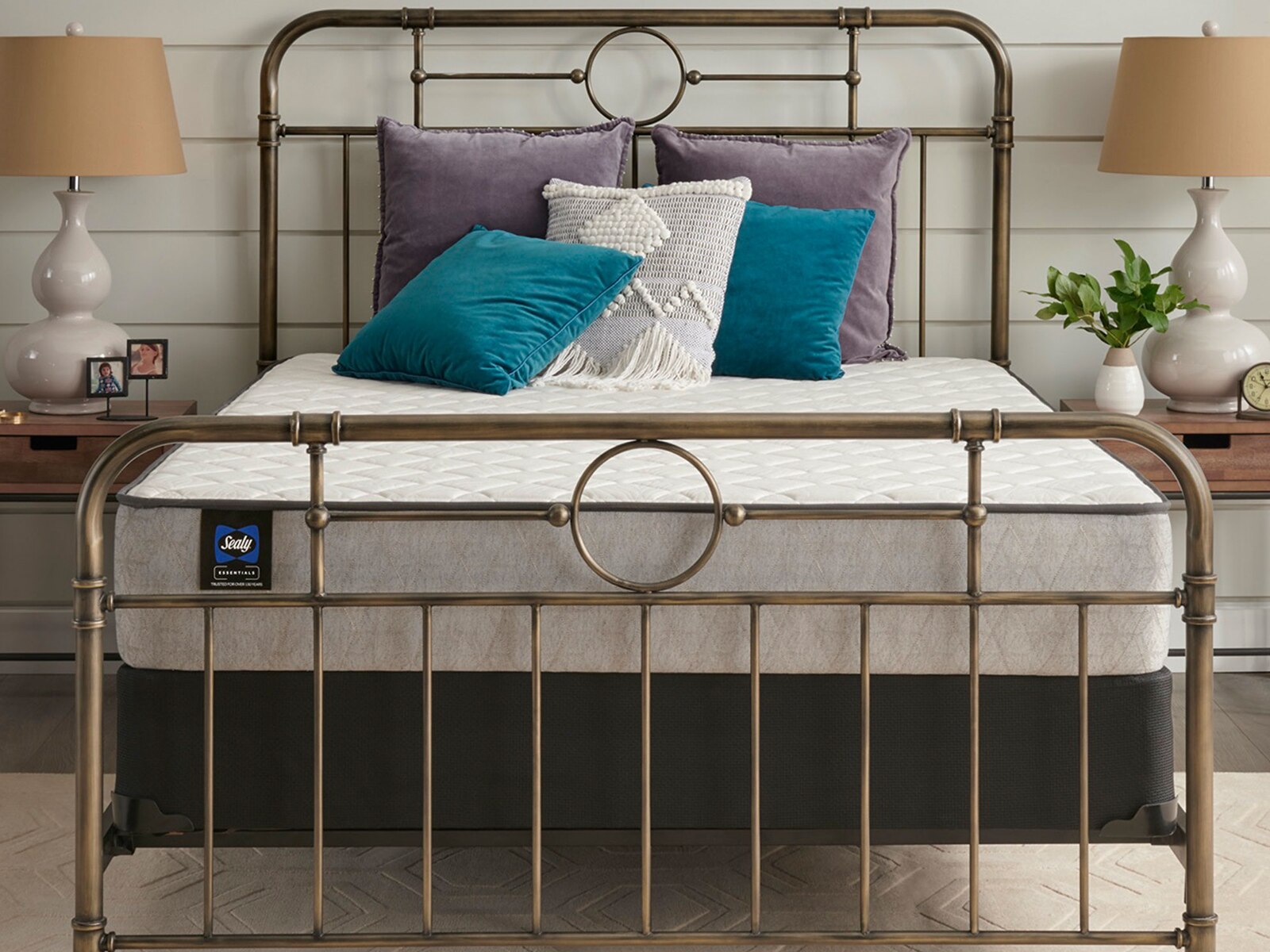
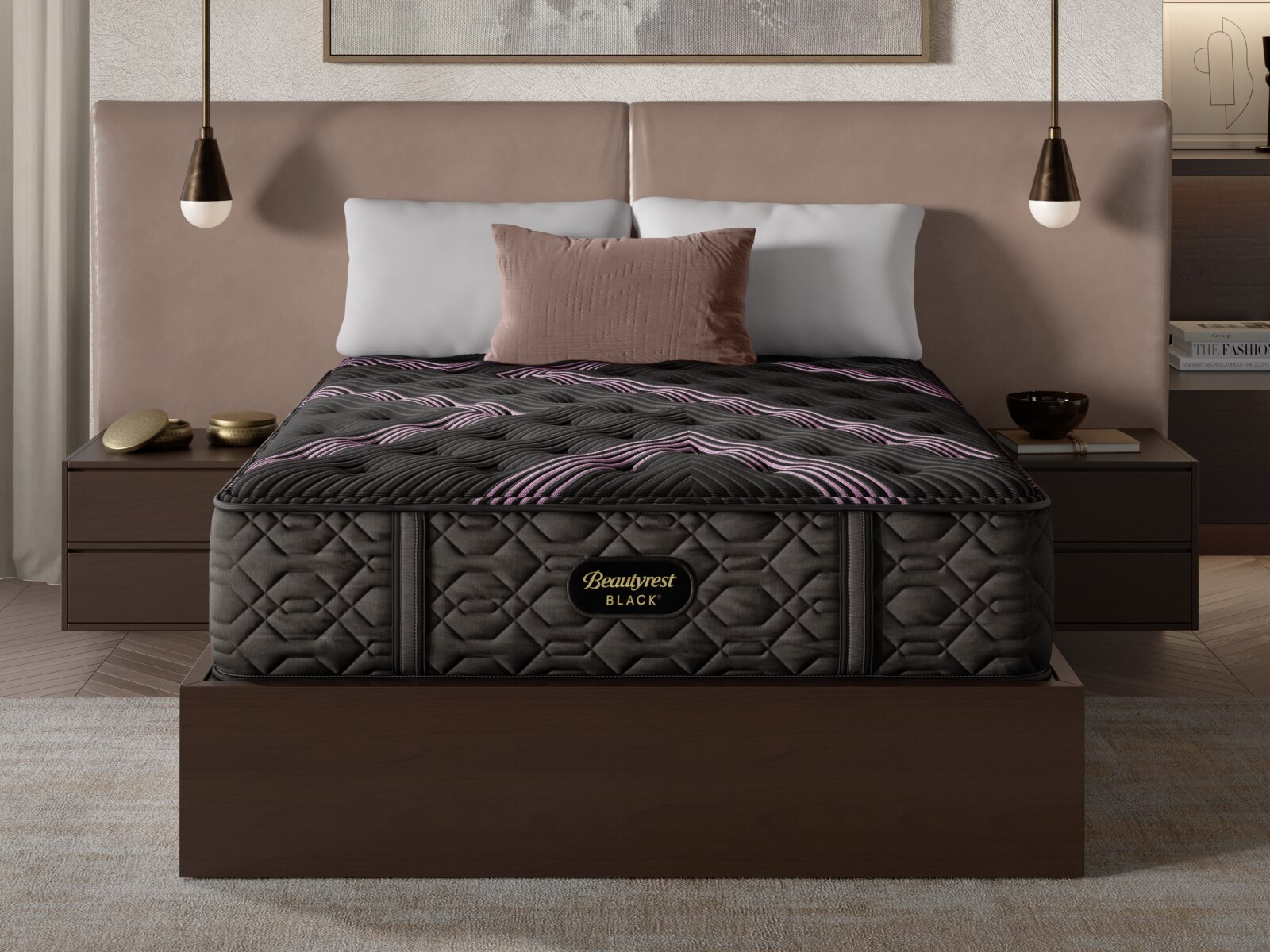
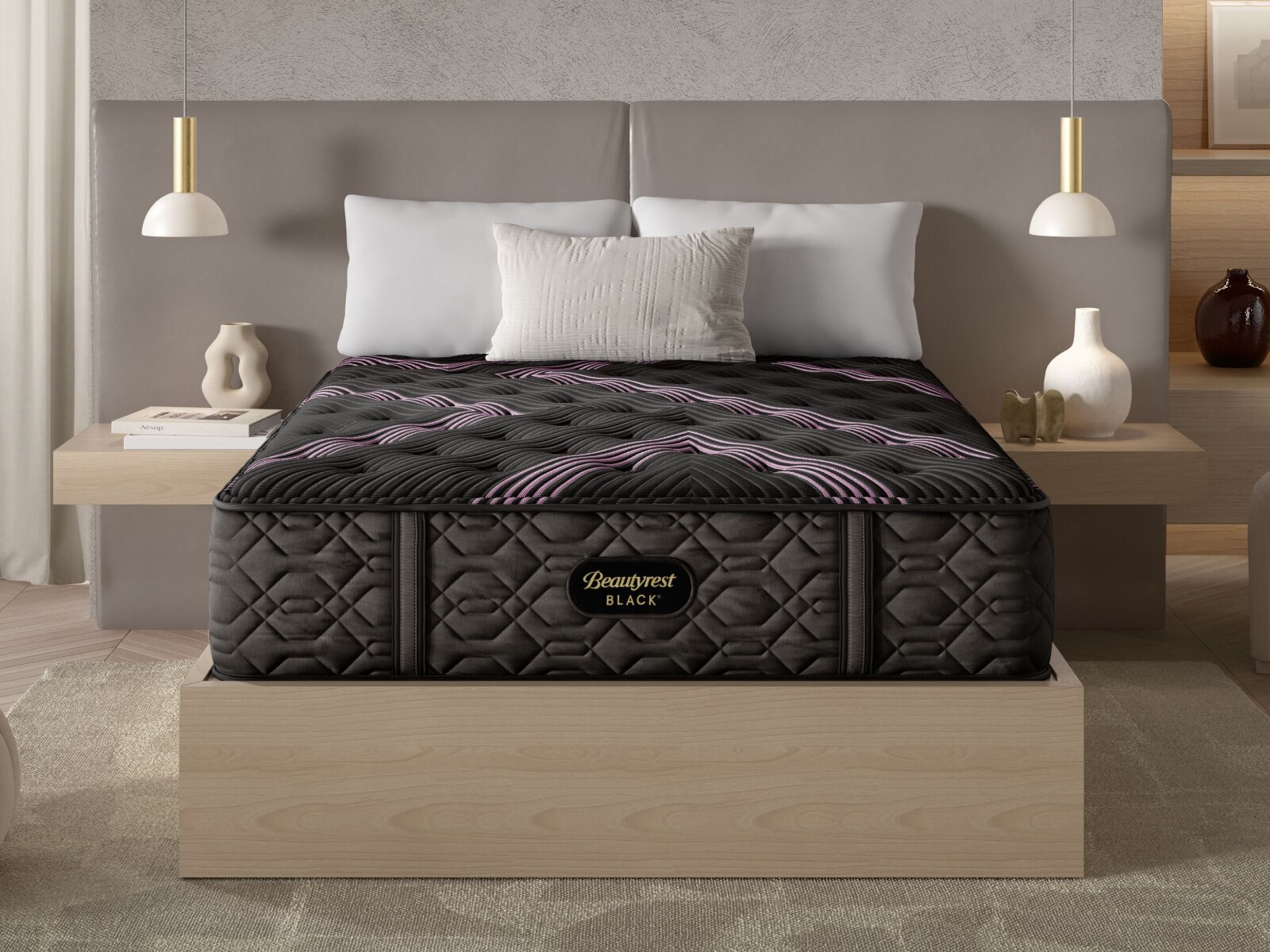
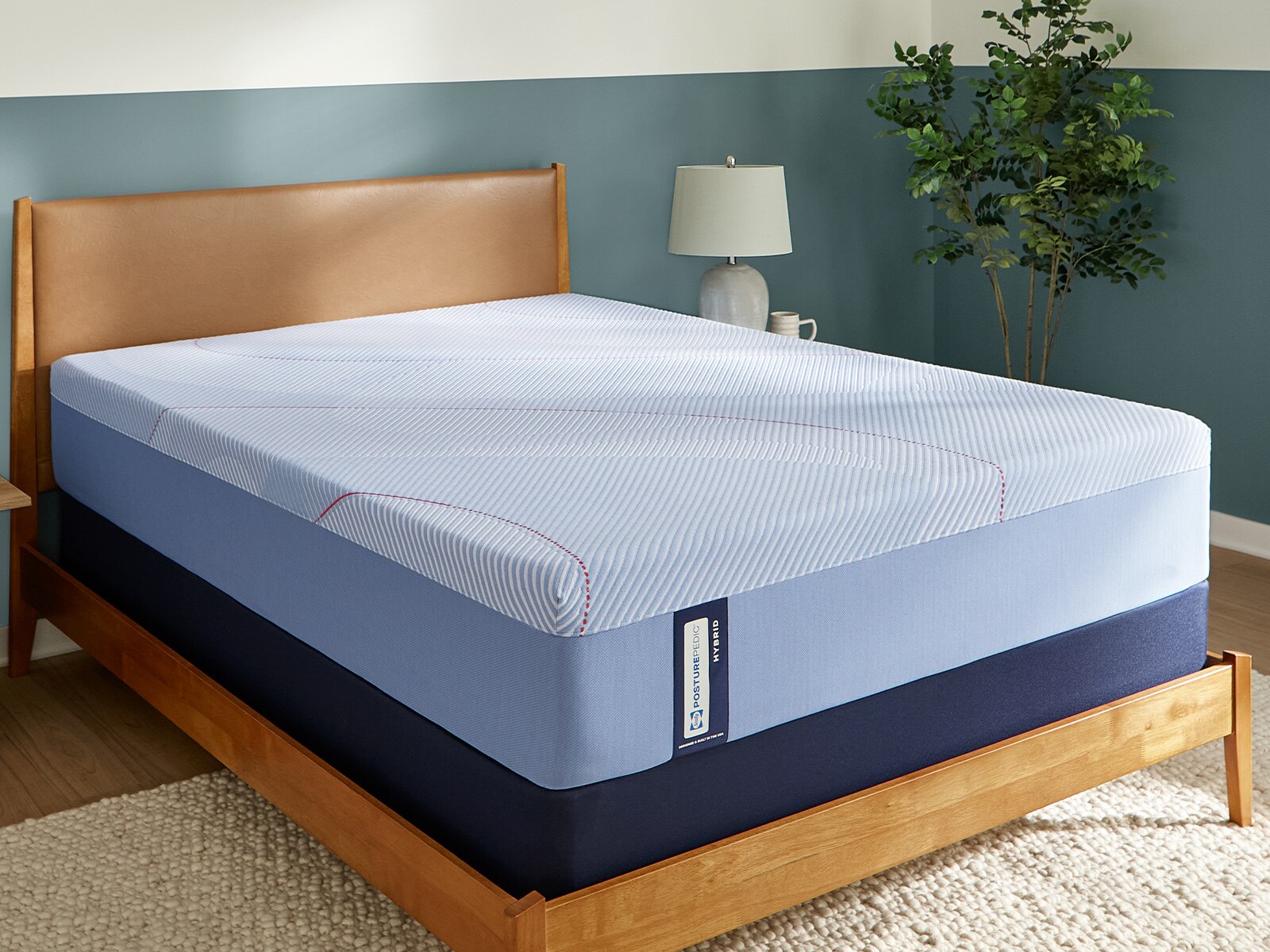
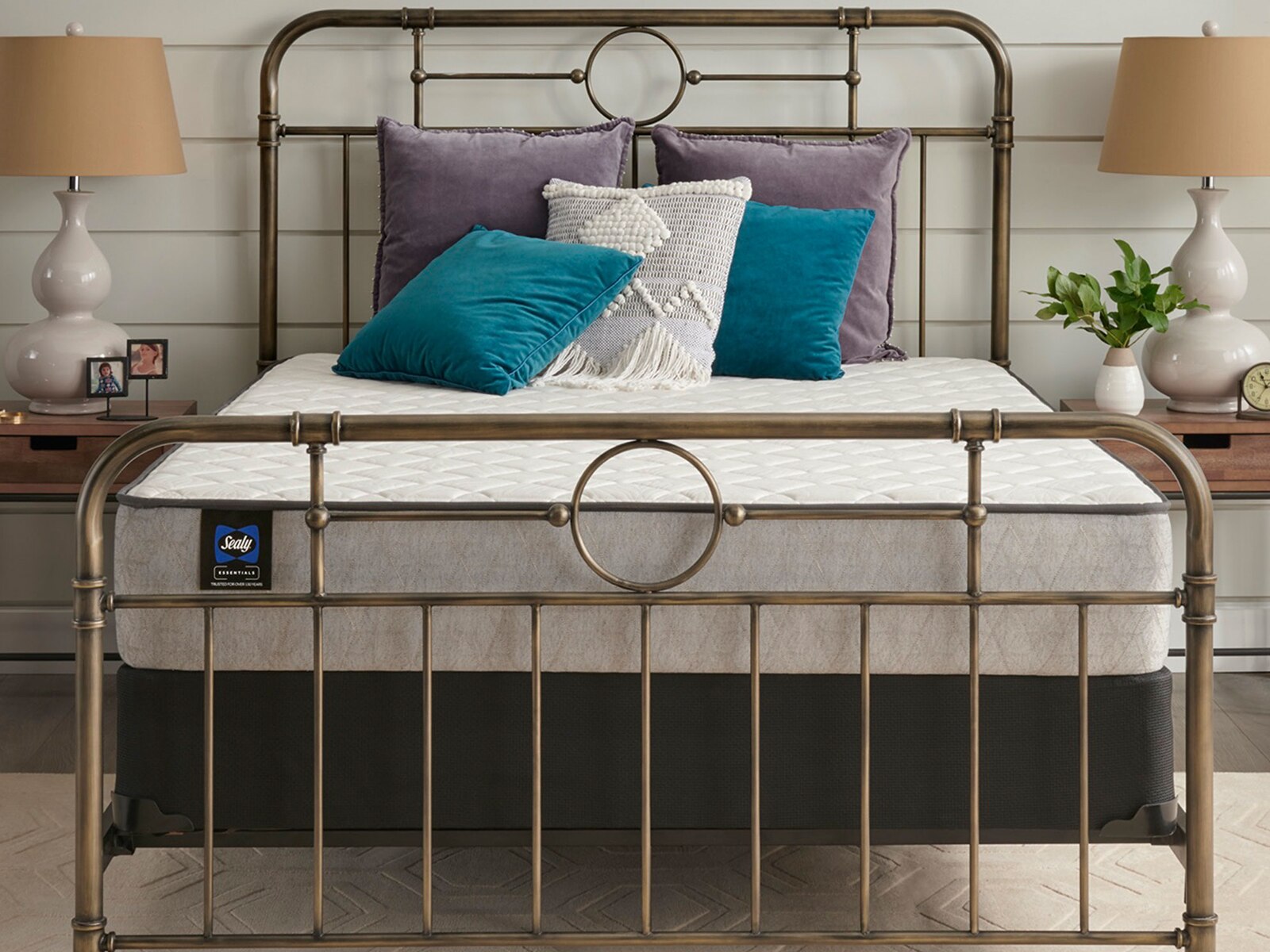
King mattresses with gel-infused layers combine a spacious sleep surface with foam cushioning that contains gel, often as beads, swirls or another integrated material. The gel is typically added to memory foam or another comfort foam rather than forming the mattress’s entire support system. These layers are designed to contour around the body and help manage heat near the sleep surface, while the layers beneath them provide foundational support. A gel-infused king mattress may have an all-foam construction, with a dense foam core, or a hybrid construction that pairs foam comfort layers with coils. Each design can create a different experience: all-foam mattresses often have a close, gradual contour, while hybrids may offer more bounce and easier movement. Neither construction has one universal feel, so the complete layer arrangement matters more than the presence of gel alone. Gel can absorb heat, but it does not actively refrigerate a mattress or guarantee that every sleeper will feel cool throughout the night. Airflow through the mattress, the cover fabric, bedding and individual sleep habits all influence comfort. Someone who tends to feel warm in bed may want to compare breathable covers, ventilated foam and coil systems alongside the gel-infused layer. Pressure relief is another important consideration. A comfort layer that yields beneath the shoulders and hips can help distribute body weight, while a supportive core helps limit excessive sinking. That balance is especially noticeable when settling onto one side or stretching out after a long day. Motion isolation can also matter on a shared king mattress. Memory foam often absorbs movement well, and individually wrapped coils can help reduce the spread of motion, though performance varies by construction. For a closer look at cushioning depth, explore
Mattresses With Thick Gel Layers and compare how the gel-infused foam works with the rest of the mattress. A thicker comfort layer can change the amount of contouring, but thickness alone does not establish cooling performance, support or overall quality.
A standard king mattress measures approximately 76 inches wide by 80 inches long, giving two sleepers generous room to change positions without crowding each other. That extra width can be useful when one person curls up and the other stretches out, or when partners prefer some space between them. Before choosing a king mattress with gel-infused foam, measure the bedroom, the bed frame and the route through doorways, hallways and stairs. Leave enough clearance to walk beside the bed, open drawers and change the sheets without squeezing between furniture. A California King is a different size, typically 72 inches wide by 84 inches long, so mattresses, frames, protectors and sheets should match the intended dimensions. Mattress height deserves attention, too. A taller mattress on a high foundation may make getting into bed awkward, while a lower setup can require more effort to stand up. For everyday comfort, consider sleeping position and body weight together rather than choosing by a firmness label alone. Side sleepers often appreciate enough cushioning for the shoulder and hip to settle in without feeling compressed. Back sleepers may prefer a balance of contouring and support, while stomach sleepers generally benefit from a surface that limits sinking around the midsection. People who change positions frequently may find a responsive comfort system easier to move across than foam with a slower response. Body weight affects how deeply the layers compress, so the same mattress can feel firmer to one person and softer to another. Partners should also consider edge support, especially if either person sleeps near the perimeter or sits on the side while getting dressed. Reinforced edges can make the outer portion of the bed feel more stable, but not every hybrid or all-foam design includes them. A standard king provides more space, not separate firmness settings; a split king uses two Twin XL mattresses and requires compatible bedding and support. For adjustable bases, confirm mattress compatibility rather than assuming that any foam or hybrid construction will bend as intended.
Long-term comfort depends on how the entire mattress is built and cared for, not simply whether the top layer contains gel. Foam density, layer thickness, coil construction and the strength of the underlying support system can all affect how a mattress holds up to repeated use. Density and firmness are different characteristics: a foam can feel soft yet be relatively dense, so neither a plush surface nor a tall profile reliably indicates durability. Construction details and warranty terms provide more useful context than a cooling claim by itself. Check the foundation requirements before placing a king mattress on an existing frame, including any limits on slat spacing and requirements for center support. A large mattress needs consistent support across its width, and an unsuitable base can affect both comfort and warranty coverage. Once the mattress is in place, use a well-fitting protector to help shield it from spills, perspiration and everyday wear. A breathable protector and appropriately fitted sheets can preserve more of the intended surface feel; a thick pad may noticeably change contouring and heat buildup. Follow the care label for cleaning, and avoid saturating foam because trapped moisture can be difficult to dry. A zippered cover is not necessarily removable or machine washable, so confirm the instructions before taking it off. Rotate the mattress only as recommended, and do not flip a layered mattress unless its construction is specifically designed for use on both sides. When moving it, follow handling guidance and avoid folding it unless permitted by the manufacturer. Everyday details matter just as much as occasional maintenance. Deep-pocket sheets should fit the full mattress height without pulling tightly across the surface, and pillows should complement the way the shoulders settle into the cushioning. For a shared primary bedroom or a roomy guest space, king mattresses with gel-infused layers offer several ways to combine contouring comfort with dependable support. The most useful comparison looks at the complete sleep surface: how it cushions, how easily it allows movement, how it manages heat and how well it fits the people and space it is intended for.