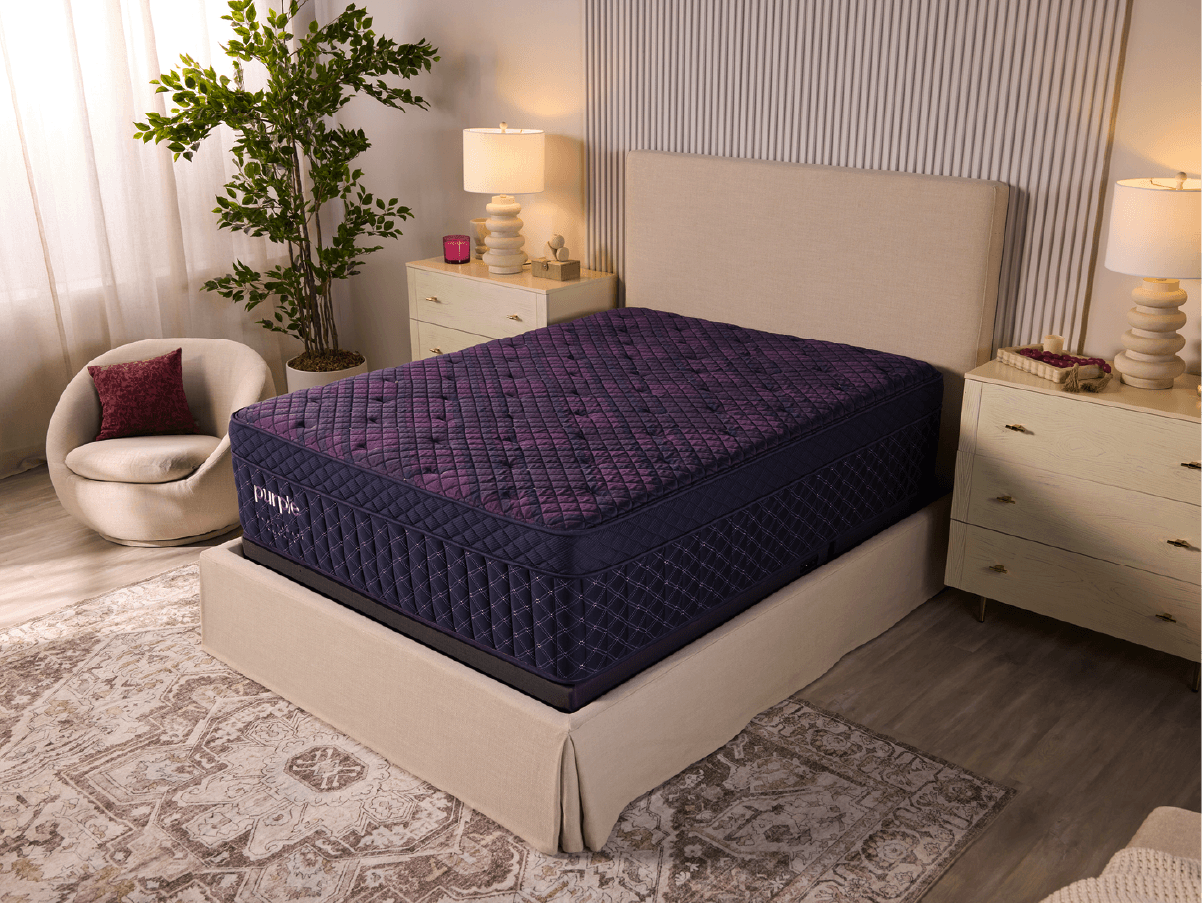
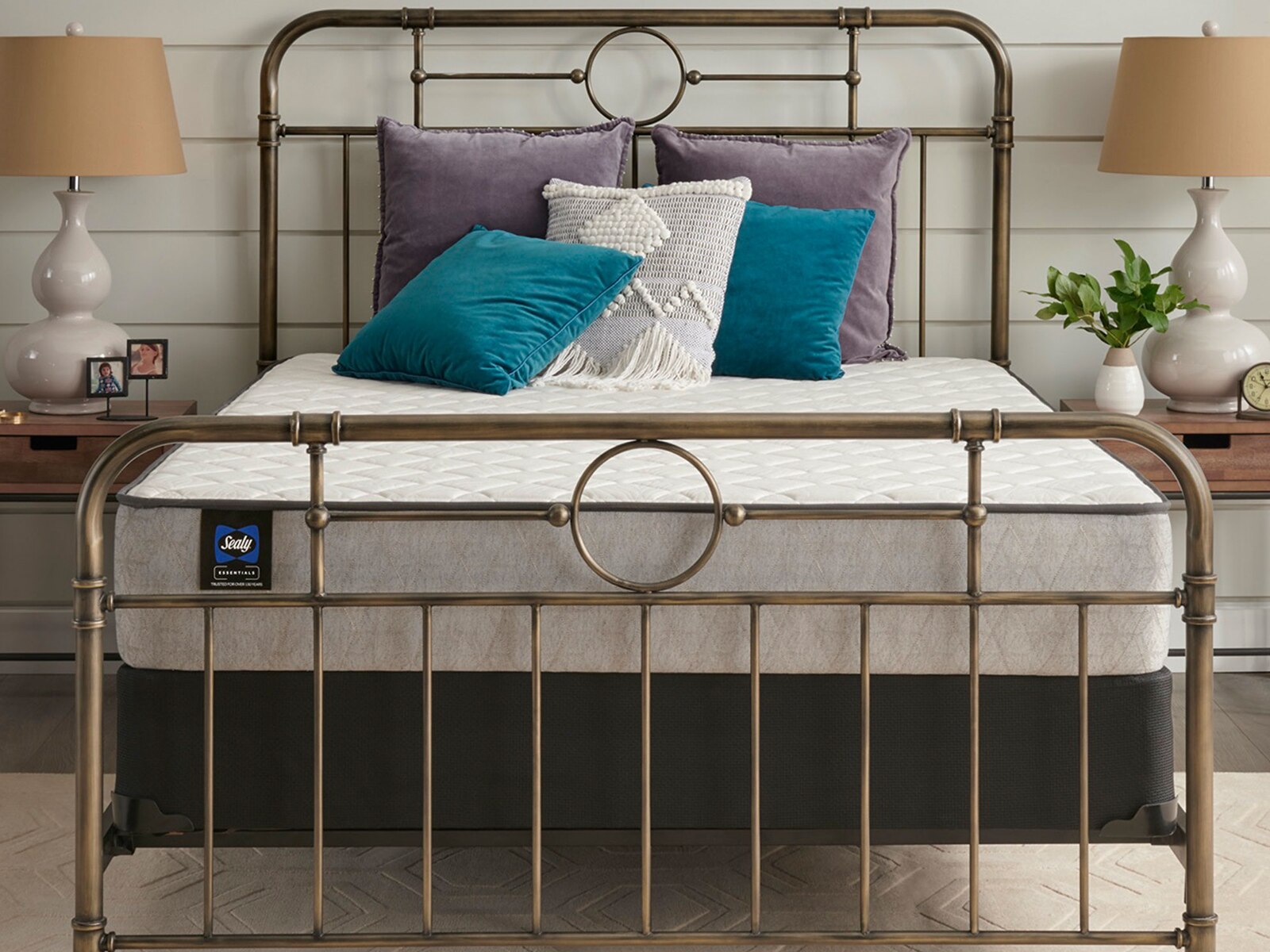
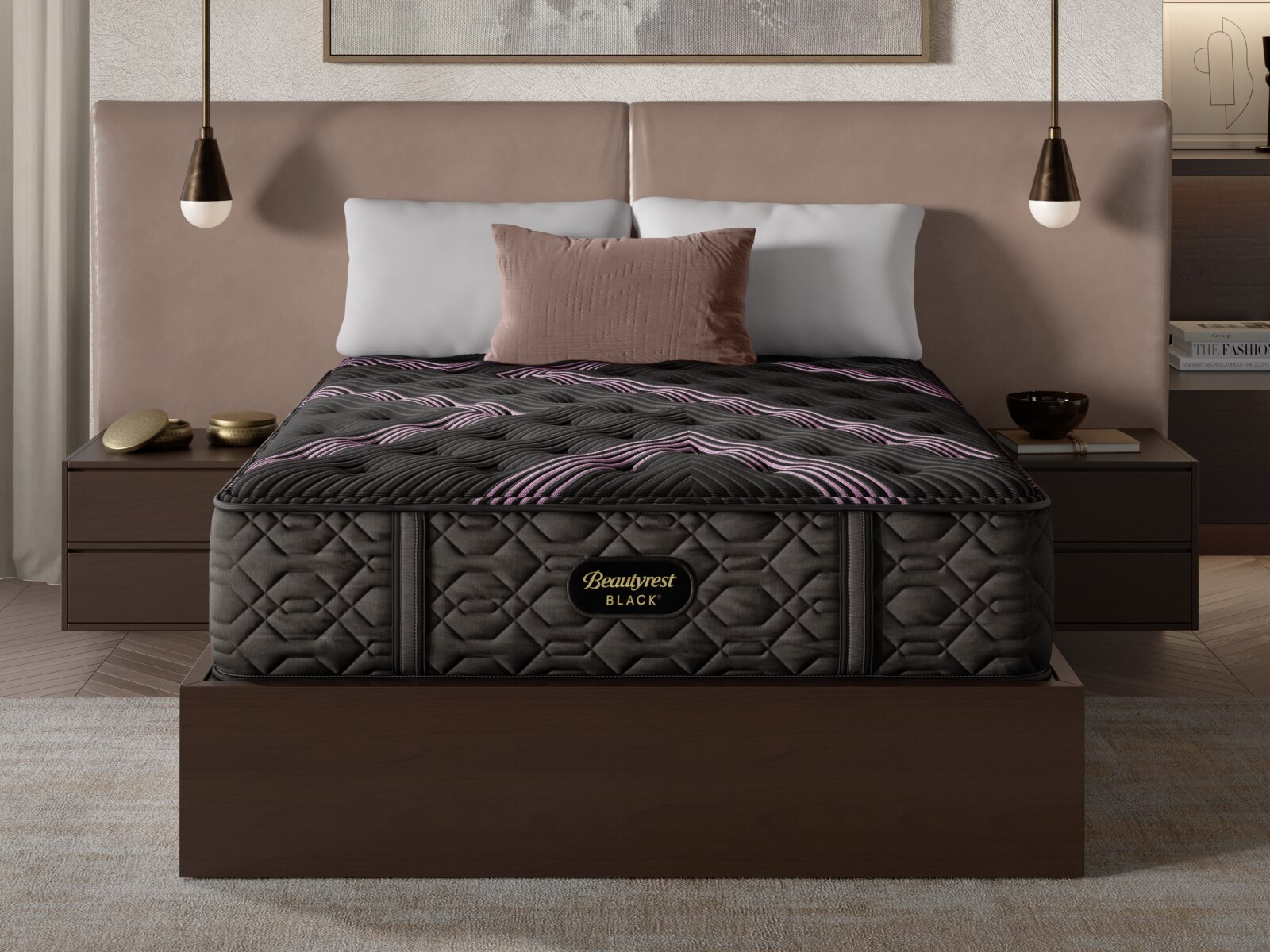
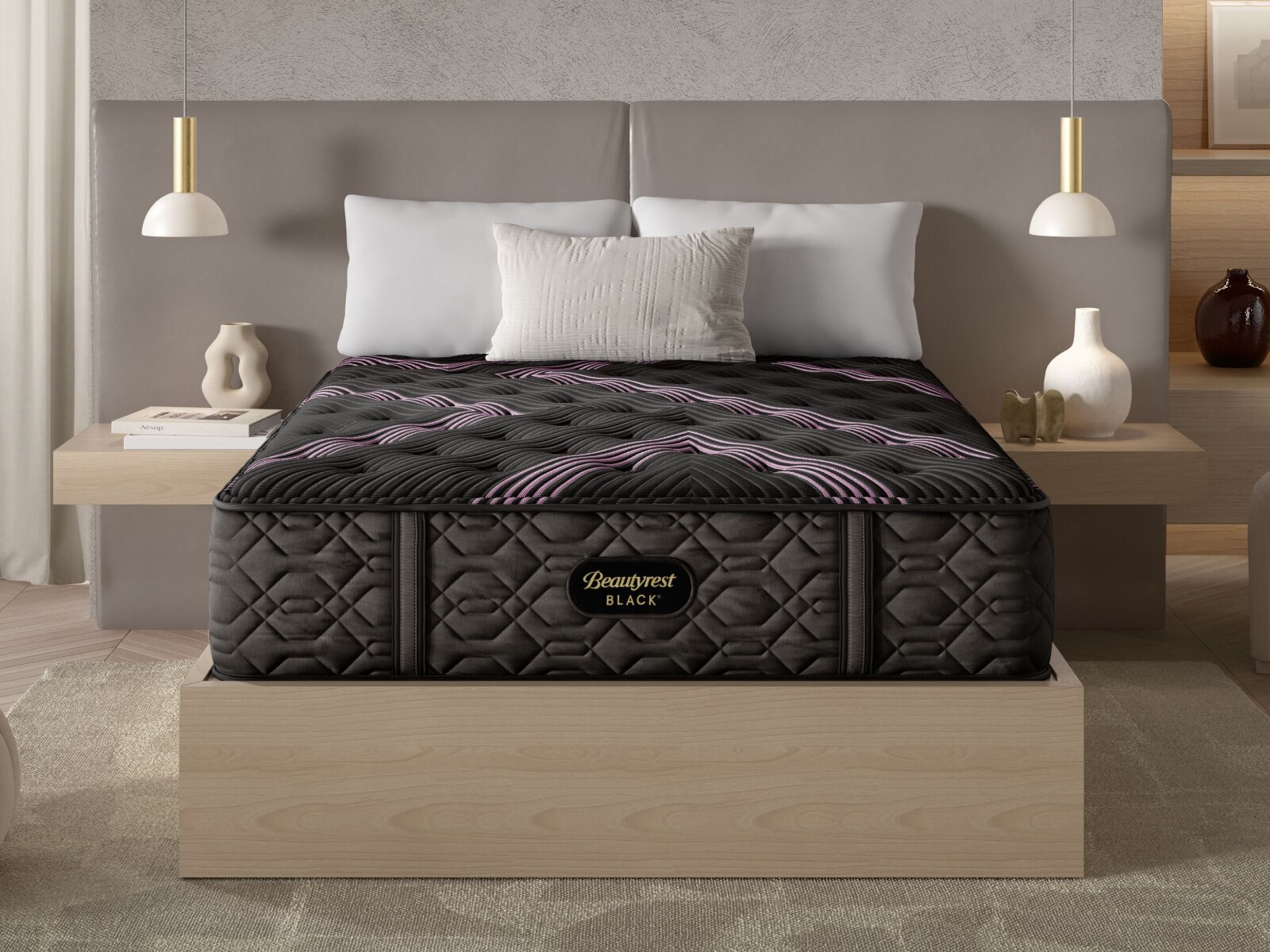
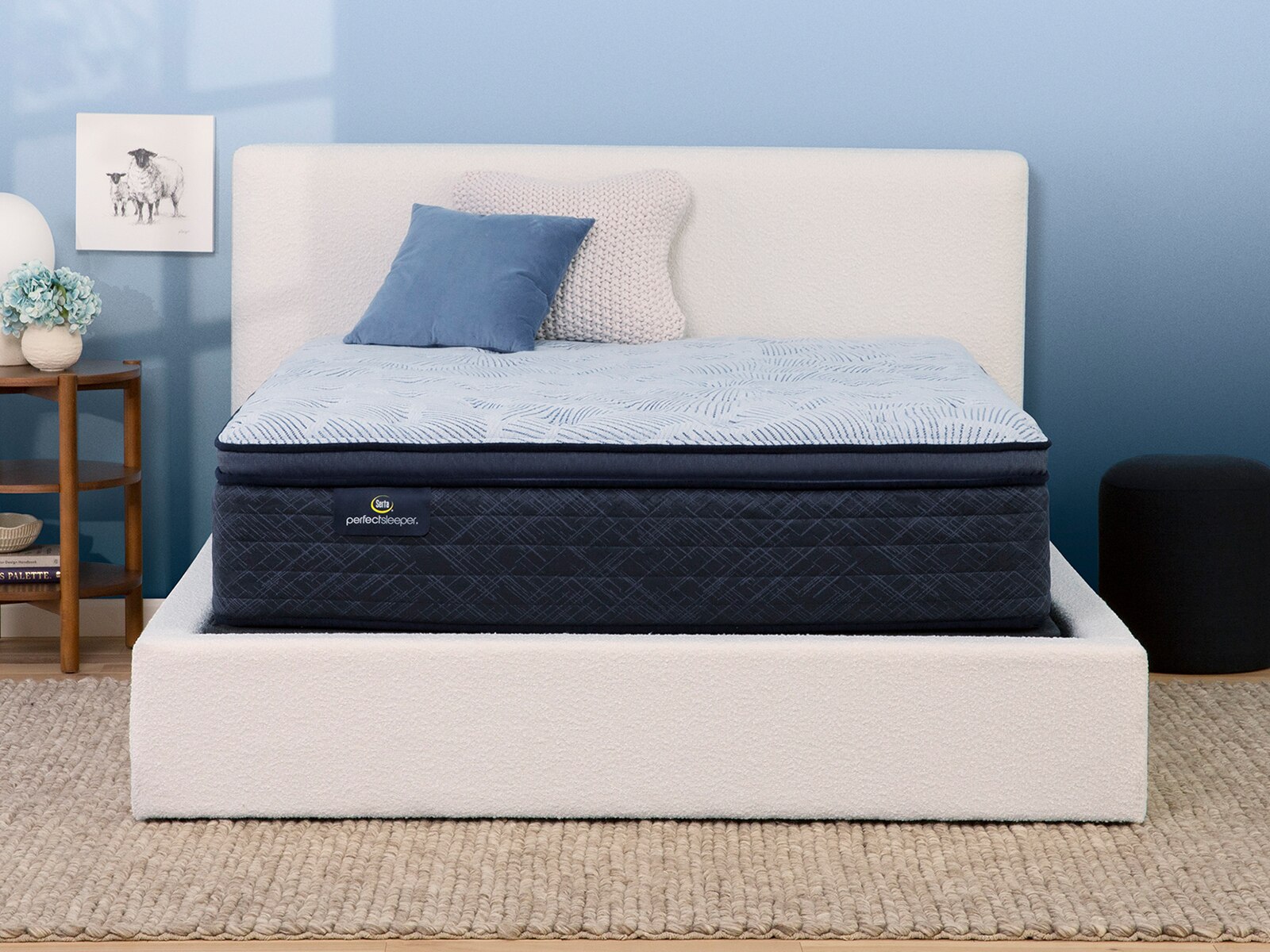
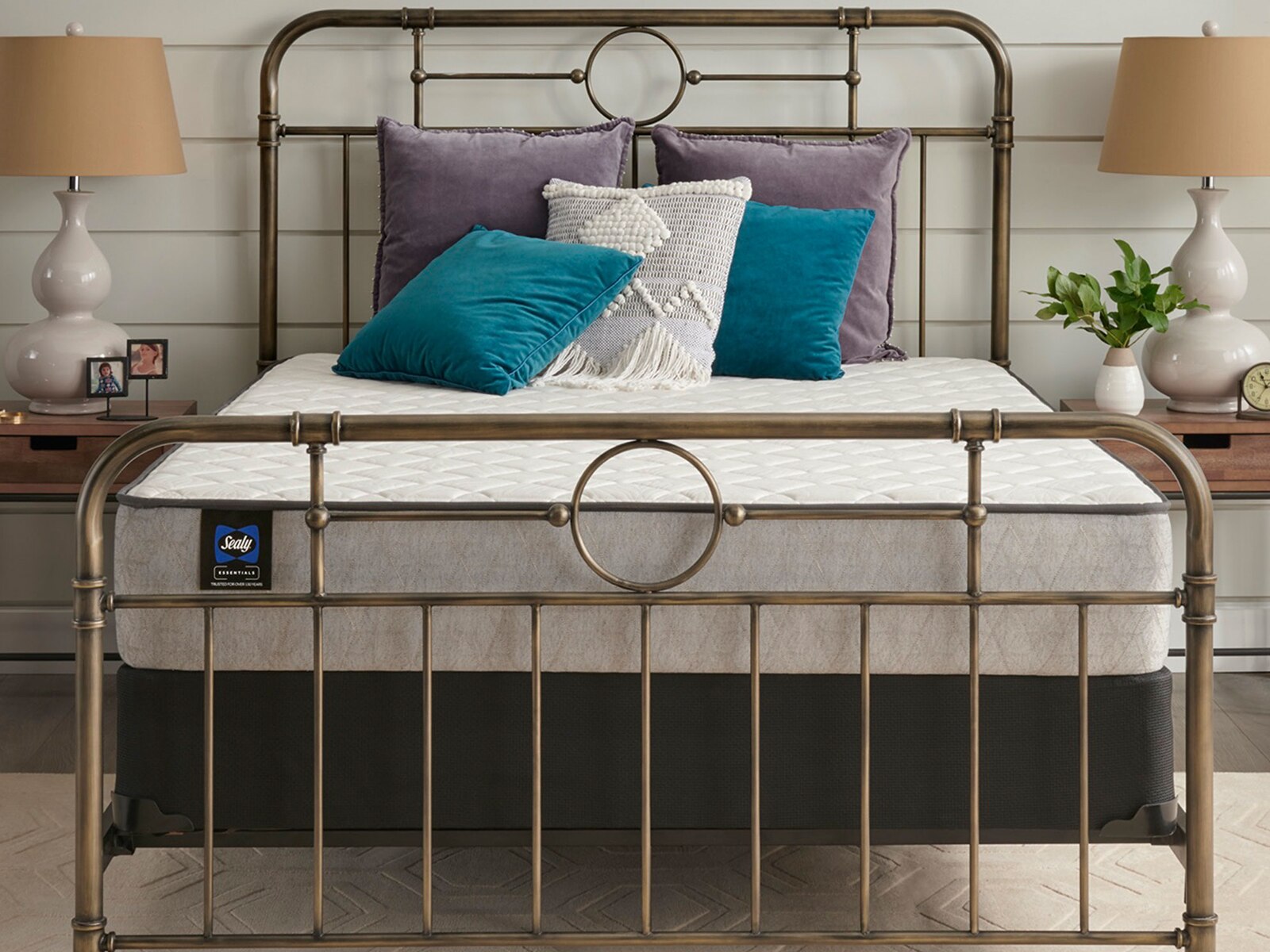
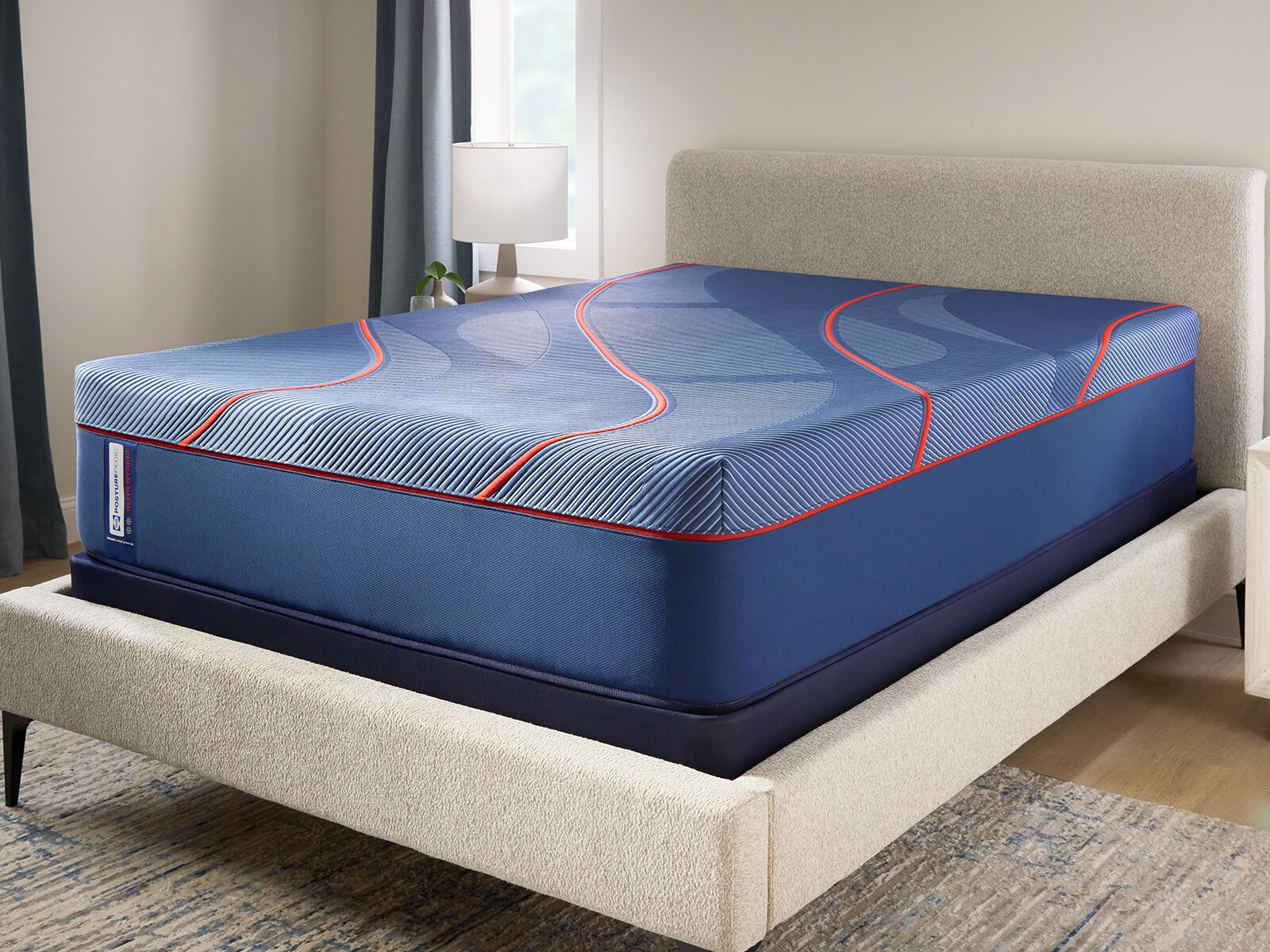
King mattresses with a gel flex layer combine a spacious sleep surface with a responsive comfort layer designed to cushion pressure points and adjust as the body moves. In this construction, a flexible polymer grid bends under areas of greater pressure, such as shoulders and hips, while maintaining a more supported feel beneath other areas. The grid rebounds when pressure shifts, creating a different sensation from the slow, enveloping contour of traditional memory foam. That responsiveness can appeal to sleepers who turn from side to back during the night or prefer cushioning without feeling deeply nestled into the mattress. Open spaces within the grid also provide pathways for airflow, although the cover, surrounding layers and bedding all influence how breathable the finished sleep surface feels. A standard king mattress measures approximately 76 inches wide by 80 inches long, giving two adults about 38 inches of width each. That extra room can make a difference when one person stretches out while the other sleeps curled on one side, or when partners prefer a little space between them. The generous surface also suits a single sleeper who enjoys spreading out, provided the bedroom leaves comfortable walking space around the bed. A California King has different proportions, typically measuring 72 inches wide by 84 inches long, so matching the mattress dimensions to the frame matters. For side sleepers, a gel flex layer may allow the shoulder and hip to settle into the surface without requiring the entire mattress to feel soft. Back sleepers may appreciate a balance of contouring and resistance beneath the pelvis, while stomach sleepers generally need enough underlying support to limit excessive sinking through the middle. Body weight, sleep position and personal preference all affect that balance. The grid contributes to the feel, but the complete mattress construction determines how well the surface accommodates a particular sleeper.
Beneath the gel flex layer, a king mattress may use supportive foam, individually wrapped coils or a combination of materials. A foam support core generally creates a steadier, less springy foundation, while a coil system can add buoyancy and change how the mattress responds near the edges. Neither construction guarantees a particular firmness, because grid thickness, foam density, coil design and the arrangement of transition layers work together. A thicker comfort section may allow more cushioning before the body meets firmer support, but thickness alone does not establish comfort or durability. Firmness and support are also different qualities: firmness describes how the surface feels, while support concerns how the mattress holds the body across its length. For couples, motion transfer is another practical consideration. A responsive grid can recover quickly as someone moves, while foam layers and individually wrapped coils may help limit how much of that movement reaches the other side. The amount of movement felt still depends on the complete design, especially when partners have different body weights or one frequently gets out of bed. Edge support matters on a king mattress, too, particularly for someone who sleeps close to the perimeter or sits along the side while getting dressed. Reinforced edges may provide a more stable boundary, though sitting directly on the edge places a different load on the mattress than lying down. The
King Mattresses With Gel Foam And Coil Support collection offers another construction to consider: gel-infused foam provides cushioning above coils rather than using an open polymer grid as the defining comfort layer. Gel foam and gel flex materials are not interchangeable terms, and their response to pressure can feel noticeably different. Across either construction, fitted sheets and a flexible mattress protector should accommodate the mattress depth without pulling the surface tightly enough to restrict its contouring.
A king mattress with a gel flex layer works best as part of a properly matched sleep setup. The foundation needs to support the mattress across its full width, including appropriate center support for a king frame. Slat spacing and foundation requirements vary by construction, so the manufacturer’s specifications are more useful than assuming an existing frame will suit every mattress. Adjustable-base compatibility also needs to be confirmed for the complete mattress, not inferred from the flexibility of its top layer. Overall height deserves attention when pairing a mattress with a tall foundation or platform, especially for someone who prefers to sit with both feet comfortably on the floor before standing. Mattress depth also affects fitted-sheet pocket depth, while the size of stairways, doorways and bedroom turns can influence how a king mattress fits into the home. Once in place, consistent support and thoughtful care help preserve the intended feel. A breathable protector can help shield the surface from spills and everyday moisture; its care requirements should be checked separately from those of the mattress cover. Some covers are removable without being machine washable, and cleaning methods vary, so spot cleaning or laundering should follow the manufacturer’s directions. Saturating the comfort layers can leave moisture trapped inside, making a lightly dampened cloth more appropriate when permitted by the care instructions. Rotation should likewise follow the stated recommendations, and a layered mattress should not be flipped unless it is specifically designed for two-sided use. Over time, durability depends on the quality of the grid, surrounding foams, support core and cover, along with the foundation and everyday use. For a shared bedroom, a larger primary suite or a sleeper seeking more room to change positions, the strongest fit comes from combining that generous king-size surface with a comfort response that feels balanced beneath the shoulders, waist and hips. The result should feel spacious and responsive without sacrificing the steady support needed for a comfortable night.