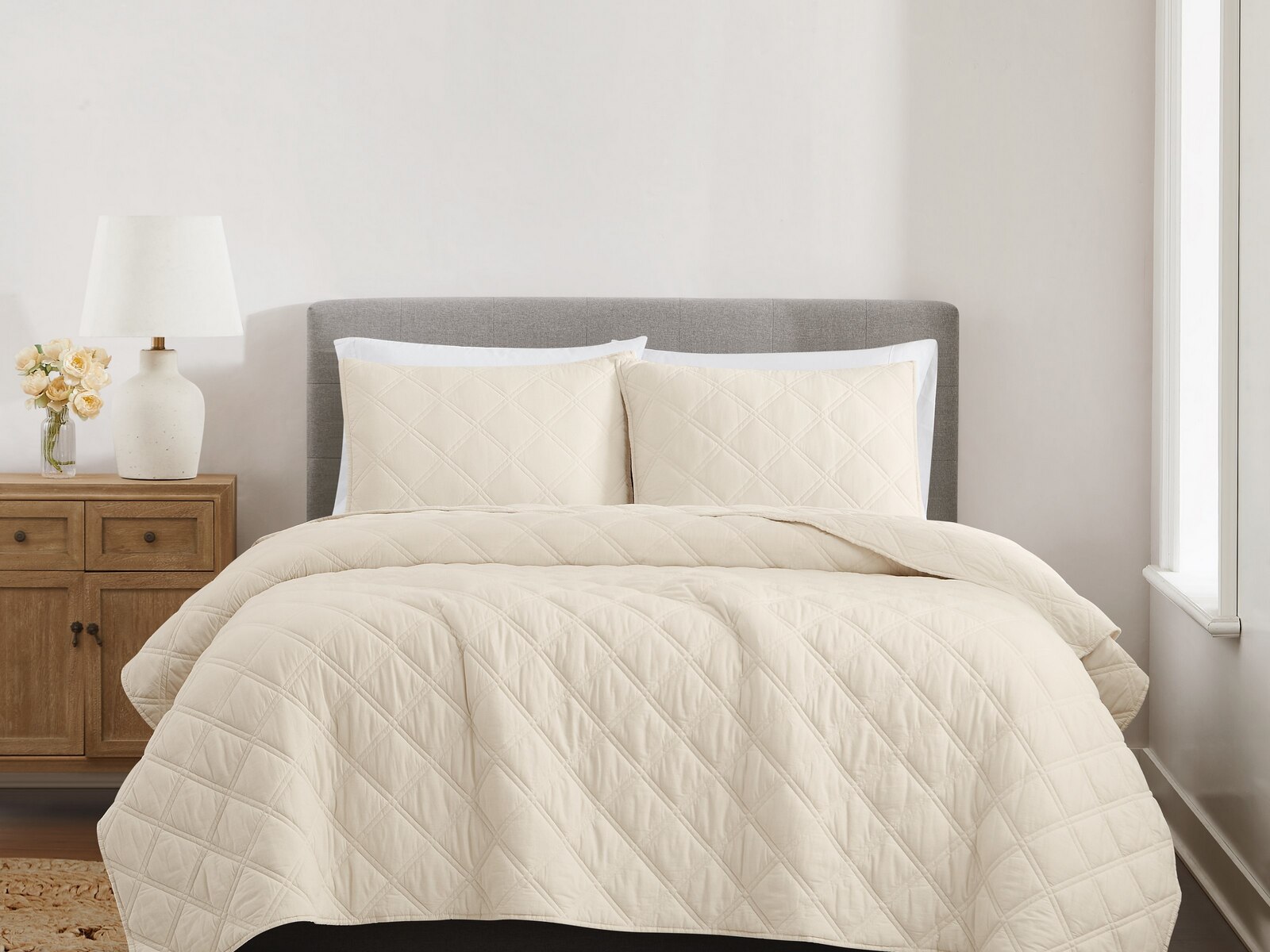
King pillowcases for a fall refresh bring autumn color and texture to the part of the bed that stays closest to the face, making fabric feel just as important as appearance. Rust, cinnamon, ochre and deep burgundy can add warmth to white or ivory bedding, while charcoal, taupe and muted blue create a quieter seasonal look. Plaid offers a familiar autumn accent, small florals add detail without overwhelming a room and solid colors make it easier to mix pillowcases with patterned sheets or a textured quilt. A pair of king pillowcases can give the head of the bed a coordinated finish without requiring a complete bedding change. Fit matters, though: a king pillow typically measures 20 by 36 inches, and its pillowcase needs enough room to cover that length without compressing the fill. Some king pillowcases measure approximately 20 by 40 inches, but dimensions vary, so comparing the pillow and case measurements is more reliable than relying on the size name alone. A snug case can make a soft pillow feel firmer, while excess fabric may bunch beneath the cheek or leave the bed looking unfinished. Envelope closures help tuck the pillow out of sight, while open-ended cases offer a simple shape that is easy to remove for washing. Decorative borders and flanges add visual width, which is worth considering when several pillows share the bed. King pillows are commonly paired on a king mattress, but a single long pillow can also suit someone who likes extra room to turn or reposition on a smaller bed. For everyday sleeping, distinguish pillowcases from decorative shams: shams may have textured surfaces, trim or closures better suited to display than direct contact with the face. The most useful fall update balances that finished bedroom look with a surface that feels comfortable through an ordinary night, including the moments spent reading before bed or settling back to sleep.
Material helps determine whether that seasonal look feels crisp, smooth or softly brushed. Cotton percale has a plain weave and a matte finish, with a lighter, crisper hand that can suit sleepers who prefer less surface warmth. Cotton sateen uses a different weave to create a smoother feel and a subtle sheen, giving deeper autumn colors a more polished appearance. Both are cotton, but their texture and drape can differ noticeably, even when the thread counts look similar. Flannel brings a brushed surface that holds a layer of warmth close to the skin, making it a natural choice for someone who enjoys a cozy pillow from the first touch. That softness may appeal in a drafty bedroom, though a sleeper who tends to feel warm may prefer a less insulating fabric and use color, rather than extra brushing, to create the fall effect. Microfiber pillowcases often have a soft, lightweight feel and may resist wrinkling, but their warmth and breathability depend on the fabric construction. Satin describes a weave rather than a single fiber: a satin pillowcase might contain silk, polyester or another fiber, so the fiber label matters as much as the smooth finish. A slippery surface may feel pleasant against the face, but someone who likes a pillow that stays firmly in place may prefer the grip of a matte cotton weave. Texture preferences are personal, especially for side sleepers whose cheeks remain against the pillowcase for long stretches. Raised embroidery, prominent seams and decorative stitching can look appealing at the edge while feeling distracting directly beneath the face. Thread count alone cannot settle those differences; fiber quality, weave, finishing and construction all contribute to comfort and wear. For a shared bedroom, matching colors in different fabrics can create a coordinated look while accommodating different preferences. One sleeper might enjoy brushed flannel, while the other prefers crisp cotton in a similar shade. The result can still feel cohesive without asking both people to sleep on the same texture.
Care requirements deserve a place alongside color and softness because pillowcases are handled and washed frequently. Check the care label for washing temperature, drying instructions and any restrictions on bleach or fabric treatments before choosing a fabric for regular use. Cotton may shrink, particularly with higher heat, while some brushed fabrics can shed lint or develop surface pills with wear. Smooth, delicate fabrics may need gentler washing and protection from rough fasteners elsewhere in the load. Secure stitching, neatly finished seams and an even hem are useful signs of careful construction, especially at the opening where hands tug the case over the pillow. Having another pair in rotation makes it easier to keep a bed ready while freshly washed cases dry, and it spreads repeated use across more than one set. For a guest room, washable fabrics with straightforward care instructions can simplify preparation between visits; a restrained plaid or rich solid color adds a fall touch without making the room feel tied to a single occasion. In a primary bedroom, pillowcases can connect existing pieces: a rust accent can pick up a small detail in a quilt, while warm ivory can soften the contrast between dark bedding and a wood headboard. For more bedroom styling inspiration, explore
King Pillowcases For Stylish Bedrooms. A pair can also make a thoughtful housewarming gift when the recipient’s pillow size and fabric preferences are known, particularly in an easy-to-coordinate neutral or a familiar favorite color. Beyond the seasonal styling, lasting usefulness comes from the basics: adequate room for the pillow, a comfortable sleeping surface and care needs that fit the household routine. A well-chosen fall refresh should look inviting when the bed is made and feel equally welcoming when the decorative layers are folded back for the night.