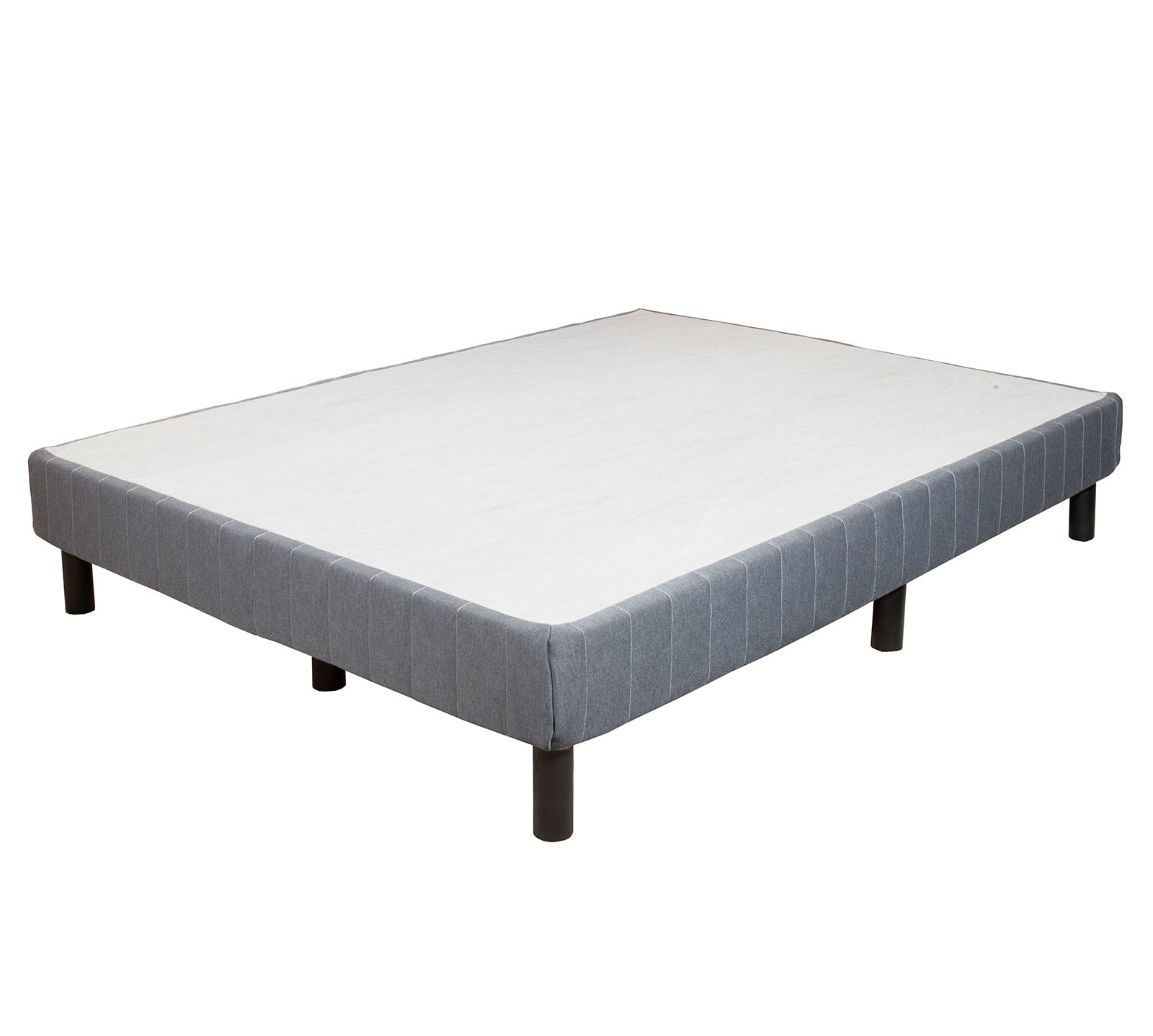
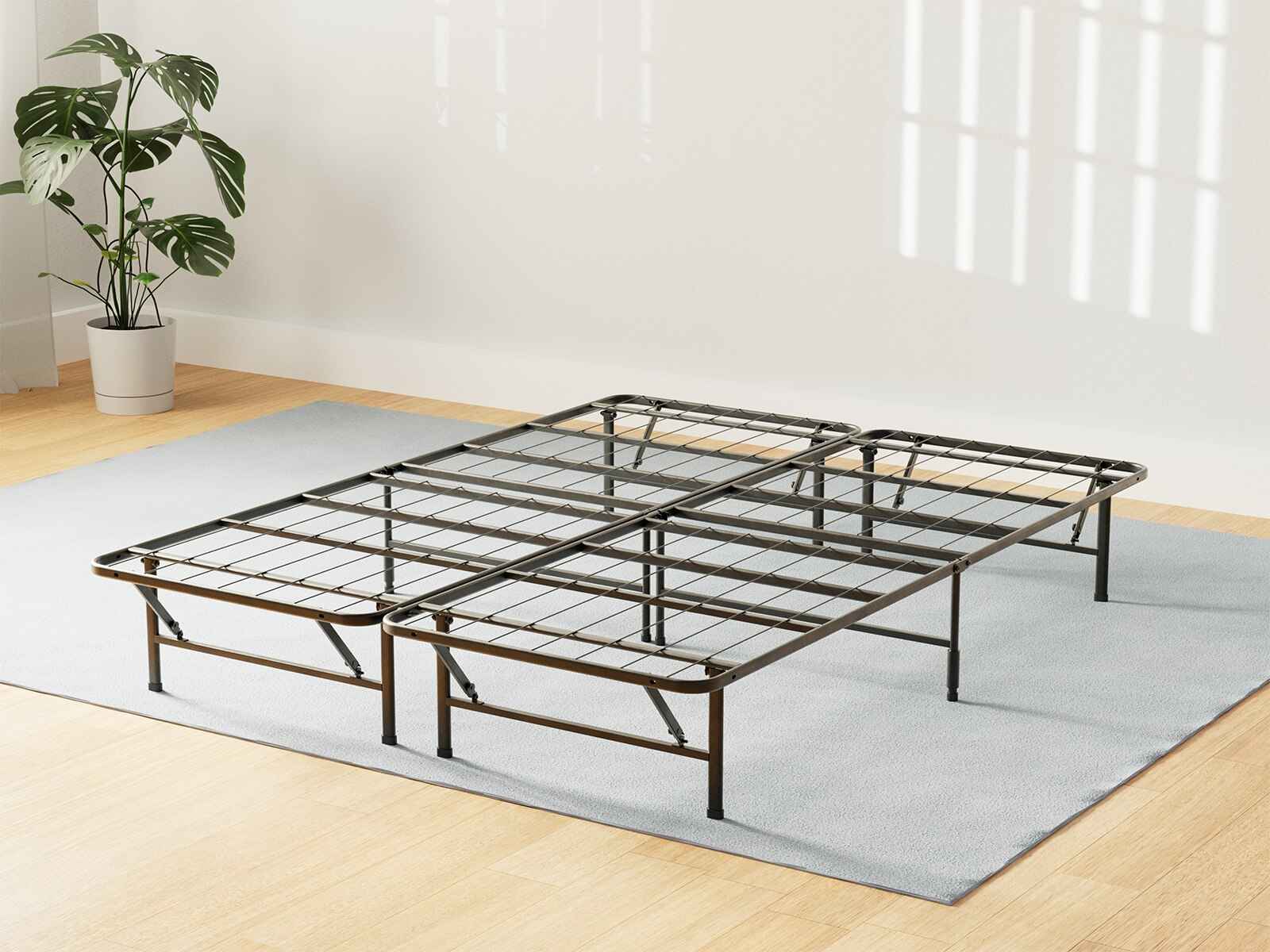
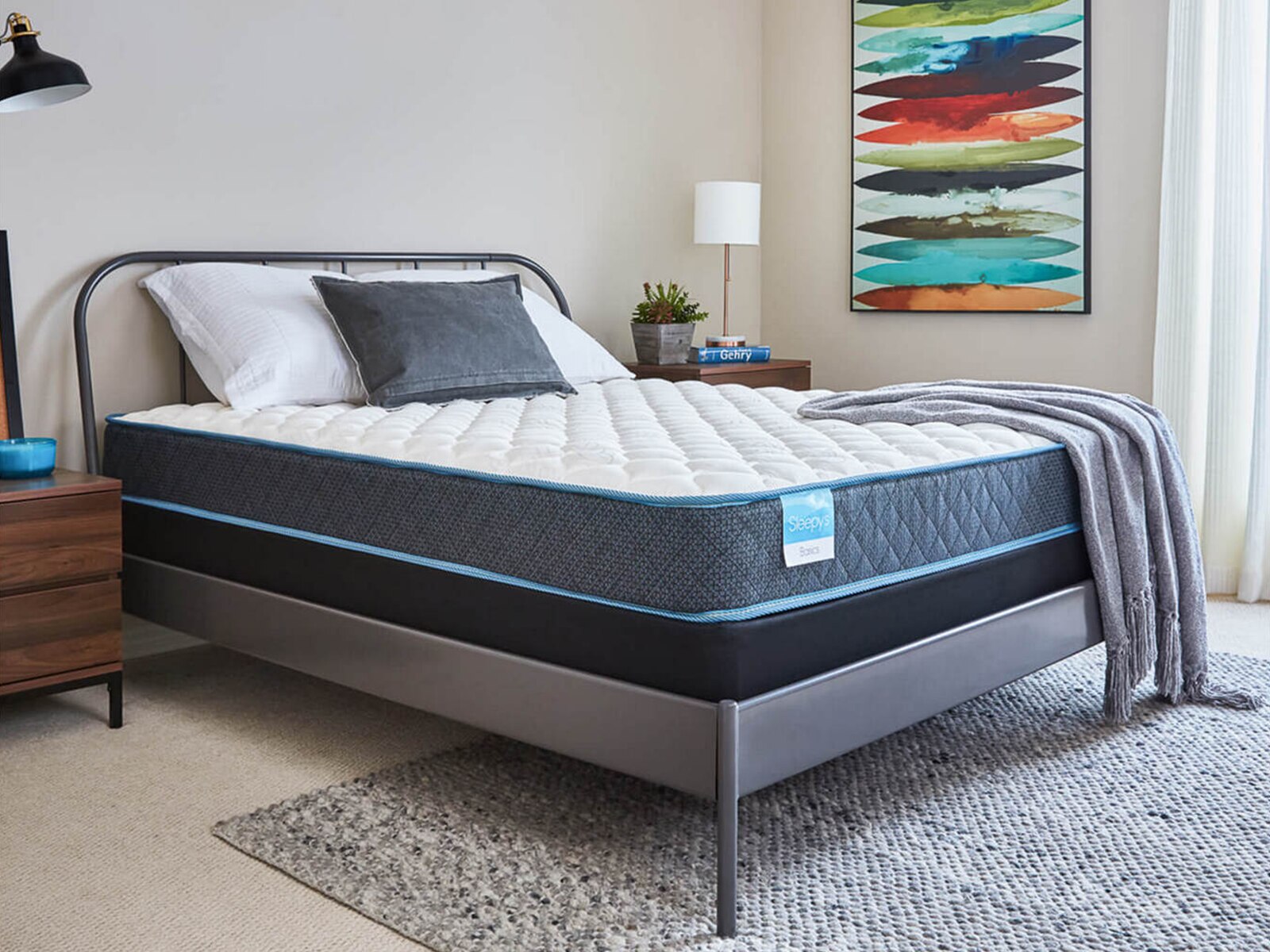
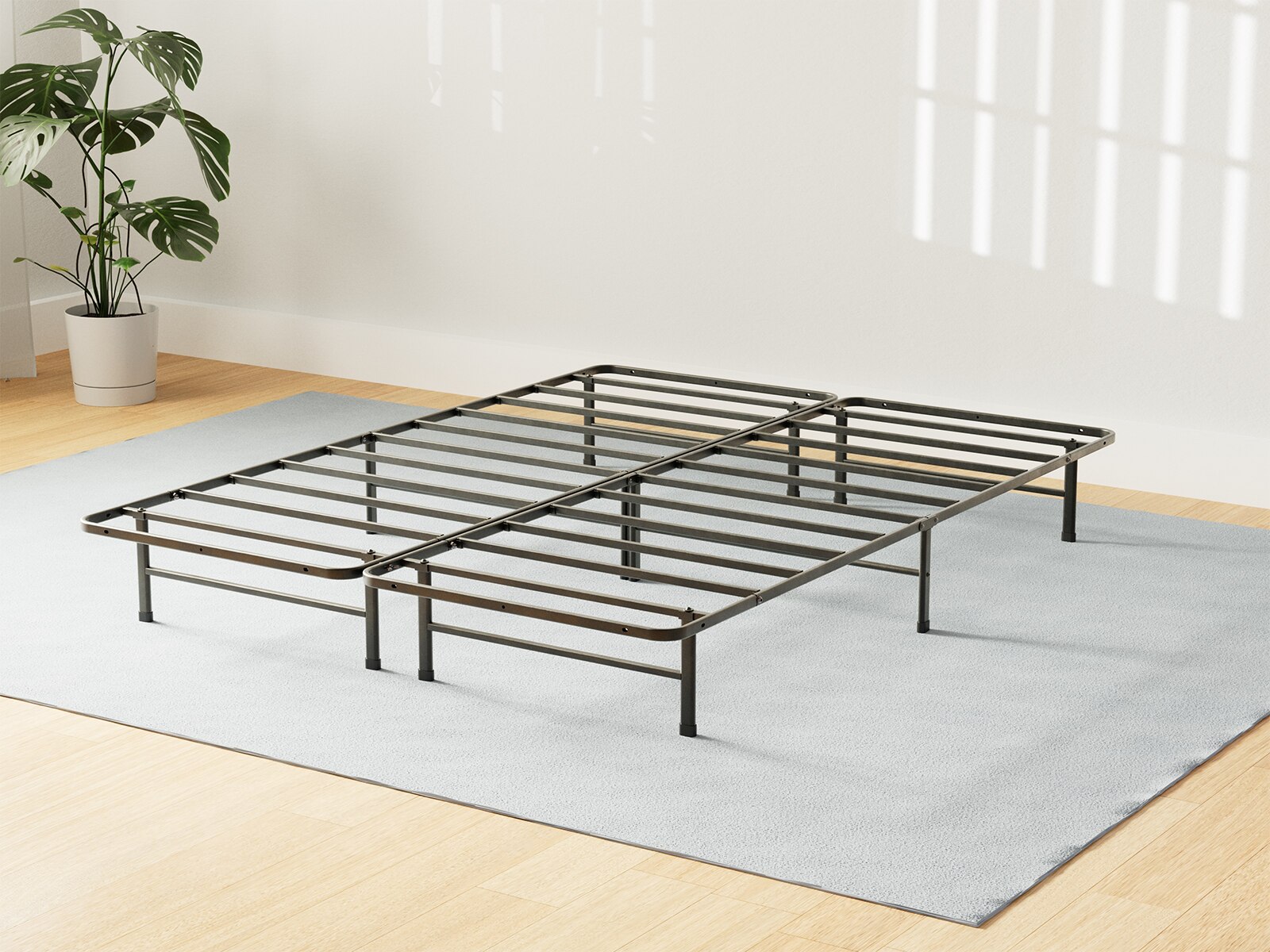
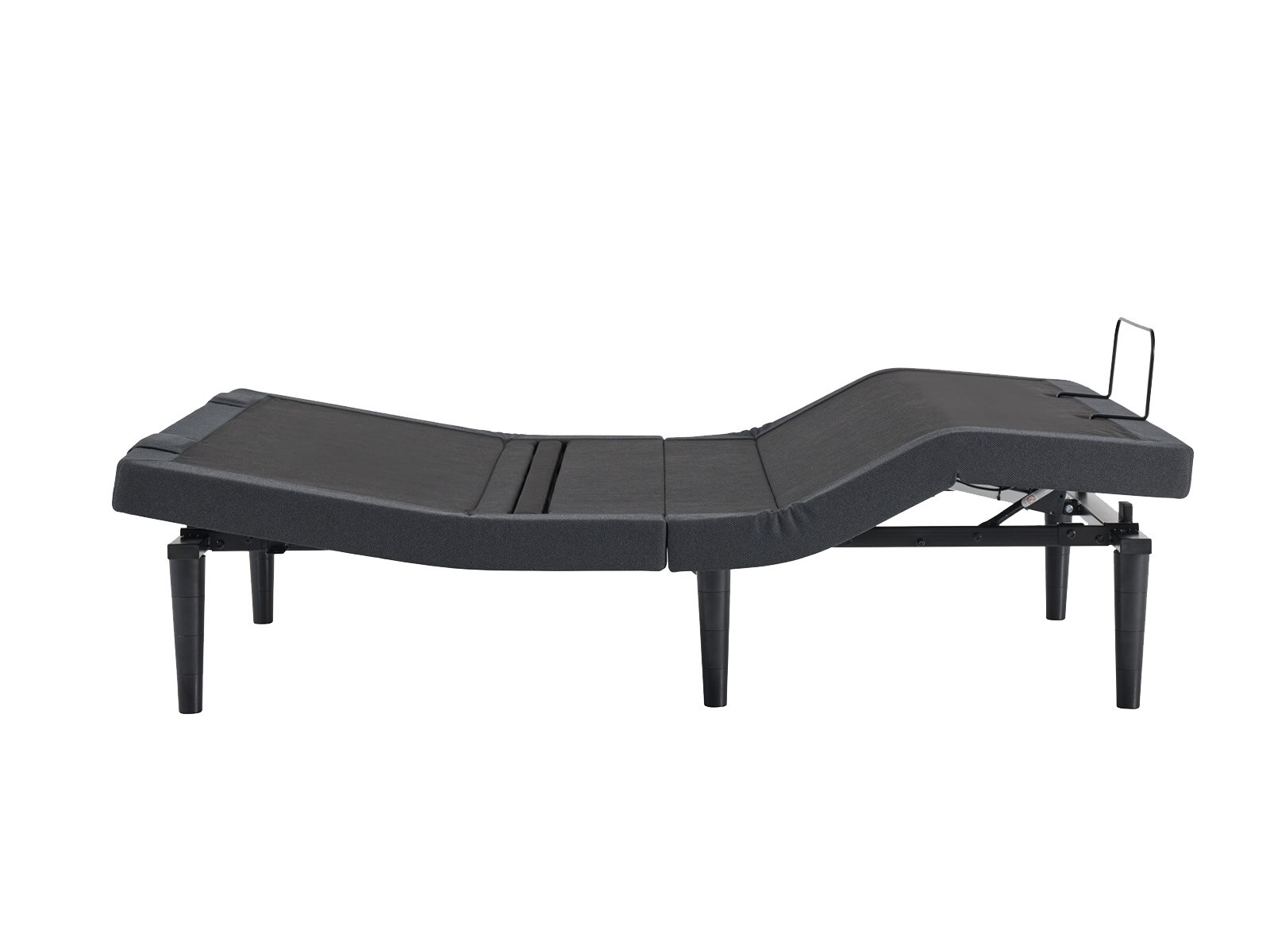
King platform frames for hybrid mattresses provide a supportive base for mattresses that combine coils with foam, latex or other comfort layers. A sturdy frame, dependable center support and a mattress-compatible support surface are especially important for a king bed, where the wider sleeping area needs reinforcement beyond the outer rails. Closely spaced slats help distribute the mattress’s weight without leaving large unsupported gaps; spacing of three inches or less is a common requirement, but the mattress manufacturer’s specifications should always determine the acceptable distance. A solid platform may also be suitable when the mattress manufacturer permits it, with ventilation requirements taken into account. Center rails and support legs that reach the floor help carry weight through the middle of the bed rather than leaving the side rails to do all the work. The frame’s stated weight capacity should accommodate the mattress, everyone sleeping on it and any additional load identified in the manufacturer’s instructions. Capacity definitions can vary, so a rating is most useful when it clearly explains what is included. Most platform designs are intended to support a mattress without a separate box spring, although the requirements for both the frame and mattress still apply. Fit matters just as much as strength. A standard king mattress measures approximately 76 inches wide by 80 inches long, while a California King measures approximately 72 inches wide by 84 inches long. Those dimensions are not interchangeable, and the frame’s outside measurements may extend beyond the mattress footprint, particularly with upholstered rails or a substantial headboard. A properly sized sleeping surface keeps the mattress positioned as intended without forcing its edges into a space that is too small. In a shared bedroom, dependable support across that entire footprint helps the mattress perform as designed, whether both sleepers settle near the center or prefer opposite sides of the bed.
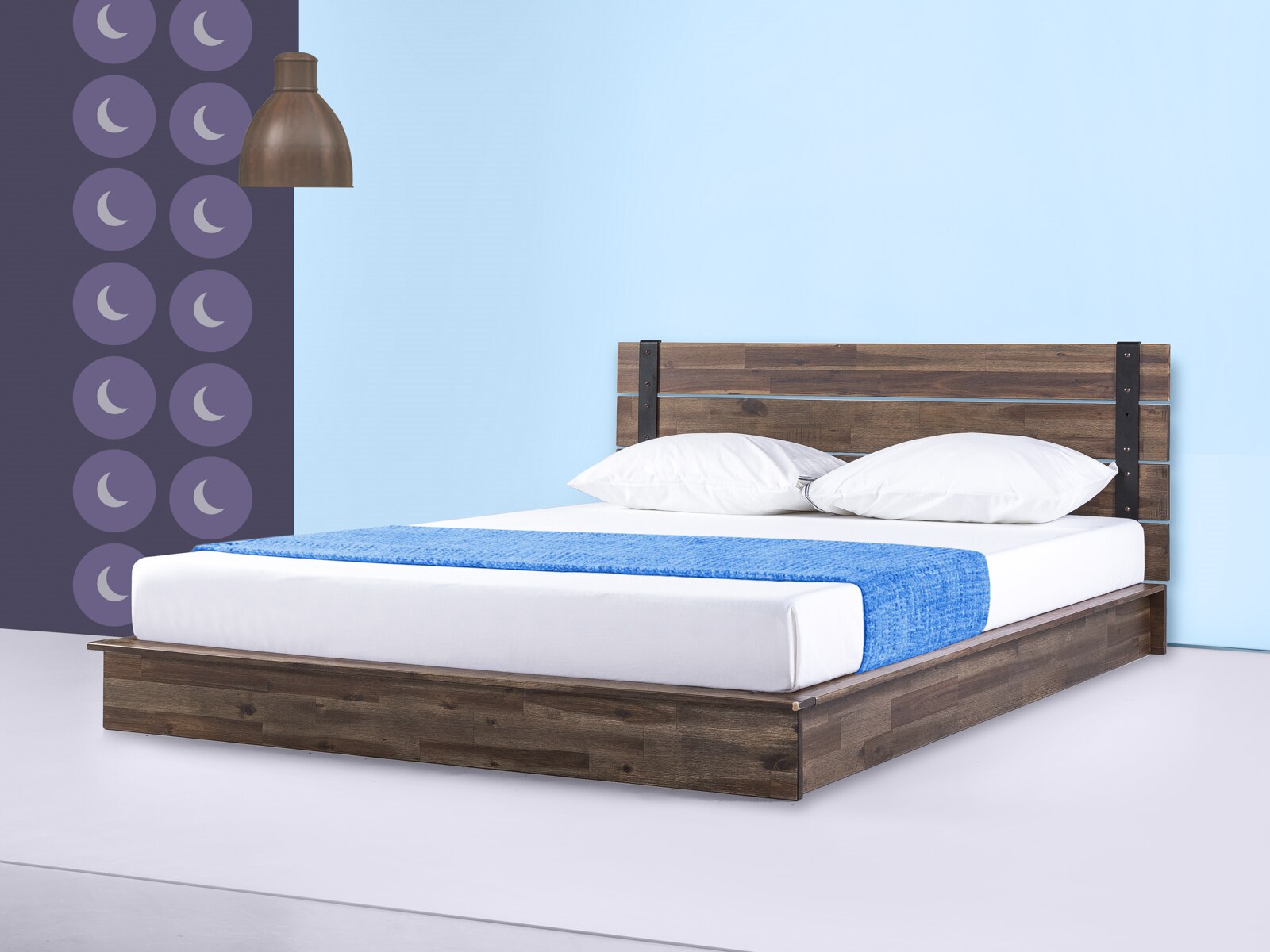
Materials and construction shape how a king platform frame looks, feels and holds up to everyday use. Steel frames can offer a streamlined profile, while wood frames bring visible grain, substantial rails and a broad range of finishes. Neither material alone tells the whole story: the strength of the joints, the design of the center support and the quality of the slats all contribute to stability. Solid wood and engineered wood components have different construction and care requirements, making the details of the complete frame more useful than a material name by itself. Upholstered frames add a softer visual finish around the mattress and can make a large bed feel more integrated with a bedroom’s furnishings. Fabric texture, upholstery coverage and the shape of the corners are practical considerations when the bed sits close to a walking path. A padded rail may feel more forgiving against a shin, but it can also add width that needs to be included in room measurements. Frame height deserves the same attention. A thick hybrid mattress on a tall platform can create a higher sleeping surface than expected, while a low-profile frame paired with that same mattress may produce a more comfortable height for sitting down and standing up. Measuring the combined height helps put those proportions into context. Underbed clearance is a separate measurement, especially when storage bins or cleaning tools need to fit beneath the rails. Drawers, when included in a frame’s design, also need room to open without meeting a nightstand or dresser. For shared sleeping spaces, secure connections and well-supported slats can help limit movement and noise from the base, though no frame can guarantee silence or change the mattress’s inherent motion isolation. A balanced design leaves enough space to move around the bed, keeps bedside essentials within reach and supports the mattress without making the room feel crowded.
Everyday durability depends on correct assembly and ongoing care as well as the original construction. A king platform frame has a broad footprint, and getting it into position may involve a narrow hallway, a stair landing or a bedroom doorway with limited turning space. Packaged dimensions, component sizes and assembly requirements are worth checking before bringing a frame home. During setup, all required slats, brackets and center legs need to be installed according to the instructions; leaving out a support piece can change how weight is carried across the bed. Adjustable support feet, when present, should be set as directed so they make appropriate contact with the floor. A rug beneath only part of the frame can create an uneven surface, so the finished setup should sit level without rocking. Periodic checks for loose fasteners, shifted slats or worn connections help identify small maintenance needs before they affect stability. Wood and metal surfaces generally benefit from gentle cleaning with products approved for their finish, while upholstered sections may need vacuuming with a suitable attachment and spot treatment according to the fabric’s care instructions. Excess moisture and harsh cleaners can damage finishes or upholstery, even when the underlying frame remains strong. Keeping the space beneath the mattress clear enough for any required airflow also supports routine care. These details matter in a primary bedroom used every night and in a guest room where a larger bed needs to feel comfortable and settled after periods between visits. Couples, taller sleepers and households upgrading from a smaller sleeping surface may appreciate a king bed’s room to stretch out, provided the bedroom can accommodate it comfortably. For a separate room with a smaller footprint and a different mattress type,
queen platform frames for memory foam mattresses offer another size-and-support combination to consider. The strongest match is a frame whose dimensions, support requirements and everyday features suit both the mattress and the room around it.