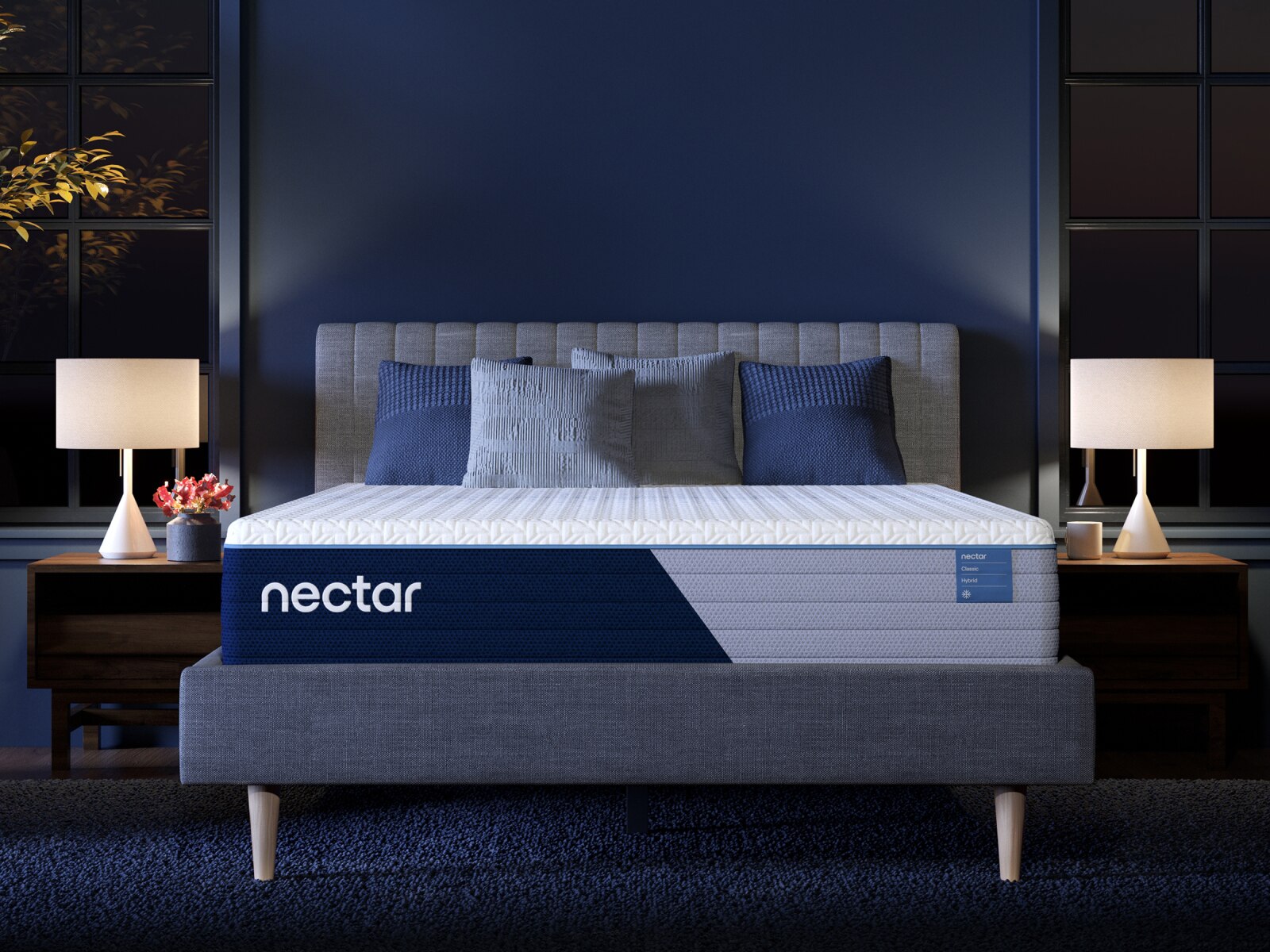
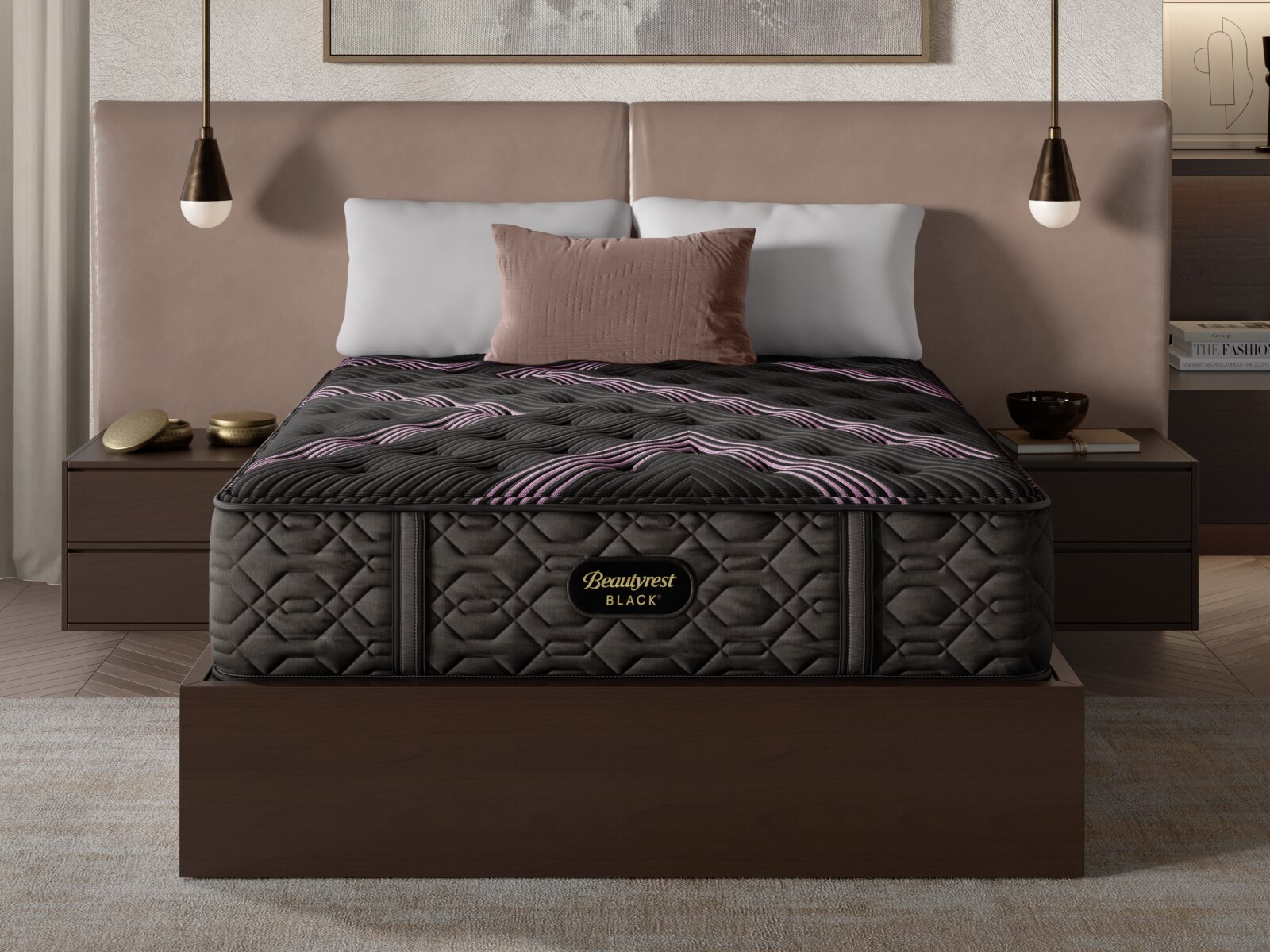
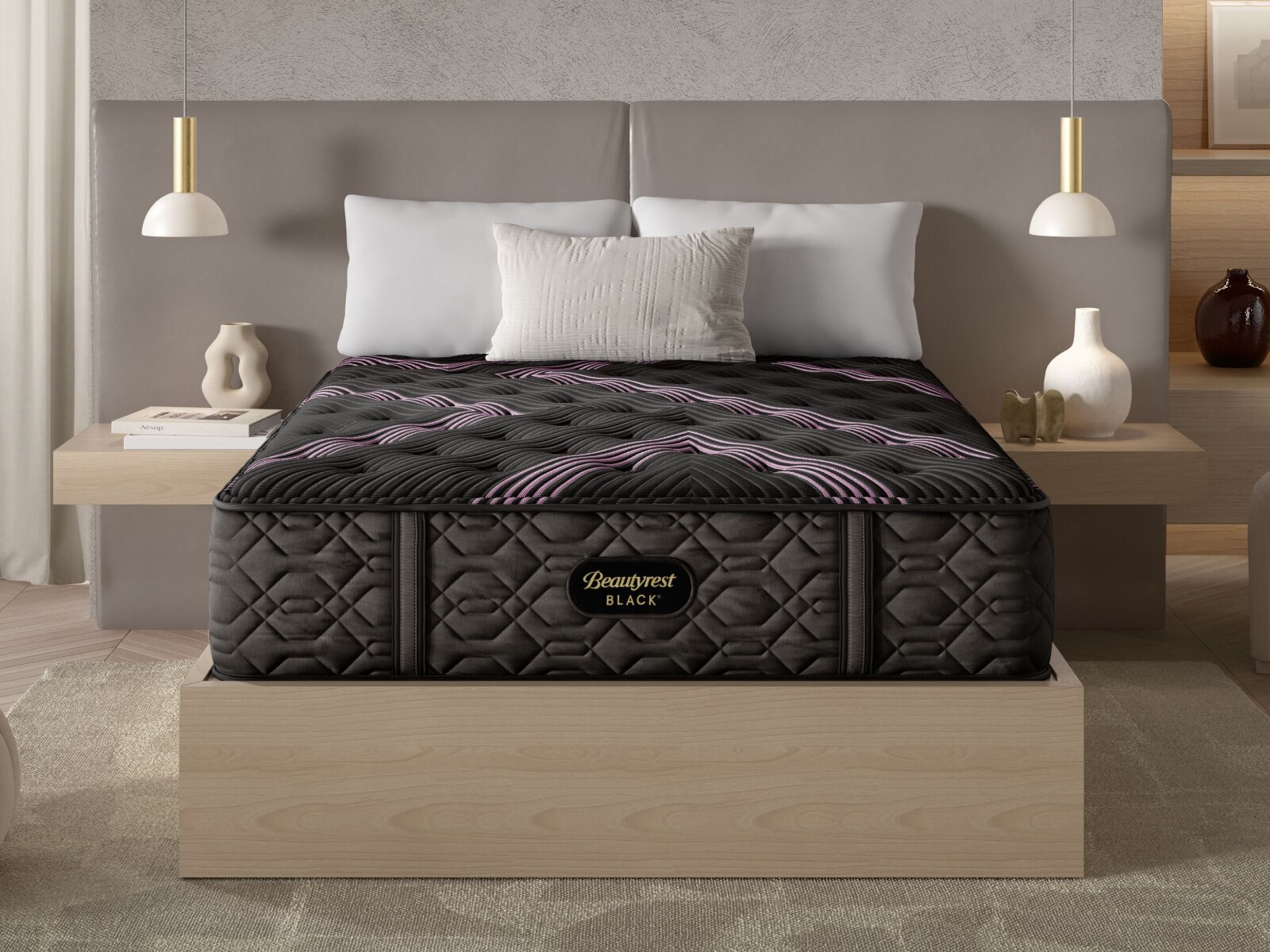
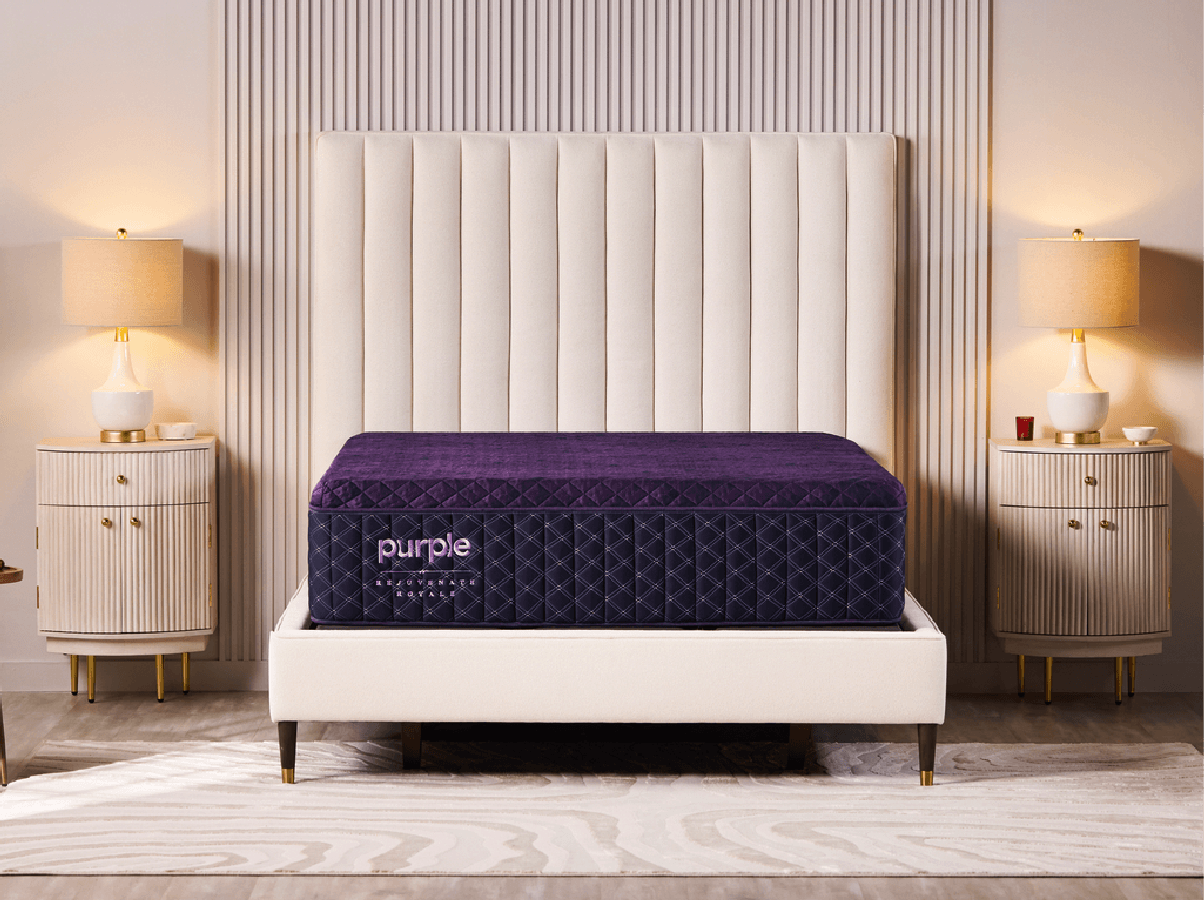
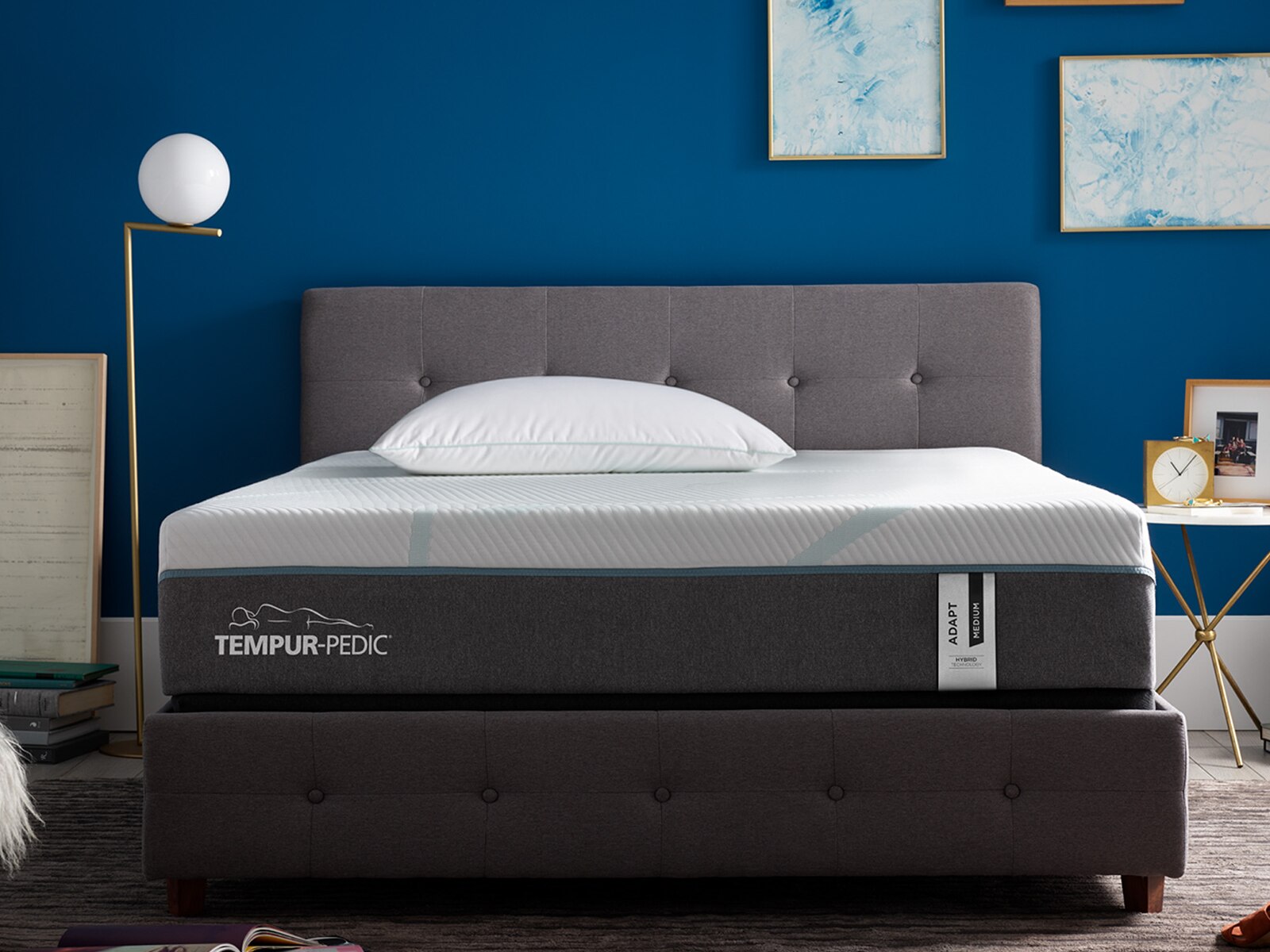
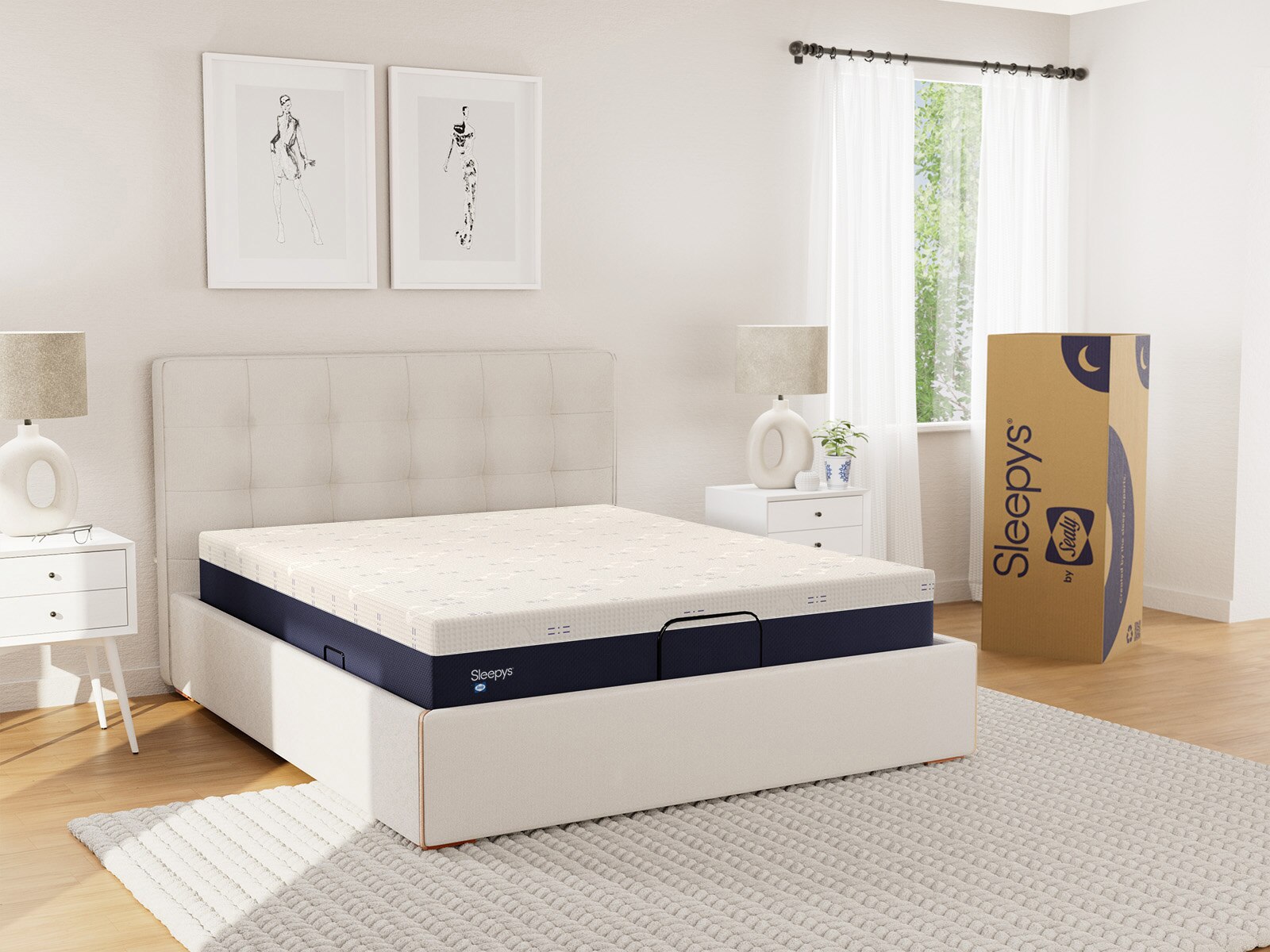
King size mattresses with contouring memory foam combine a roomy sleep surface with cushioning that adapts to the shape of the body. A standard king mattress measures 76 inches wide by 80 inches long, giving couples more room to settle into their preferred positions without crowding each other. That extra width can also suit someone who sleeps alone but likes to stretch out or change positions throughout the night. Memory foam responds to pressure by gradually conforming around areas such as the shoulders and hips, distributing body weight across the mattress surface. The result can feel like a gentle cradle rather than the immediate bounce associated with some other cushioning materials. Contouring does not necessarily mean soft, though. A king memory foam mattress can have a plush, medium or firm feel depending on its comfort layers and underlying support system. For a side sleeper, enough cushioning at the shoulder and hip can help reduce concentrated pressure while the layers underneath support the waist. Back sleepers often benefit from a balance that cushions the body without allowing the pelvis to sink too deeply. Stomach sleepers typically need a firmer, more supportive surface to limit excessive sinking around the midsection. Body weight also influences how a mattress feels: the same construction may feel firmer to a lighter sleeper and more yielding to someone who places greater pressure on the foam. For partners with different preferences, the most comfortable shared surface often balances gentle cushioning with steady support rather than emphasizing softness alone. Memory foam can also help absorb movement, making a partner’s turn or early departure from bed less noticeable. Motion isolation varies by construction, and the larger size does not eliminate movement by itself. The combination of usable space, pressure-relieving cushioning and an appropriate support system is what makes this category appealing for a primary bedroom, particularly when restful sleep depends on both personal comfort and room to move.
The construction beneath the cover determines much of the experience on a king size contouring memory foam mattress. In an all-foam design, memory foam comfort layers typically sit above a firmer foam support core. This combination often creates a close, cushioned feel with relatively little bounce. A hybrid pairs foam cushioning with a coil support system, frequently using individually wrapped coils that compress more independently than connected springs. That structure can add responsiveness while retaining the contouring feel of the foam above it. Neither construction is automatically better; the distinction matters most when considering how deeply the body settles and how easily a sleeper can turn over. Someone who enjoys a close embrace may prefer slower-response foam, while a combination sleeper may appreciate cushioning that allows easier repositioning. Layer thickness matters, but a taller mattress is not necessarily more supportive or more durable. Foam density, firmness, layer arrangement and the support core all contribute to performance. Density and firmness describe different properties, so a dense foam can still have a soft feel. Higher-density foam may offer better resistance to wear than lower-density foam of otherwise comparable construction, although density alone does not predict the lifespan of an entire mattress. Some designs include zoned support, with different levels of resistance beneath areas such as the shoulders, hips and lower back. The value of those zones depends on how they align with the sleeper’s body. Covers, ventilated foams and open spaces around coils can influence airflow, while gel-infused foam and other added materials vary in their effect from one construction to another. Contouring memory foam is one cushioning option within the broader category of
King Mattresses With Comfort Foam Layers, which can be useful for comparing different surface feels. Edge support is another practical consideration, especially for couples who use the full width of the bed or regularly sit along its side. A stable perimeter can make more of the mattress surface feel usable, but its strength depends on the specific construction.
A king mattress also needs to work with the bedroom, bed frame and daily routine around it. Its 76-by-80-inch footprint leaves less walking space than a smaller mattress, and the complete bed may extend farther once a headboard, rails or upholstered frame are included. Enough clearance beside the bed makes it easier to change sheets, open drawers and move around comfortably. A California King measures 72 inches wide by 84 inches long, trading some width for additional length; mattresses, foundations and fitted sheets for these two sizes are not interchangeable. A split king uses two Twin XL mattresses, each measuring 38 inches wide by 80 inches long, and can accommodate separate comfort preferences or independent movement on a compatible adjustable base. The center seam creates a different feel from a single king mattress, which matters for sleepers who tend to rest near the middle. Whether the mattress is all foam or a hybrid, its foundation should meet the manufacturer’s support requirements, including any rules for slat spacing and center support. Adjustable-base compatibility should also be confirmed rather than assumed. King mattresses can be substantial to move, so doorway dimensions, stair turns and the route into the bedroom deserve attention. For everyday care, a well-fitting mattress protector helps limit exposure to spills and body moisture, while fitted sheets should accommodate the mattress depth without pulling tightly across the corners. Removable covers are not always washable; the care label determines whether laundering or spot cleaning is appropriate. Rotation may help distribute wear when recommended by the manufacturer, but many layered mattresses are designed to be used on one side and should not be flipped. Long-term comfort depends on material quality, consistent support, use and care rather than size alone. Pillow height also deserves consideration: as the shoulder settles into contouring foam, the pillow should still support a comfortable head and neck position. For couples furnishing a primary bedroom or individual sleepers seeking more space, a king size mattress with contouring memory foam offers a generous foundation for a sleep setup centered on cushioning, support and everyday comfort.