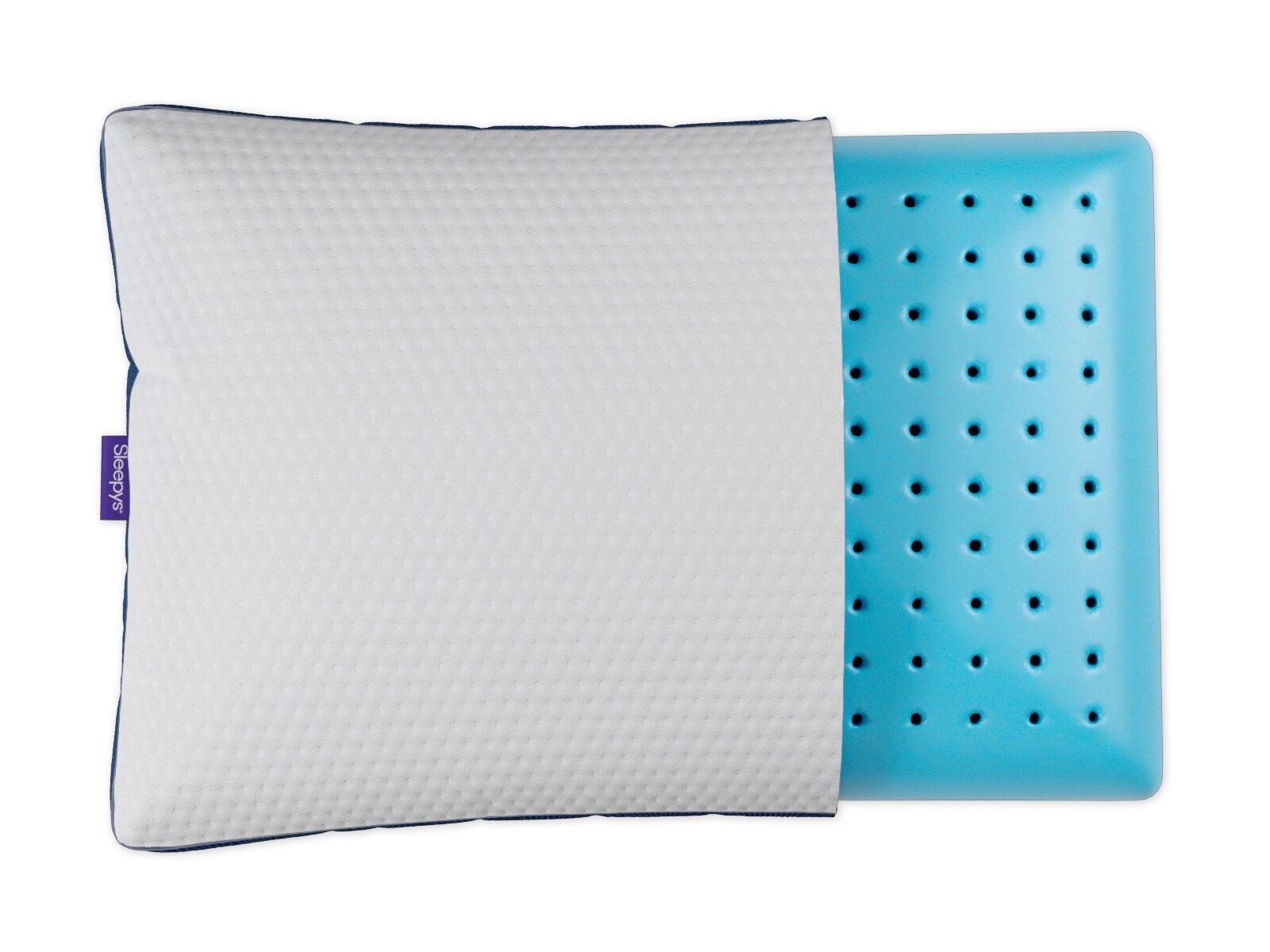
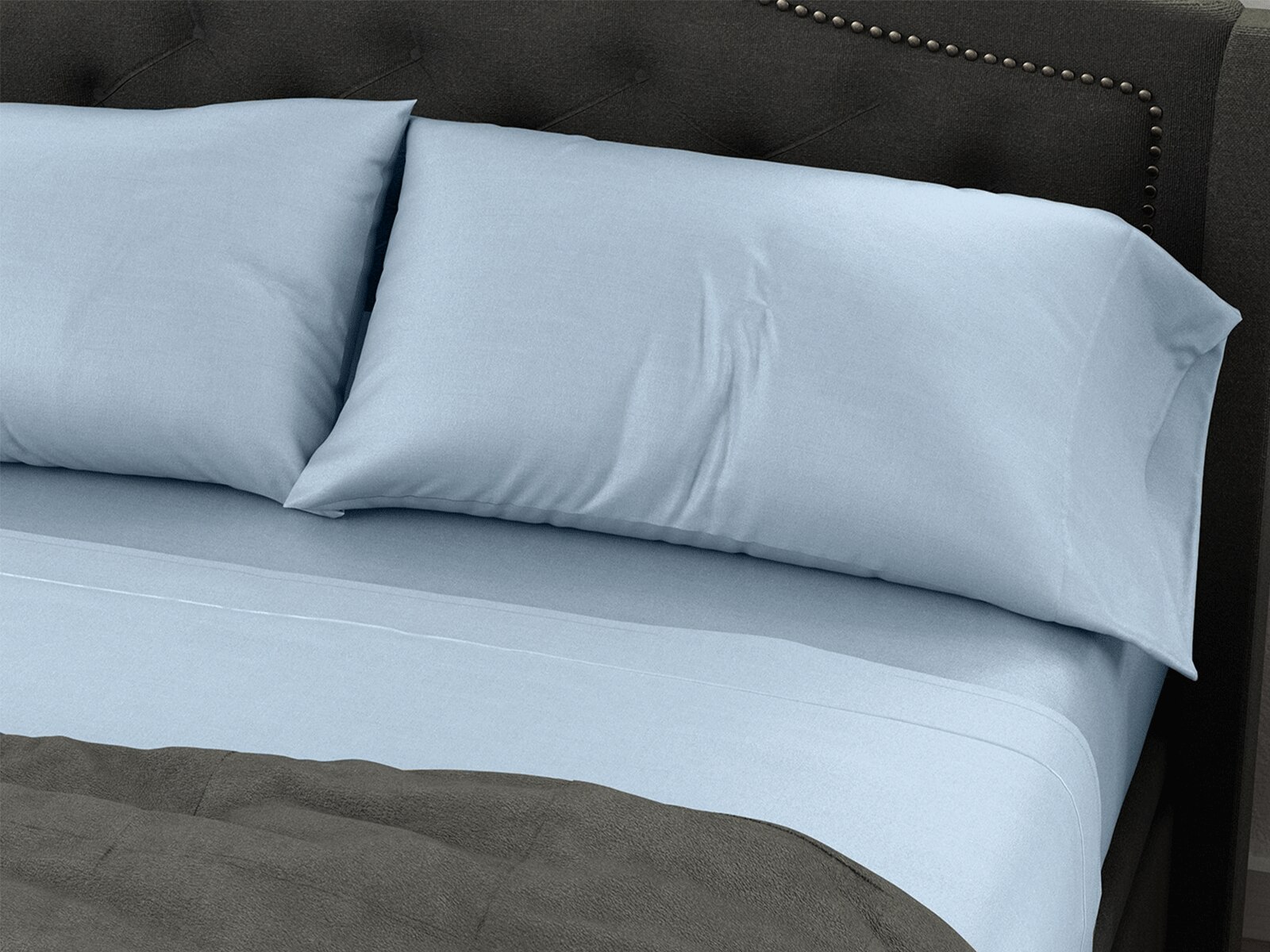
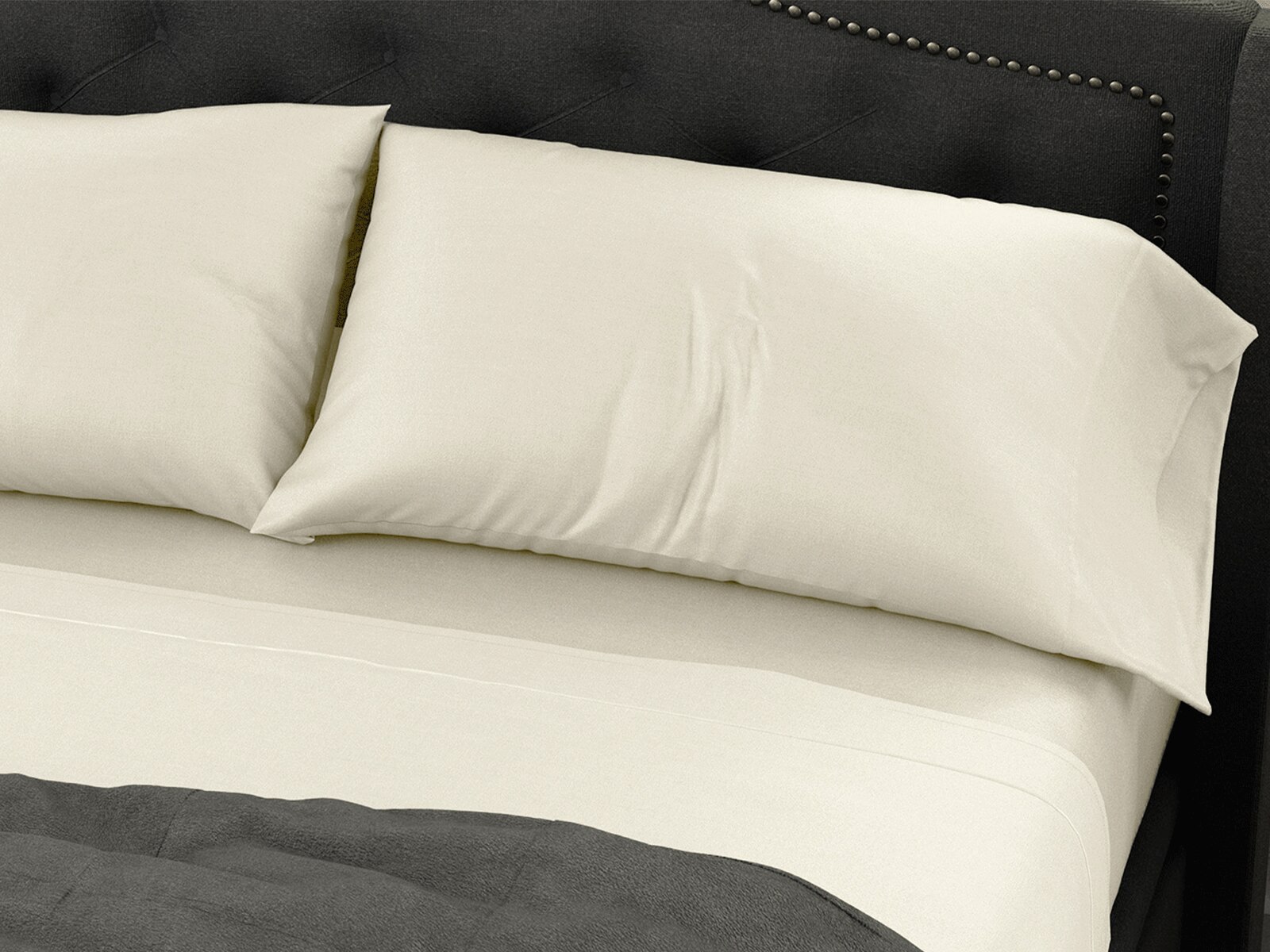
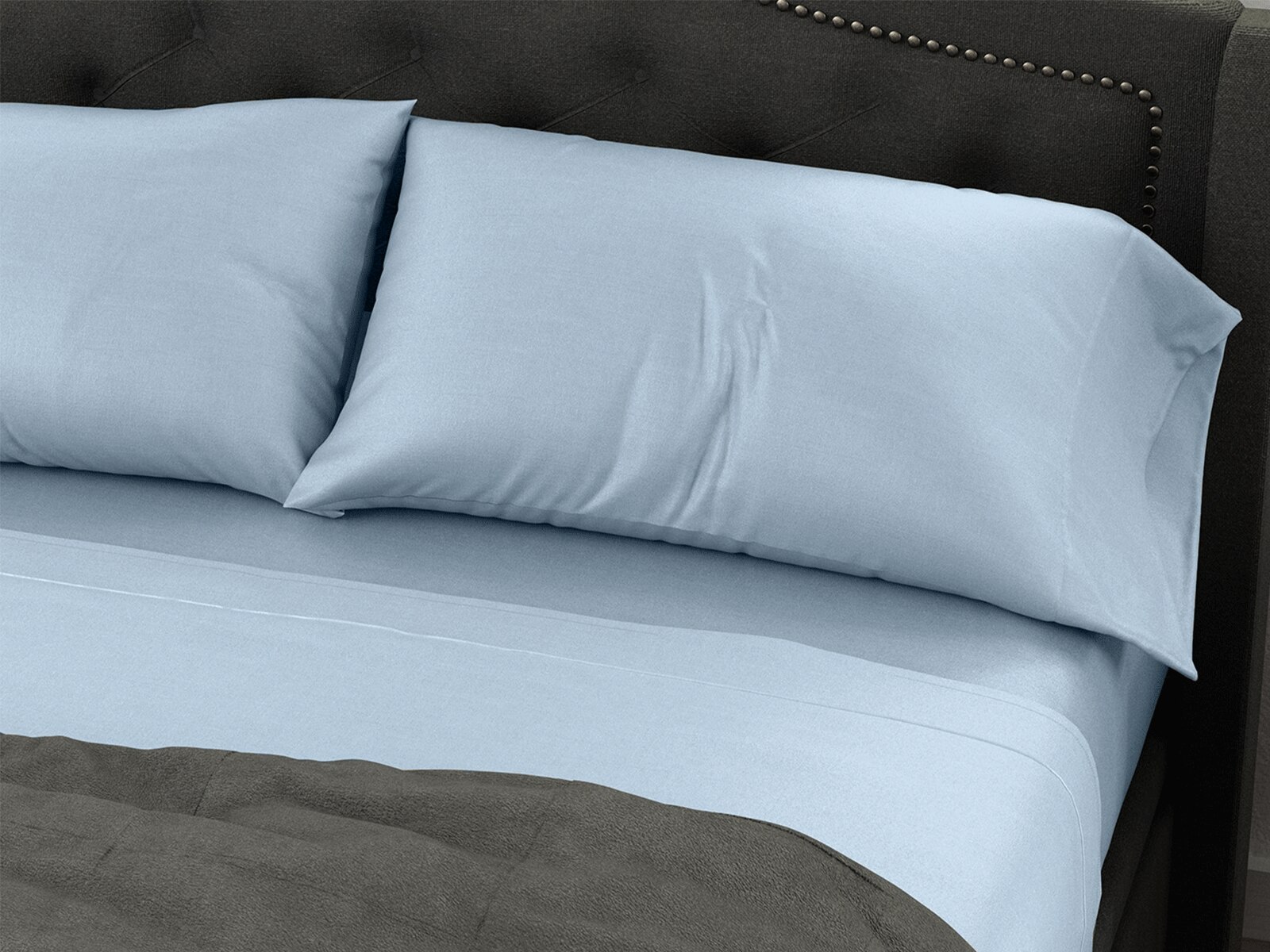
King size pillows for year-round use typically measure 20 by 36 inches, offering extra length for sleepers who prefer a generous pillow surface and a balanced look on a larger bed. A comfortable everyday choice combines a suitable loft, a supportive fill and a cover that allows air to move through the pillow. The king designation describes dimensions, not firmness, so two pillows with the same measurements can feel quite different beneath the head. That distinction matters more than a full-looking pillow arrangement: a good fit supports the head and neck without pushing either upward or letting them sink too far. Side sleepers often need more loft to fill the space between the shoulder and head, while back sleepers may prefer a moderate profile that supports the neck without tipping the chin toward the chest. Stomach sleepers generally need a much lower profile to limit excessive neck extension. Mattress cushioning, shoulder width and personal preference all affect how much height feels comfortable, so sleep position is a starting point rather than a fixed rule. A pillow that looks lofty before use may compress considerably once weight is applied, while a denser fill may retain more of its original height. The added length of a king pillow can be useful for someone who changes positions or likes room to reposition their head without moving the entire pillow. It can also provide a comfortable surface for reading in bed, although an arrangement that feels good while sitting may need adjusting before sleep. Two king pillows fit neatly across most king beds, while a single king pillow can feel spacious on a twin or Twin XL mattress. On a queen bed, a pair creates a fuller arrangement that may extend beyond the mattress edges, depending on placement. Measure both the sleeping space and the pillowcases before choosing a size, especially when fitting pillows into an existing sheet set.
Materials shape how a king size pillow responds to movement, how easily it can be reshaped and how much attention it needs between uses. Solid memory foam generally offers a more defined contour with less opportunity for folding, while shredded foam allows more movement within the cover and may be easier to gather beneath the neck. Some shredded-fill constructions allow fill to be removed or added, making it possible to fine-tune the height rather than work around a fixed profile. Latex often has a springier response, which can appeal to sleepers who prefer a pillow that rebounds readily as they move. Down tends to compress easily and can be shaped into a soft cradle, while feather blends may feel more substantial and benefit from a tightly woven cover. Down-alternative fiber fills vary widely in density, from soft and compressible to fuller constructions that hold their shape more noticeably. None of these material categories guarantees a particular feel, so fill quantity, construction and the way the pillow compresses deserve attention alongside the material name. Someone who folds a pillow under one cheek may appreciate a flexible fill, while someone who dislikes frequent reshaping may prefer a more consistent structure. The outer fabric contributes to comfort, too. Smooth cotton covers and other breathable textiles can help air circulate, while moisture-managing fabrics may be useful for sleepers who notice dampness around the pillow. A removable cover adds convenience, but it does not necessarily mean the inner pillow can be washed. Construction details such as secure seams, evenly distributed fill and well-finished closures also matter for repeated use. Check whether a king pillow maintains support across its full length, particularly if the sleeper often rests near an edge. For adjustable designs, make small changes and allow time to assess each adjustment; removing a large amount of fill at once can make it harder to identify the most comfortable balance. Keep any unused fill clean, dry and stored according to the care instructions.
Consistent care helps a king pillow remain a comfortable part of an everyday bedding setup. Start with a properly sized king pillowcase that leaves enough room for the pillow to expand naturally; a case that is too tight can compress the fill and change the feel. A loose case may bunch beneath the face, so checking finished dimensions is worthwhile even when both pieces carry the same size label. A washable pillow protector can add a barrier between the pillow and everyday moisture or skin oils, although its fabric may slightly alter the surface feel and airflow. Wash pillowcases and protectors regularly according to their labels, and follow the pillow’s own instructions before cleaning the interior. Many foam and latex pillows require spot cleaning rather than machine washing, while some fiber-filled and down-filled pillows permit laundering under specific conditions. When washing is allowed, the pillow needs enough room to move in the machine and must dry completely before returning to the bed. Never assume that instructions for the removable cover also apply to the fill. Between cleanings, reshape pillows that benefit from fluffing and check for persistent clumps, flattened areas or uneven support. There is no single replacement schedule that suits every construction and sleeper; a pillow that no longer regains its shape or supports a comfortable resting position may need replacing even if its cover still looks tidy. For a shared bed, matching pillow sizes can create a coordinated appearance without requiring both sleepers to choose the same firmness or fill. King pillows can also make thoughtful gifts for someone furnishing a bedroom or updating an established sleep space, especially when their preferred feel and care routine are already known. For comparisons beyond dimensions alone,
Pillows For All Season Comfort offers another starting point for exploring everyday pillow preferences. Whether intended for nightly sleep or a guest room, the most useful choice is one that fits the bed, supports the person using it and remains practical to maintain throughout the year.