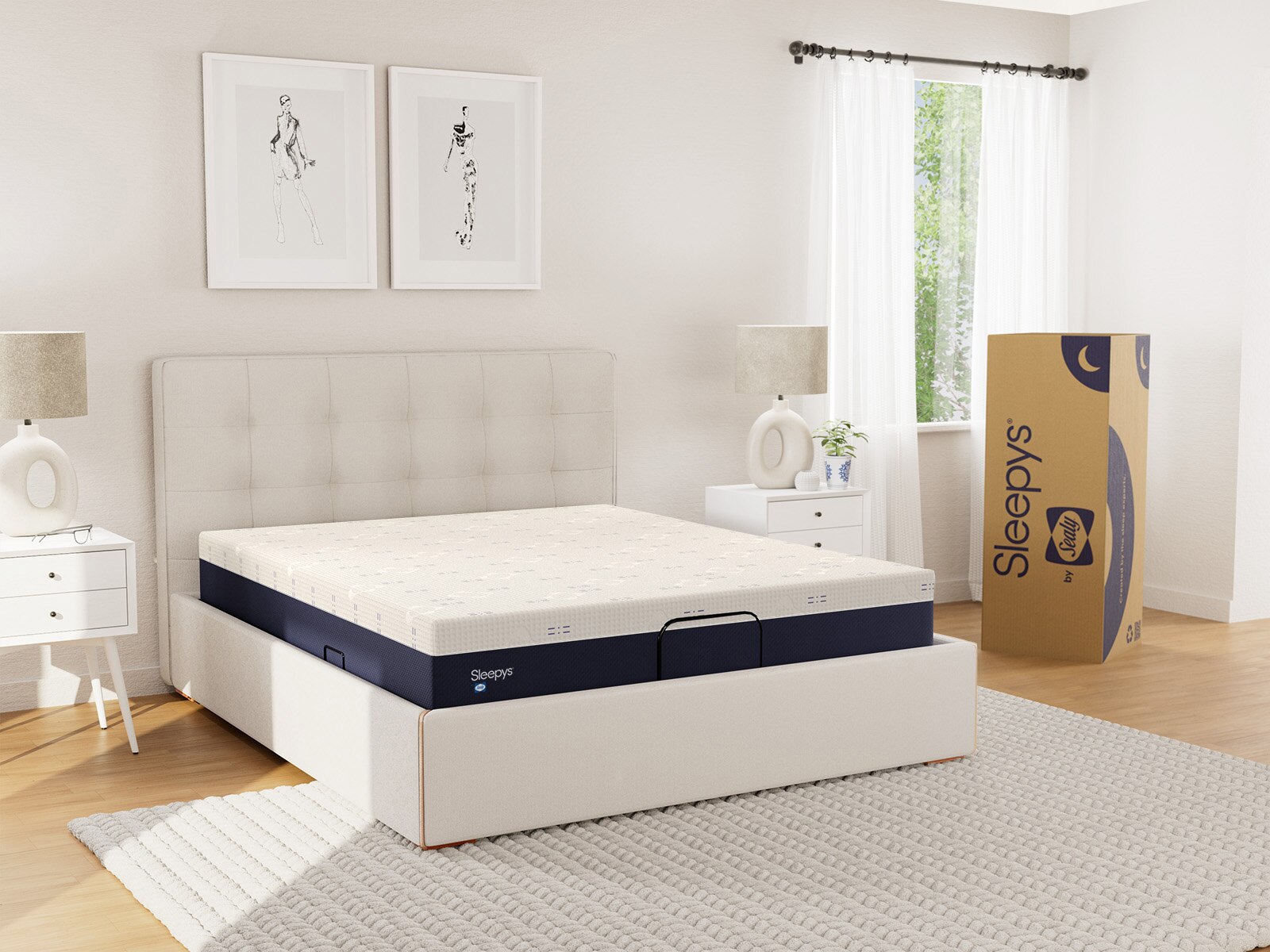
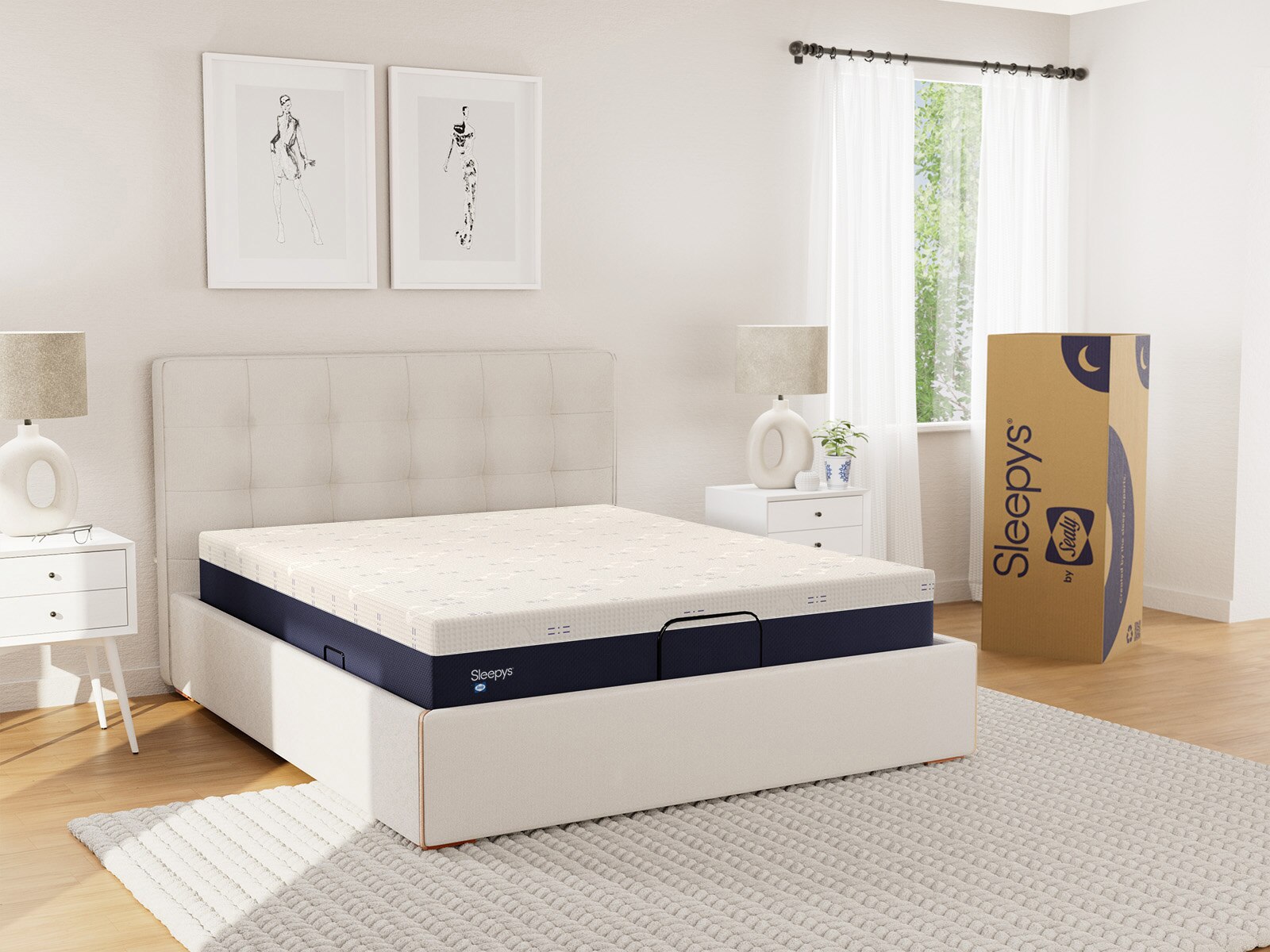
A Labor Day bedroom refresh can start with a bed frame that brings the room together while providing the right support for the mattress and foundation. The frame establishes the bed’s height, footprint and visual presence, whether the room calls for an understated metal design, the texture of wood or the softness of upholstery. Metal frames can create a light, open look, while substantial steel construction and well-secured connections contribute to dependable support. Wood frames range from simple silhouettes with visible grain to more substantial designs with broad side rails and paneled headboards. Solid wood and engineered wood have different construction and care requirements, so material descriptions matter as much as appearance. Upholstered frames add fabric or another covering over a structural frame, sometimes with a padded headboard that provides a comfortable surface for sitting up with a book. Tightly woven fabrics, textured surfaces and smooth coverings each bring a different feel to the room and may need different cleaning methods. Beyond the finish, the support system determines how the frame works with the rest of the bed. A platform frame may support a mattress directly when its slats or deck meet the mattress manufacturer’s requirements. A traditional rail frame generally needs a compatible foundation or box spring rather than supporting the mattress on its own. Slat spacing, center support and secure attachment points deserve attention because a good-looking frame still needs to function as part of a complete sleep setup. A headboard and footboard alone do not necessarily provide mattress support. For someone replacing an older frame, furnishing a first bedroom or creating a welcoming guest space, these construction differences help distinguish a decorative change from a more complete update. The most useful choice balances the look of the room with the support requirements of the mattress, without assuming that every frame works with every foundation or sleep surface.
Fit involves more than matching a size name on the mattress label. A queen mattress needs a frame designed for that size, but the frame’s outside dimensions can extend beyond the mattress because of upholstery, thick rails or a projecting footboard. The same distinction matters with twin, Twin XL, full, king and California King sizes, especially in rooms where a few inches affect movement around the bed. Measuring the full footprint helps preserve space for a dresser drawer to open, a closet door to swing and a clear path between the bed and the doorway. Headboard height also changes the room’s proportions. A tall headboard may become a focal point against an open wall, while a lower profile can sit more comfortably beneath artwork or near a window, provided it does not interfere with access or operation. Mattress thickness affects how much of that headboard remains visible and where a person’s back rests when sitting upright. Overall bed height comes from the frame, any required foundation and the mattress together. A low frame paired with a thick mattress may feel quite different from its appearance alone, while a taller setup may be less comfortable for someone who prefers an easier transition between standing and sitting. Clearance beneath the bed can provide room for compatible storage containers, although support legs and crossbars may divide that space. In a guest room, an open frame can keep the layout feeling uncluttered and make cleaning underneath more manageable. In a child’s or teenager’s bedroom, a frame suited to the intended age and use should also leave practical space for everyday routines. Weight limits require attention across all settings: the frame’s stated capacity and the manufacturer’s definition of that capacity should account for the complete setup as directed, not simply the number of people using the bed. These details help the frame feel at home in the room rather than merely fitting inside it.
Durability depends on construction, correct assembly and everyday care working together. Secure joints, appropriate center legs and support components installed according to the instructions help a frame perform as intended. A frame should sit level, with support feet positioned correctly for the floor surface, and hardware may need periodic checks as directed by the manufacturer. New creaks or movement are reasons to inspect connections and contact points rather than assume that noise is unavoidable. Protective pads may help limit floor marks when suitable for the frame and flooring, but they should not compromise stability. Wood finishes generally benefit from gentle dusting and prompt attention to spills, while metal surfaces need cleaning methods that protect their coating. Upholstery may collect dust along seams and around the headboard, making routine vacuuming with an appropriate attachment useful when the care instructions permit it. Spot-cleaning requirements vary by fabric, and excess moisture or an unsuitable cleaner can damage the covering or leave marks. Households with pets may appreciate accessible surfaces and fabrics that fit their cleaning routine, while a frequently used guest room may benefit from a straightforward design with fewer hard-to-reach details. Compatibility remains important when other parts of the sleep setup change. An adjustable base may require a frame with sufficient interior clearance or a design that accommodates it without incompatible support pieces; a decorative surround should never be assumed to work without checking both manufacturers’ requirements. For a housewarming or another meaningful gift, a bed frame is most useful when the recipient’s mattress size, room measurements and style preferences are already known. Whether exploring Labor Day bed frames or
Memorial Day bed frames, the lasting considerations are the same: appropriate support, a comfortable bed height, manageable care and a design that suits the person who will use it. A thoughtfully chosen frame gives everyday routines a dependable foundation, from making the bed in the morning to settling in at night.