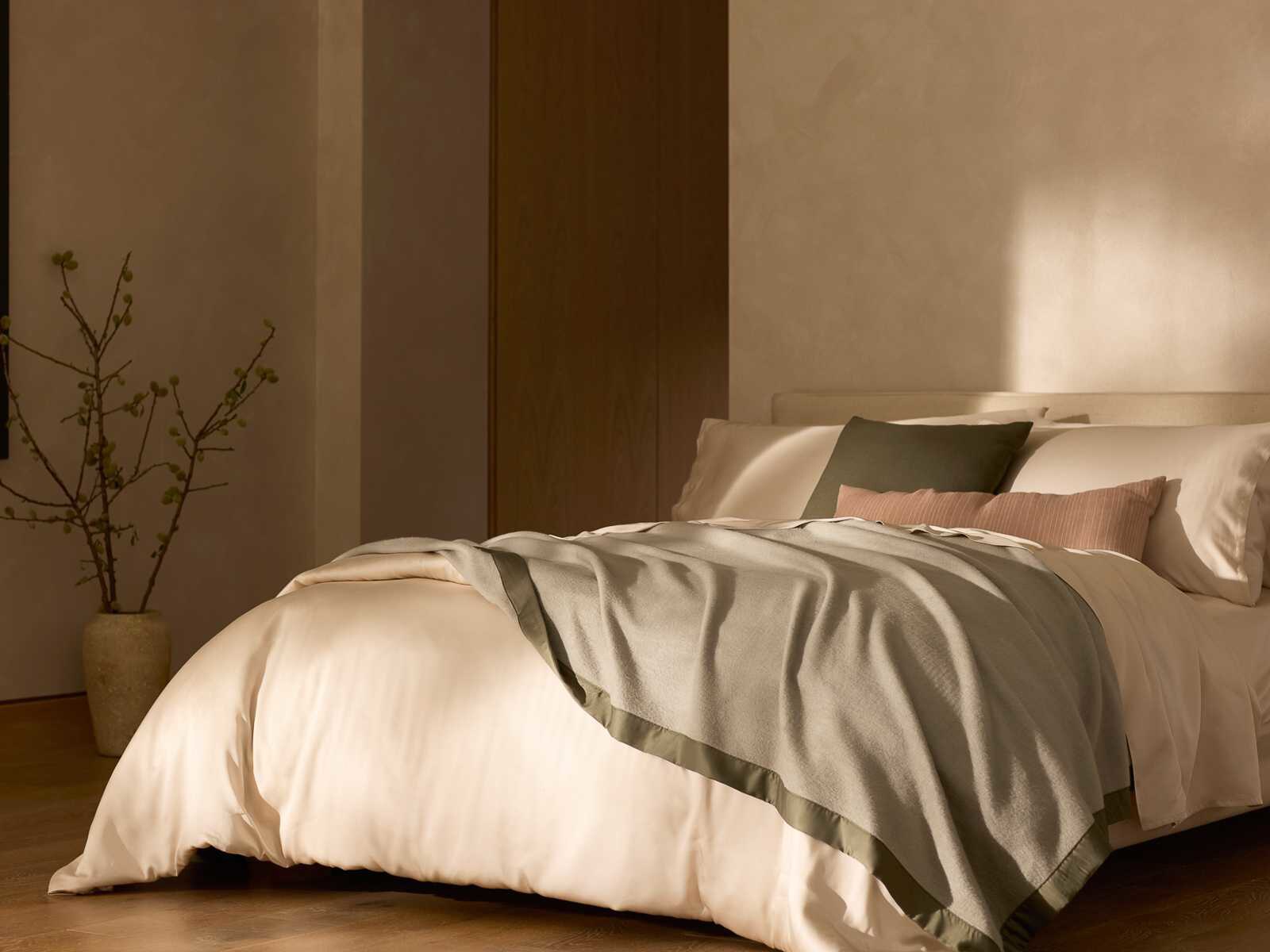
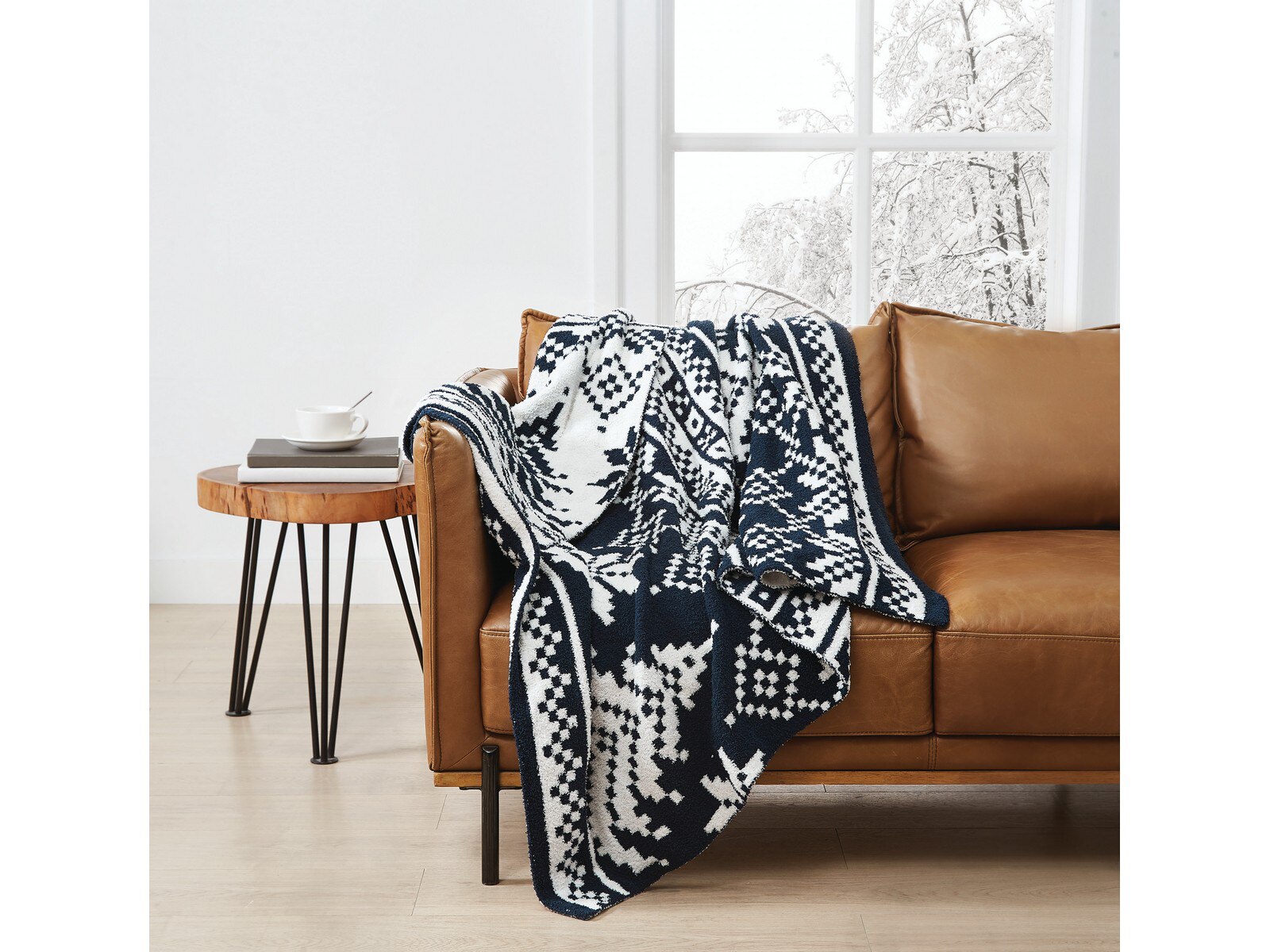
Labor Day blanket shopping brings familiar comforts into focus: a soft throw for the sofa, a breathable layer for the bed or an oversized blanket with enough room to share. The most useful choice depends on where a blanket will live and how it will feel in everyday use. A throw kept beside a favorite chair serves a different purpose than a blanket tucked beneath a comforter, even when both have a similarly soft finish. Cotton blankets often appeal to sleepers who prefer a breathable fabric with a familiar feel, while the weave influences weight, texture and airflow. An open weave can feel less substantial than a dense construction, and a waffle texture adds dimension without relying on a deep pile. Fleece and microfiber blankets commonly offer a soft, brushed surface with relatively little weight, making them comfortable companions for reading or stretching out on the couch. Their warmth and breathability vary with fabric density and construction, so fiber content alone does not tell the whole story. Wool can provide insulation while helping manage moisture, though its texture and care requirements deserve attention, especially for anyone sensitive to wool against bare skin. Down-filled and down-alternative blankets add another option for those who enjoy loft rather than a flat woven layer. Fill amount, outer fabric and stitching all affect how these blankets drape and how evenly the filling stays distributed. Quilted sections can help contain fill, while a smooth shell may slide more easily beneath other bedding than a textured surface. A blanket intended for direct contact with skin deserves particular attention to its finish, edging and overall feel. For a shared bed, comfort also means finding a layer that suits two people without creating unnecessary bulk. Softness matters, but so do the less noticeable details: whether the fabric catches on dry skin, whether the edges lie flat and whether the blanket feels manageable when folded back at the foot of the bed.
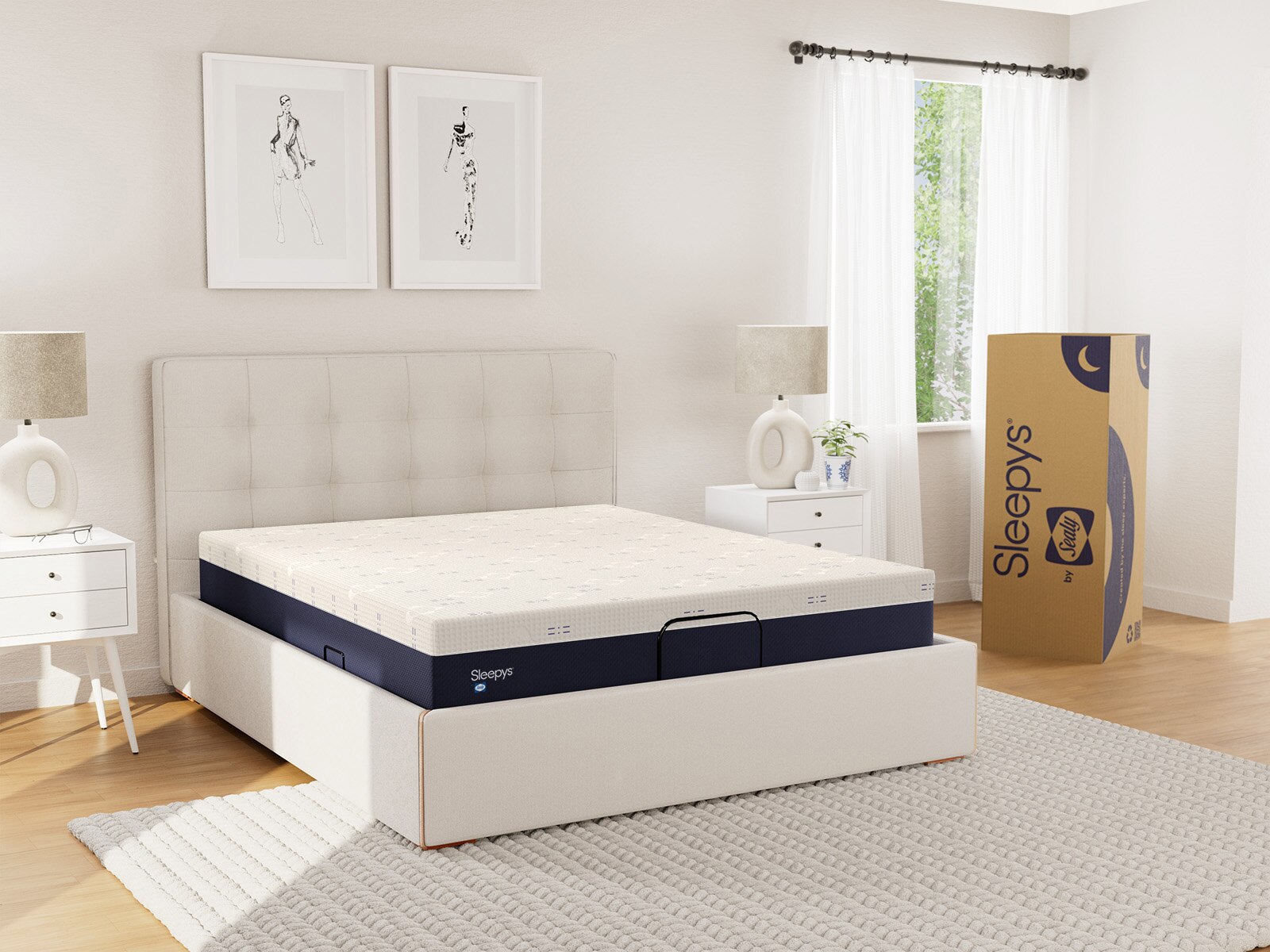
Blanket size is as much about coverage as it is about the mattress label. A twin, Twin XL, full, queen, king or California King designation offers a starting point, but the listed dimensions provide a clearer picture of how a blanket will fit. Mattress depth, the height of the bed and the amount of fabric wanted along each side all influence the result. A deep mattress may leave less overhang than expected, while an oversized blanket on a lower bed may gather near the floor. For two sleepers, generous side coverage can help reduce the tugging that happens when someone turns over. For one person resting in a chair, a smaller throw may be easier to arrange over the lap without excess fabric bunching around the feet. An oversized design can suit a sectional or a shared movie night, though its extra fabric also takes up more storage space and can make laundering more demanding. Texture matters here, too: a loosely knit blanket may stretch as it hangs, while a dense woven layer may hold a more defined shape. When coordinating bedding, consider how the blanket works with sheets, a quilt or a duvet rather than expecting every layer to provide the same feel. A smooth blanket can sit neatly beneath a textured cover, and a folded throw can add a distinct surface at the end of the bed. If a bedroom update also includes
plush full size mattresses for Labor Day, it helps to consider the mattress feel and blanket weight separately. A plush sleep surface describes cushioning under the body; a plush blanket describes the fabric or pile resting above it. One does not determine the other. Keeping those roles distinct makes it easier to create a bed that feels comfortable without adding layers simply for appearance.
Everyday care often determines whether a blanket remains a favorite or spends most of its time folded away. Before choosing a size or material, check the care label against the washing equipment and drying space at home. A blanket can be machine washable yet still be too bulky for a particular washer, especially once saturated. Larger sizes, dense fabrics and filled constructions may require equipment with greater capacity or professional cleaning, depending on the manufacturer's directions. Washing temperature, detergent recommendations and drying instructions can also differ between fabrics that look nearly identical. Thorough drying is especially important before storage, while excess heat can damage some fibers or alter their texture. Frequent-use blankets benefit from secure hems, even stitching and a construction suited to their surroundings. A loose, open knit may look inviting across an armchair but can be more vulnerable to snagging around pet claws or jewelry; a smoother, tighter surface may be more practical in a busy household. Pilling can occur as fibers rub together, and a soft initial touch does not guarantee that every fabric will wear the same way. Weighted blankets bring additional considerations because their weight is intentional rather than incidental. The person using one should be able to remove it independently, and manufacturer age and use restrictions should always be followed. They should not be used for infants; anyone with a health condition that could affect safe use should consult a qualified healthcare professional. Their filling and construction can also make cleaning and lifting more involved. For a gift, an easy-care throw in a versatile color can be a thoughtful choice for a housewarming, a college student settling into a room or someone who enjoys a quiet evening with a book. Consider the recipient's fabric preferences, household routines and available storage rather than assuming that heavier or larger is better. A well-chosen blanket earns its place through ordinary moments: pulled across the knees, smoothed over fresh sheets or folded within reach for the next time someone wants an extra layer.