A comforter adds a layer of softness and insulation to a bed, with an outer fabric shell that holds its filling in place. A Labor Day comforter refresh can be a practical way to make an everyday bedroom feel more inviting, whether the goal is a lighter covering, a fuller look or bedding that is easier to maintain. The most useful differences are often the ones felt after the lights go out: how much warmth the filling retains, whether the fabric feels smooth or textured and how easily the comforter moves when someone changes position. Cotton shells are often chosen for their breathability and familiar feel, while polyester microfiber can provide a soft finish with relatively straightforward care. The filling matters just as much. Down is known for its loft and warmth relative to its weight, while down alternative typically uses synthetic fibers to create cushioning without down. Neither filling type automatically makes a comforter the right choice for every sleeper; fill amount, construction and shell fabric all influence the finished feel. For down bedding, fill power describes loft rather than the total amount of filling, so it should be considered alongside fill weight and the overall construction. Someone who tends to feel warm under bedding may prefer a less densely filled comforter with a breathable shell, while someone who enjoys a substantial covering may appreciate more loft or weight. Warmth and heaviness are not interchangeable, and a lofty comforter does not necessarily feel heavy. Stitching also affects everyday comfort. Sewn-through patterns create compartments by joining the top and bottom fabrics, while baffle-box construction uses internal fabric walls that give filling room to expand. Both approaches help manage fill distribution, though their feel can differ. Evenly distributed filling helps prevent an otherwise comfortable bed from developing thin patches and bulky corners. Looking beyond color to these construction details makes it easier to choose a comforter that suits actual sleep habits rather than appearance alone.
Comforter fit depends on the dimensions of the bedding, not just the size printed on its label. Two comforters labeled queen can have different widths and lengths, and the same covering can look quite different on a low-profile mattress and a taller mattress with a topper. Measuring the mattress surface and deciding how far the fabric should fall down each side gives a clearer starting point. A generous drape can help cover the sides of a deep mattress, but too much length may leave fabric resting on the floor or crowding a compact bedroom. On a shared bed, extra width can help both sleepers stay covered when one person turns over, although a larger comforter also needs more room for washing and drying. For twin and Twin XL beds, check length carefully, especially when furnishing a dorm room or a narrow guest room. King and California King mattresses have different proportions, so their comforters should not be treated as interchangeable without comparing actual measurements. A broader bedroom update may also include exploring
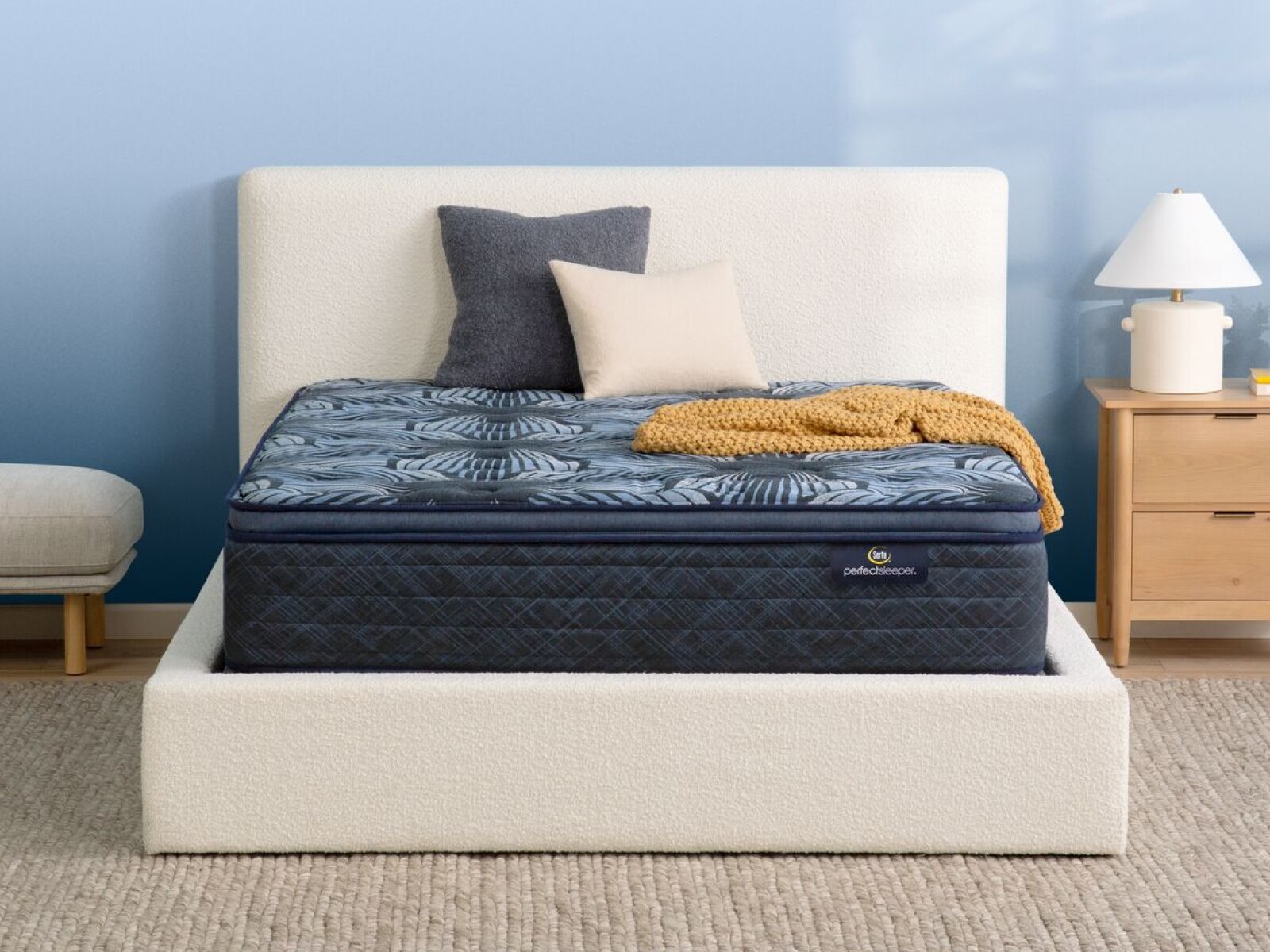
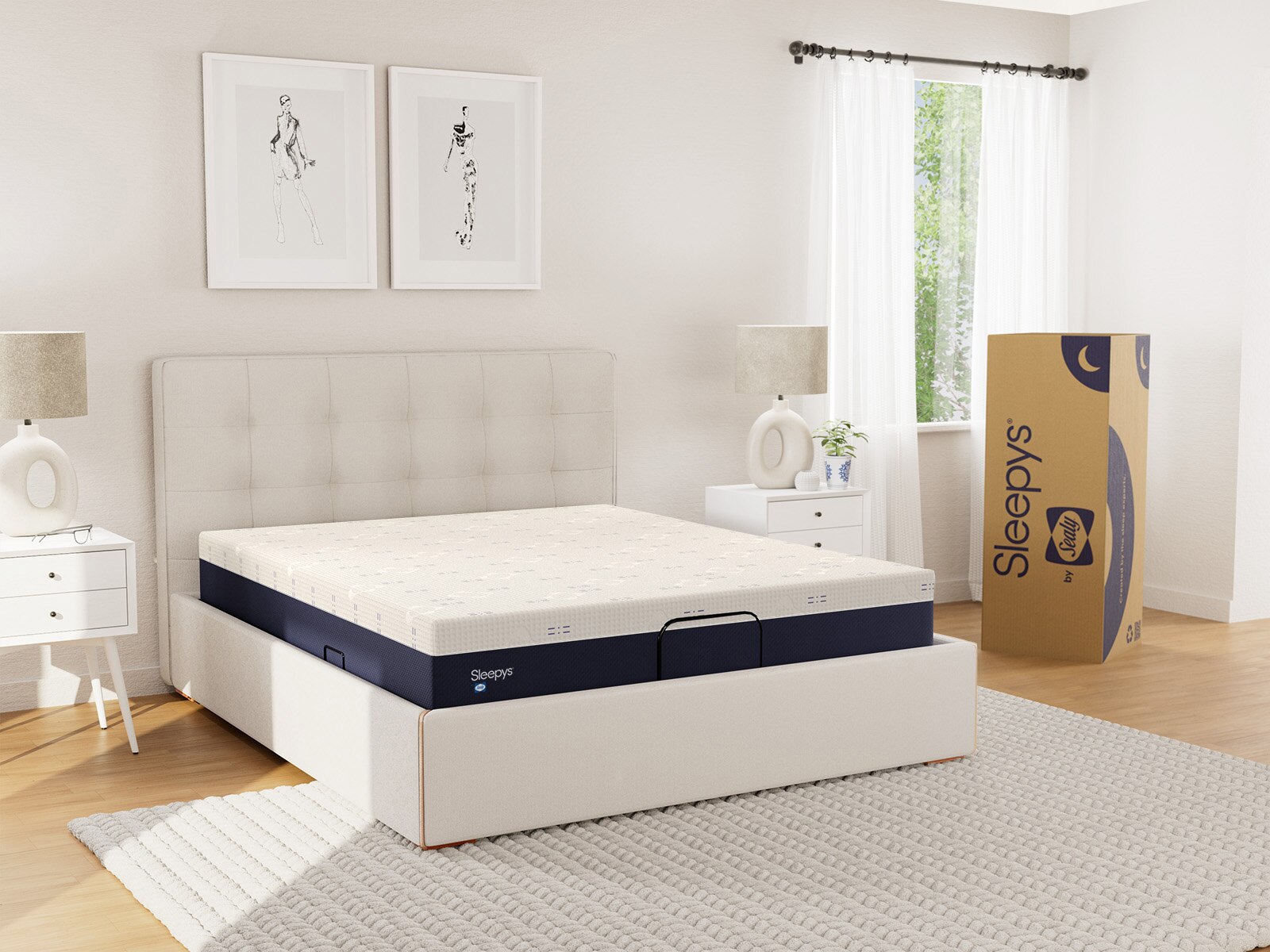
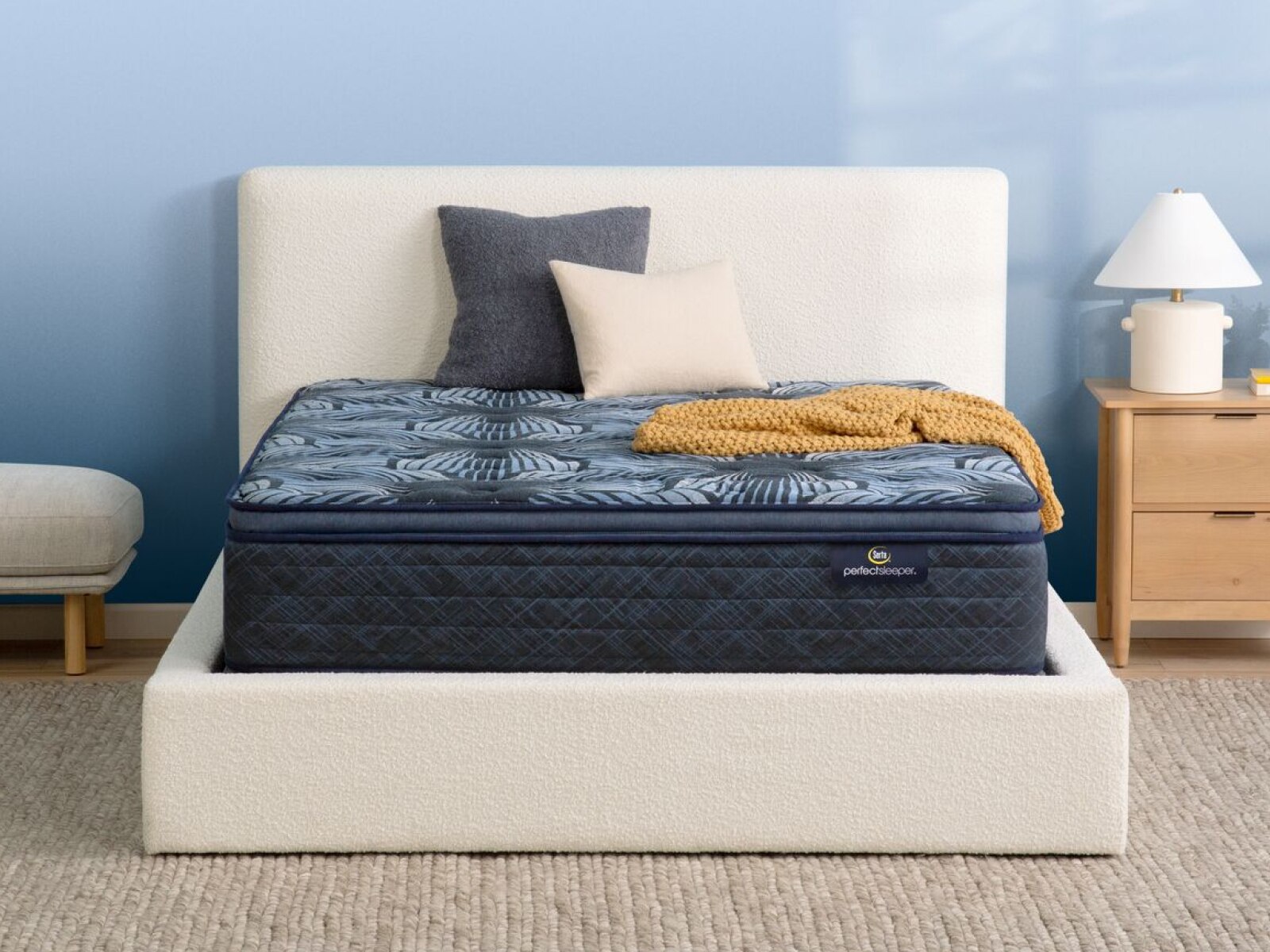
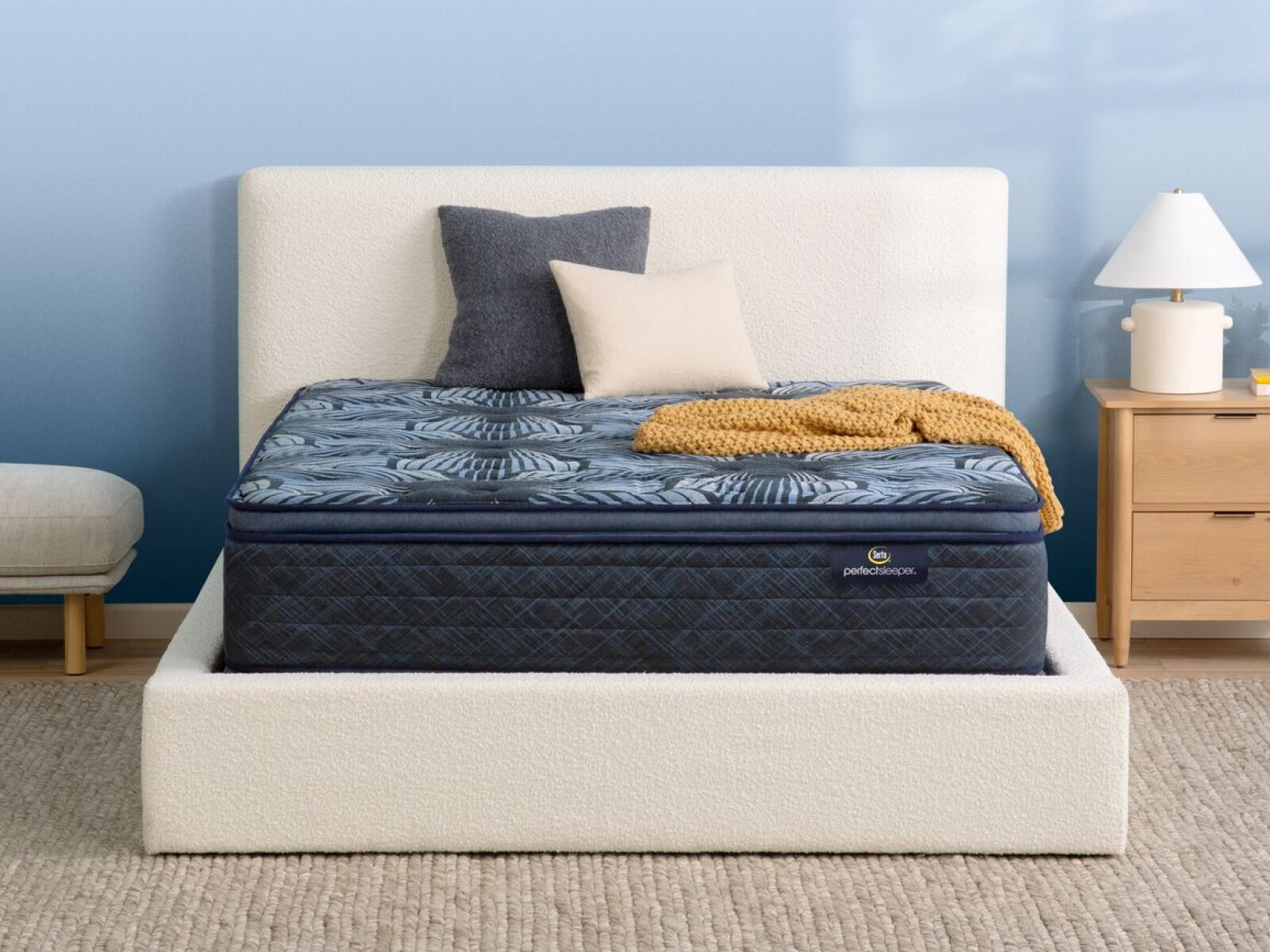
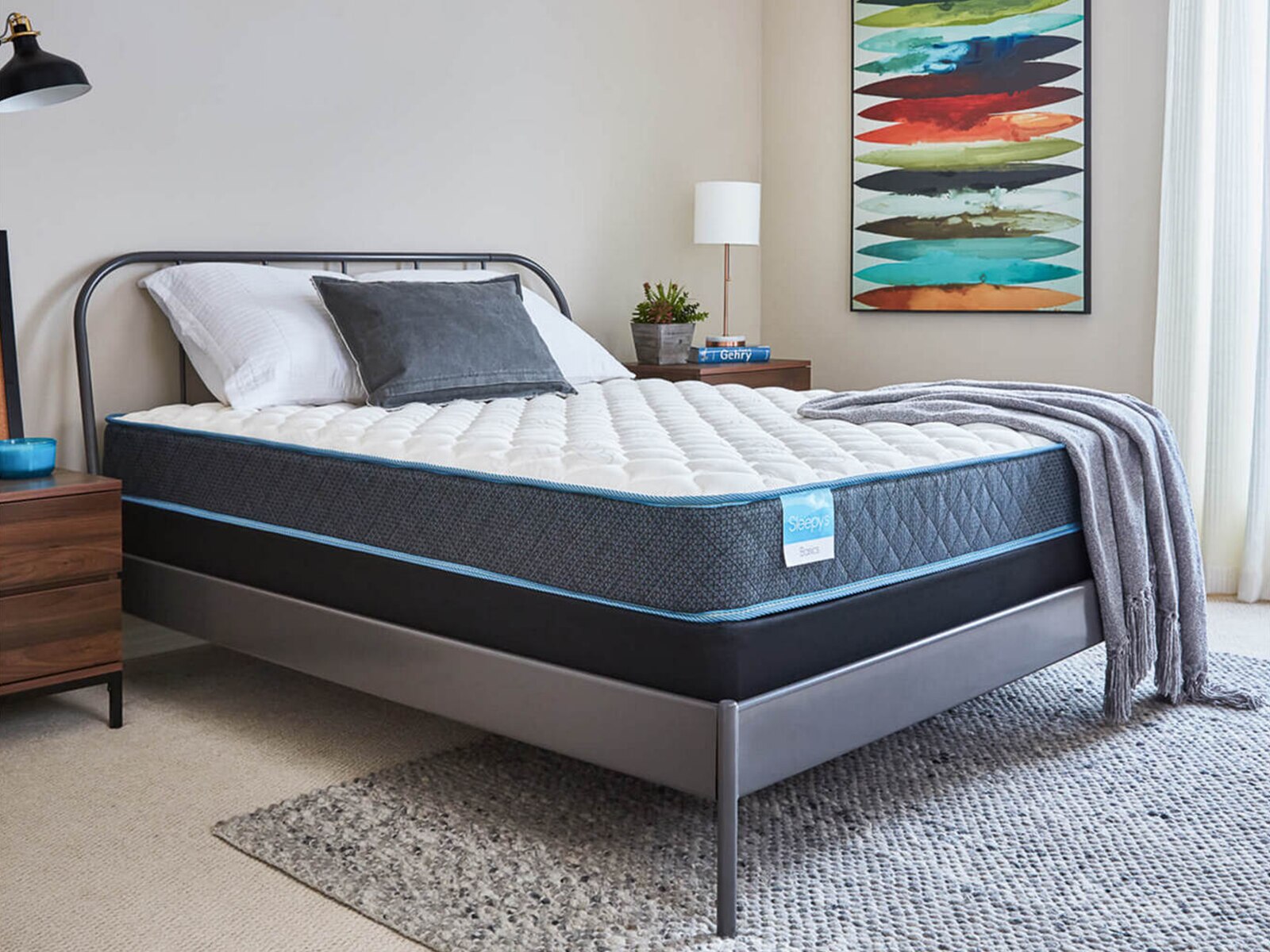
Labor Day full size pillow top mattresses, with bedding measurements based on the complete mattress height rather than the frame alone. The way a comforter is used should guide its finish, too. A simple solid color can sit comfortably alongside patterned sheets, while subtle quilting adds texture without making the bed feel visually busy. A reversible design provides another styling option without requiring an additional top layer. For a room that doubles as a workspace, a neatly draped comforter can help the bed look finished with minimal effort. In a guest bedroom, a manageable weight and uncomplicated care routine may be more useful than an especially lofty silhouette. A comforter used directly over a top sheet should feel pleasant against exposed skin, while one used inside a duvet cover needs compatible dimensions. Corner loops, when present, can connect to a cover’s ties and help limit shifting inside.
Care requirements deserve as much attention as softness, particularly for bedding that will be used every night. The care label should determine whether a comforter can be machine washed, requires professional cleaning or needs another treatment. Even a machine-washable comforter needs enough space to move freely in the washer; packing it tightly into a small drum can make thorough cleaning and rinsing difficult. Drying capacity matters as well, since a comforter that fits into a washer may still be too bulky for a household dryer. Follow the labeled temperature settings and make sure the filling is completely dry before returning the comforter to the bed or placing it in storage. Damp filling can develop odors, and a surface that feels dry does not always mean the center has dried fully. Between cleanings, gently redistributing the filling and smoothing the bed can help maintain a more even appearance. A removable duvet cover, when compatible with the comforter, can take on much of the routine laundering, though the comforter itself still needs care according to its label. Durability depends on several details working together, including secure seams, well-finished edges and stitching that keeps filling from moving excessively. Households with pets may find a washable outer layer especially practical, while anyone who eats breakfast or reads with a drink in bed may appreciate a care routine that accommodates occasional spills. Comforters can also make thoughtful gifts for a wedding, a housewarming or a student setting up a bedroom away from home, provided the bed size and recipient’s preferences are known. Neutral colors are often easier to coordinate, but warmth, fabric feel and cleaning requirements are more personal than color alone. For someone who dislikes bulky bedding, a manageable comforter with a soft drape may be more welcome than the fullest option. The best fit is one that feels comfortable at bedtime, covers the bed properly and remains practical to care for through repeated use.