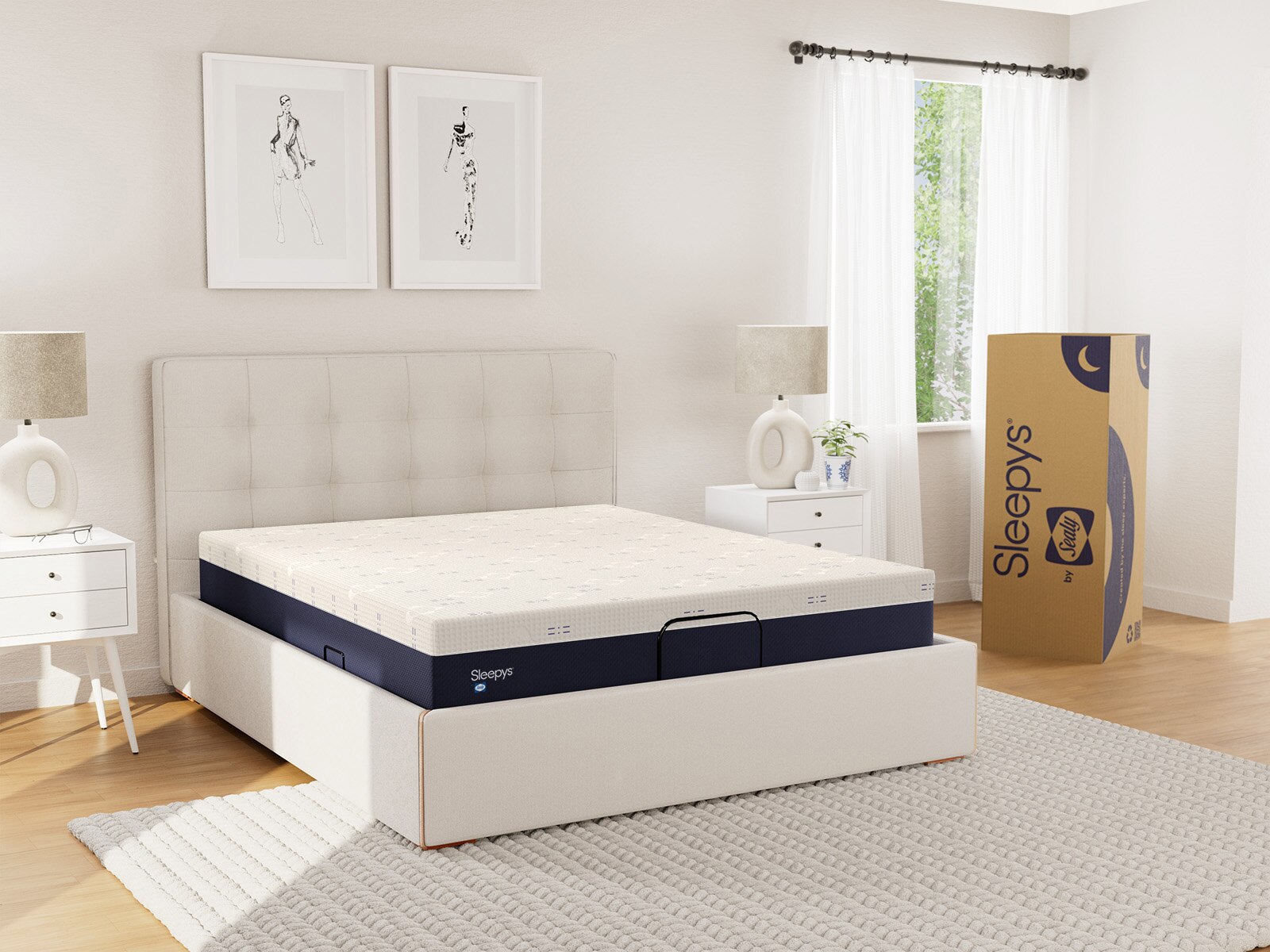
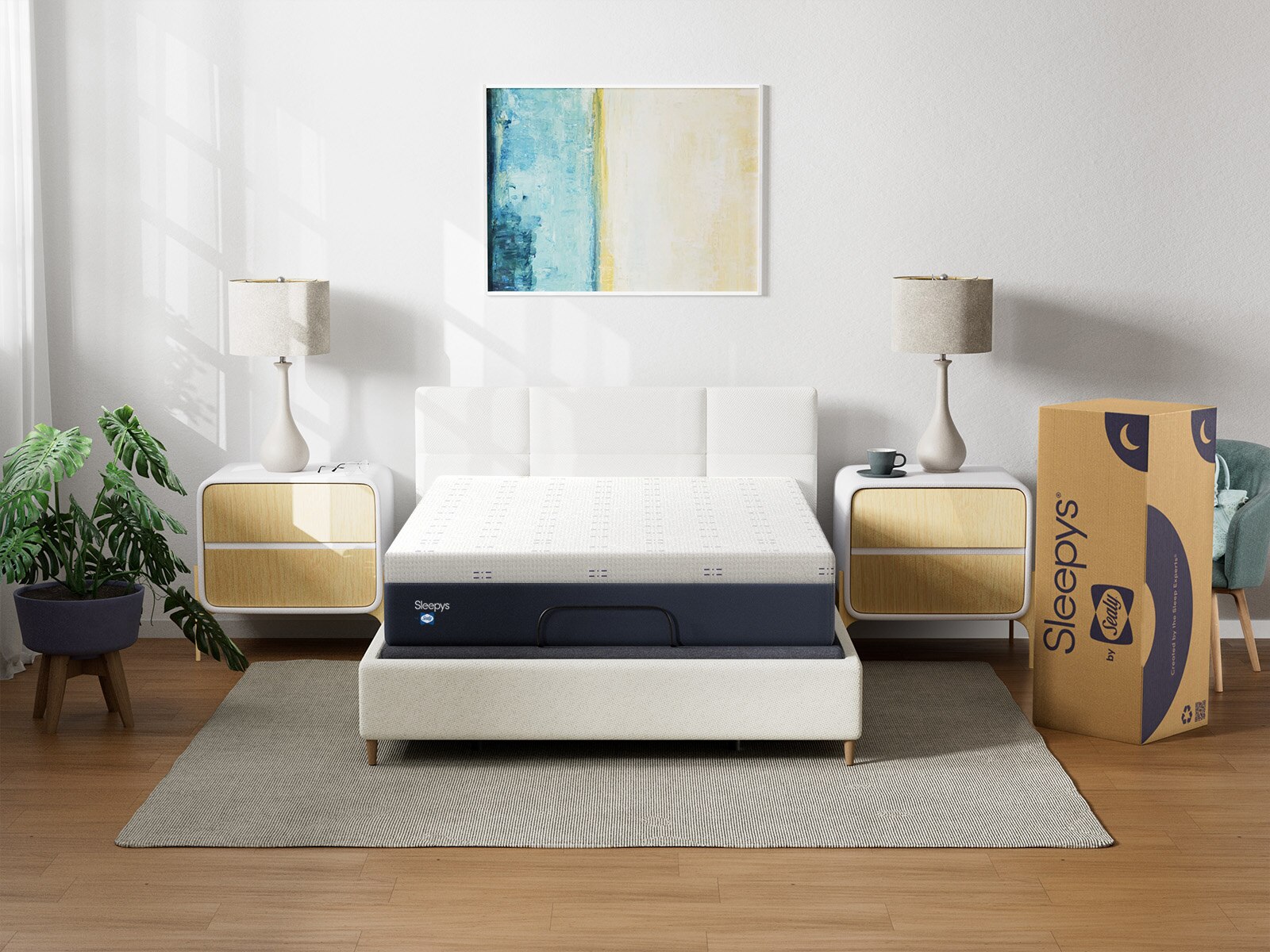
A full-size mattress typically measures 54 inches wide by 75 inches long, offering more room to stretch out than a twin without taking up as much floor space as a queen. For shoppers considering a bedroom refresh around Labor Day, that balance makes full mattresses worth a closer look for a teenager’s room, a guest bedroom or an adult’s smaller sleeping space. The size generally works best for one person who wants room to change positions, curl up with a book or sleep with a pillow tucked beside them. Two adults can share a full, but each person has relatively little space, so sleeping habits matter as much as room dimensions. A taller sleeper may also prefer a longer mattress, especially if their feet reach the end of a 75-inch surface. Before choosing a full mattress, measure the bedroom and the bed frame rather than relying on the size label alone. Headboards, footboards and upholstered rails can extend beyond the mattress footprint, and a frame that fits between two walls may still leave too little space to open a dresser drawer. Marking the bed’s outline on the floor with removable tape can make the layout easier to picture. Leave room for everyday routines, including making the bed, reaching an outlet and moving between the mattress and nearby furniture. In a guest room that doubles as a home office, a full can preserve useful space for a desk while providing a dedicated place to sleep. For a teenager moving up from a twin, consider expected growth as well as present comfort. If a mattress is intended as a gift, involve the recipient in decisions about feel and dimensions whenever possible. A comfortable sleeping surface is personal, and a thoughtful choice accounts for the person using it, not just the room it will furnish.
Materials and construction shape how a full mattress feels beneath the shoulders, waist and hips. Memory foam tends to contour around the body and respond more gradually to movement, creating a close-fitting sensation that some sleepers enjoy. Other cushioning foams have a quicker response, while latex often feels more buoyant and makes changing positions feel less restricted. Innerspring construction uses coils for support, with comfort layers above them; hybrid construction combines a coil support system with foam, latex or other cushioning materials. The category alone does not determine firmness, pressure relief or durability, so consider the complete construction rather than assuming that every foam mattress feels soft or every coil mattress feels firm. Sleep position provides a useful starting point. Side sleepers often appreciate cushioning that allows the shoulder and hip to settle without leaving the waist unsupported. Back sleepers may prefer a balance of contouring and support, while stomach sleepers often need a surface that limits excessive sinking around the middle. Body weight and personal preference affect each of these experiences, and firmness labels can feel different from one mattress to another. For anyone drawn to a gently cushioned surface,
plush full-size mattresses for Labor Day offer a focused way to explore that feel. Plushness describes the cushioning sensation, not the absence of underlying support. A mattress can feel soft at the surface while providing a stable base beneath it. When assessing comfort, spend time in the position used most often at home rather than judging the bed only while sitting on its edge. Notice whether the shoulder feels compressed, whether the hips sink noticeably lower than the rest of the body and whether turning over takes extra effort. Edge support also matters on a full mattress because the sleeping surface is relatively compact. A steadier perimeter can make getting into bed feel more secure and help the surface feel usable closer to its sides. For a shared bed, motion isolation may help reduce how much one person notices the other changing positions.
The right setup helps a full mattress perform as intended and makes routine care easier. Start with the foundation or platform requirements supplied by the manufacturer, including any limits on slat spacing and any need for center support. An existing frame may match the mattress dimensions but still need a different support surface, and an adjustable base requires a mattress designed to flex with it. Mattress height deserves attention, too. A thick mattress on a tall frame can make getting into bed awkward, while a lower setup may be inconvenient for someone who prefers a higher seat. Check sheet pocket depth against the mattress height, allowing for any protector or topper that will remain on the bed. A fitted sheet that repeatedly pulls loose can be a sign that the pockets are too shallow, not that the mattress size is wrong. A removable, washable protector helps shield the surface from spills and everyday buildup, especially in a child’s room or a guest space used by different visitors. Follow the care label for bedding and the manufacturer’s instructions for the mattress itself; soaking upholstery or using excessive moisture can be difficult to remedy. If a spill occurs, blot it promptly and let the surface dry fully before replacing bedding. Rotate the mattress only as directed, and do not flip it unless it is specifically designed for use on both sides. Durability depends on materials, construction, sleeper use and the support beneath the mattress, not simply its thickness or initial firmness. Over time, pay attention to persistent impressions, uneven areas or a change in comfort after checking that the frame remains sound. For a Labor Day full mattress choice intended to serve beyond the occasion, the most useful priorities remain consistent: enough room for the sleeper, a feel that suits their usual position and a supportive setup that fits the bedroom. Those practical details help turn a compact bed into a comfortable part of everyday life.