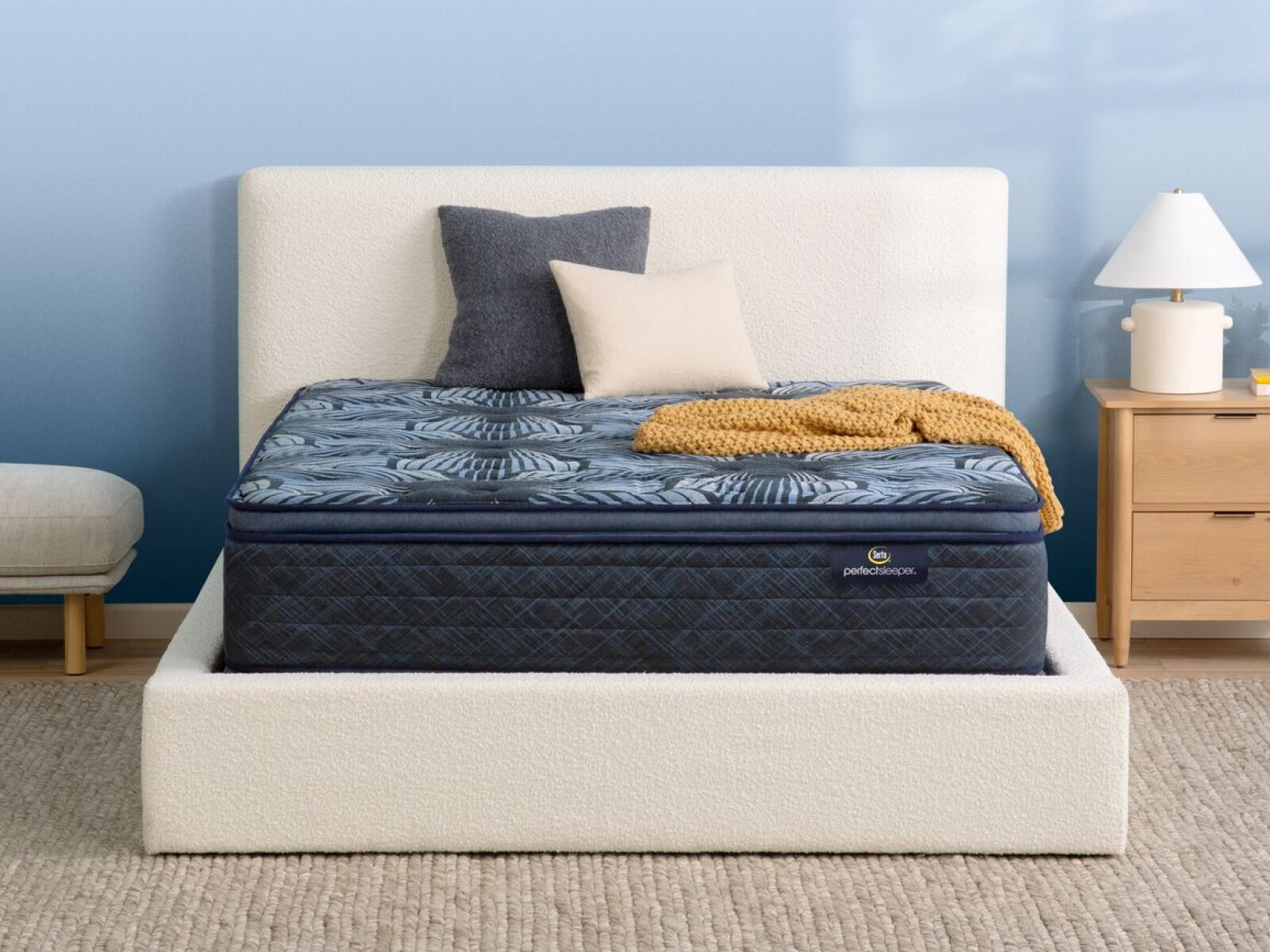
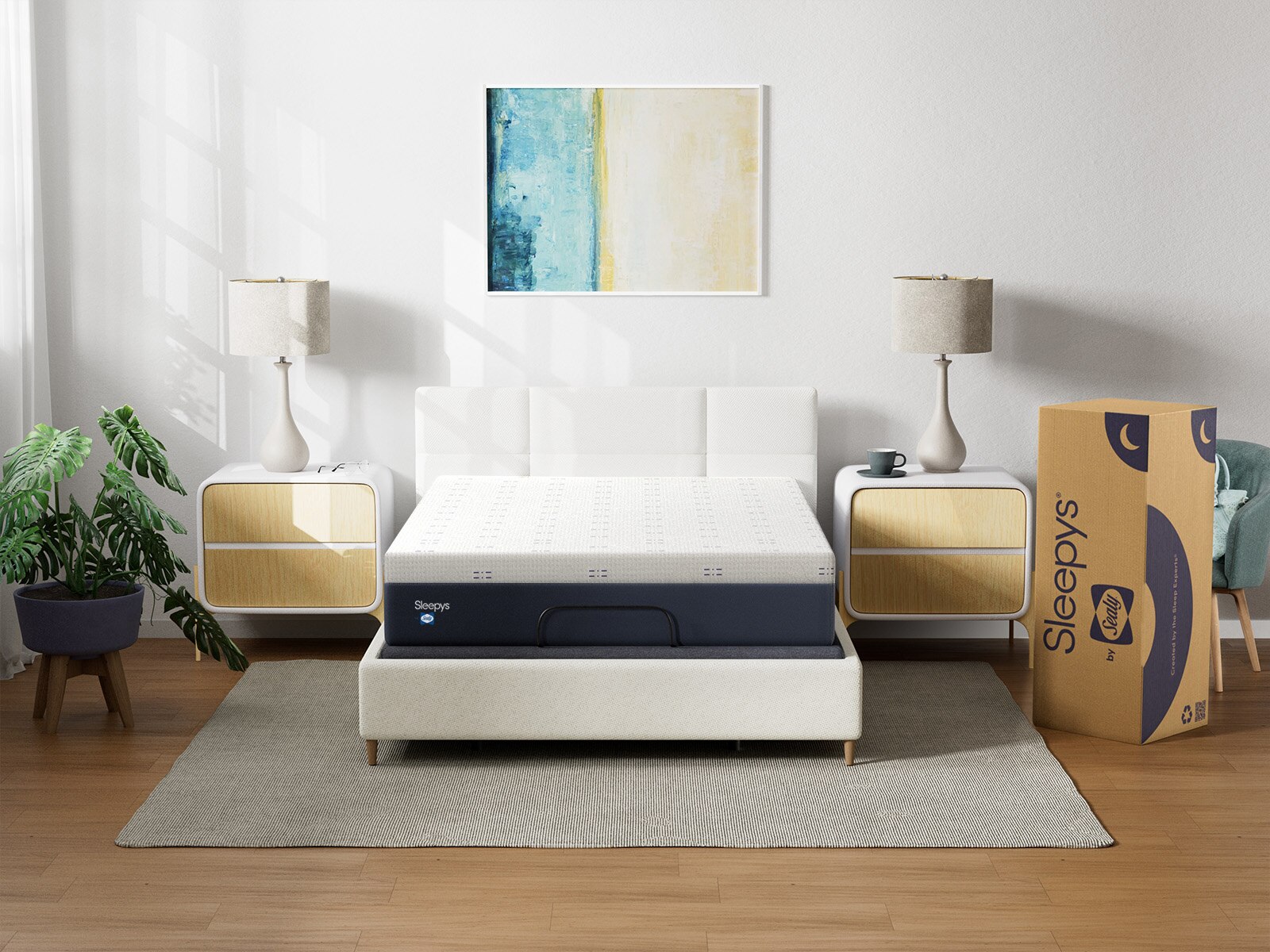
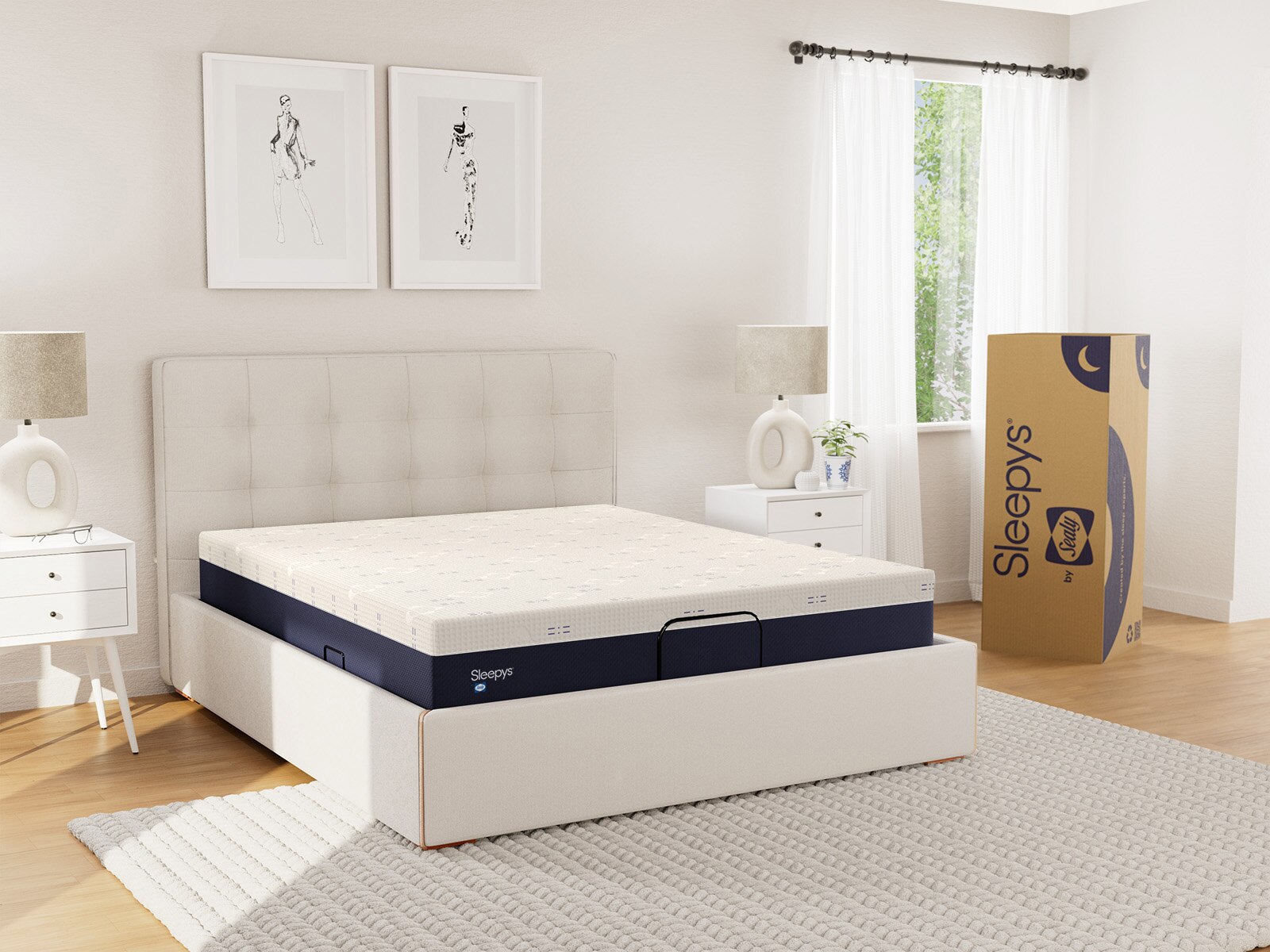
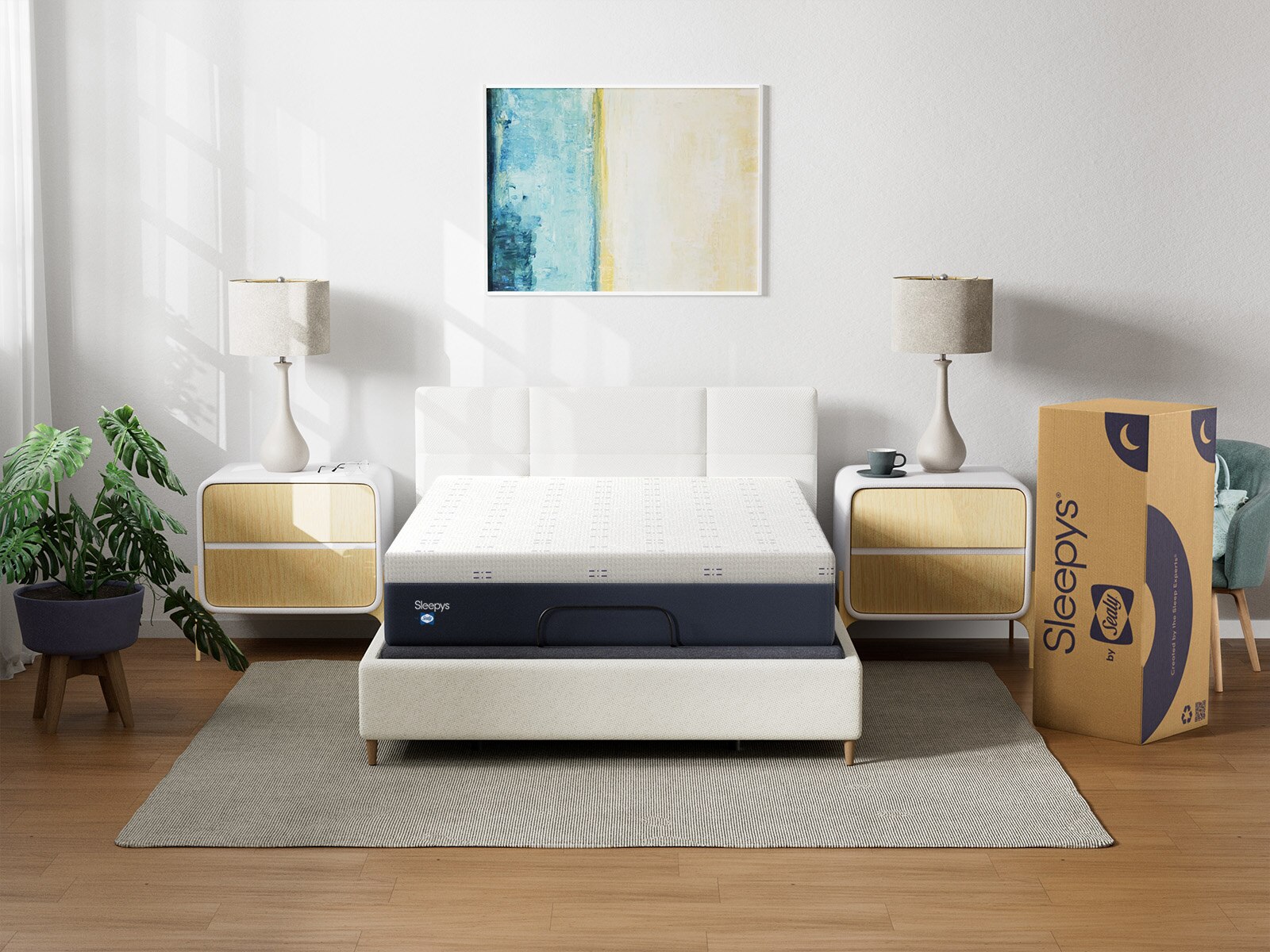
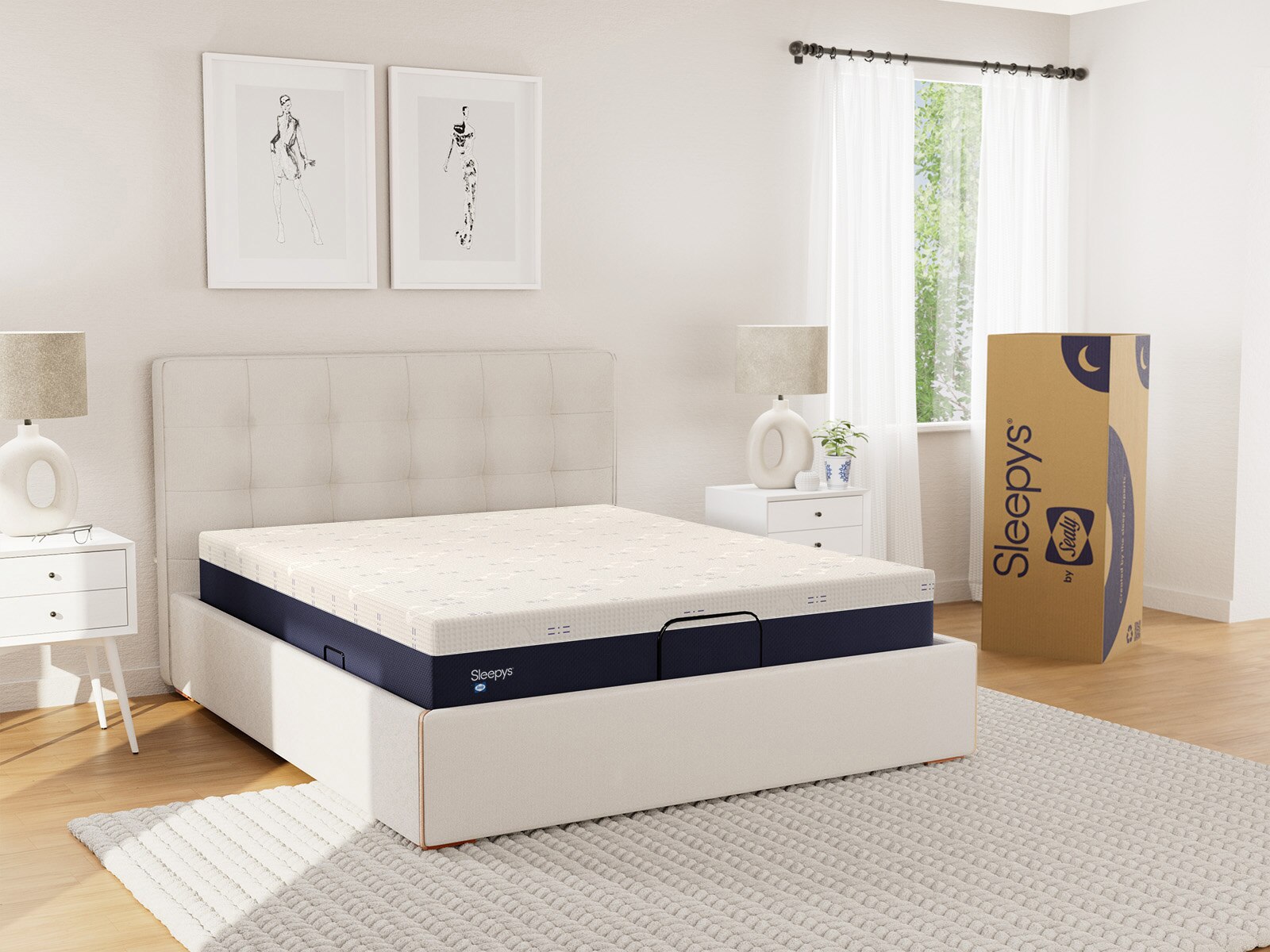
A headboard brings definition to a bedroom, creating a backdrop for pillows and giving the bed a more finished appearance. For a Labor Day bedroom refresh, that change can be as simple as replacing a plain panel with textured upholstery or choosing an open metal design that lets more of the wall show through. The right choice depends on how the room looks and how the bed is used. Upholstered headboards add softness and texture, with padding that can create a comfortable surface behind pillows while reading or watching a favorite show, depending on the design. Woven fabric offers subtle dimension, while a smoother covering creates a more tailored look. Deep tufting and vertical channels introduce pattern without requiring patterned bedding, though recessed details may need more attention during cleaning. Wood headboards bring visible grain and a sense of structure, whether the profile is simple and straight or shaped with panels and molding. Solid wood and wood veneer construction have different characteristics, so the underlying materials, finish and joinery matter as much as appearance. Metal headboards can feel airy or substantial depending on the thickness and spacing of the rails. An open design can suit a smaller guest room, while a broad upholstered panel can anchor a primary bedroom with taller ceilings. Color also changes the effect: a light neutral can blend with the wall, a dark finish can outline the bed and a textured fabric can add interest to otherwise simple bedding. For a shared bedroom, a headboard with a restrained profile can work with different tastes and future bedding changes. In a child's room, smooth edges, secure attachment and an easy-care finish may take priority over decorative details. A headboard can also be a thoughtful housewarming gift, but it is a personal furnishing that requires coordination around bed size, mounting requirements and the recipient's style. Its usefulness comes from fitting the room and the existing bed, not simply matching a photograph.
Fit involves more than choosing a headboard labeled for a twin, full, queen or king bed. The overall width can extend beyond the mattress, and the visible height depends on the combined height of the frame, foundation and mattress. A tall mattress with several layers of pillows can hide much of a shorter headboard, while a very tall panel may crowd a low window or compete with artwork. Measuring the space from the floor to the intended top edge helps clarify how much of the headboard will remain visible once the bed is made. Width deserves the same attention, especially when nightstands sit close to the mattress or a bedroom door swings toward the bed. Extra-wide designs can create a continuous backdrop, but they may cover outlets or leave less room for bedside furniture. Attachment is another important distinction. Some headboards connect to a compatible bed frame, while others mount to the wall or require a separate support system. Matching mattress size alone does not establish compatibility; bracket placement, bolt spacing and the required hardware also matter. Wall-mounted designs need fasteners appropriate for the wall construction and the weight of the headboard. With an adjustable base, clearance around moving components is essential, and attachment may require compatible brackets. A decorative headboard does not replace the mattress support provided by a suitable frame, foundation or base. For anyone coordinating a larger bedroom update,
king size pillow top mattresses for Labor Day are a related consideration because mattress height affects the proportions of the finished bed. A thicker sleep surface may call for more visible headboard height, particularly when large pillows are part of the everyday arrangement. The route into the bedroom matters, too. A broad, rigid panel needs enough clearance through doorways, around hallway corners and up staircases. Checking packaged dimensions and assembly requirements can help prevent an awkward surprise, especially in an older home with narrow passages or a room tucked beneath a sloped ceiling.
Daily habits often reveal which headboard materials and details will feel practical over time. Someone who reads in bed every evening may appreciate upholstery with a smooth, lightly padded surface behind a supportive pillow, while a guest room used occasionally may benefit from a simple finish that is easy to dust between visits. Fabric can collect lint, hair and everyday dust, particularly along seams, buttons and channels. Gentle vacuuming with an appropriate upholstery attachment can help when permitted by the care instructions, but stain treatment should follow the covering's specific cleaning requirements rather than a general household routine. Water or cleaning solutions can leave marks on some fabrics, and vigorous rubbing can alter the texture. Wood finishes usually benefit from gentle dusting and prompt attention to spills; excess moisture and abrasive cleaners can damage the surface. Metal finishes also need care appropriate to their coating, with cleaned areas dried thoroughly and scratches addressed according to the manufacturer's recommendations. Durability depends on construction as well as material. Secure connections, well-fitted joints, neatly finished edges and suitable upholstery attachment all contribute to a headboard that holds up to ordinary use. Loose hardware can lead to movement or noise, so periodic checks are useful, especially after moving the bed. A headboard should not serve as a climbing surface or a substitute for a grab bar. For households with pets, fabric texture and accessible crevices deserve consideration alongside color, since some surfaces catch hair or show claw marks more readily than others. Placement matters as well: adequate clearance from curtains, outlets and nearby furniture helps keep the bedside area usable. The most lasting Labor Day bedroom update is one that accommodates these everyday details. A well-proportioned headboard can bring the room together without requiring every furnishing to match, leaving room for familiar nightstands, favorite bedding and the small routines that make a bedroom feel settled.