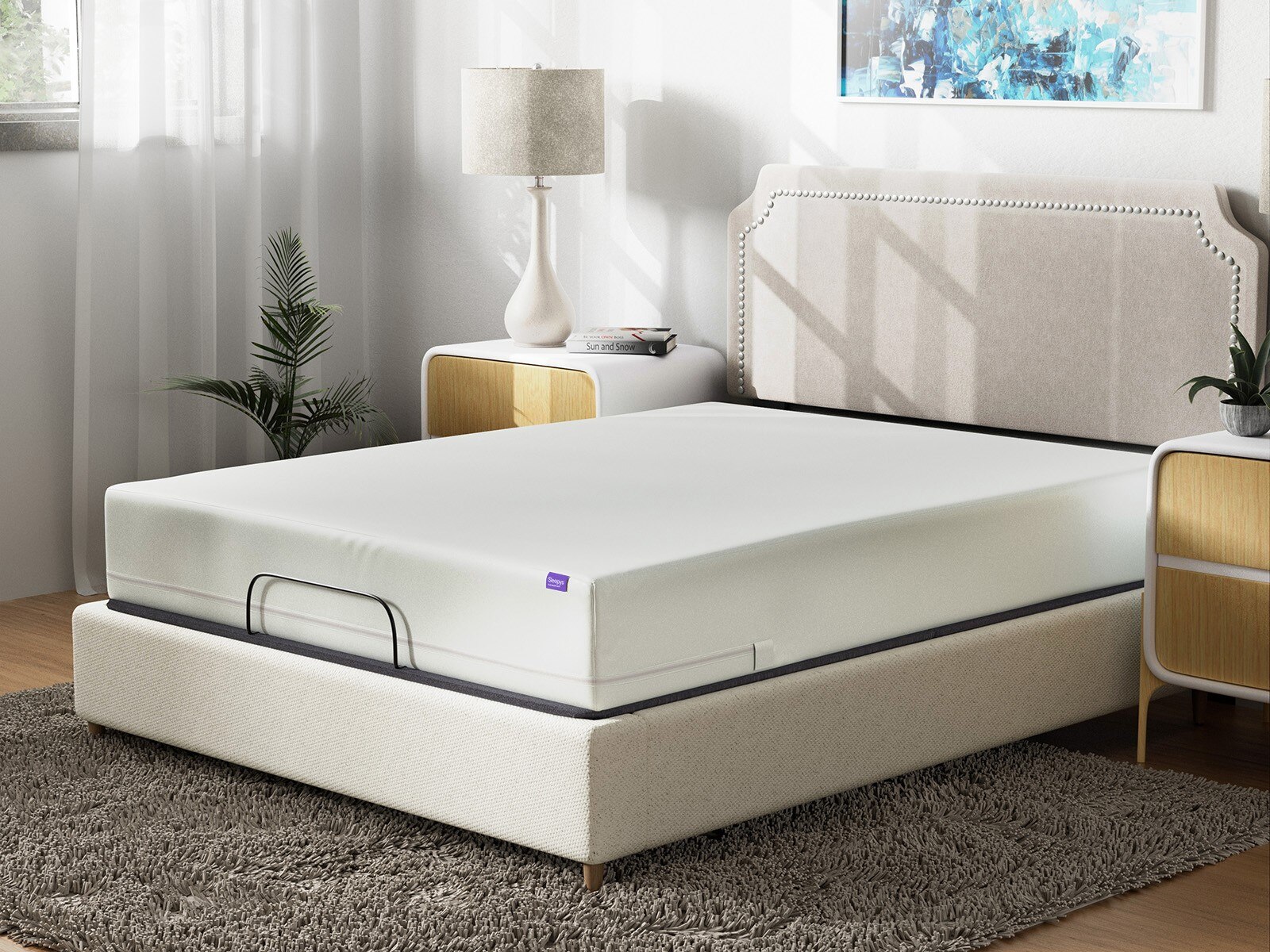
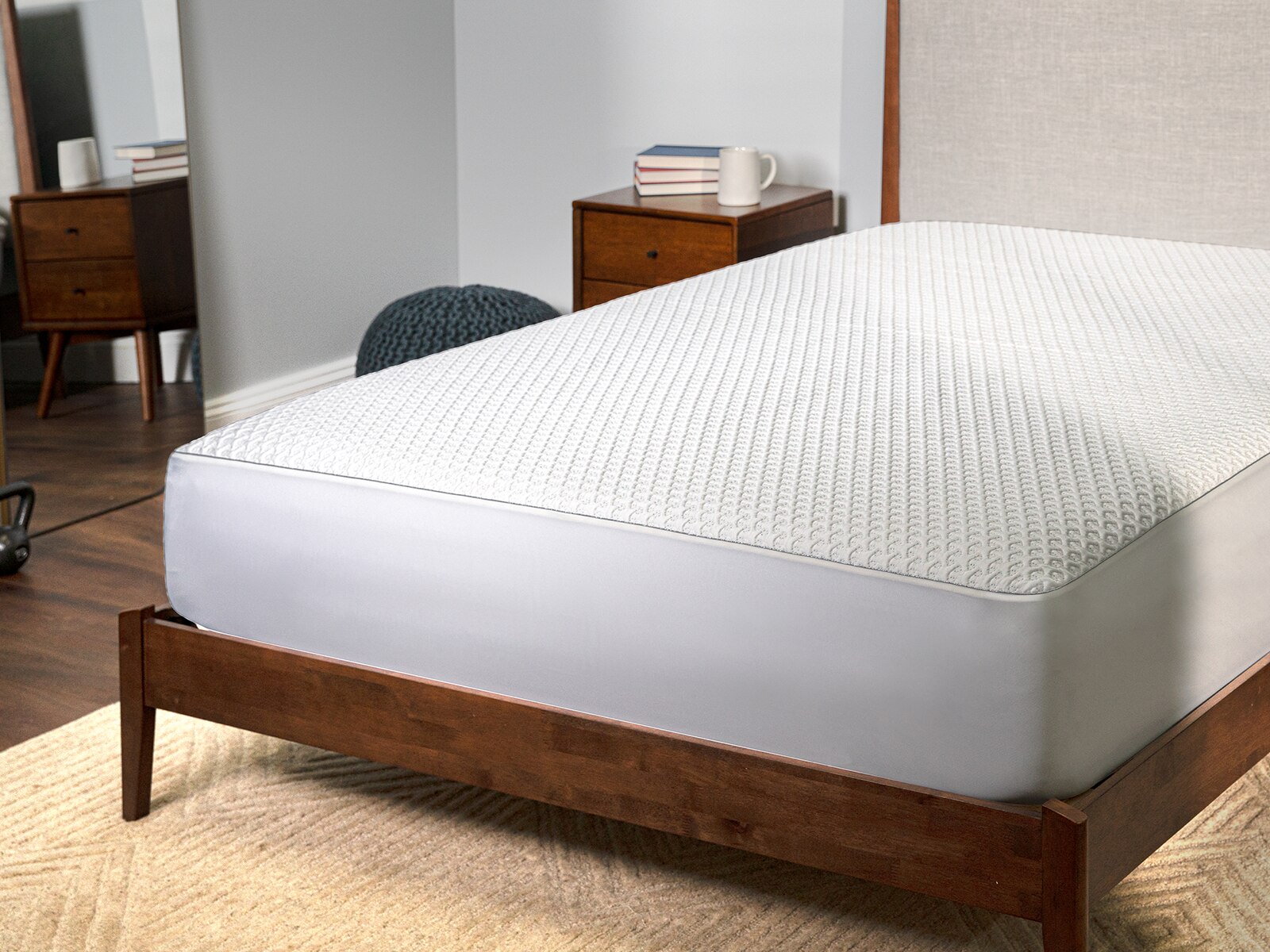
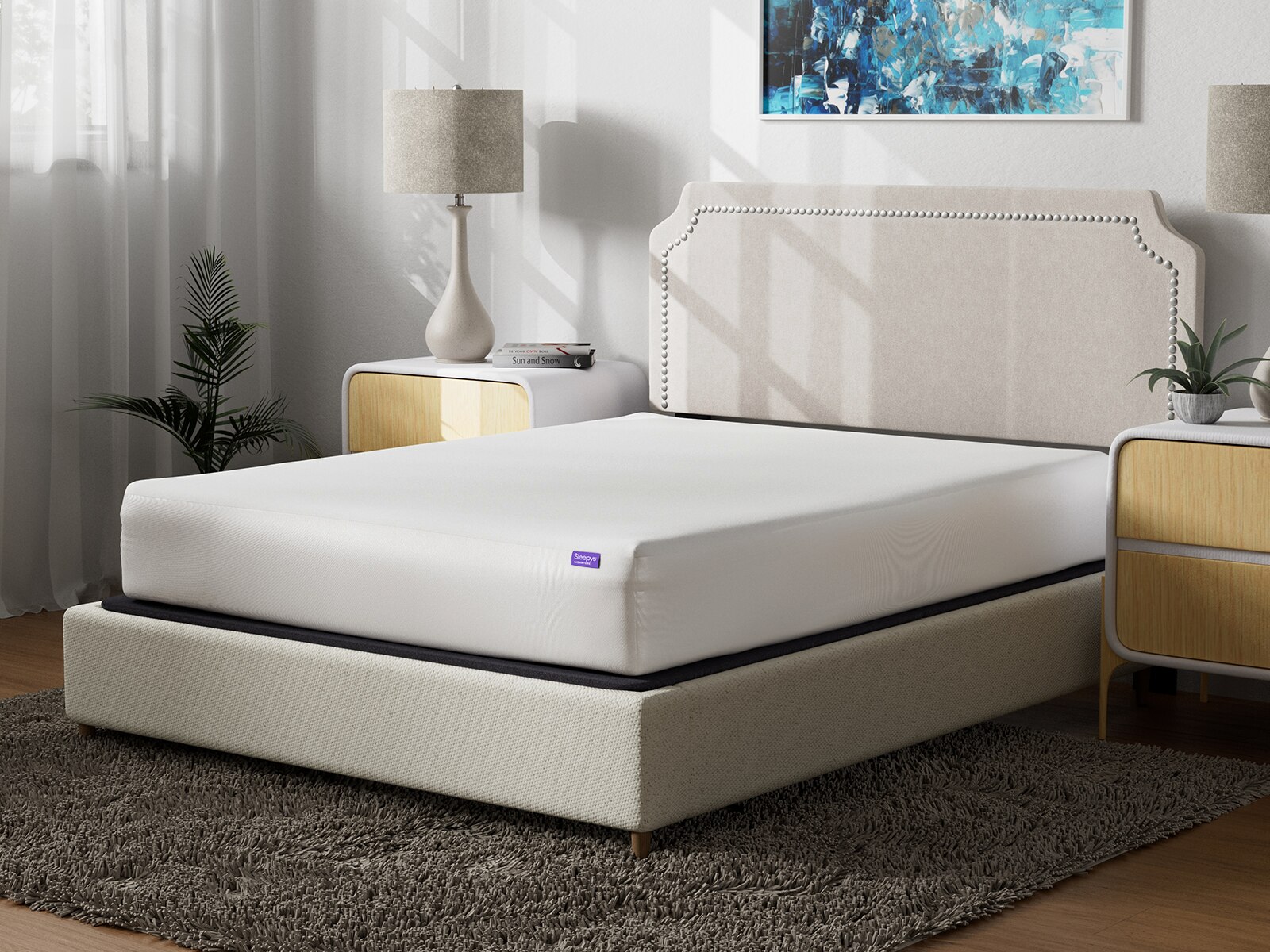
Low profile mattress protectors are thin bedding covers designed to add a protective layer without the cushioning or height of a mattress pad or topper. In a bedding setting, “low profile” generally describes a streamlined construction that sits close to the mattress, although the term can also refer to a fit intended for a shallower mattress. Those features are worth checking separately: a thin protector can still have a deep pocket, and a shallow-pocket protector is not necessarily the thinnest option. For someone who likes the feel of an existing mattress, a lightweight cover can help preserve that familiar surface while adding a layer between the mattress and fitted sheet. The fabric against the sheet matters as much as the overall thickness. Cotton surfaces tend to feel soft and absorbent, while polyester fabrics and cotton-polyester blends can offer a smooth finish with practical everyday care. Knit constructions may stretch with the mattress, and terry surfaces have small loops that absorb moisture but can feel more textured than a smooth knit. A waterproof protector typically adds a barrier beneath the fabric, sometimes using a thin polyurethane membrane. The surface fabric alone does not establish whether a protector is waterproof, so the construction and care label deserve a closer look. Breathability, softness and sound can vary with both the fabric and the protective backing. Someone who changes positions frequently may prefer a flexible cover that moves quietly beneath the sheet rather than one that feels stiff or rustles with movement. A low profile protector is not intended to correct a sagging mattress, add substantial pressure relief or change a firm bed into a plush one. Its purpose is more straightforward: help protect the sleep surface while keeping the bed’s original feel as intact as the materials allow. A closely fitted, minimally padded cover can also make it easier to maintain a smooth-looking bed without adding another bulky layer beneath the linens.
Fit starts with the mattress’s actual dimensions, not just its size name. Measure the width, length and depth, including any topper that will sit beneath the protector, then compare those measurements with the stated fit range. A queen mattress with a slim construction needs a different pocket depth than a queen mattress with a substantial pillow top. Excess fabric can gather at the corners or wrinkle beneath the sheet, while a pocket that is too shallow may pull upward when someone turns over or sits along the edge. Stretch side panels and elastic around the lower edge can help hold a fitted protector in place, but they still need to match the mattress depth. On an adjustable base, a flexible construction with a secure fit is especially useful because the mattress bends as the head or foot rises. For a split setup, each moving mattress generally needs its own appropriately sized protector so the sides can move independently. The extent of coverage also deserves attention. Some protectors provide a protective barrier across the top while using unprotected fabric along the sides; others offer additional coverage. A zippered encasement surrounds the mattress and serves a different purpose from a simple fitted cover, particularly when the goal includes a barrier against certain allergens. Any allergen-related performance should be supported by the stated construction or testing rather than assumed from the word “protector.” Waterproof and water-resistant are also different claims: resistance may help with limited moisture exposure, while a waterproof barrier is designed to prevent liquid penetration under its specified conditions. Neither description means spills should be left unattended. These distinctions matter for everyday situations such as a knocked-over bedside drink, a child learning nighttime routines or a pet sharing the bed. For a guest room, a protector adds a washable layer between visitors and the mattress. For a student setting up a dorm bed or someone furnishing a first apartment, it can be a useful household gift when the mattress size, depth and care needs are known.
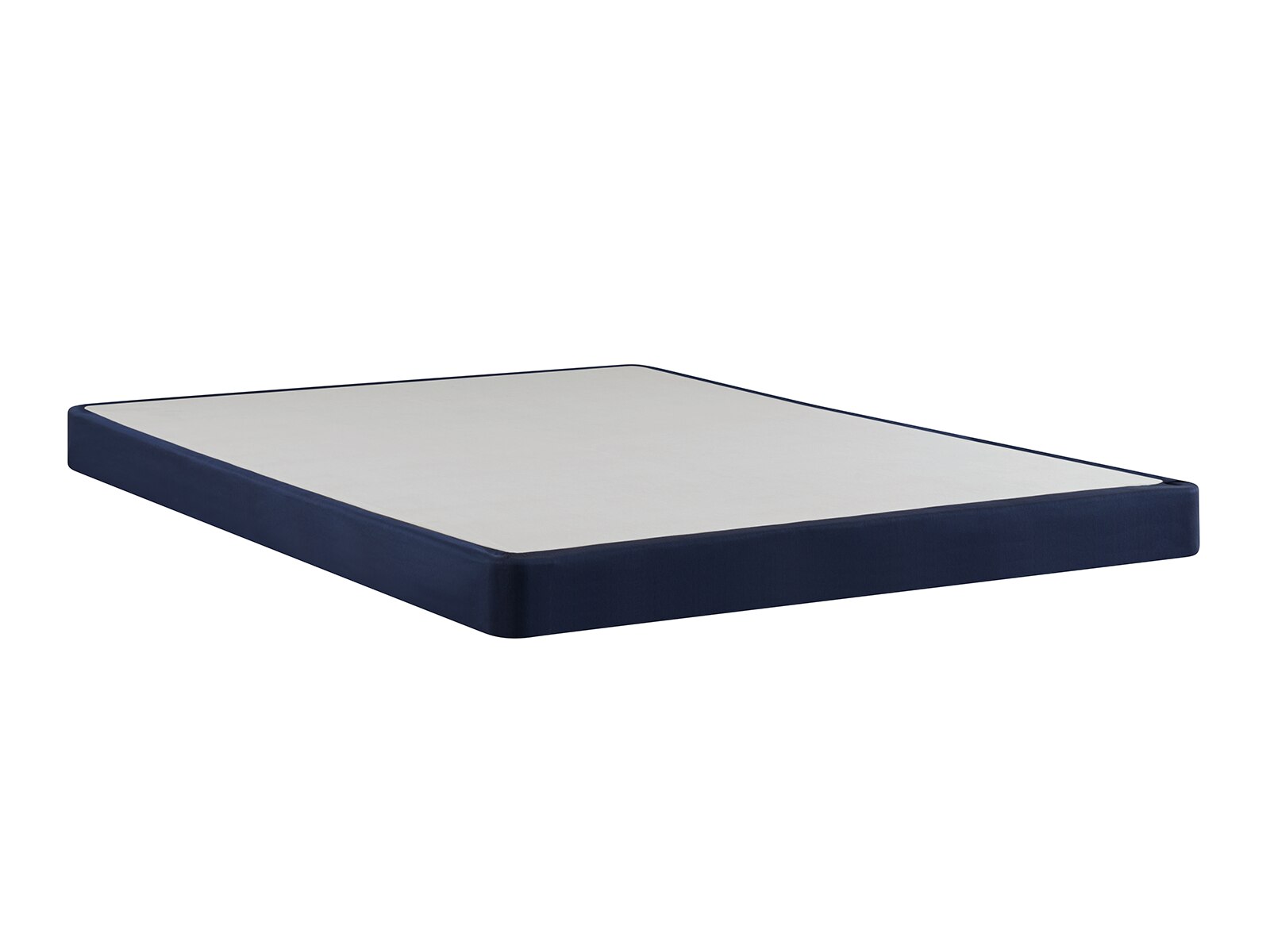
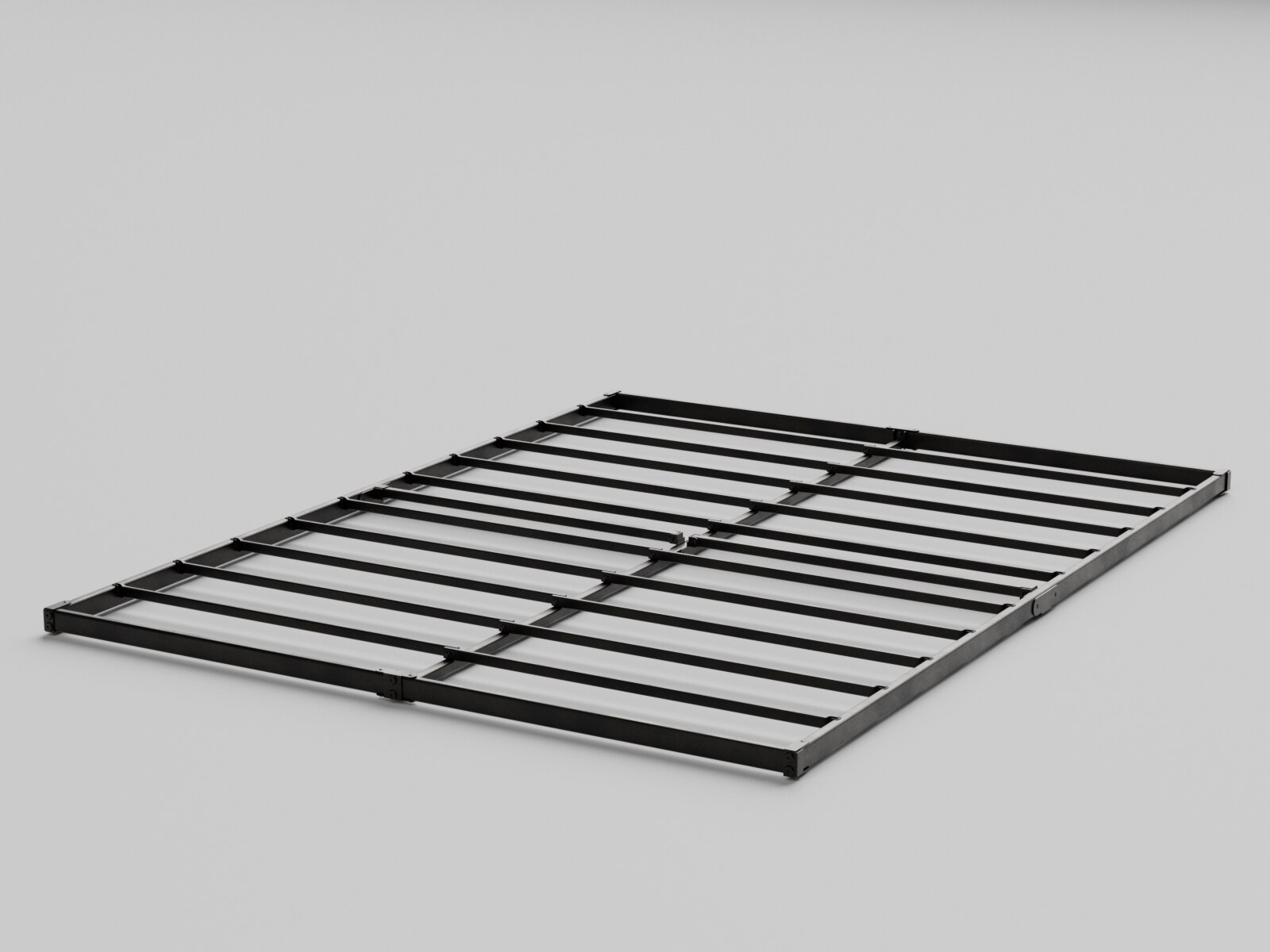
Care and durability are closely connected because a protector needs to remain useful after repeated laundering, not just feel comfortable on its first night. Check the care label before washing, especially when a waterproof backing is involved. Some constructions tolerate machine washing and low-heat drying, while others require different settings. Excessive dryer heat, bleach or fabric softener may affect certain fabrics or barriers, so those choices should follow the manufacturer’s directions rather than a general bedding routine. A washer with enough room for the cover to move freely can help with thorough cleaning and rinsing. After laundering, allow the protector to dry completely before putting it back on the mattress, paying attention to seams, corners and elasticized edges where moisture can remain. Washing before first use may be recommended, and regular cleaning should reflect actual use, spills and the care instructions. Keeping a second properly fitted protector can make a laundry-day change simpler without leaving the mattress uncovered while the first one dries. Between washes, check for thinning fabric, stretched elastic, loose seams or peeling backing. A cover that no longer stays flat or has visible damage to its barrier may no longer provide the same protection. Promptly blotting spills and cleaning the protector as directed can help keep moisture from lingering against the sleep surface, but a protective cover does not replace care for the mattress itself. It also does not replace the structure beneath the mattress. For a bed with a lower overall height,
Low Profile Supports address the foundation layer, while a low profile protector addresses the surface beneath the sheet. Keeping those roles separate makes it easier to choose bedding without expecting a thin cover to provide structural support. The most useful combination is a protector that fits securely, offers the coverage the household needs and can be cared for consistently. When those details line up, the bed can retain its familiar feel with a practical, unobtrusive layer of everyday protection.