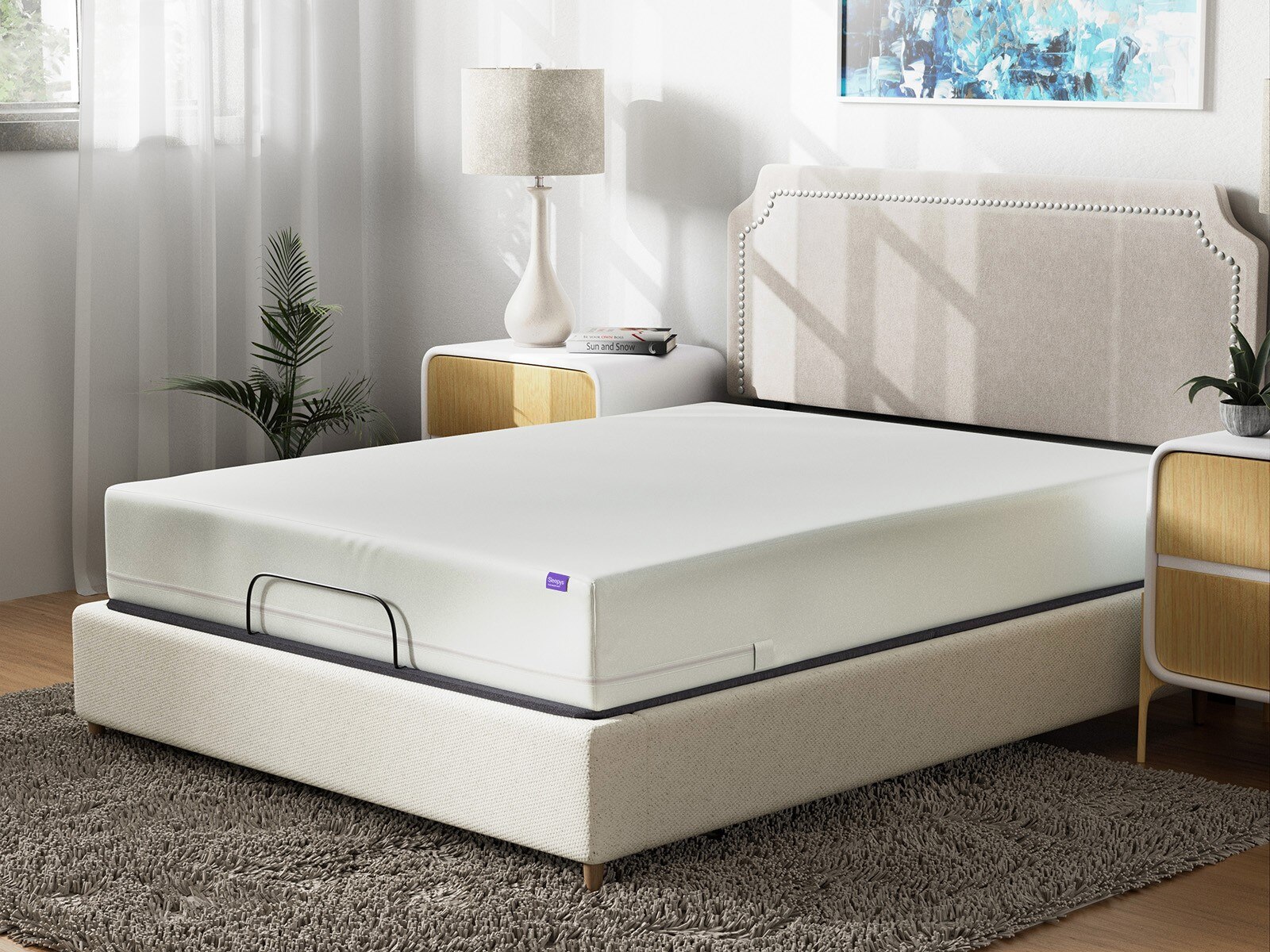
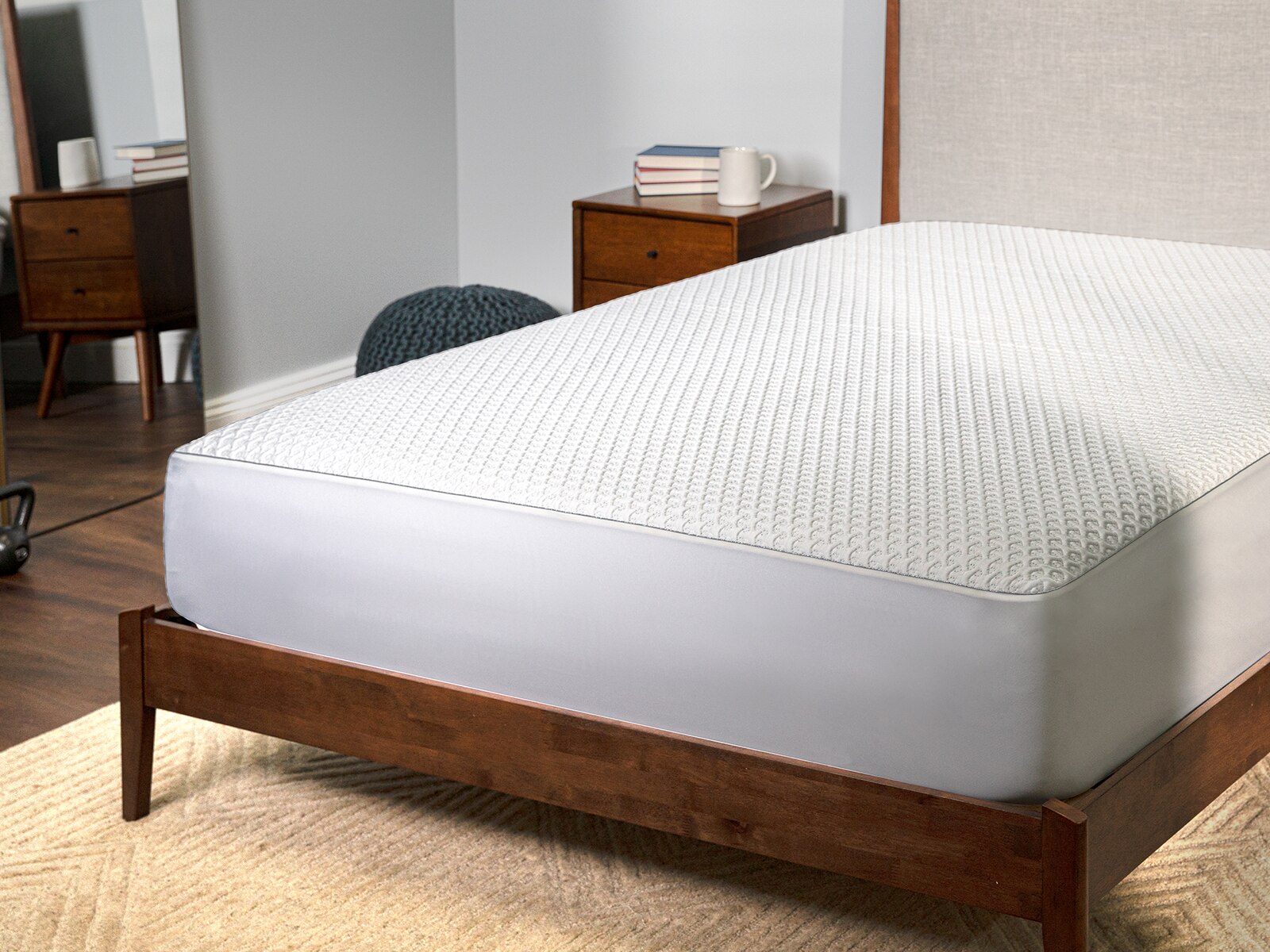
Mattress protectors for extended stays add a washable barrier between the mattress and the everyday messes that come with weeks of regular use. A glass of water on the nightstand, breakfast brought to a guest room or a child settling into an unfamiliar bed can make dependable protection especially useful. For longer visits, the main considerations are coverage, waterproof performance, a secure fit and care instructions that work with the household’s laundry routine. Fitted waterproof protectors cover the sleeping surface and typically wrap around the sides, while six-sided encasements surround the entire mattress and close with a zipper. These styles serve different needs: a fitted design is convenient to remove for washing, while an encasement provides more complete coverage when its construction and closure are designed for that purpose. Waterproofing and bed bug protection are separate features. A protector intended to help block bed bugs needs an appropriately tested barrier and secure zipper closure; a waterproof label alone does not establish that protection. The surface fabric also affects how the bed feels night after night. Cotton terry has a lightly textured, absorbent surface, while smooth knit fabrics can feel less noticeable beneath a fitted sheet. Polyester blends may offer practical wash-and-wear performance, depending on the fabric and care requirements. In waterproof designs, a backing or membrane supplies the liquid barrier, so a soft fabric surface by itself is not enough to keep moisture from reaching the mattress. Breathability, flexibility and noise are worth considering together, particularly for someone who turns frequently or is sensitive to rustling bedding. A thin, pliable protector generally adds less bulk than a padded style, helping preserve the feel of the mattress underneath. For a visiting relative, a student spending several weeks away from home or someone staying near a temporary work assignment, that balance of comfort and practical protection can make an unfamiliar sleeping space feel more settled.
Fit becomes especially important when the same bed will be used every night rather than occasionally. A protector should match both the mattress size and its depth, including any topper that will sit beneath it. A queen protector is not interchangeable with a full, and a Twin XL mattress needs the additional length that distinguishes it from a standard twin. Pocket-depth measurements matter just as much as the size name: corners that are stretched too tightly may pull loose, while excess fabric can gather beneath the sheet. Elastic around the lower edge, adequately shaped corners and flexible side panels can help a fitted protector stay in place, although the exact fit depends on the mattress and the protector’s construction. Encasements also need enough depth to close without straining the zipper or compressing the mattress. On an adjustable base, a flexible protector needs to accommodate movement without bunching or pulling away from the corners. For split sleeping arrangements, each mattress may need its own correctly sized protector so the two sides can move independently. Households furnishing smaller guest rooms or separate beds for visiting children may also find relevant options among
Twin Waterproof Mattress Protectors For Vacation Homes. Beyond dimensions, the intended sleeper helps shape the choice. A lightly padded surface may appeal to someone who likes a little extra softness, while a low-profile construction may better suit a person who wants the mattress feel to remain largely unchanged. A protector is not a substitute for a supportive mattress or a topper intended to change cushioning. Its primary role is to protect the sleep surface while fitting comfortably into the bedding layers already in use. For children, guests traveling with pets or anyone who prefers keeping a drink nearby, waterproof coverage can be particularly practical. The amount of protected surface still matters, since some fitted designs have a waterproof top but fabric sides that do not provide the same liquid barrier.
Over an extended stay, easy care is part of lasting performance. A mattress protector that can be cleaned according to a manageable routine is easier to keep in regular use than one with care requirements that do not fit the household. Machine-washable construction can be convenient, but wash settings, drying methods and permitted cleaning products vary. The care label should guide the routine, especially when the protector includes a waterproof membrane, coated backing or specialized zipper. High drying heat, bleach or fabric softener may affect some protective materials, so those treatments should not be assumed safe unless the manufacturer allows them. Complete drying before the bed is remade helps keep moisture from being trapped between layers. Having a second correctly fitted protector can also make laundry day simpler: the bed can be remade while the used layer is being washed and dried. This is useful when a guest is staying for several weeks and the room needs to remain ready for nightly use. Durability depends on more than a substantial fabric weight. Secure seams, resilient elastic, a smoothly operating zipper and a backing that remains intact all contribute to reliable coverage over repeated use and cleaning. Stiff or bulky construction is not necessarily more protective, and softness does not establish durability on its own. Periodic checks for loose stitching, stretched corners, peeling backing or gaps around a closure can reveal wear that is not obvious once sheets are on the bed. Prompt attention to spills also matters, because liquid left on the surface can spread toward edges or closures. A waterproof protector helps manage everyday moisture exposure, but it does not replace routine cleaning or address an existing pest problem. For a guest suite, a family member’s longer visit or a frequently used second bedroom, well-fitted, washable protection supports a straightforward bedding routine while helping preserve the mattress for the next stay.