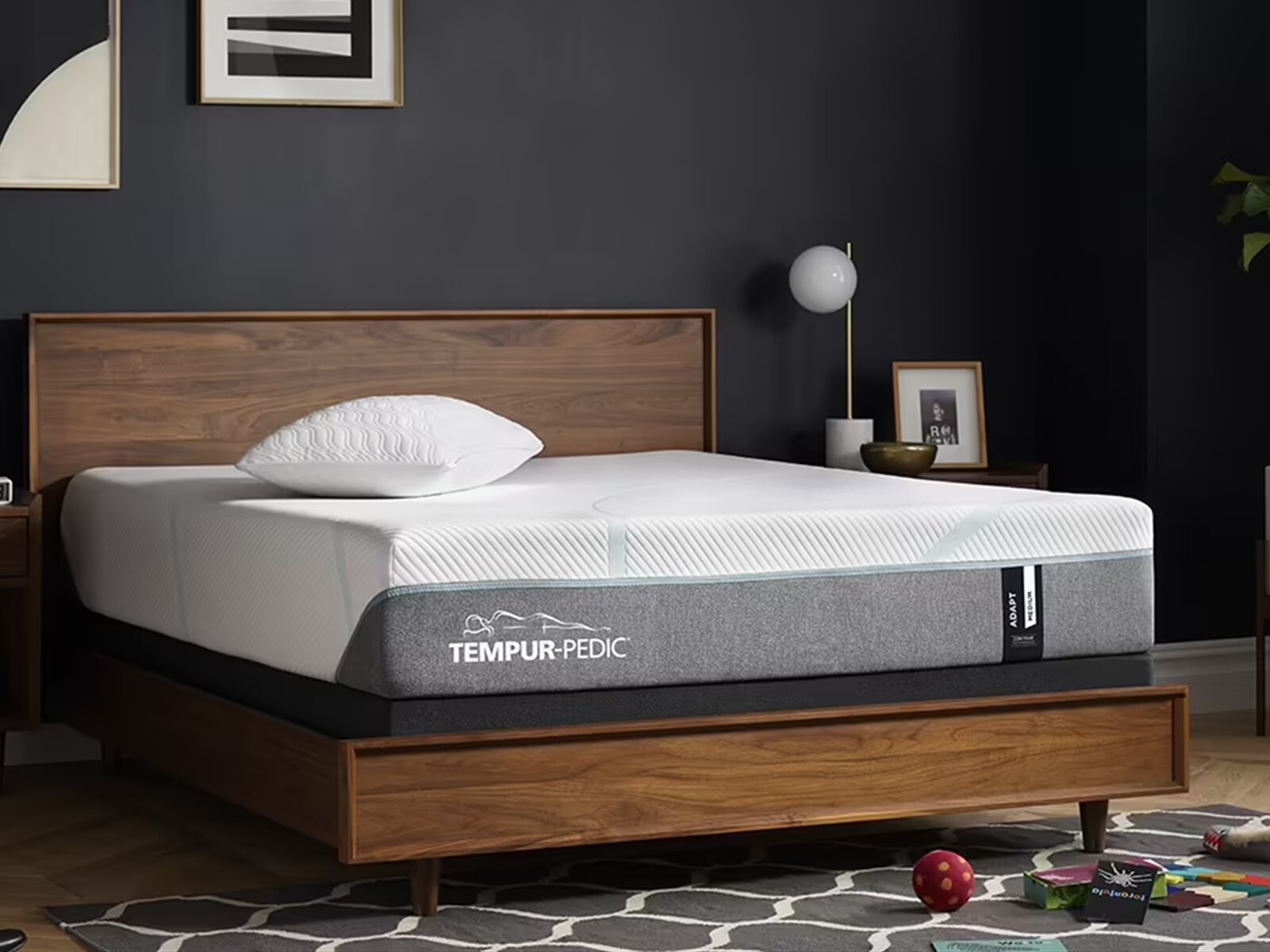
Mattresses for side and back sleepers balance cushioning at the shoulders and hips with support beneath the back and pelvis. A medium to medium-firm feel, often described as five to seven on a 10-point firmness scale, is a useful starting point for many people who alternate between these positions. Firmness ratings vary by manufacturer, though, and body weight, proportions and personal preference all affect how a mattress feels. Side sleeping places more weight on a smaller surface area, particularly where the shoulder and hip meet the bed. A comfort layer that gently gives beneath those areas can help prevent a crowded, compressed feeling while supporting the waist. Back sleeping distributes weight more broadly and typically benefits from a surface that cradles the natural curve of the lower back without letting the pelvis sink excessively. For someone who falls asleep curled on one side and wakes up facing the ceiling, the right balance is cushioning that accommodates the shoulder and support that remains steady through a change in position. A mattress does not have to feel hard to provide that support, and a soft surface does not automatically mean the deeper layers lack structure. The way its layers work together matters more than a single firmness label. Lighter-weight sleepers may experience a mattress as firmer because they do not compress its comfort layers as deeply, while heavier-weight sleepers may notice more contouring and need a more substantial support system. Shoulder width and hip shape also influence how much cushioning feels comfortable. A broad-shouldered side sleeper, for example, may appreciate additional surface give even when sharing a bed with someone who prefers back sleeping. For people who spend most of the night on their side, the
best mattresses for side sleepers offer another way to explore options with that position in mind. The goal is a surface that feels comfortably accommodating without leaving the body settled into a deep hollow.
Materials and construction shape that balance in different ways. Memory foam generally contours closely around the body, creating a cradled feel that can be especially noticeable beneath a side sleeper’s shoulder. Its ability to absorb movement can also be helpful when one person turns over while another stays asleep. Some foams recover their shape more gradually, so sleepers who change positions frequently may prefer a construction with a more responsive surface. Latex typically has a buoyant feel, compressing under pressure and responding quickly as weight moves. That responsiveness can make the transition from side to back feel less effortful, particularly for someone who dislikes the sensation of settling deeply into the bed. Hybrid mattresses combine foam or latex comfort layers with a coil support system, bringing cushioning and a springier underlying feel into the same construction. Individually wrapped coils can respond more independently to changes in pressure than connected coil systems, although overall motion transfer still depends on the complete mattress design. Innerspring constructions often emphasize an elevated, responsive feel, with the amount and type of padding determining how much cushioning reaches the shoulders and hips. Zoned designs may use different support levels across the mattress to accommodate areas such as the shoulders and midsection, but their suitability depends on how those zones line up with the sleeper’s body. Thickness alone does not establish comfort or durability; a taller mattress is not necessarily more supportive than a thinner one. Foam density, coil construction, material quality and the strength of the underlying foundation all contribute to how a mattress holds its shape with regular use. Edge support is another practical consideration for couples, people who sit at the bedside to get dressed and anyone who sleeps close to the perimeter. A stable edge can make more of the surface feel usable. These construction details help distinguish mattresses that may share the same firmness description but feel quite different when lying down, turning over or getting out of bed.
Fit extends beyond mattress feel to include bed size, pillows, bedding and the support beneath the mattress. A twin or Twin XL may suit one sleeper with limited floor space, while a full gives a single adult more room to shift between positions. A queen or king can provide greater separation for partners, and a California King offers added length for taller sleepers. Enough room to turn without repeatedly reaching the edge can make a meaningful difference for combination sleepers. Pillow height also changes how the sleep surface feels: side sleeping generally calls for enough loft to fill the space between the head and mattress, while back sleeping often feels more comfortable with a lower profile that does not push the chin toward the chest. An adjustable-fill pillow can accommodate someone who regularly moves between both positions. Beneath the mattress, a compatible foundation or bed frame provides the consistent support its construction requires. Slat spacing, center support and adjustable-base compatibility should match the manufacturer’s specifications rather than being judged by appearance alone. Everyday care helps preserve comfort, too. A properly fitted mattress protector can help shield the surface from spills and everyday moisture, while washable bedding keeps the sleep surface easier to maintain. Cleaning methods should follow the care label, since soaking foam or using unsuitable cleaners can damage materials. Rotation may help distribute wear when the manufacturer recommends it; many layered mattresses are designed for one-sided use and should not be flipped. For a shared bed, comfort testing is most useful when both people lie in their usual positions and move as they normally would, rather than judging the surface only while seated. Notice whether the shoulder has space to settle, the lower back feels supported and rolling over feels natural. A mattress can contribute to comfortable positioning, but it is not a treatment for persistent pain. The strongest match for side and back sleeping brings together pressure relief, dependable support and enough freedom of movement to suit the way each person actually rests.