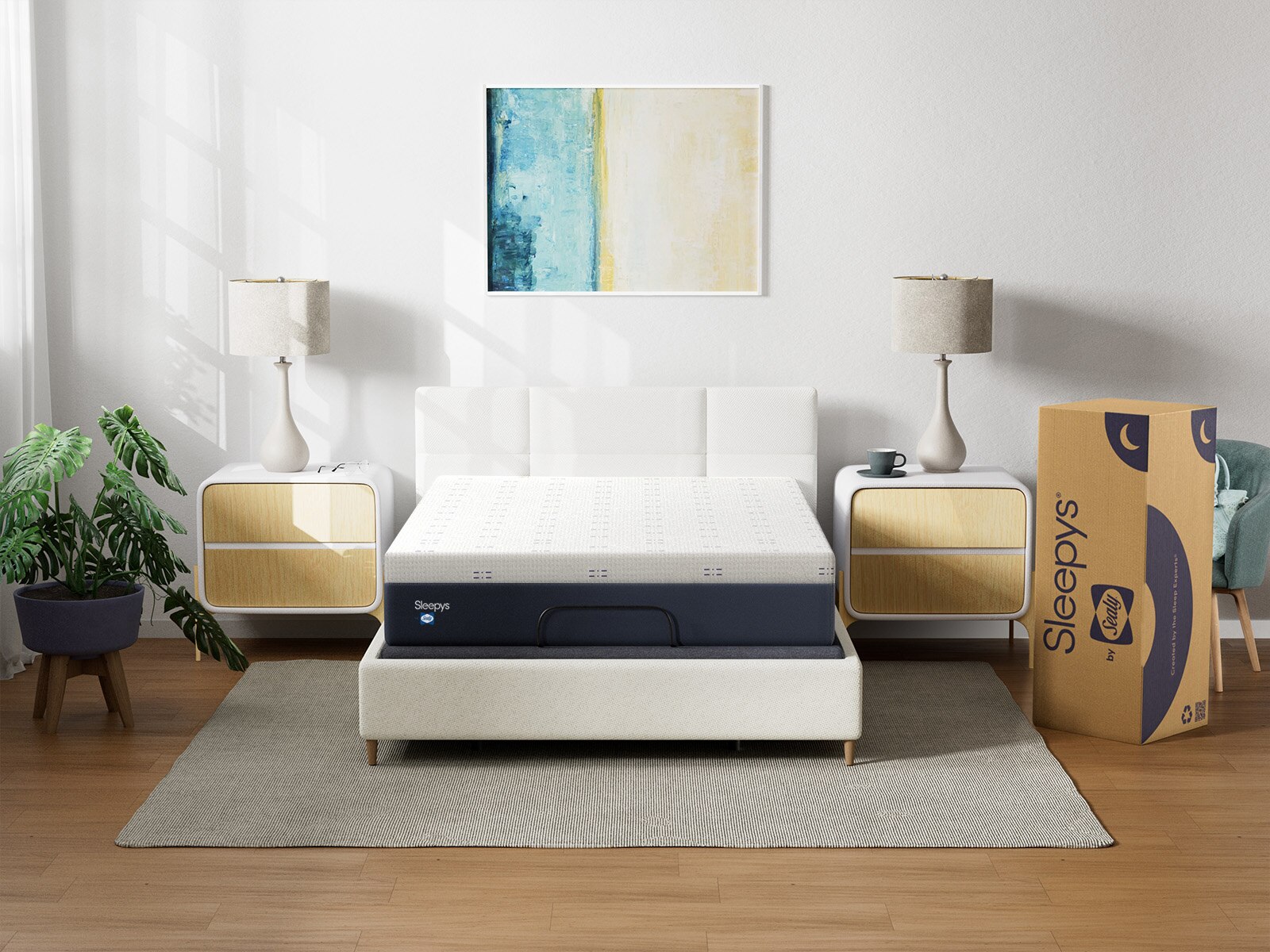
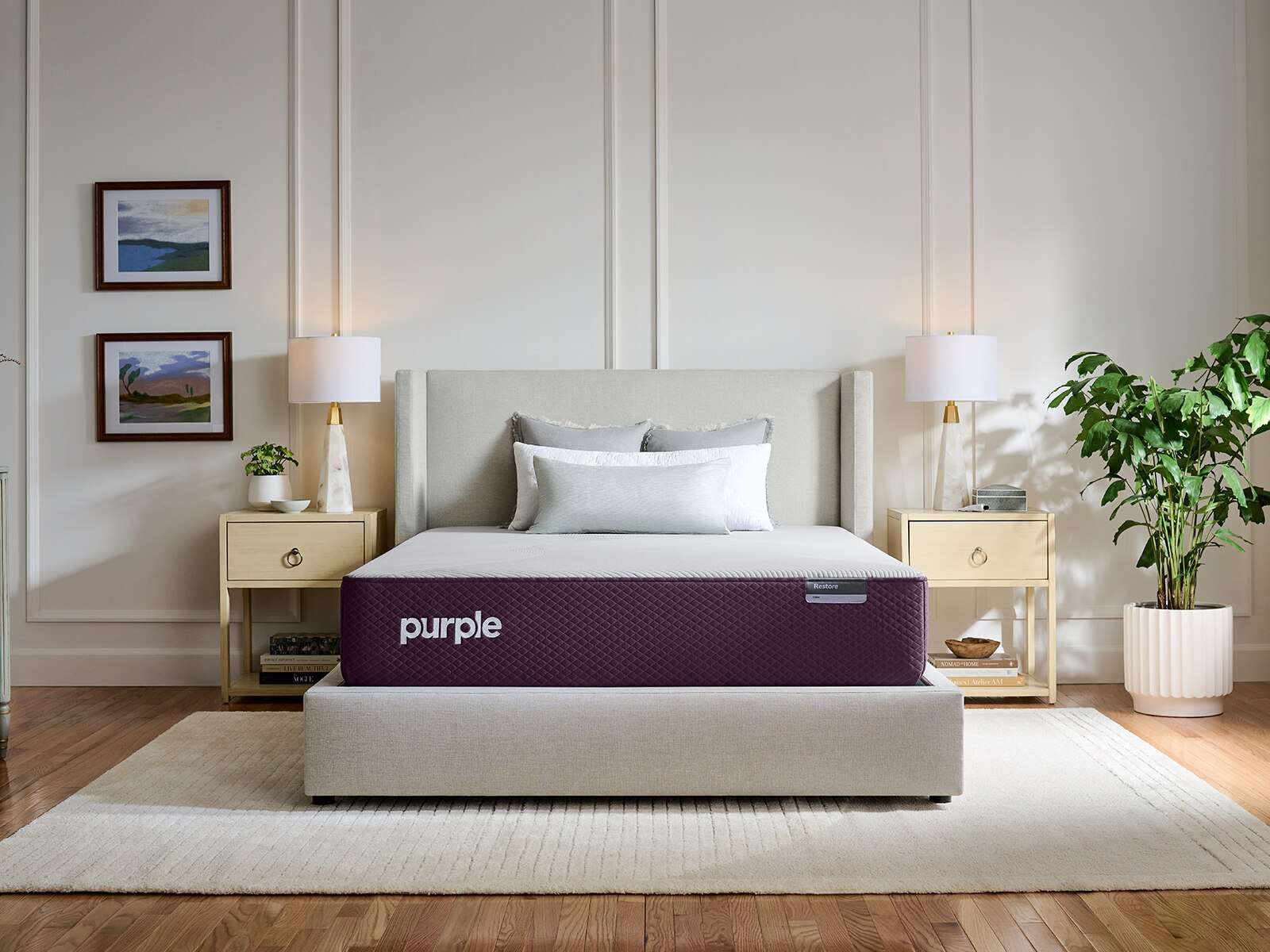
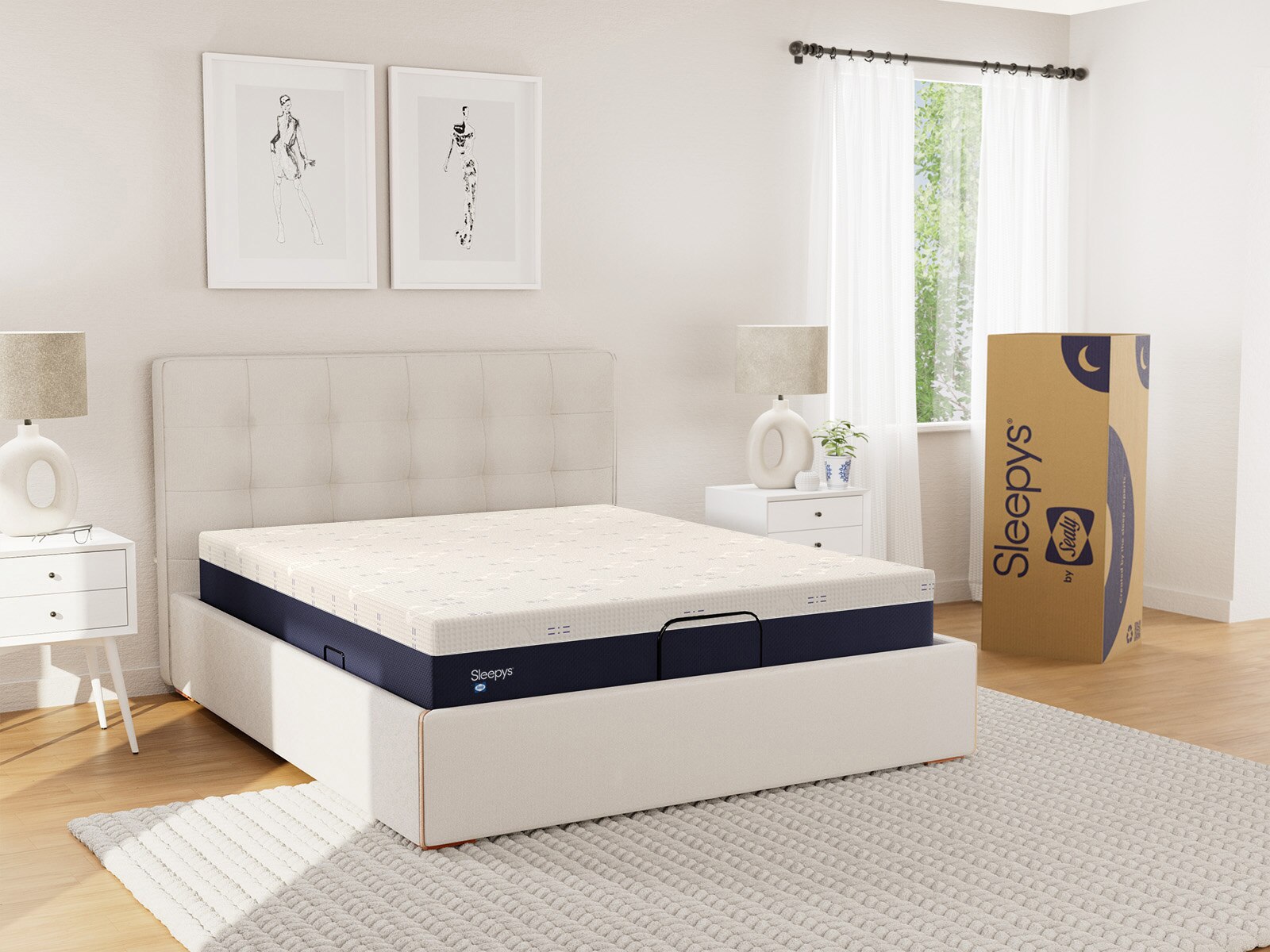
Side sleepers need a mattress that gives shoulders and hips room to settle without letting the rest of the body lose support. Those two areas carry much of the pressure when lying on one side, so a surface that feels comfortable on the back may feel noticeably firmer after turning over. A mattress with a flexible, gel-like polymer grid offers a different way to cushion these pressure points: the grid walls flex beneath more concentrated weight while other areas remain more upright to provide support. That creates a responsive feel rather than the slow, enveloping sensation associated with some memory foams. For someone who dislikes feeling nestled deeply into a mattress, that distinction can matter as much as firmness. The best fit allows the shoulder and hip to settle enough for the spine to remain in a relatively neutral position, without the waist feeling unsupported or the pelvis dipping too far. A medium to medium-soft feel can be a useful starting point for side sleepers, but firmness labels alone do not determine comfort. Body weight, shoulder width, hip shape and the materials beneath the surface all affect how a mattress responds. A lighter person may need a more yielding comfort layer because less weight is available to compress it. A person with a heavier build may benefit from a construction that combines cushioning depth with a stronger support system, rather than simply choosing the softest surface. Neither body weight nor sleeping position points to one universal answer. A broad-shouldered sleeper may need extra give near the upper body, while someone who frequently switches between side and back sleeping may prefer a slightly more balanced feel. The useful distinction is between pressure relief and excessive sinkage: enough cushioning to ease concentrated pressure, with enough underlying support to keep the body comfortably positioned. A surface that feels plush at first touch is not necessarily the one that will feel most comfortable through a full night.
The construction beneath a flexible grid helps determine how that balance feels in everyday use. Foam support layers can provide a steady foundation, while a hybrid construction combines cushioning materials with a coil support system. Individually wrapped coils can respond more independently than interconnected designs, though the complete mattress construction determines how much movement travels across the surface. Some mattresses also use different support zones, which may provide a firmer response beneath the midsection and more give elsewhere. Zoning is not automatically a better fit for every side sleeper; height and body proportions influence where shoulders and hips land relative to those zones. Comfort-layer depth matters, too, but a thicker mattress is not necessarily softer or more supportive. The type of material, its firmness and the layers working beneath it all contribute to the result. An open-grid structure leaves channels within the comfort layer that can encourage airflow, while its elastic response can make repositioning feel easier than it does on a deeply conforming surface. Sleepers who turn from one side to the other may appreciate that responsiveness, although a buoyant feel is a matter of preference. For couples, motion isolation and usable edge support deserve attention alongside cushioning. A partner changing positions should not be the only consideration; getting comfortable near the edge, sitting to put on socks and getting into or out of bed are part of everyday use. Mattress size also affects comfort. A queen may suit many shared bedrooms, while a king offers more room for partners who bend their knees, stretch out or change positions often. Check the actual dimensions against the room, bed frame and clearances around doors and furniture. A mattress needs to suit both the person sleeping on it and the space where it will be used. For a broader look at different cushioning and support approaches, explore
Best Mattresses For Side Sleeper and compare how each construction addresses side-sleeping comfort.
A useful comfort check starts in the position used most often at home, not with a quick sit on the edge. Lie on one side with knees naturally bent and give the shoulder and hip time to settle. Notice whether the lower shoulder feels crowded, whether the waist feels supported and whether turning over takes extra effort. Pressure building at the shoulder or outer hip can suggest that the surface is not yielding enough, while a pronounced dip beneath the pelvis may indicate that a different support balance would feel better. Pillow height belongs in that assessment because the space between the head and mattress changes as the shoulder sinks. A pillow that worked on a firmer mattress may feel too tall on a more conforming one. A pillow between the knees may also make side sleeping more comfortable by helping keep the legs from pulling the pelvis forward. These adjustments can improve comfort, but a mattress is not a treatment for persistent pain; ongoing discomfort deserves advice from a qualified healthcare professional. Once the fit feels right, proper setup and care help preserve the mattress’s intended performance. Use a foundation or frame that meets the manufacturer’s requirements, including any specified center support and slat spacing. Compatibility with an adjustable base should be confirmed rather than assumed. A well-fitting protector can help limit exposure to spills and everyday moisture, while sheets with enough pocket depth avoid pulling tightly across the sleep surface. Follow the care label for cleaning, and do not assume a cover can be removed or machine washed simply because it has a zipper. Rotate only as directed, and do not flip a layered mattress unless the manufacturer specifically allows it. Durable performance depends on the full construction, appropriate support and regular care, not mattress height alone. Comparing those practical details alongside pressure relief helps side sleepers choose a mattress suited to nightly use rather than a brief first impression.