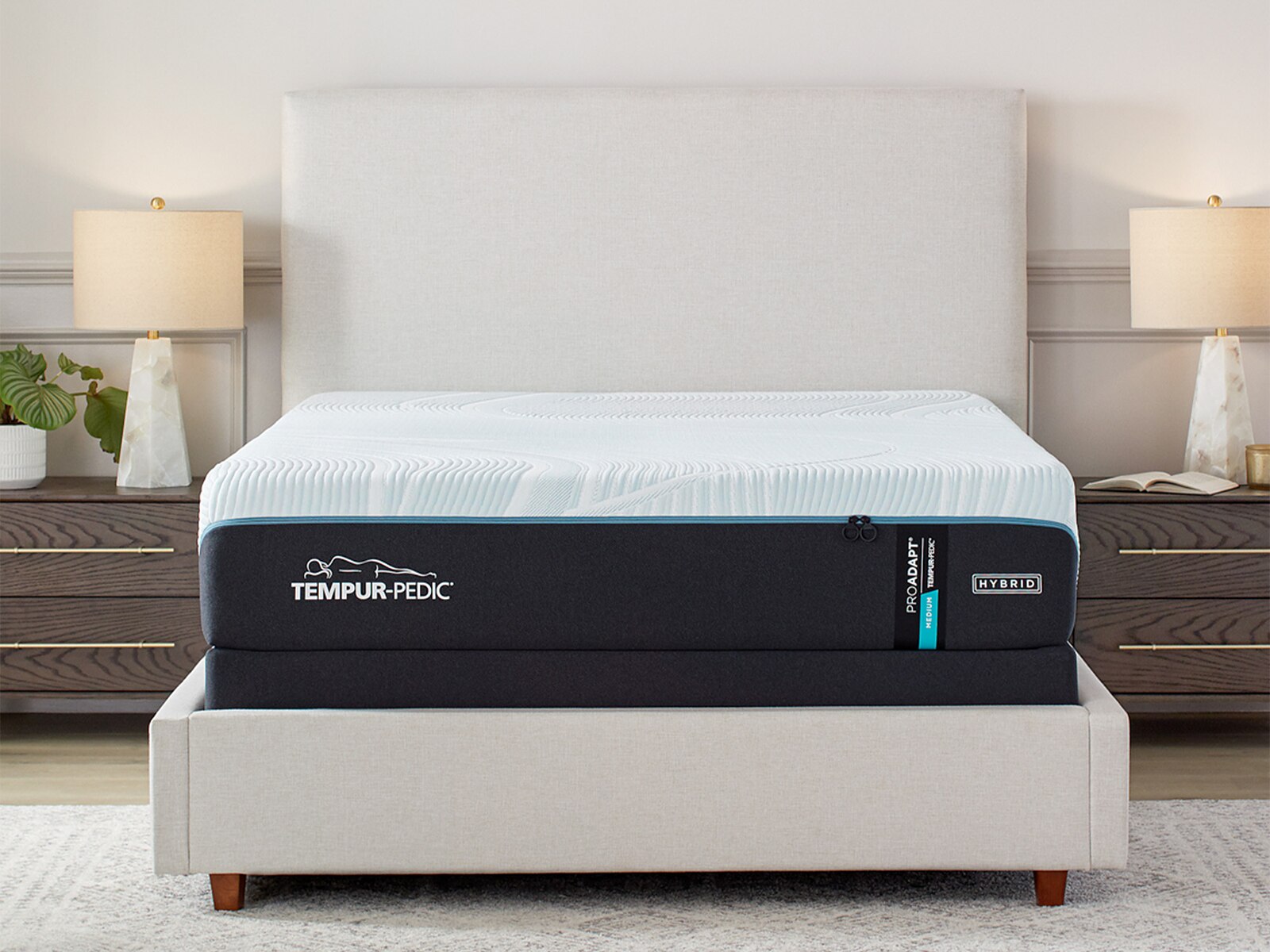
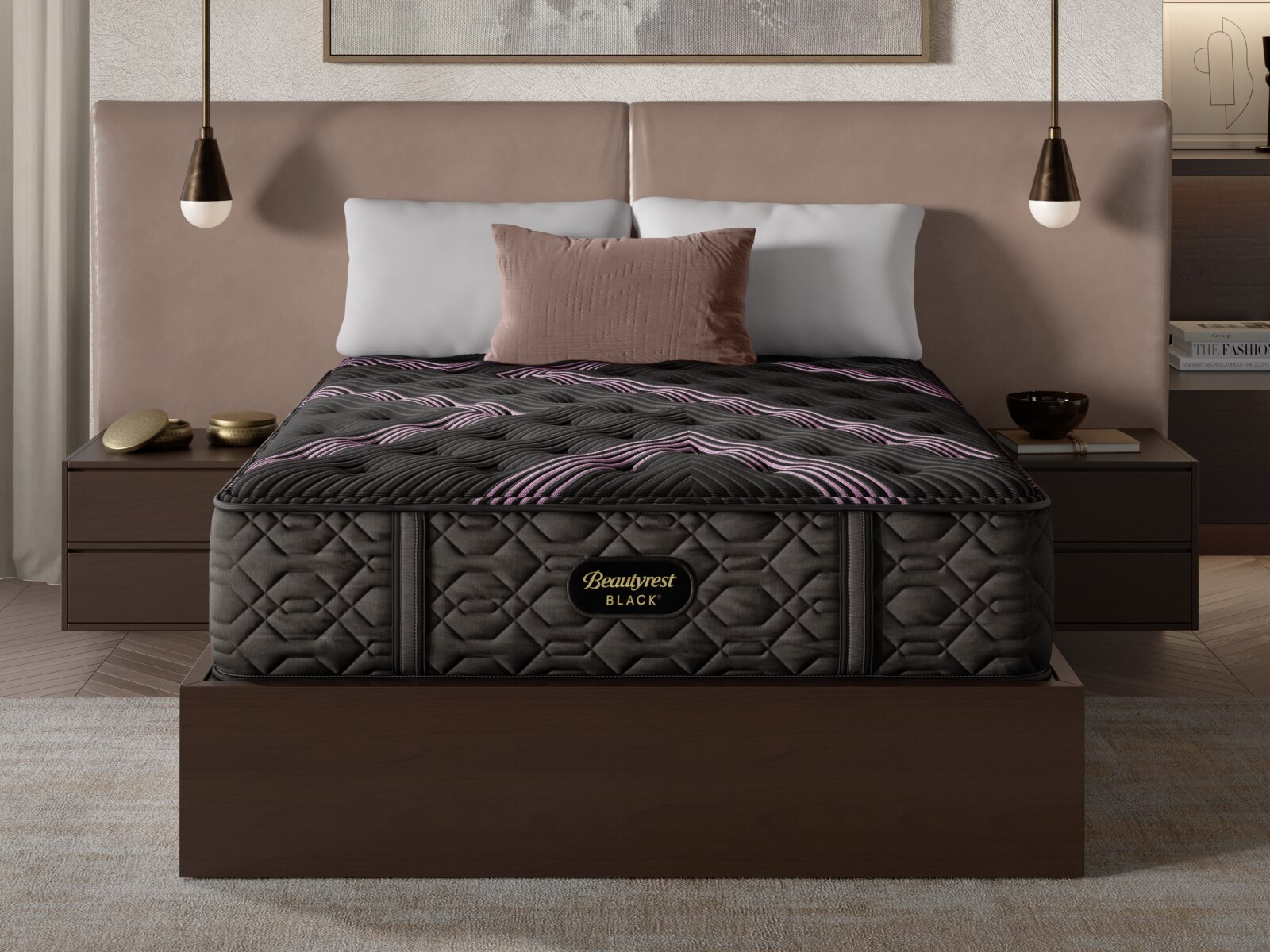
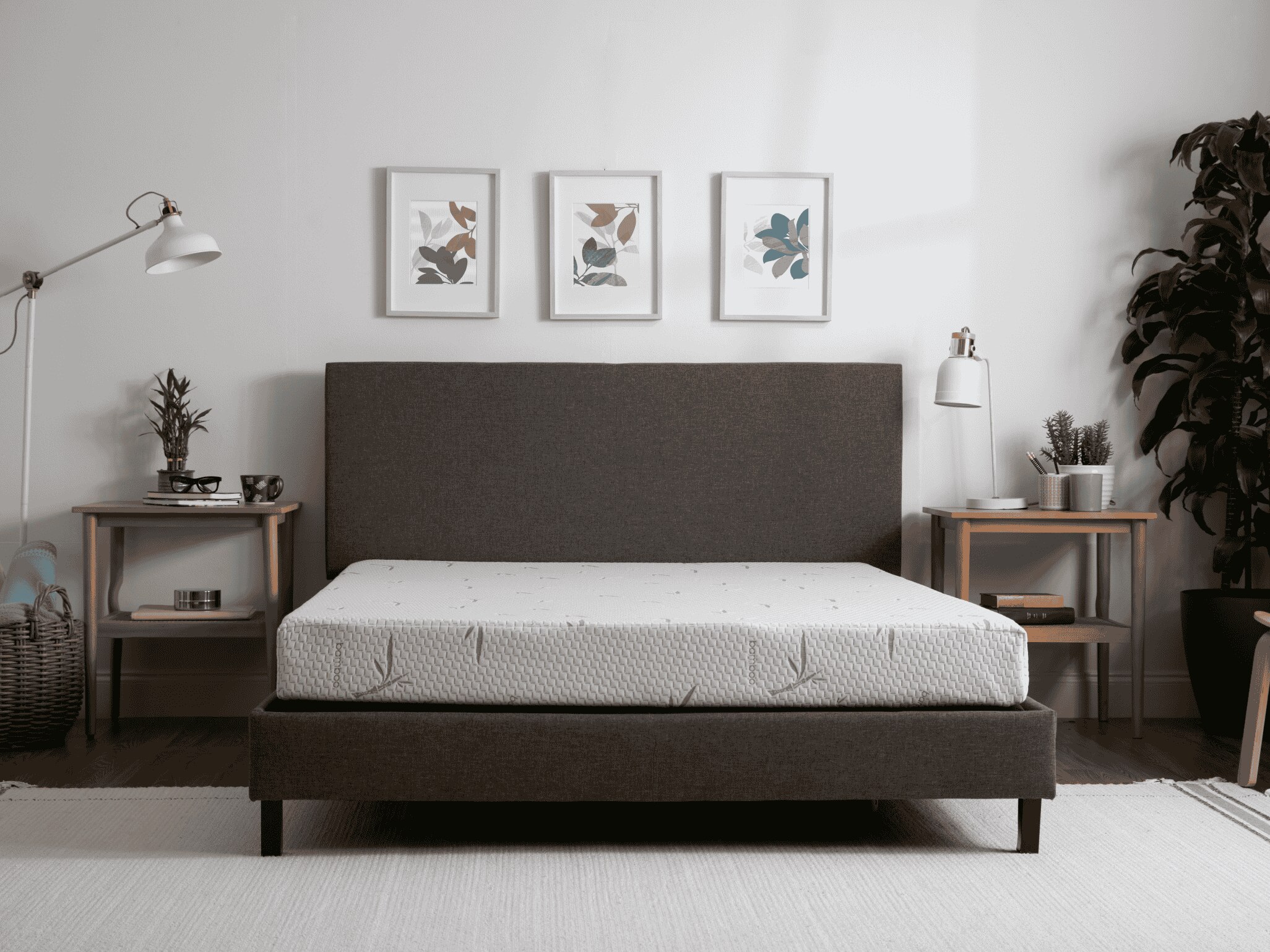
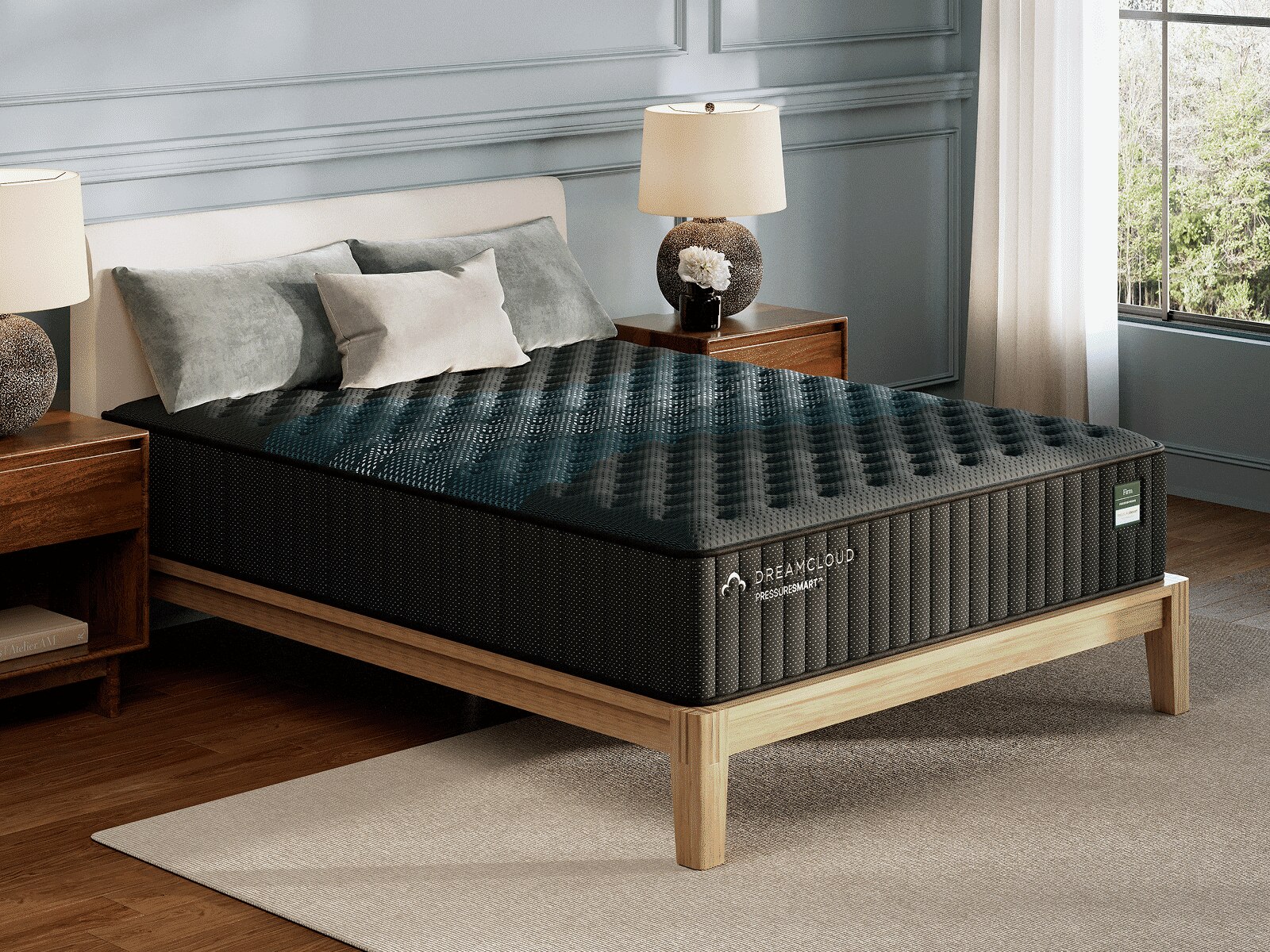
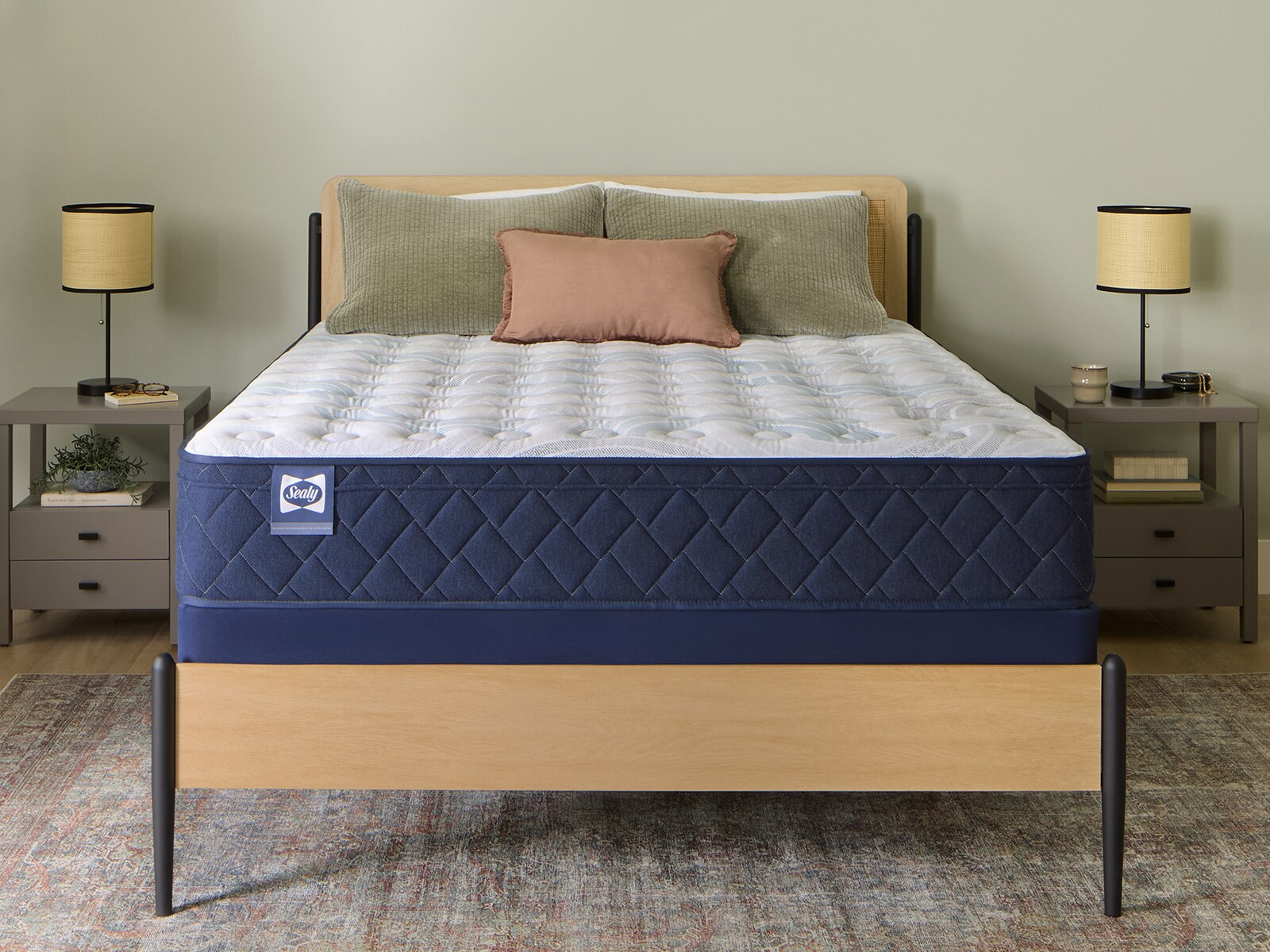
Mattresses with individualized comfort are designed to accommodate personal preferences for firmness, cushioning and support rather than treating every sleeper’s needs as the same. That individual fit can take several forms: materials that contour to the body, targeted support zones, separate firmness choices for each side or adjustable components that let a sleeper change the feel. These features are not interchangeable. A contouring mattress responds to body weight and movement, while a mattress with adjustable firmness allows its feel to be changed through a mechanism designed for that purpose. Zoned construction places different levels of support beneath areas such as the shoulders, midsection and hips; those zones may be fixed rather than adjustable. Where independently controlled air chambers are part of the construction, each sleeper may be able to adjust the firmness on their own side. Understanding these distinctions helps set expectations, especially when two people share a bed. One partner might prefer a gently cushioned surface for side sleeping, while the other feels more settled on a firmer surface when lying on their back. A split king arrangement uses two separate mattresses placed side by side, giving each person room to choose a different feel without requiring both sides to match. The center seam and bedding setup are worth considering, particularly for couples who tend to sleep close together. Side-specific firmness within a single mattress is another approach, but that capability should be confirmed in the construction details rather than assumed. An adjustable base serves a different purpose: it changes the position of a compatible mattress, such as raising the head or feet, and does not necessarily change mattress firmness. For someone who reads in bed, shares a sleep space or shifts between positions, individualized comfort is most useful when its features address those everyday habits rather than simply adding more settings.
The materials inside a mattress shape how that comfort feels from the first few moments of lying down through a full night of movement. Memory foam typically contours gradually, cushioning prominent areas such as the shoulders and hips. Latex generally has a more buoyant response, offering cushioning with a springier feel that can make changing positions easier. Other cushioning foams vary in responsiveness and depth of compression, so two mattresses described as medium can feel quite different. Hybrid construction combines comfort layers with a coil support system, bringing together surface cushioning and a more responsive underlying structure. Individually wrapped coils can respond locally to weight, although movement across the bed also depends on the comfort layers and overall design. For partners, motion isolation matters when one person turns over frequently or gets up before the other. Edge support deserves attention, too, especially for someone who sleeps near the perimeter or sits on the edge while getting dressed. Neither feature can be judged by firmness alone. A firm surface is not automatically more supportive, and a soft surface is not automatically less supportive; cushioning describes how the upper layers feel, while support concerns how the mattress carries the body. Side sleepers often appreciate enough cushioning for the shoulder and hip to settle without feeling compressed against the surface. Back sleepers may prefer a balance that supports the waist while allowing the hips to rest comfortably. Stomach sleepers often benefit from a feel that limits excessive sinking through the midsection. Body weight, proportions and personal preference can change how each of these arrangements feels. When trying a mattress, spending several minutes in familiar sleep positions offers more useful information than pressing a hand into the surface. Notice whether turning feels natural, whether the shoulders feel crowded and whether the lower back feels comfortably supported. A pillow with a suitable height can also influence the impression, since neck position affects how comfortable the whole sleep setup feels.
Choosing mattresses with individualized comfort also means considering how they will fit into daily life and how their materials will hold up with regular use. Mattress height affects the reach needed to get into bed, the fit of fitted sheets and the overall height once a foundation or base is included. A deeply cushioned mattress can feel different beneath a tightly stretched protector, so bedding should fit without pulling the surface taut or interfering with any intended movement. For a shared bed, enough width to change positions comfortably can matter as much as the firmness choice. Individualized comfort may also suit someone furnishing a primary bedroom, adapting a sleep setup after a change in routine or replacing a mattress that no longer feels supportive. Durability depends on the quality and construction of the comfort layers, support core and edges, as well as the foundation beneath them; firmness or thickness alone does not establish how long a mattress will retain its feel. Follow the manufacturer’s requirements for base compatibility and center support, especially with larger sizes. Rotate the mattress only as directed, and do not flip it unless it is designed for use on both sides. A properly fitted protector helps shield the surface from everyday spills and moisture, while cleaning should follow the care label to avoid saturating internal materials. If a design includes adjustable components, follow its operating and maintenance directions rather than treating it like a conventional mattress. Whether comparing mattresses with individualized comfort or exploring
Mattresses For Affordable Comfort, useful distinctions include pressure relief, ease of movement, stable support and compatibility with existing bedding. The most meaningful fit is one that feels comfortable in familiar sleeping positions, accommodates anyone sharing the bed and remains practical to care for over time.