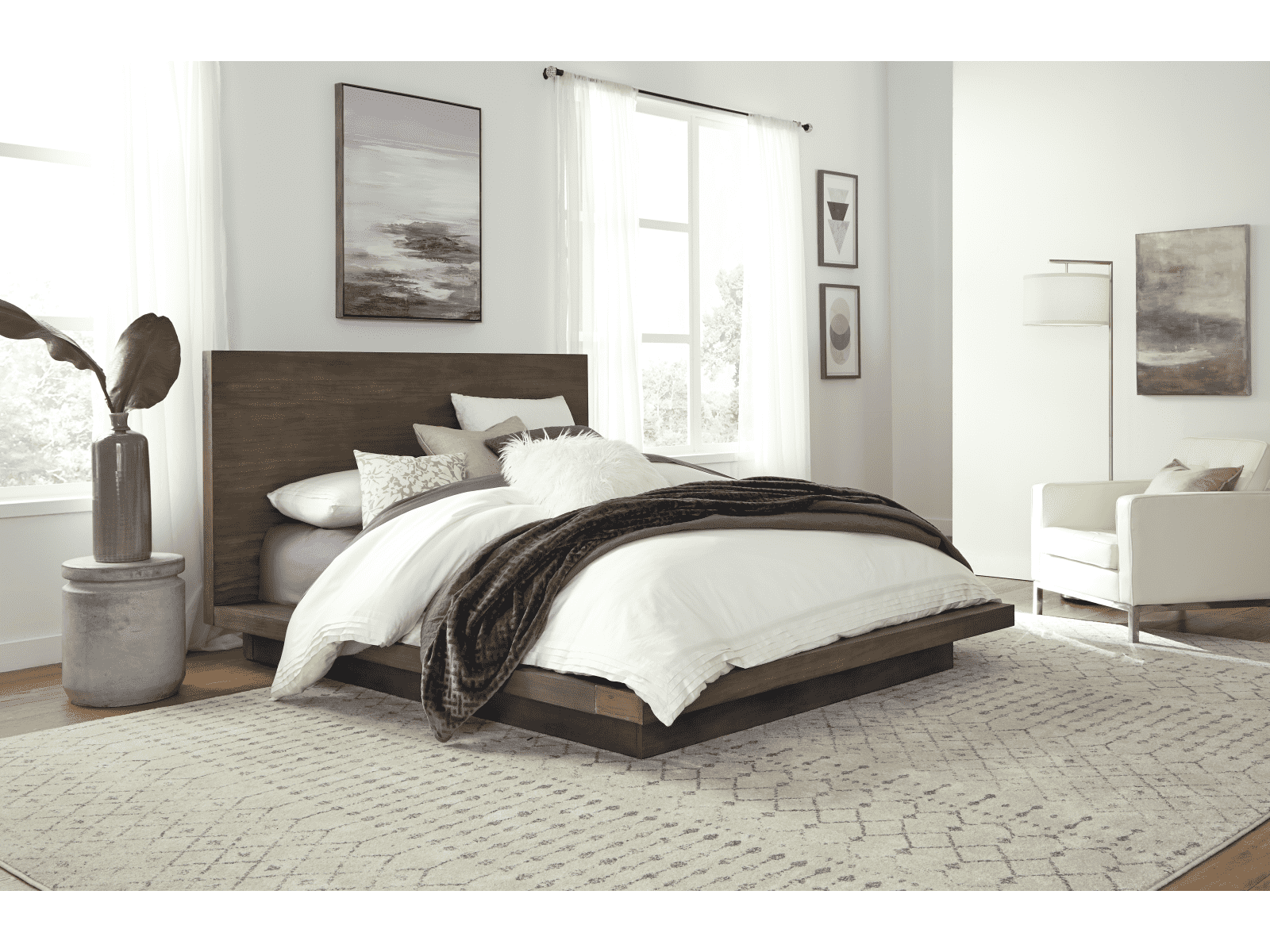
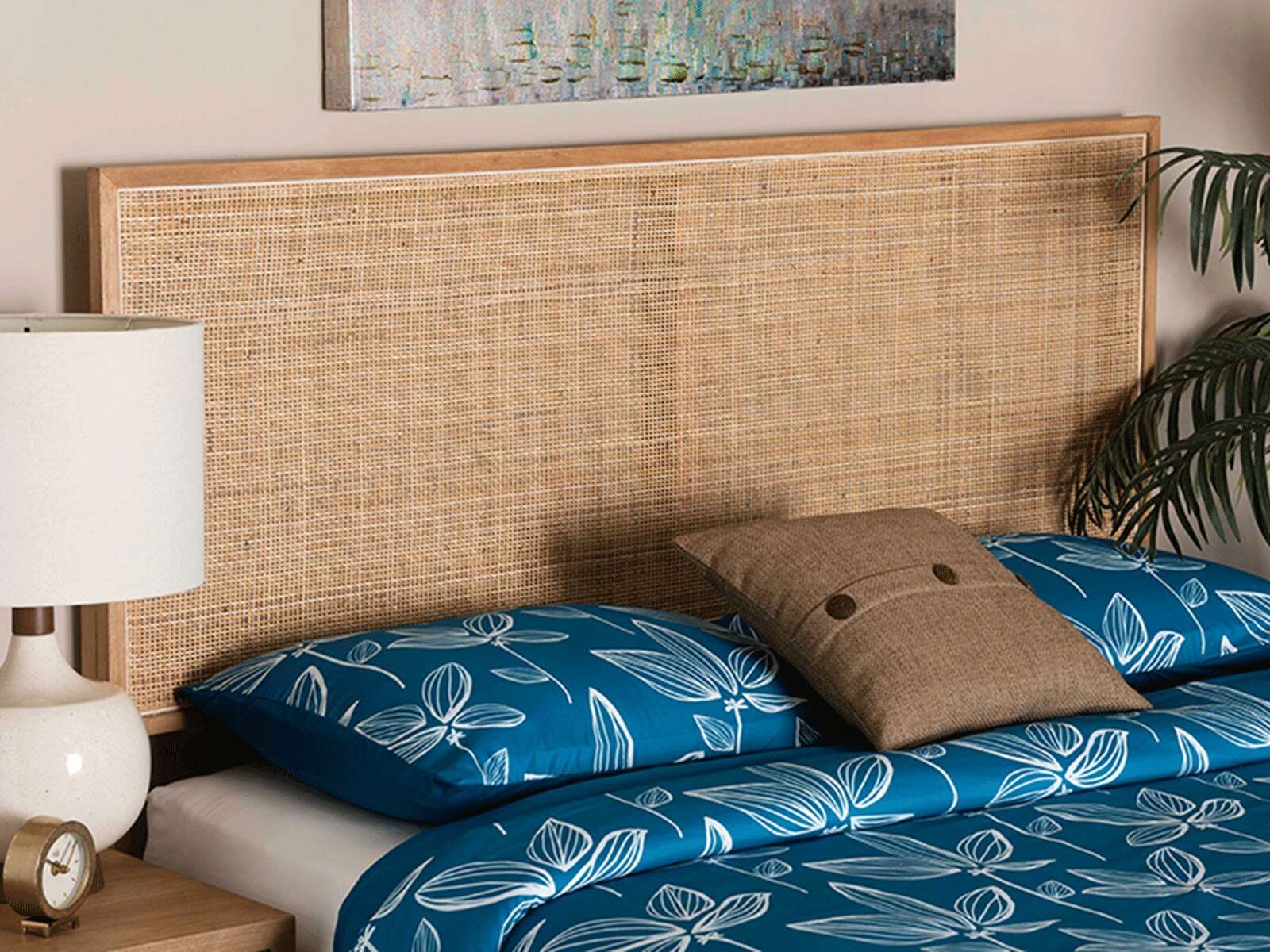
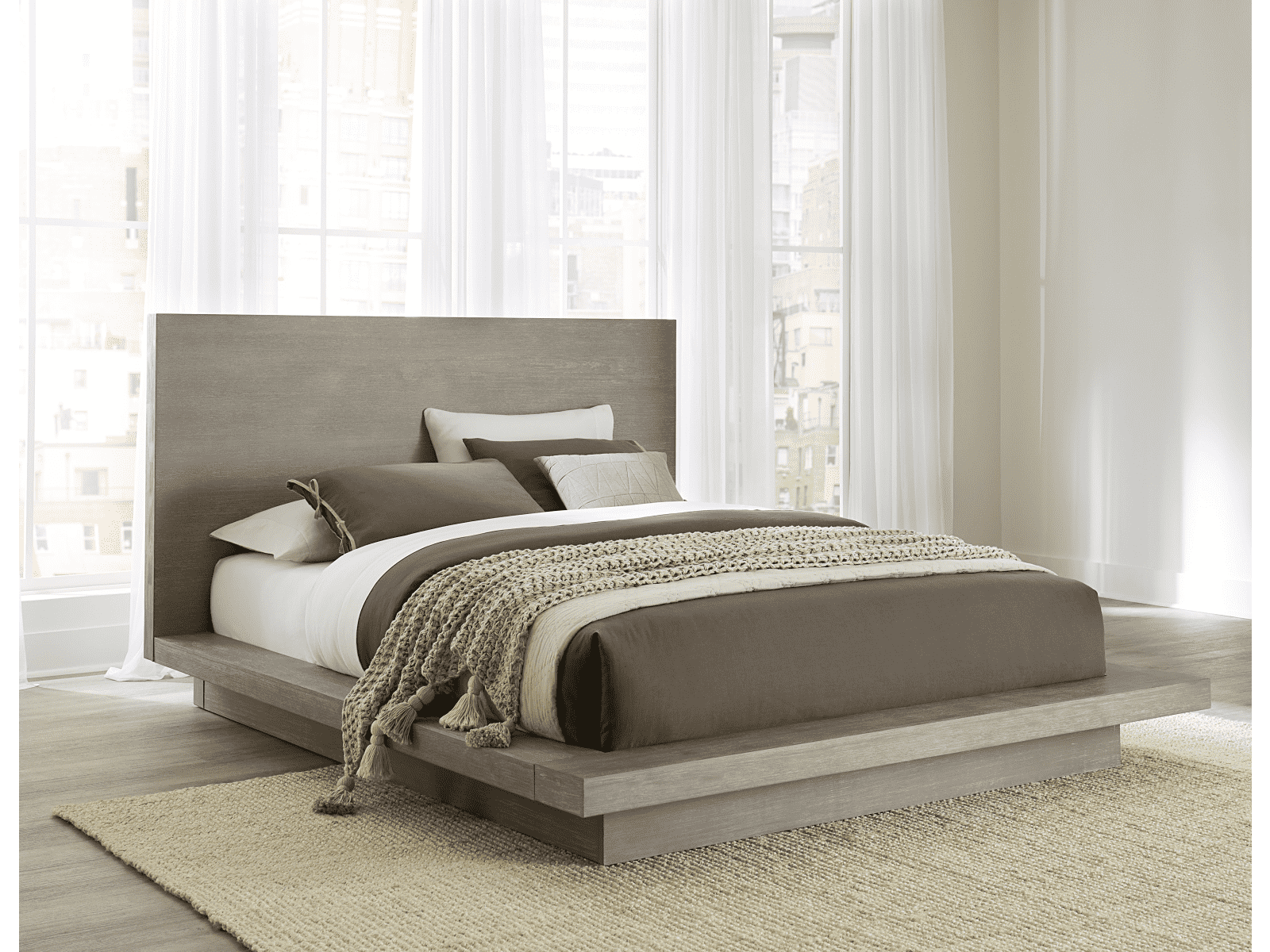
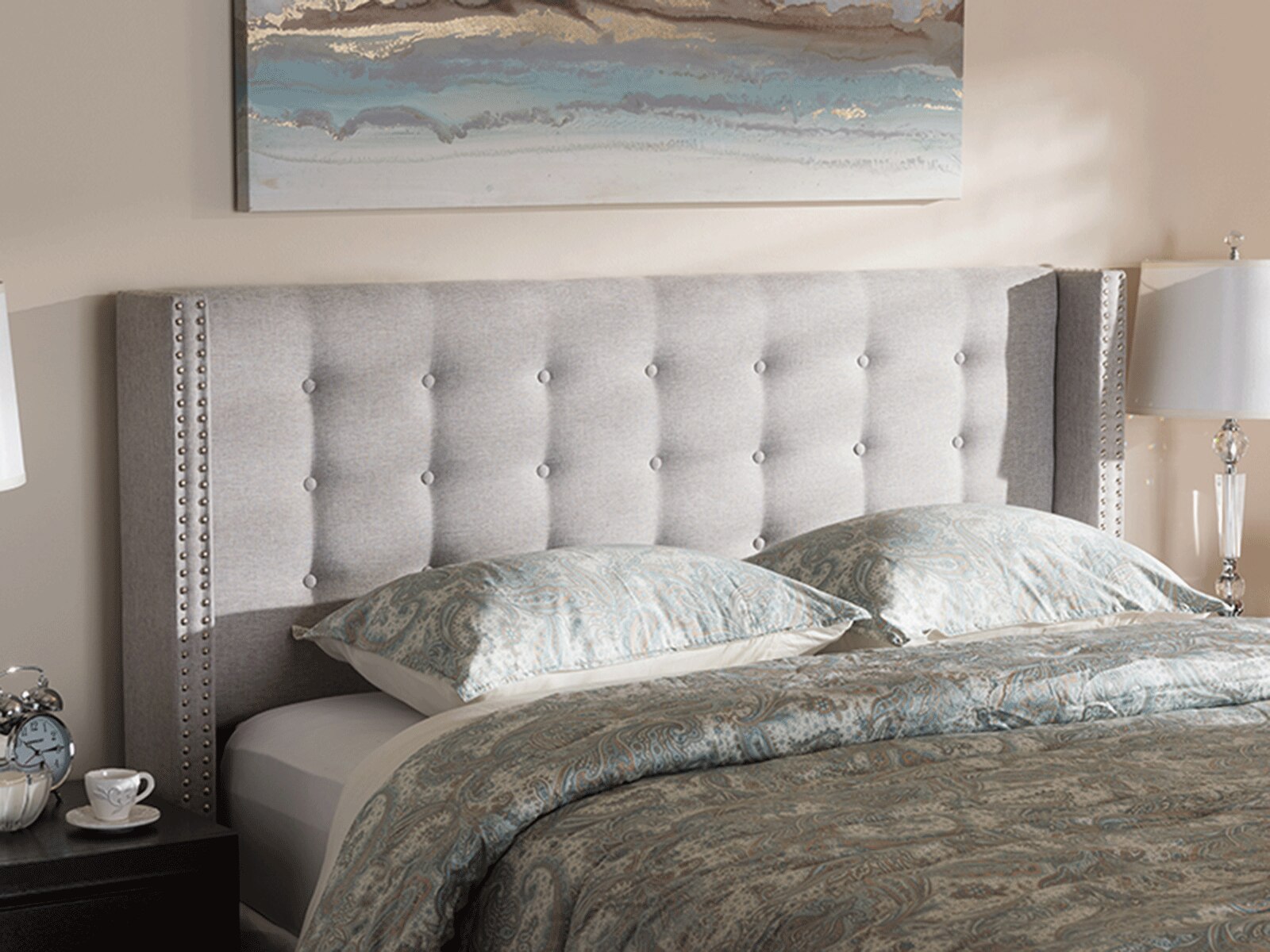
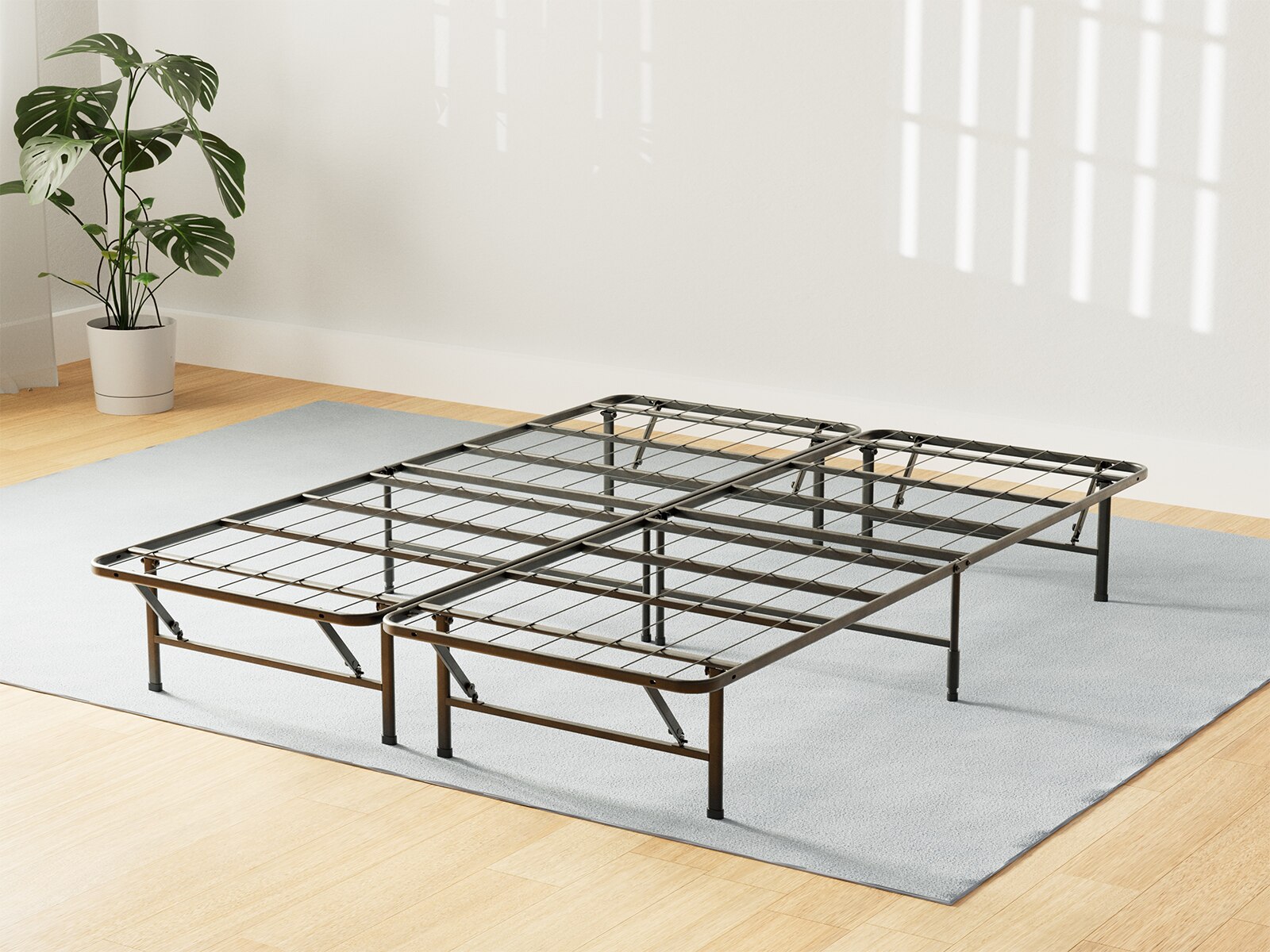
Modern bedroom furniture pairs clean lines with practical storage and balanced proportions, creating a restful space without making the room feel bare. The look often centers on streamlined bed frames, simple nightstands and dressers with uncluttered fronts, brought together by a few complementary materials. Natural wood grain, soft upholstery and understated metal details can give minimalist shapes a welcoming feel. Modern bedroom furniture ideas work best when appearance supports everyday routines: a bedside surface has room for a reading lamp and a glass of water, drawers keep clothing within reach and the bed leaves enough space to move comfortably around the room. A coordinated bedroom does not require every finish to match. A wood bed frame can sit comfortably beside painted storage furniture when their shapes, scale or hardware share a common detail. Similarly, an upholstered headboard can soften the appearance of a room with several straight-edged pieces without introducing visual clutter. Low-profile furniture often emphasizes open wall space, while taller headboards and vertical storage can bring balance to rooms with higher ceilings. Proportion matters more than simply choosing the smallest silhouette. A very narrow nightstand beside a substantial bed may feel disconnected, while a deep dresser can overwhelm a short wall even if its styling is simple. Visible floor space, restrained hardware and furniture raised on legs can make a compact room appear less crowded, though enclosed bases offer a more grounded look. Color also contributes to the overall effect. Light wood and pale upholstery create a different mood from dark wood and black metal, but either combination can feel modern when the lines remain clear and the finishes feel intentional. The result is a bedroom with enough character to feel personal and enough simplicity to make daily use easy.
Materials and construction influence how modern bedroom furniture looks, feels and holds up over time. Solid wood brings distinctive grain and can develop character with use, although its care requirements depend on the finish. Wood veneer offers a real wood surface over a supporting core and can create a consistent appearance across larger drawer fronts or headboards. Engineered wood construction varies, making the quality of the surface finish, edge treatment, joints and hardware important considerations. Metal frames introduce slender profiles and crisp outlines, with stability depending on sound connections and proper assembly rather than appearance alone. Upholstered beds and headboards add texture and a cushioned surface for sitting up with a book, though fabric choice deserves attention in homes with pets or frequent everyday use. Tightly woven fabric may be easier to maintain than a loose, textured weave, while light-colored upholstery can show marks more readily. Cleaning instructions should always match the material; a method suitable for one fabric or finish may damage another. Routine care generally means removing dust with a soft cloth, blotting spills promptly and avoiding excessive moisture on wood surfaces. Upholstery may need gentle vacuuming with an appropriate attachment, while metal hardware benefits from occasional checks for loose connections. Drawer performance matters just as much as exterior styling. Smooth movement, sturdy drawer bottoms and easy-to-grasp pulls make storage more useful when getting dressed or putting away laundry. Deep drawers accommodate bulkier clothing, while shallower compartments can keep smaller belongings from disappearing beneath larger stacks. Furniture intended for frequent use benefits from durable contact points, stable legs and finishes suited to regular handling. Rounded corners may also be a practical preference along narrow walking paths. For dressers and other furniture that could tip, following the manufacturer’s anchoring instructions is an essential part of setup. These less visible details help distinguish furniture that simply looks appealing from furniture that remains comfortable to live with.
Fit begins with the relationship between the furniture, the mattress and the room itself. A bed frame should match the mattress size and provide the support required by the mattress manufacturer, including any specified center support or slat spacing. Platform construction does not automatically mean that every mattress can be placed directly on the frame, and an adjustable base may require a compatible surrounding frame with sufficient clearance. The combined height of the frame, foundation if needed and mattress also affects daily comfort. A low silhouette can look streamlined but may not suit someone who prefers a higher sitting surface when getting into or out of bed. Nightstands feel more convenient when their tops are reasonably close to mattress height, keeping a lamp, phone or book within comfortable reach. Room measurements need to account for movement, not just the furniture’s footprint. Drawers must open, doors must swing freely and bedside pathways should remain usable when storage is in use. Underbed drawers can be valuable in a compact bedroom, but they need clear floor space beside the frame. Lift-up storage offers a different arrangement, with access and lifting requirements that should suit the person using it. In a shared bedroom, storage on both sides of the bed can support separate routines, while a guest room may benefit from a clear surface for personal belongings and a drawer left empty for visitors. Delivery access matters, too: stairways, hallway turns and bedroom doorways can affect whether assembled furniture will fit. Related combinations of silhouettes, finishes and storage options appear in
Ideas For Modern Bedrooms, offering additional context for a cohesive space. The most useful modern bedroom furniture balances its visual presence with these everyday details, leaving room for restful sleep, easy movement and the belongings that make a bedroom feel like home.