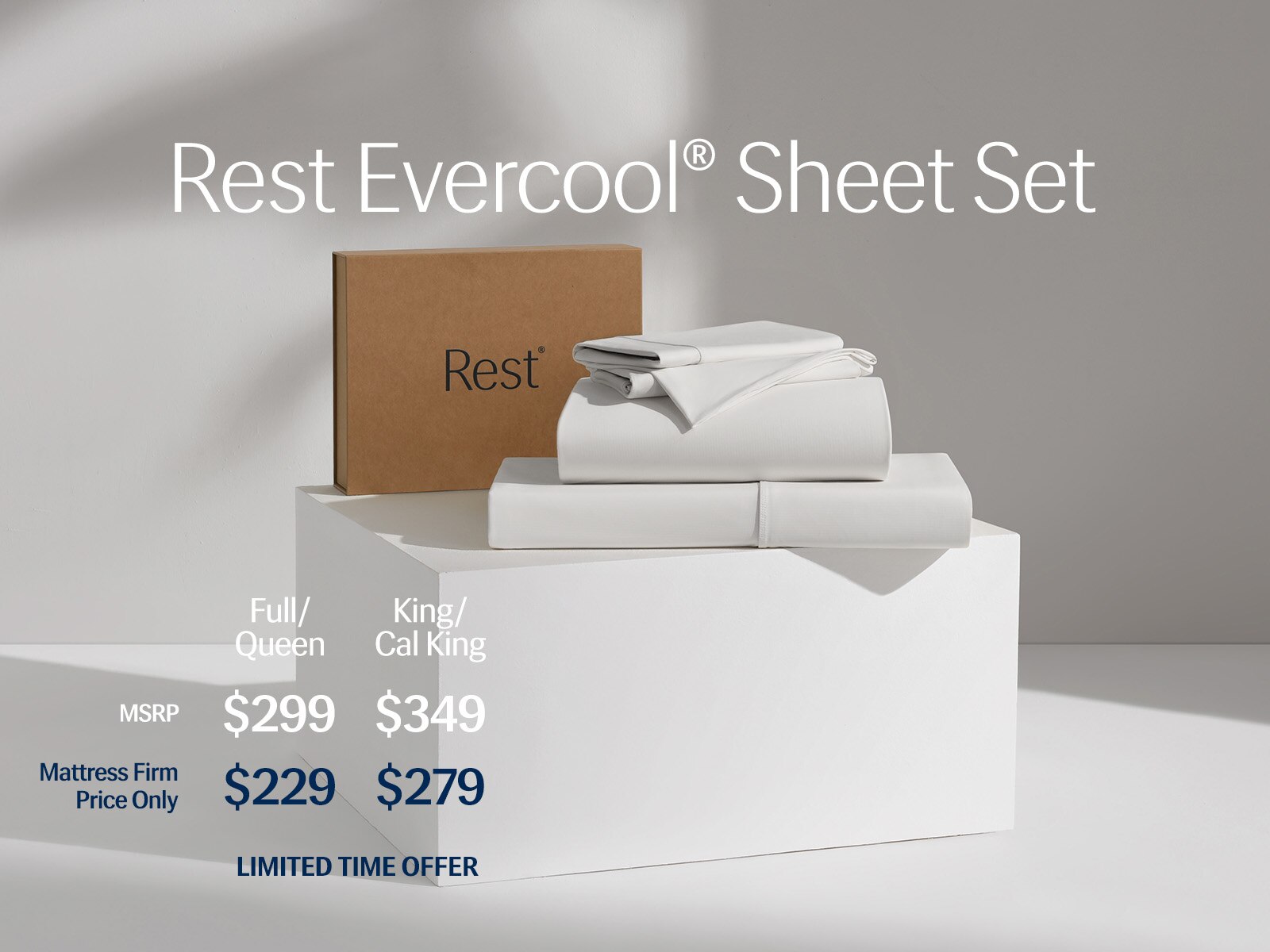
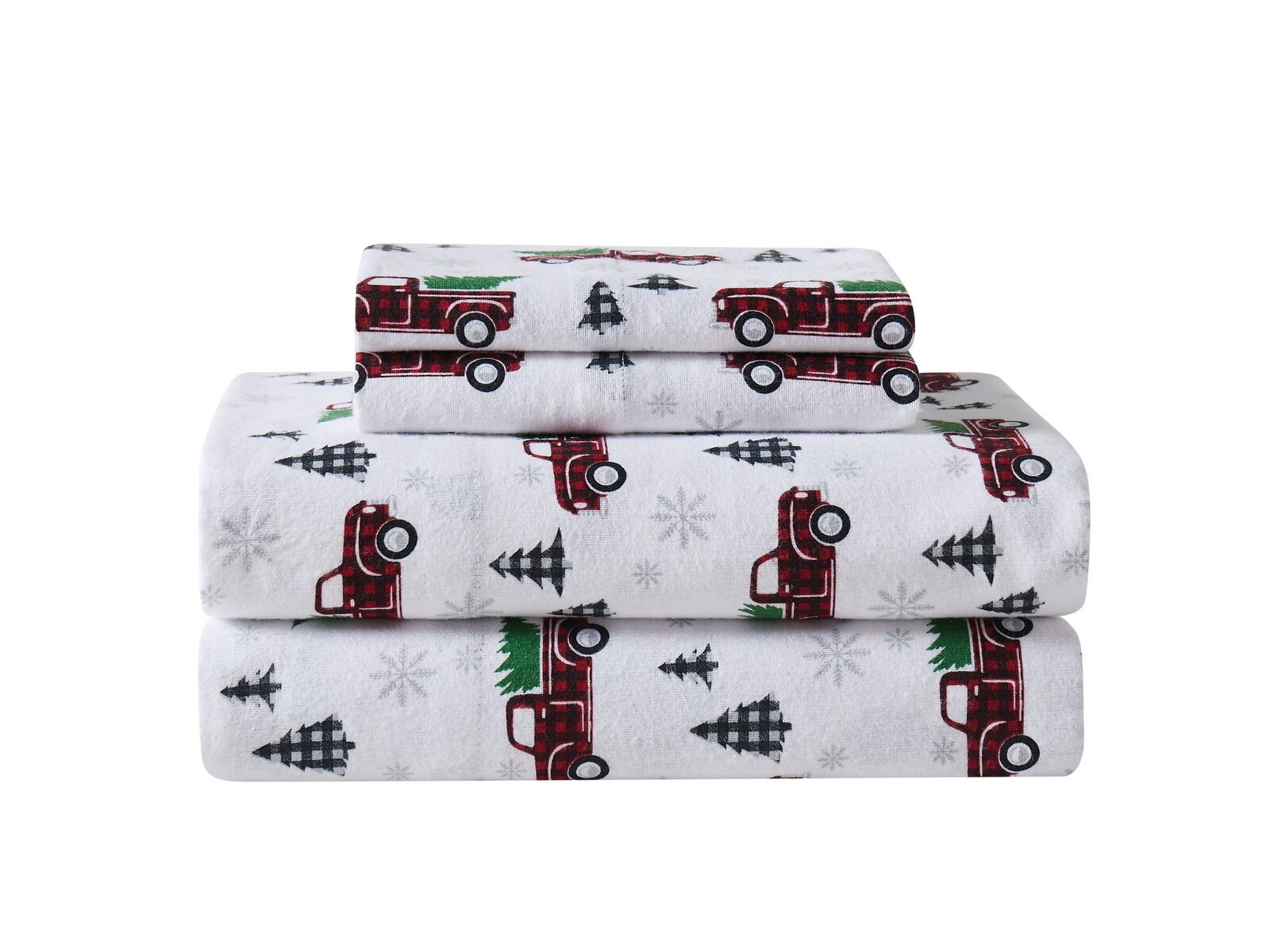
Modern king size sheet sets bring a clean, coordinated look to a larger bed through simple colors, understated patterns and fabrics chosen for their feel against the skin. The modern look can be crisp and tailored or soft and relaxed; it does not have to mean an all-white bed with perfectly pressed edges. A fine stripe, a subtle woven texture or a solid shade with a quiet sheen can complement a low-profile bed frame without competing with the rest of the room. White and ivory create a fresh foundation, while charcoal, navy and muted earth tones give bedding more depth. Beyond appearance, the right proportions help sheets lie smoothly and stay comfortable through everyday use. A standard king mattress measures approximately 76 inches wide by 80 inches long, while a California King measures approximately 72 inches wide by 84 inches long. Those shapes call for different fitted sheets, so the size name matters even when both beds look similarly spacious. Mattress height matters just as much: measure from the bottom of the mattress to the top of the sleep surface, including any topper that will sit beneath the fitted sheet. Pocket depth should accommodate that full measurement within the sheet manufacturer’s stated fit range. A pocket that is too shallow can pull away at the corners, while excess fabric may gather beneath the sleeper. Elastic around the fitted sheet’s perimeter can help it stay in place, though construction varies. Set contents also deserve attention. Many sheet sets include a fitted sheet, a flat sheet and pillowcases, but configurations differ, especially for split king beds with two Twin XL mattresses. For adjustable beds, sheets should fit securely while allowing the mattress to move as intended. Matching the set to the actual bed creates a neater finish and helps prevent the nightly frustration of tugging a loose corner back into place.
Fabric and weave shape much of the experience of modern king size sheet sets, from the first touch to the way they look after repeated washing. Cotton is a familiar choice for its breathable feel and ability to absorb moisture, but cotton sheets can feel quite different depending on their construction. Percale has a plain weave that usually feels crisp and looks matte, making it a natural match for a bed with clean lines and minimal embellishment. Sateen uses a different weave structure to create a smoother surface, a softer drape and a subtle luster. Neither finish is automatically better; someone who likes a freshly pressed shirt may prefer percale, while someone drawn to fluid fabrics may appreciate sateen. For a closer look at this material category,
King Size Cotton Sheet Sets brings the focus to cotton bedding in a king size. Linen offers a more textured appearance, with natural variations and wrinkles that suit a relaxed contemporary room. Lyocell can have a smooth hand and flowing drape, while microfiber often feels soft and may resist wrinkling, depending on its construction. Blends combine fibers to balance characteristics such as softness, care requirements and shape retention. Material names alone do not tell the whole story, and a higher thread count is not a guarantee of greater comfort or longer wear. Fiber quality, yarn construction, weave and finishing all contribute to how a sheet feels and performs. A denser fabric may have more weight, while a lighter construction may feel less substantial and drape more loosely. Texture is especially personal for sleepers who notice seams, surface fuzz or fabric brushing against their feet. Looking at material and weave together gives a clearer sense of whether a set will feel crisp, silky, textured or softly brushed, rather than relying on a single number or the appearance of a folded stack.
Everyday care is part of choosing sheets that will keep their look and feel, particularly on a king bed where each piece takes up substantial space in the washer. Follow the care label for washing, drying and any restrictions on bleach or fabric softener, since finishes and fiber blends can require different treatment. Giving sheets enough room to move helps detergent rinse out and reduces the tight twisting that can leave large pieces unevenly cleaned or dried. Avoiding excessive detergent and removing sheets promptly after drying can help limit residue and deep creases. Cotton and linen may wrinkle naturally, so a relaxed finish can be part of the look rather than a sign that the bedding needs replacing. If a smoother bed is the goal, spreading the sheets soon after drying and smoothing the hems by hand can make everyday upkeep more manageable. Durability also depends on details that are easy to overlook: even stitching, neatly finished seams and secure elastic help sheets withstand regular handling. Friction, frequent washing and contact with rough surfaces can contribute to wear or pilling, with results varying by fabric and construction. Rotating between sets gives each one a break from continuous use and makes laundry day easier. For a shared bed, a generous flat sheet can provide room for tucking without leaving one sleeper short of coverage, though exact dimensions vary. In a guest bedroom, straightforward care and a versatile solid color can simplify making the bed between visits. Sheet sets can also make a thoughtful housewarming or wedding gift when the recipient’s mattress size, depth and fabric preferences are known. A softly textured neutral may suit someone who likes an unstudied look, while a smooth solid can appeal to someone who prefers a more polished finish. The most useful choice brings together a comfortable surface, dependable fit and care requirements that work with the household’s routine, so the bed feels as inviting after an ordinary laundry day as it does when freshly made for company.