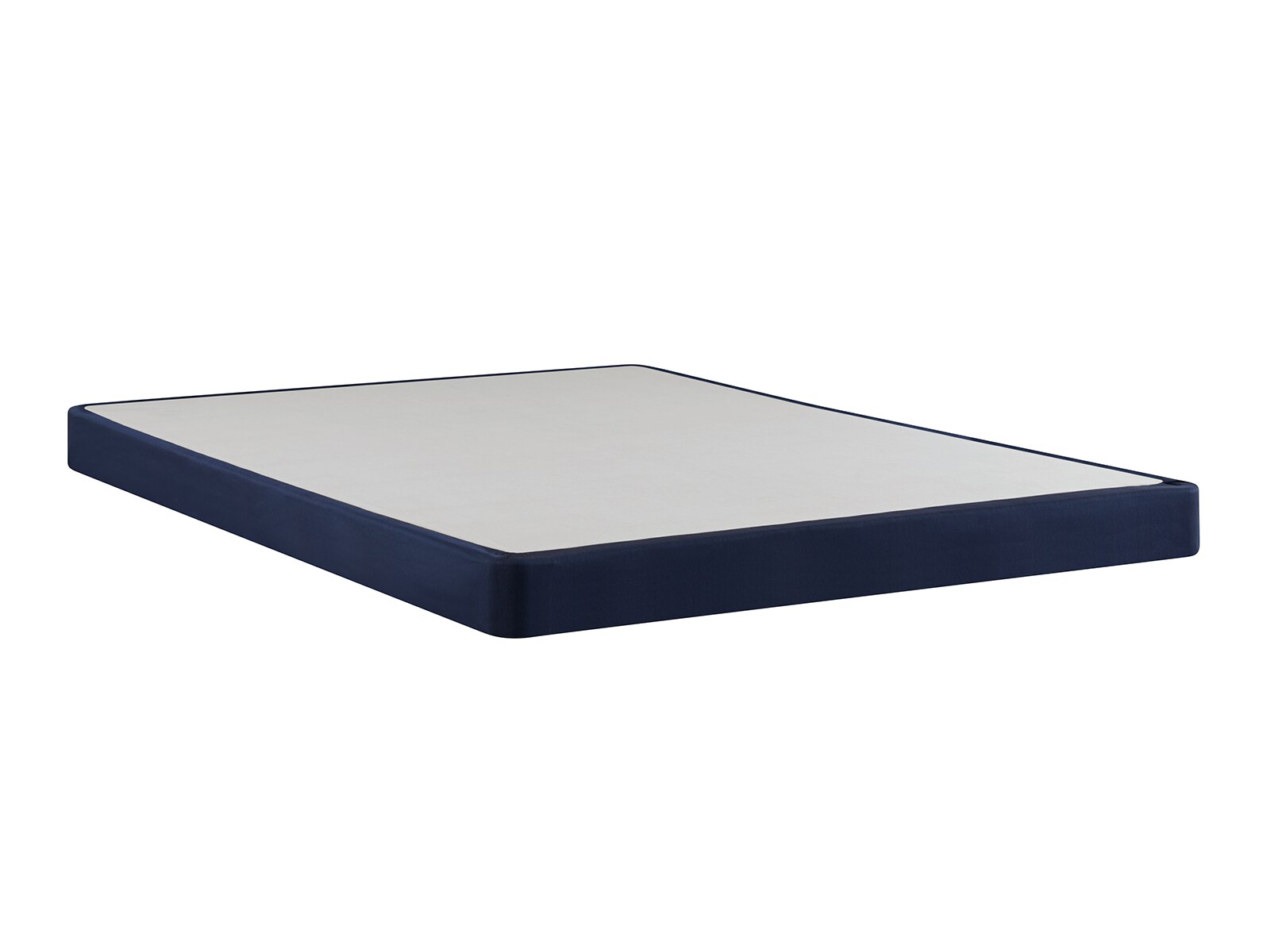
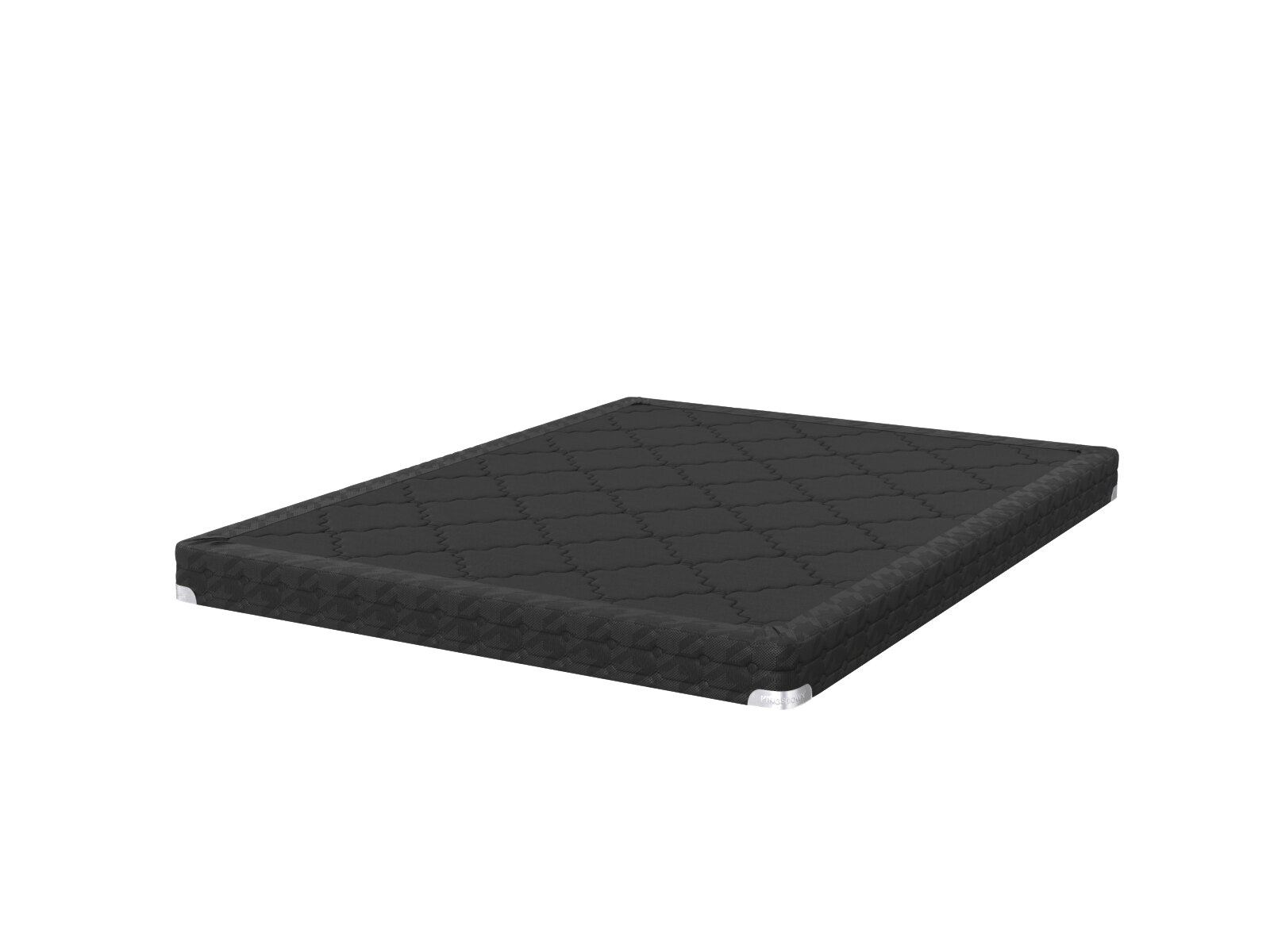
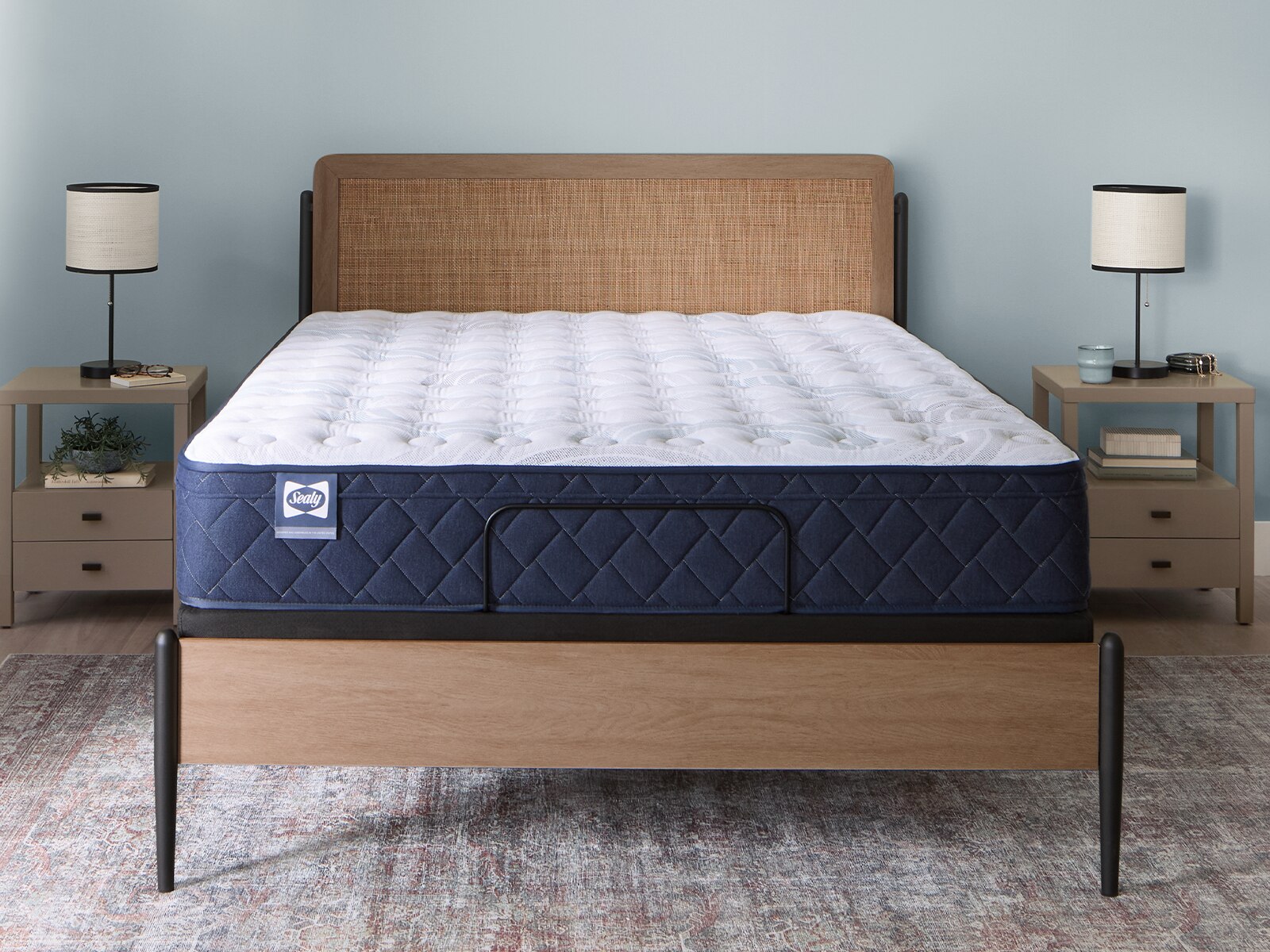
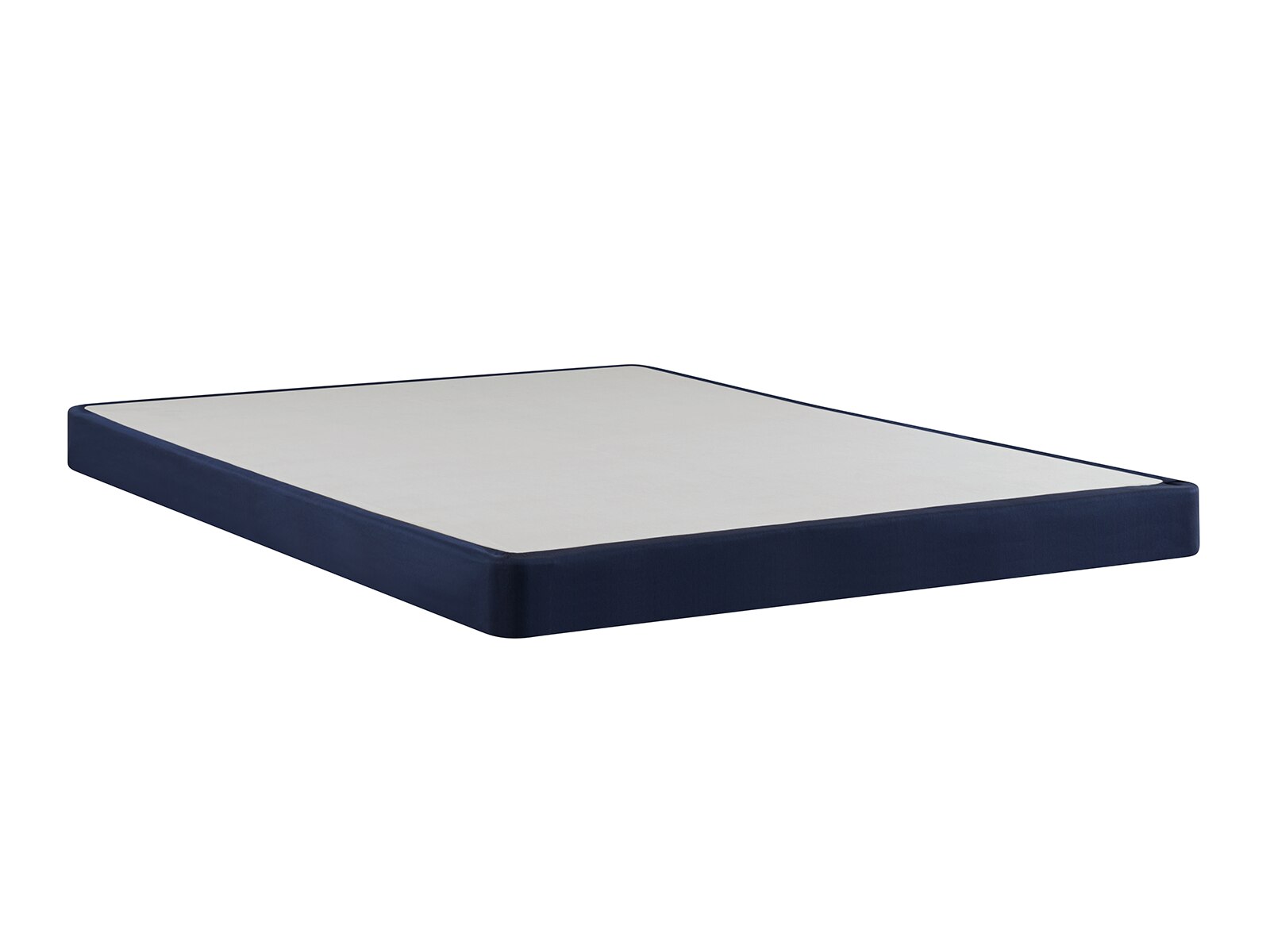
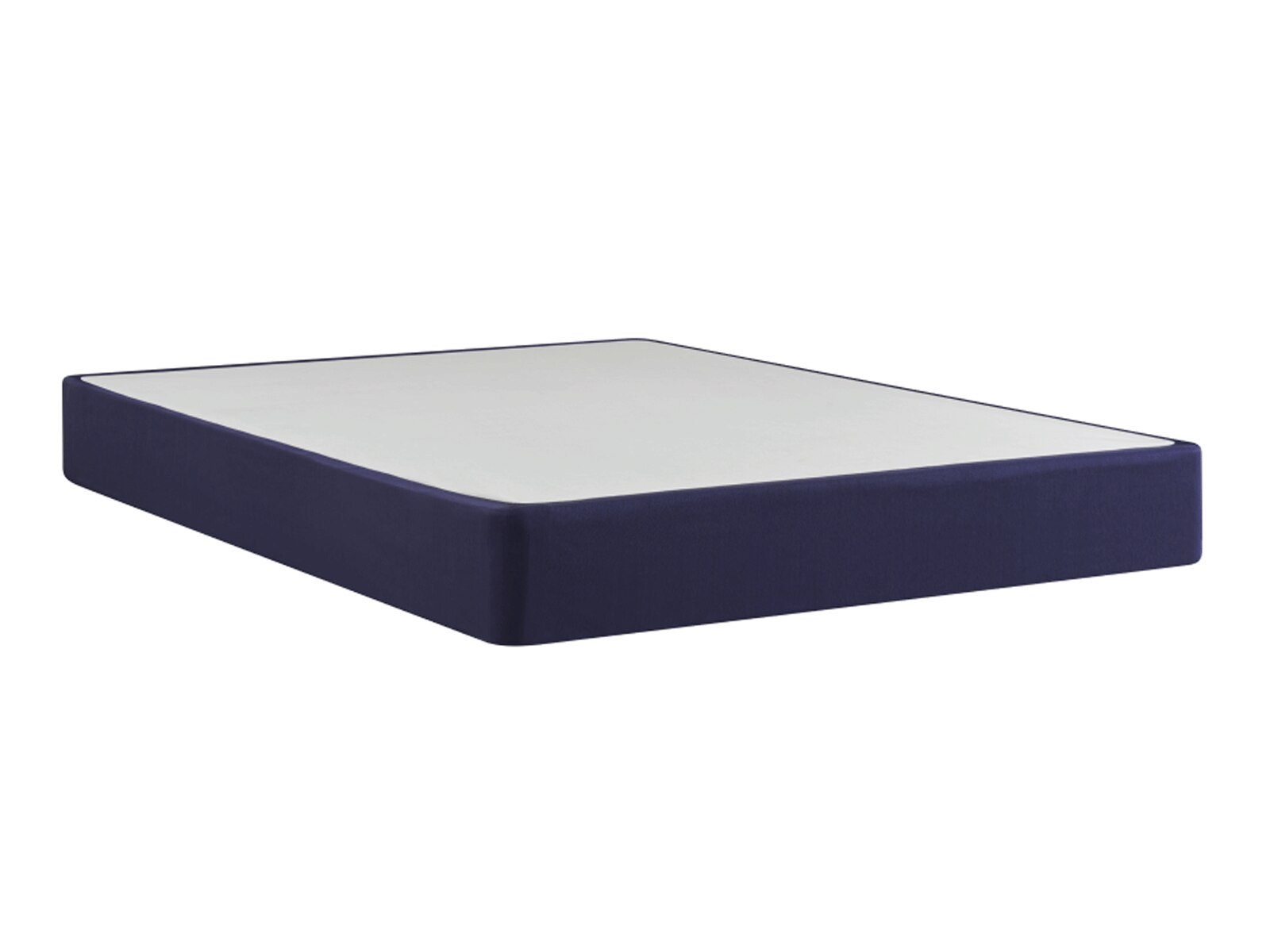
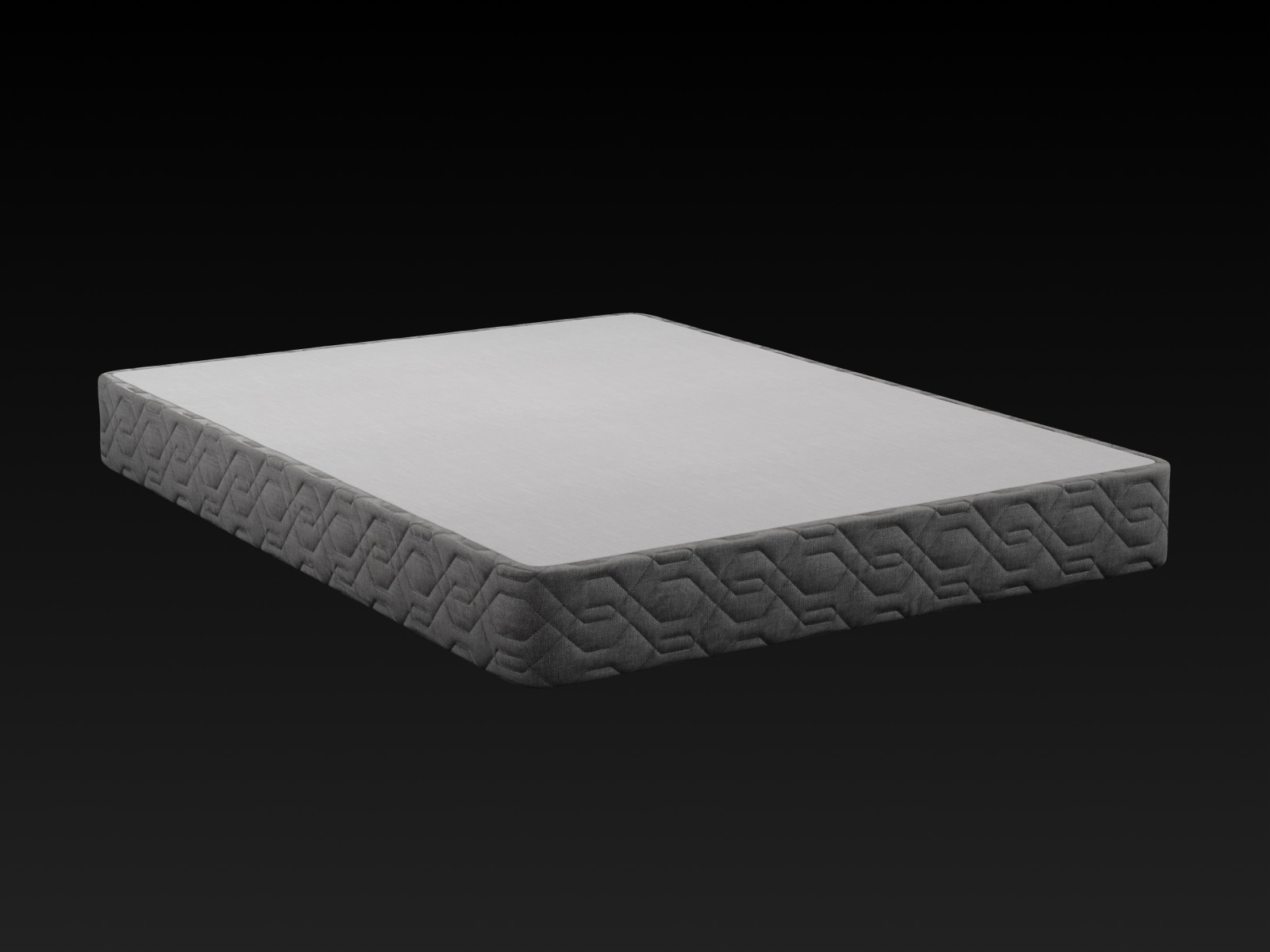
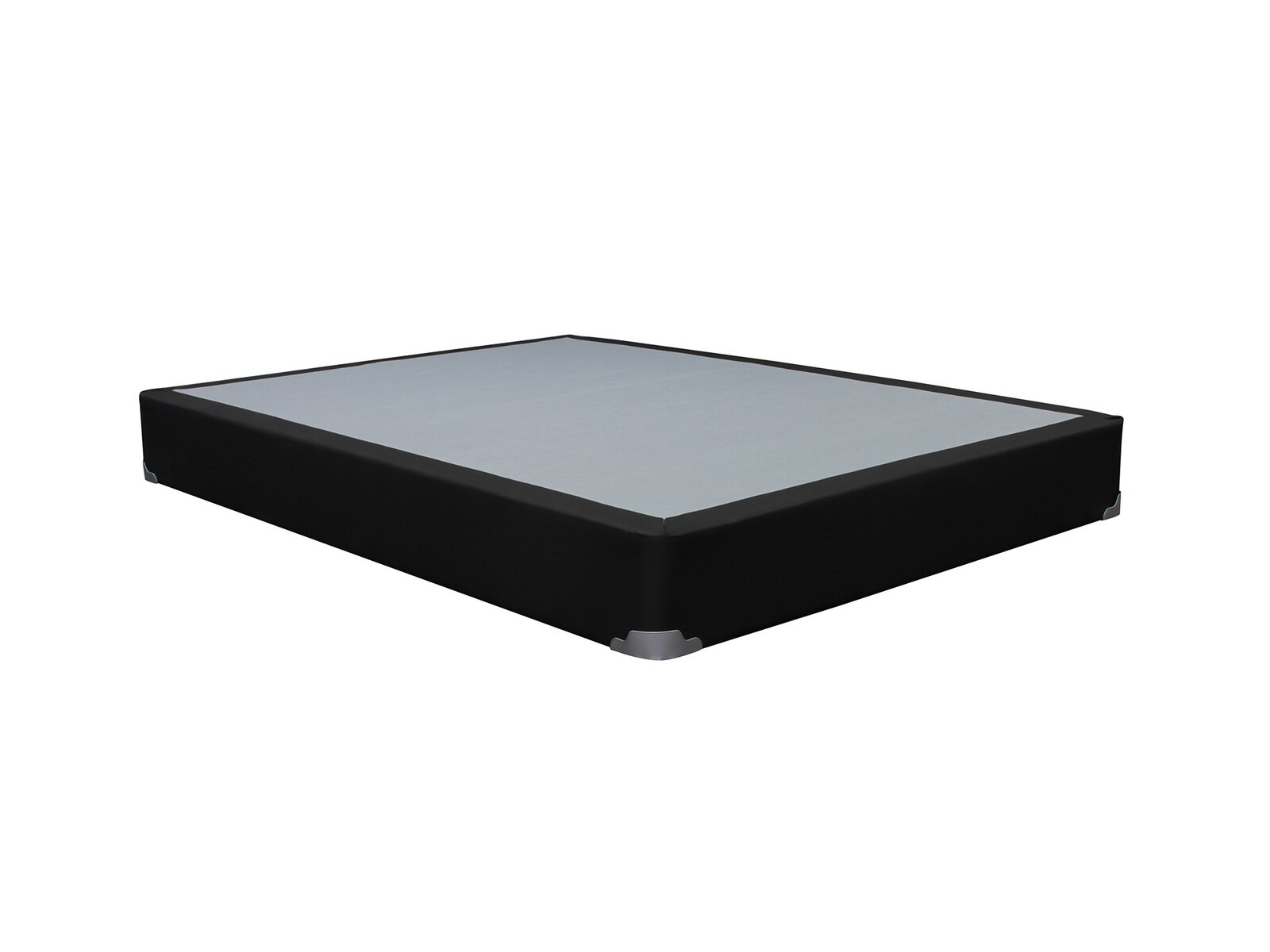
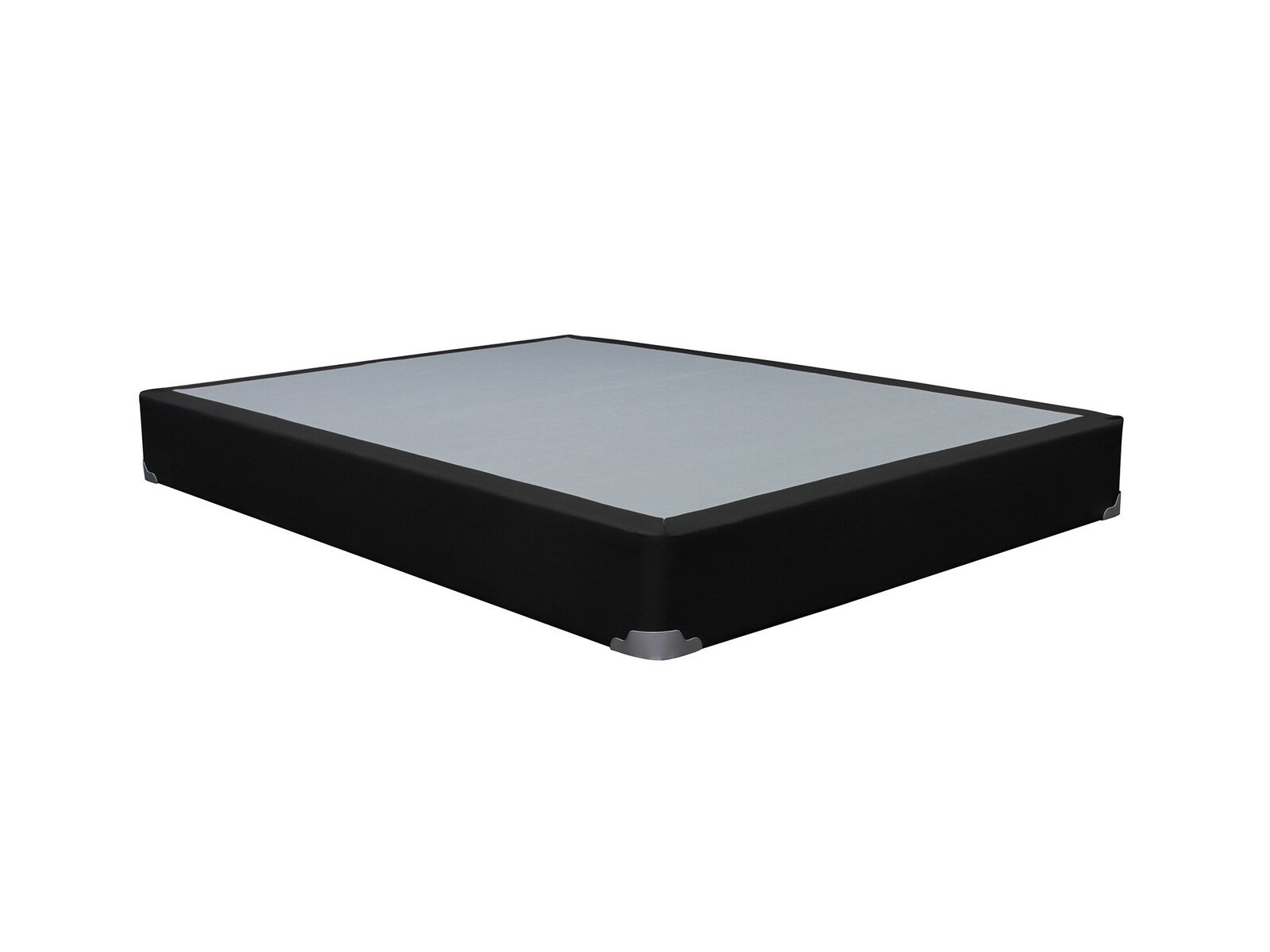
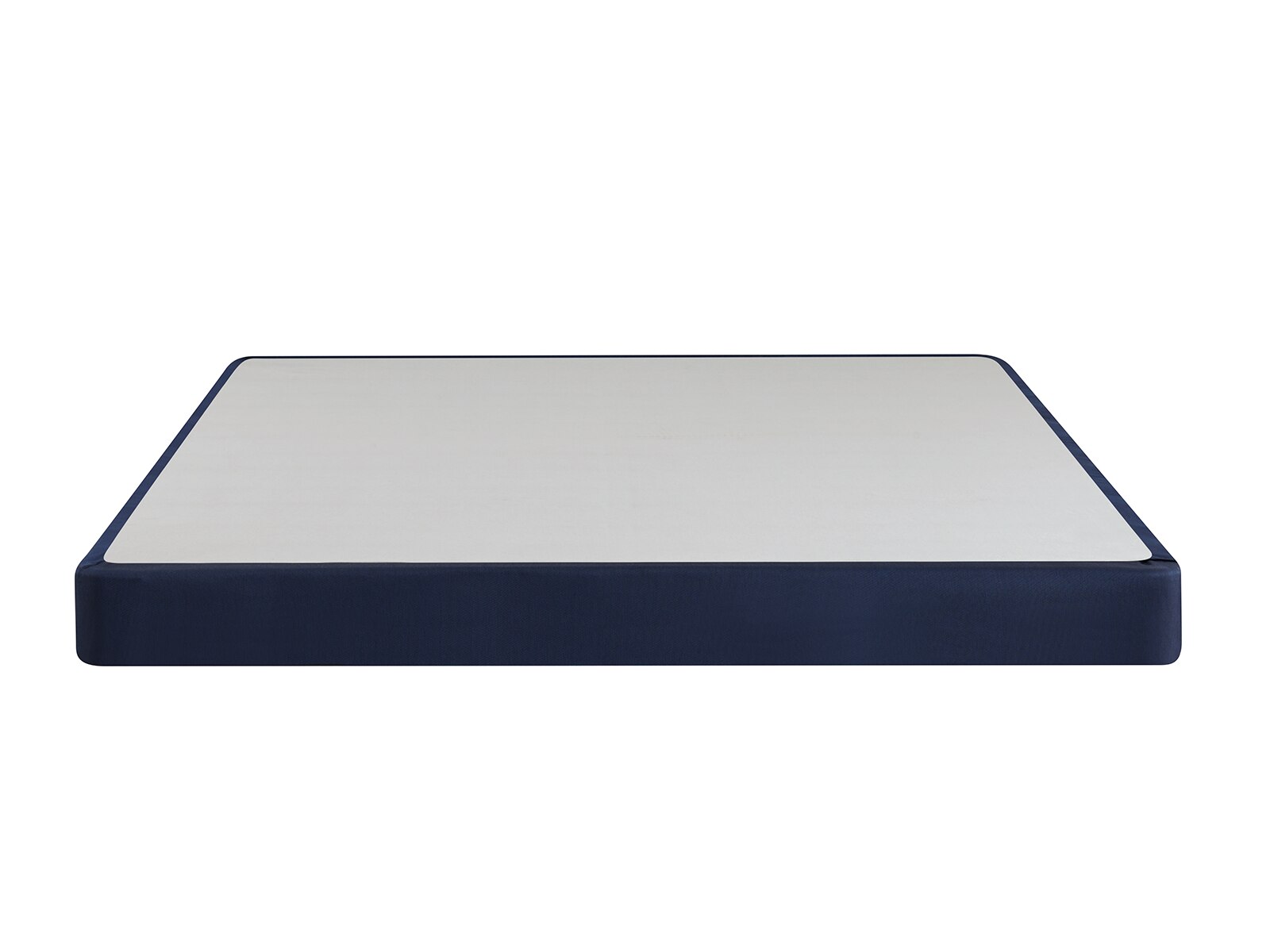
Motion isolating bed foundations provide stable support beneath a mattress to help limit the extra bounce, shifting and wobbling that can contribute to nighttime disturbances. Their role is to keep the sleep surface properly supported, while the mattress does most of the work of absorbing movement from a partner turning over or getting out of bed. For someone who wakes when a partner comes home late, or a couple with separate morning routines, that distinction matters: a steady foundation supports a quieter setup, but it cannot make every mattress equally effective at limiting motion transfer. The foundation, mattress and bed frame work together. The frame holds the foundation in place, the foundation distributes the load beneath the mattress, and the mattress cushions the sleeper. Movement can originate at any of these points, whether from a loose frame connection, unsupported slats or a mattress that readily carries movement across its surface. A well-supported, non-flexing foundation can help reduce movement originating below the mattress without changing the mattress’s basic construction. Memory foam often absorbs movement locally, while individually wrapped coils can respond more independently than interconnected springs. The actual result depends on the complete mattress design, not simply its material label. A traditional box spring adds spring-based flexibility and may be appropriate for a mattress specifically designed to use it; a rigid foundation serves a distinct support function and should match the mattress manufacturer’s requirements. Neither foundation height nor a thick fabric cover proves motion isolation performance. For shared bedrooms, guest rooms and anyone sensitive to a shifting sleep surface, the most useful features are secure construction, consistent support and compatibility with the mattress above. Even a sturdy base can carry some vibration, so stability should be considered part of the solution rather than a promise of completely undisturbed sleep.
Materials and construction help explain how a foundation supports the bed over time. Wood foundations may use solid lumber, engineered wood or a combination of structural components, while metal designs typically rely on rails, crossbars and reinforced connections. Both can provide dependable support when their construction suits the intended load and the mattress’s requirements. With wood, pay attention to how the frame is joined and how the support surface is reinforced; with metal, secure connections and adequate cross-support matter more than the material name alone. Fabric upholstery creates a finished appearance, but the structure underneath determines stability. Slatted foundations should have spacing that meets the mattress manufacturer’s specifications, since gaps that are too wide can leave sections of the mattress unsupported. A continuous support surface may suit some mattresses, but ventilation requirements still matter, and adding a board without checking the manufacturer’s guidance can change airflow or support in unintended ways. Foundation dimensions should match the mattress and fit securely within the bed frame. A queen mattress needs an appropriately sized queen foundation, and a king and California King are not interchangeable. Twin XL dimensions also differ from twin dimensions, making exact measurements more useful than a visual estimate. Check the frame’s interior dimensions, support ledges and center-support requirements before choosing a foundation. Height deserves attention, too: a low-profile foundation can help keep a thick mattress at a comfortable sitting height, while a taller foundation raises the finished sleep surface. Picture sitting on the edge to put on socks or stepping into bed after a long day; the combined height of the frame, foundation and mattress affects those everyday movements. Split foundations can make navigating stairs and narrow hallways easier, but two foundation sections beneath one mattress do not automatically isolate each sleeper’s movement. Both sections still need secure, even support. Weight capacity should account for the mattress and everyone using the bed, along with any other load specified by the manufacturer, rather than considering sleeper weight alone.
Consistent performance starts with careful assembly and continues with simple maintenance. Set the bed on a level surface, install every required support component and tighten connections according to the manufacturer’s directions. A center leg that does not reach the floor, a missing crossbar or a foundation resting unevenly inside the frame can introduce movement even when the mattress itself performs well. If the bed begins to squeak or shift, check accessible connections and support points before assuming the mattress is responsible. Inspect the foundation periodically for cracked wood, bent components, loose fittings or sagging support areas, especially after moving the bed. Follow the stated cleaning instructions for upholstered surfaces; gentle vacuuming can remove dust from accessible fabric, while spot cleaning should use only an approved method. Avoid saturating the cover or allowing moisture to remain against structural materials, and let any cleaned area dry fully before replacing bedding. Move the foundation with enough assistance to protect its corners and joints rather than dragging it across the floor. These habits help preserve the structure, though no amount of maintenance can correct a foundation that is incompatible with the mattress or insufficiently supported by the frame. When the base is stable but surface movement remains noticeable, the mattress’s comfort layers may be the next part of the setup to consider.
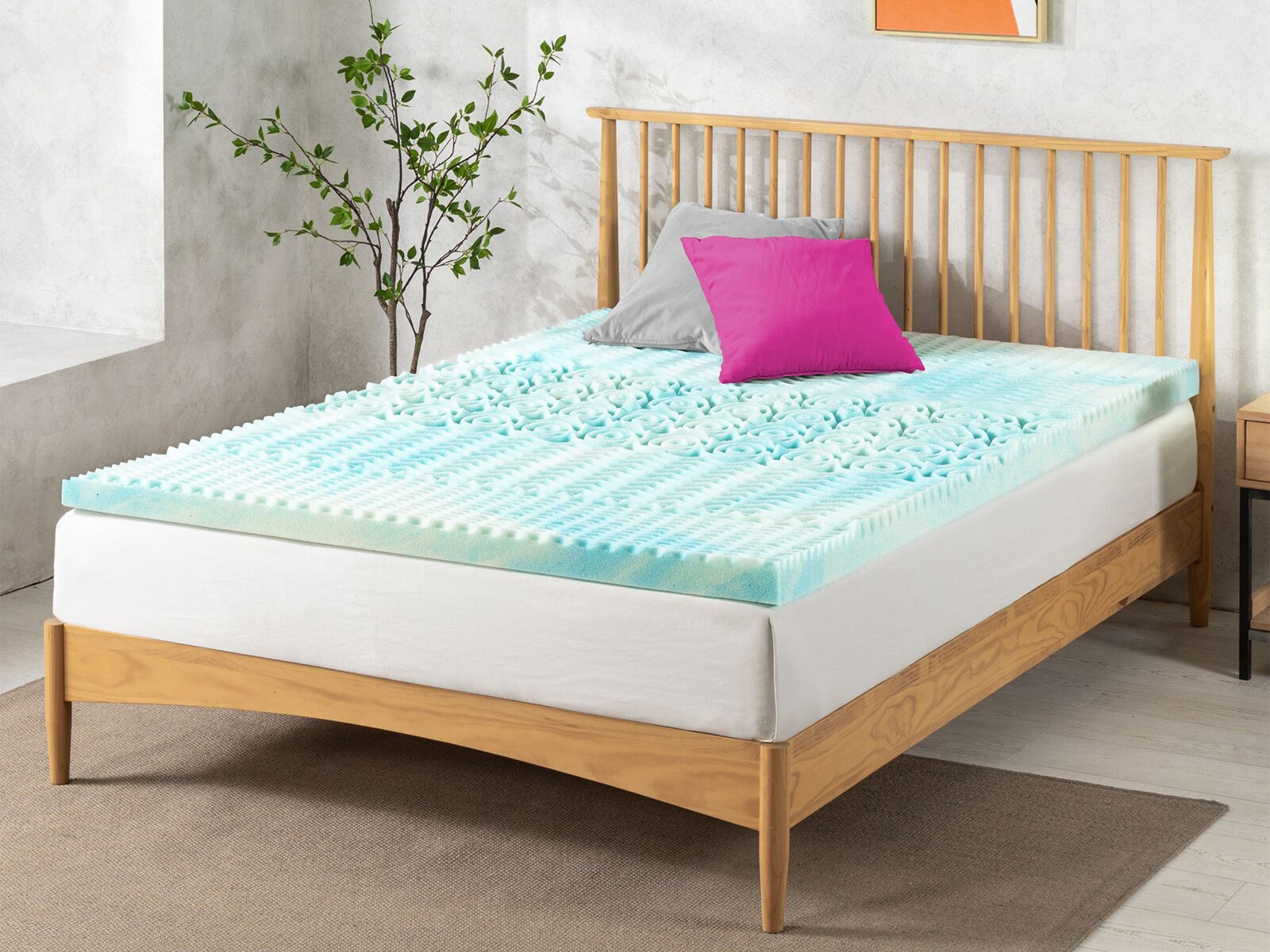
Motion isolating mattress toppers can add a cushioning layer that may help absorb some movement, depending on their materials and construction, but a topper cannot repair a loose frame or replace proper mattress support. For a couple settling into a shared bedroom or a household furnishing a guest space, a dependable foundation is a practical starting point: it keeps the mattress supported through ordinary use and helps prevent the structure beneath it from adding unnecessary motion. The strongest match combines appropriate dimensions, secure reinforcement, suitable load capacity and a mattress designed for the sleeper’s comfort preferences. Together, those details create a bed that feels steady when someone changes position, sits along the edge or gets up while another person stays asleep.