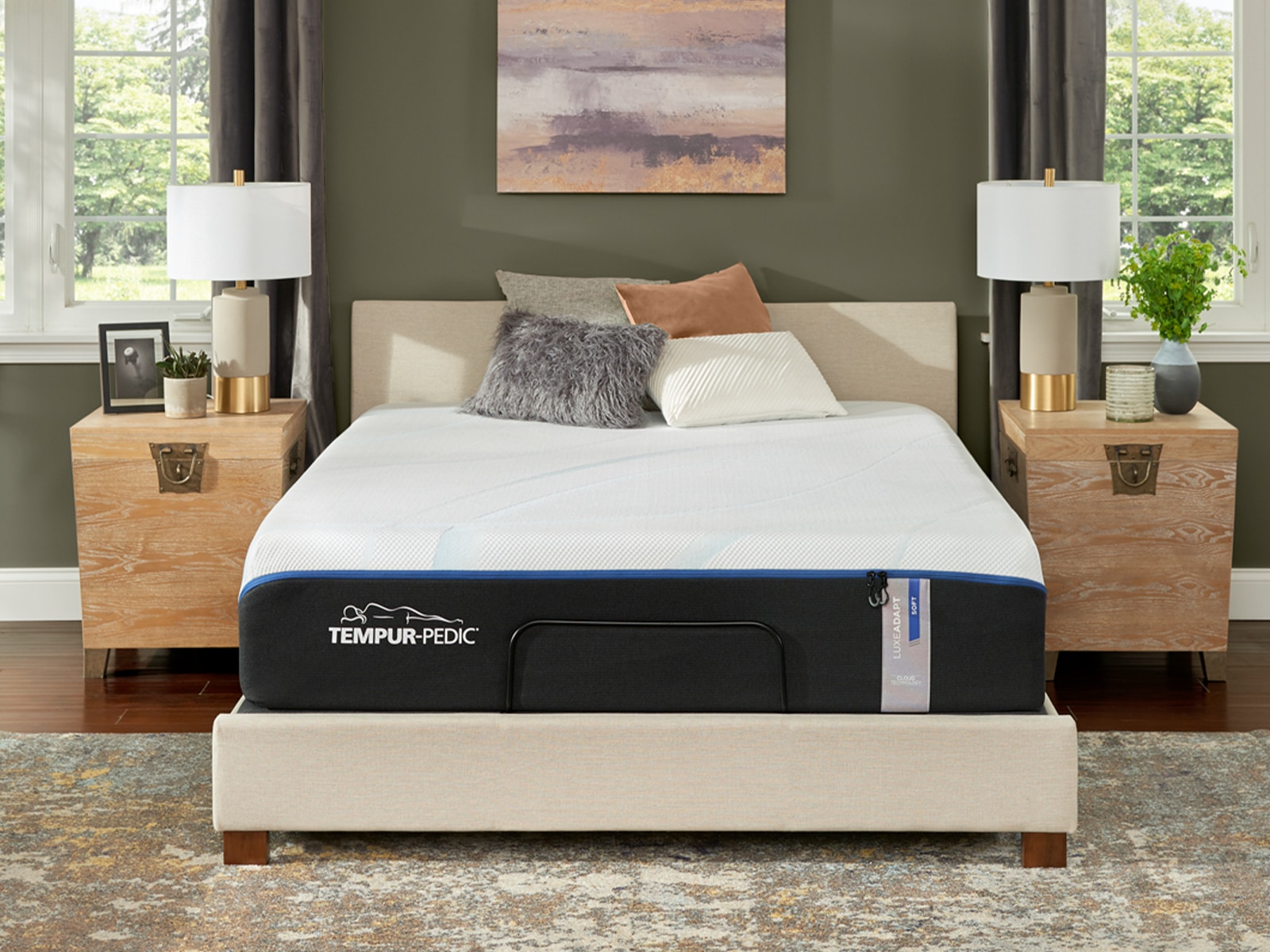
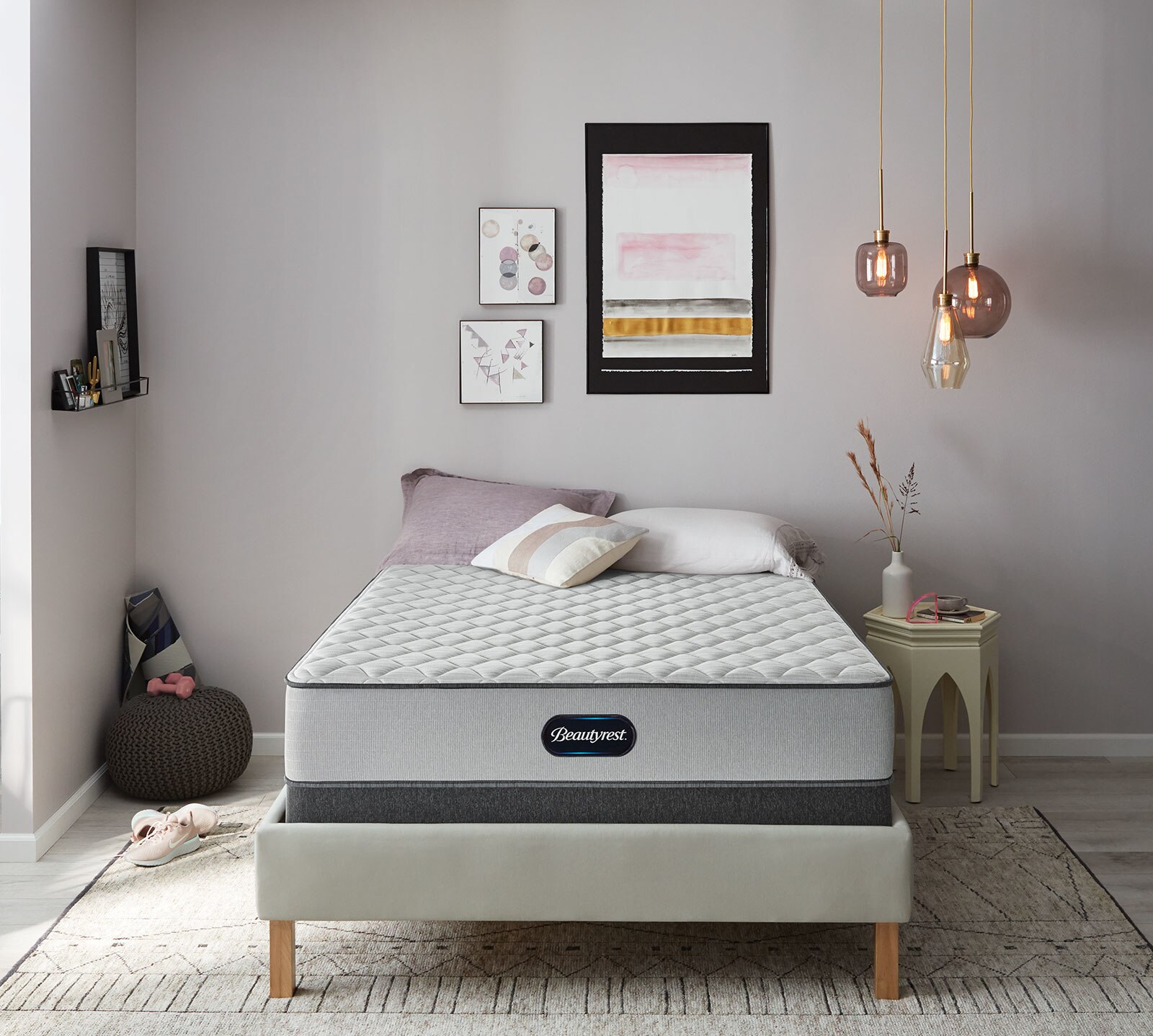
Motion isolation twin mattresses are designed to absorb movement and limit how much of it travels across the sleep surface. That can make a difference when a sleeper changes positions, a pet steps onto the bed or a parent sits beside a child for a bedtime story. Although twin mattresses typically accommodate one person, motion isolation can still help keep movement more localized rather than sending a noticeable ripple through the mattress. The feature comes primarily from the way the comfort layers and support system respond to pressure. Memory foam tends to contour closely and absorb energy, while other cushioning foams can provide a more responsive feel with varying levels of motion control. An all-foam mattress combines comfort layers with a supportive foam base, without springs. A hybrid mattress pairs foam or other cushioning materials with coils, often individually wrapped so each spring can compress more independently of its neighbors. This construction can balance motion isolation with a little more bounce and ease of movement. Mattresses with interconnected springs may transfer movement more readily, though the amount depends on the complete construction, including the layers above the springs. Neither the number of layers nor the thickness of the mattress alone tells the whole story. How those materials work together matters more than a single feature listed in a description. Motion isolation is also different from firmness: a firm mattress can absorb movement well, and a soft mattress can still have a lively response. For someone who prefers a gently cradling surface, foam may feel reassuringly settled after a position change. A sleeper who turns frequently may prefer cushioning that absorbs movement without making repositioning feel difficult. Strong motion isolation does not guarantee a completely still bed, eliminate frame noise or prevent every sleep interruption, but it can be a useful part of a comfortable, well-supported sleep setup.
A standard twin mattress typically measures 38 inches wide by 75 inches long, making it a practical fit for a child’s bedroom, a compact guest room or an adult’s smaller sleeping space. Its narrower footprint leaves more room for a nightstand, a desk or a clear path beside the bed, while still providing a dedicated surface for one sleeper. Length deserves attention, especially for a growing teenager or an adult whose feet approach the end of a standard twin. For added legroom,
Twin XL Motion Isolation Mattresses offer a related option; a standard Twin XL measures 38 inches wide by 80 inches long, adding five inches without increasing the width. Matching the mattress to the sleeper involves more than measuring the room, however. Side sleepers often benefit from cushioning that allows the shoulders and hips to settle while supporting the waist. Back sleepers generally need a balance of surface comfort and underlying support, and stomach sleepers may prefer a feel that helps keep the midsection from sinking too deeply. Body size and personal preference affect how any firmness feels, so these are starting points rather than fixed rules. A mattress that absorbs movement but leaves the sleeper feeling unsupported is not the right balance. Edge support matters, too, because a twin offers less room to spread out. A stable perimeter can feel helpful when sitting to put on socks or sleeping near the side, although edge support and motion isolation are separate qualities. Mattress height should also suit the bed frame and the person using it. On a bunk bed or loft bed, the frame’s mattress-thickness limit and guardrail requirements take priority. For a trundle, there must be enough clearance for the mattress to slide beneath the main bed. These fit details help ensure that the mattress works comfortably within the space rather than simply matching its length and width.
Everyday use and care help determine how a motion-isolating twin mattress performs over time. Comfort foams vary in density and resilience, and support systems differ in their ability to maintain a consistent feel through repeated use. Higher-density foam can contribute to durability, but density is not the same as firmness, and no single specification guarantees a particular lifespan. A durable setup also depends on the foundation underneath it. A stable platform, compatible foundation or properly spaced slats should support the mattress according to the manufacturer’s requirements. A loose frame or flexible base can introduce movement that even well-designed comfort layers cannot fully absorb. For two separate mattresses placed beside each other, a shared frame or foundation may still carry some motion between the sleeping spaces. A fitted protector helps shield the surface from spills, perspiration and everyday wear, which is especially useful in a child’s room or a guest room used by different sleepers. Sheets should match both the mattress size and its depth so the corners stay secure without pulling tightly across the cushioning. Care instructions vary by construction, but many mattresses benefit from occasional rotation if the manufacturer recommends it; flipping is generally unsuitable for models designed with comfort layers on only one side. Small spills should be addressed promptly using the recommended cleaning method, with the surface allowed to dry fully before bedding is replaced. Handles, when present, may be intended for positioning rather than carrying, so moving instructions are worth checking before rearranging a room. Over time, a noticeable change in support, persistent sagging or discomfort can signal that the sleep surface needs attention. For children moving into a larger bed, adults furnishing a compact room or overnight guests who appreciate a settled feel, motion isolation adds a thoughtful layer of comfort. The most useful combination is movement absorption, comfortable cushioning, dependable support and a size that gives the sleeper room to rest naturally.