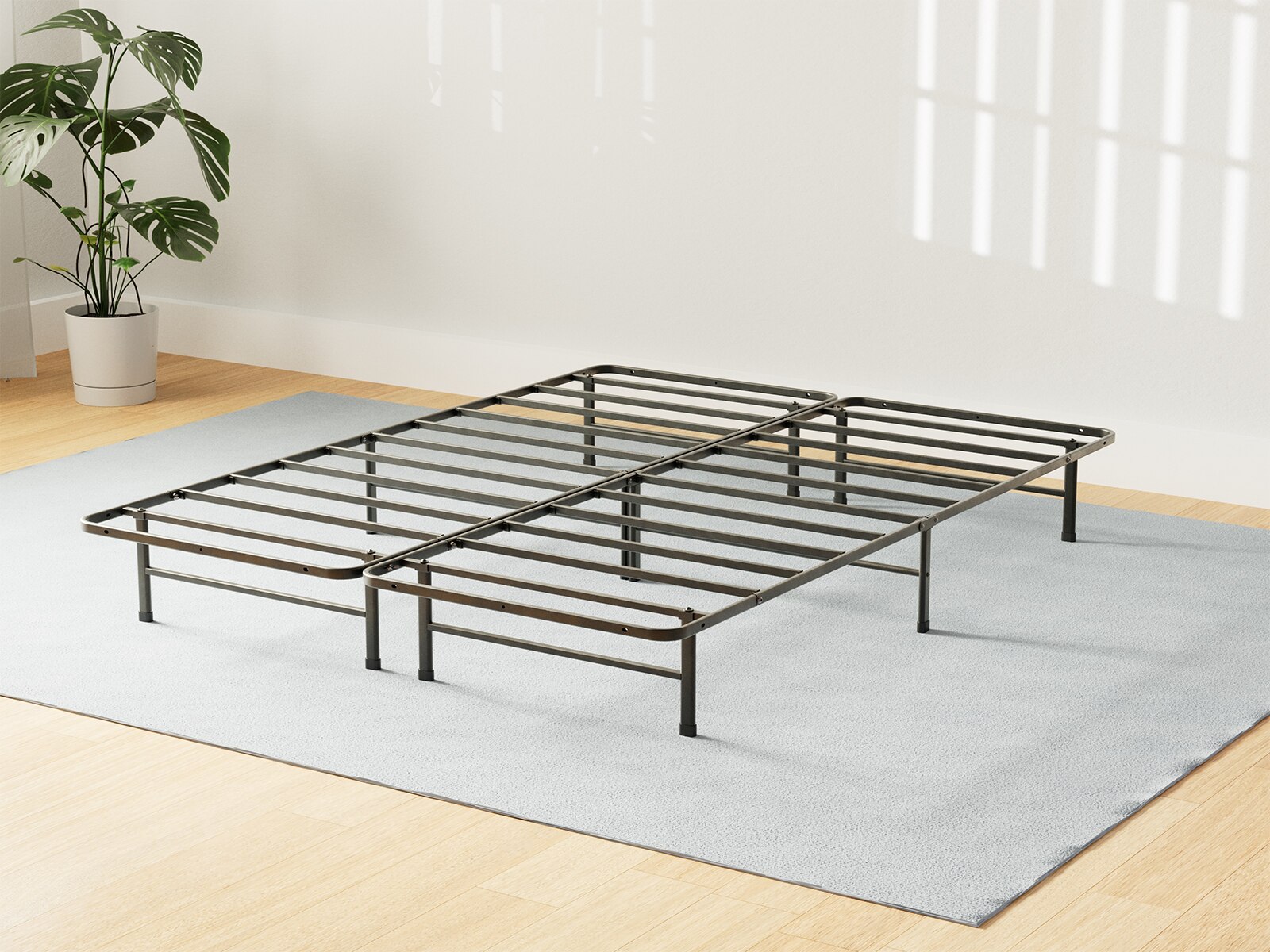
Multifunctional furniture for small spaces combines two or more uses within a single footprint, helping a room support sleeping, sitting, working or storage without a separate piece for every activity. In a studio apartment, that might mean seating that becomes a sleep surface or a bed frame with drawers beneath the mattress. In a compact guest room, a surface that serves as both a desk and a bedside table can leave more room for everyday movement. The benefit is not simply fitting more furniture into fewer square feet. It is making space for the activities that matter while keeping belongings accessible and the room comfortable to use. Different designs accomplish this in different ways: some conceal storage inside their frames, some expand when needed and others change functions through folding or sliding components. The most practical fit depends on which function gets used most often. Furniture intended for nightly sleep deserves a different level of attention to mattress support and sleeping dimensions than seating used occasionally by an overnight guest. Likewise, a surface used for daily computer work needs enough depth for equipment and enough clearance for a chair, even if it also serves another purpose. Measurements matter in every configuration, not just when a piece is closed. A drawer needs room to extend, convertible seating needs space to unfold and a lift-up compartment needs clearance above it. Baseboards, window ledges, door swings and nearby furniture can all affect that usable space. Access through the building matters, too, including narrow hallways, stair turns and elevator openings. A compact footprint is useful only when the furniture can reach its intended room and function there comfortably. Thinking about both the resting position and the fully extended shape helps distinguish furniture that merely fits from furniture that makes daily life easier, especially where one room serves several purposes.
Materials and construction influence how multifunctional furniture feels, wears and handles repeated changes between uses. Solid wood can bring substantial weight and visible grain, while engineered wood offers a range of finishes and construction styles; durability depends on the overall design, joinery, hardware and intended load rather than the material name alone. Metal frames can provide a slim profile, though connection points, support bars and protective finishes still deserve attention. Furniture that opens, folds or slides places regular demands on its moving parts. Smooth operation, secure locking mechanisms and accessible hardware can make those transitions more manageable over time. Weight limits should be checked for each intended function, since a storage compartment, seating area and sleep surface may have separate ratings. For furniture that supports a mattress, the required mattress dimensions, thickness and foundation compatibility are especially important. An existing mattress is not automatically suitable for every convertible or enclosed design, and bedding may need to be removed before the furniture changes position. Upholstery adds another layer of practical considerations. Fabric texture, weave and care requirements affect how well a piece suits a home with pets, children or frequent guests. Removable covers are not necessarily machine washable, and a cleaning code may call for a specific type of treatment. Following the manufacturer’s care instructions helps protect both the fabric and the materials beneath it. Prompt attention to spills, routine vacuuming where appropriate and gentle cleaning of finished surfaces can keep everyday buildup from becoming harder to remove. Inside storage areas, clean, dry linens are easier to maintain than tightly packed bedding put away before it has fully dried. Drawer capacity also involves more than volume: heavy contents can strain hardware even when there appears to be room for more. Maintenance access matters in a small room, where moving a large piece away from the wall may be difficult. Designs that allow reachable fasteners, clear floor access or removable components can simplify the routine care that helps furniture remain useful.
The right combination of functions reflects the people using the room and the rhythm of their day. Someone working from a studio may need a clear distinction between a daytime workspace and an evening place to rest, while a household hosting occasional visitors may prioritize a comfortable guest sleep surface that does not occupy a dedicated bedroom. A student’s room might benefit most from accessible storage for bedding and study essentials, with enough open floor space to move between activities. In a shared home, quiet operation and storage that opens without blocking another person’s path can be just as important as overall dimensions. Collections of
multifunctional furniture for apartments reflect this same balance between everyday comfort and efficient use of space. Visual proportions matter alongside practical measurements. Raised legs can leave more of the floor visible, while enclosed bases can hide belongings that would otherwise collect around the room. Neither approach is automatically better; the useful distinction is whether open space or concealed storage addresses the room’s biggest challenge. Handles, projecting corners and the direction a compartment opens also affect how a piece feels in a narrow passage. Frequently used essentials belong within easy reach, while extra pillows or guest linens can occupy less accessible compartments. Furniture that changes functions should have a realistic place for any displaced cushions, bedding or work materials, so a quick transition does not create clutter elsewhere. Safety remains part of that everyday convenience: folding sections need clear space around hinges, storage lids should be used as directed and any required wall anchoring should follow the manufacturer’s instructions. A successful small-space arrangement does not ask every piece to do everything. It pairs useful functions thoughtfully, preserves room to move and gives rest its proper place, whether the space is a full-time bedroom, a shared living area or a room that welcomes overnight guests.