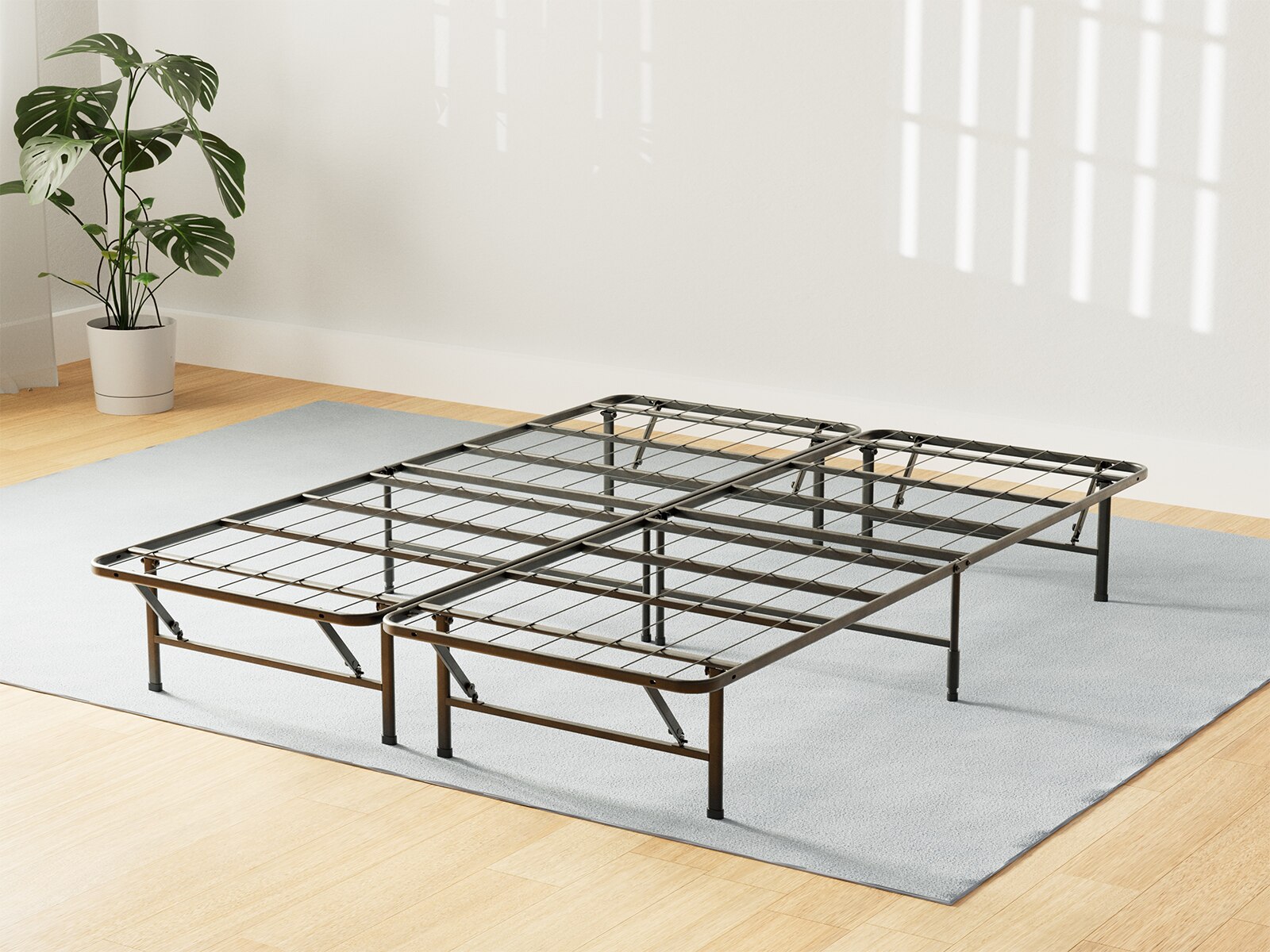
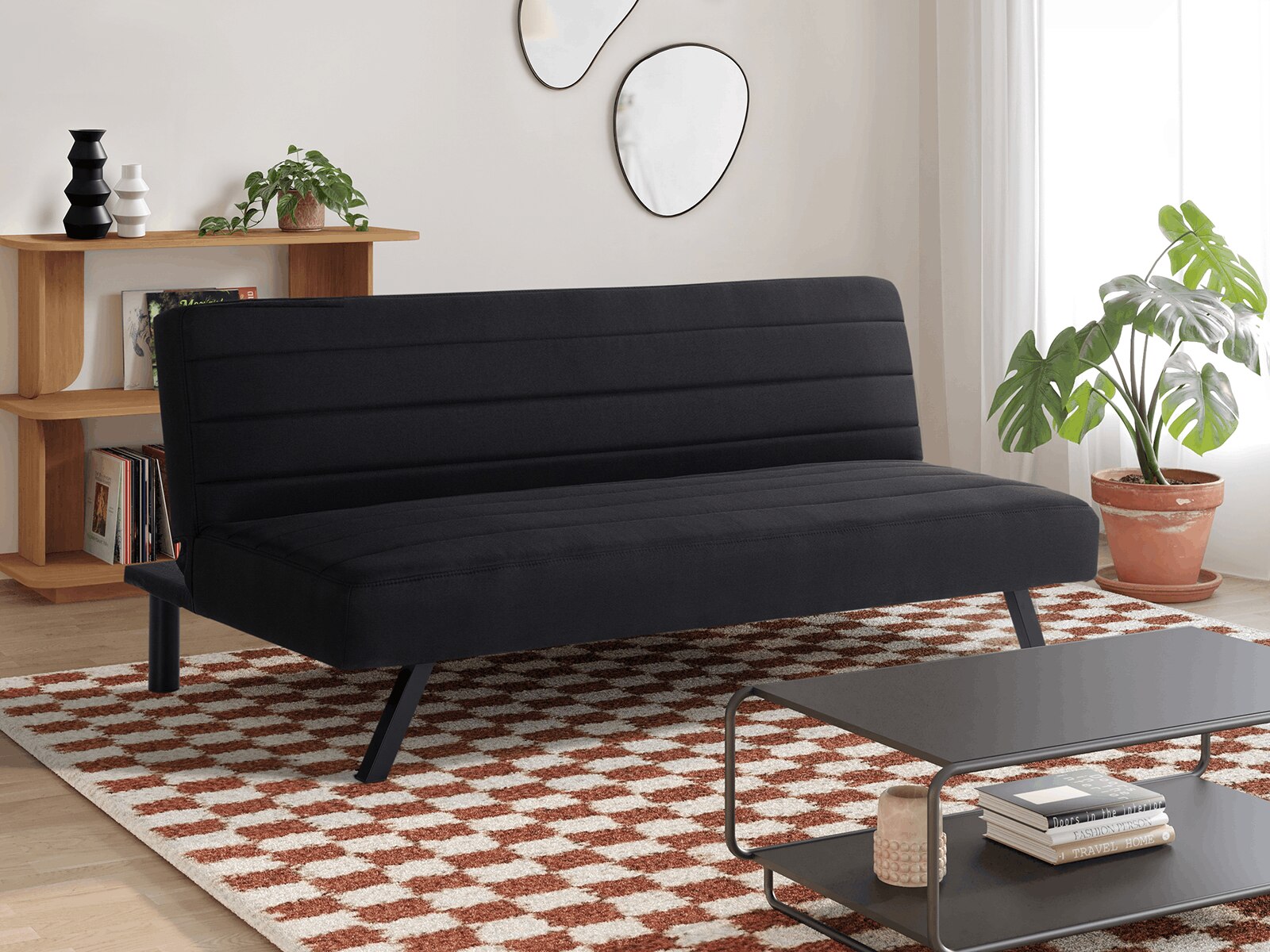
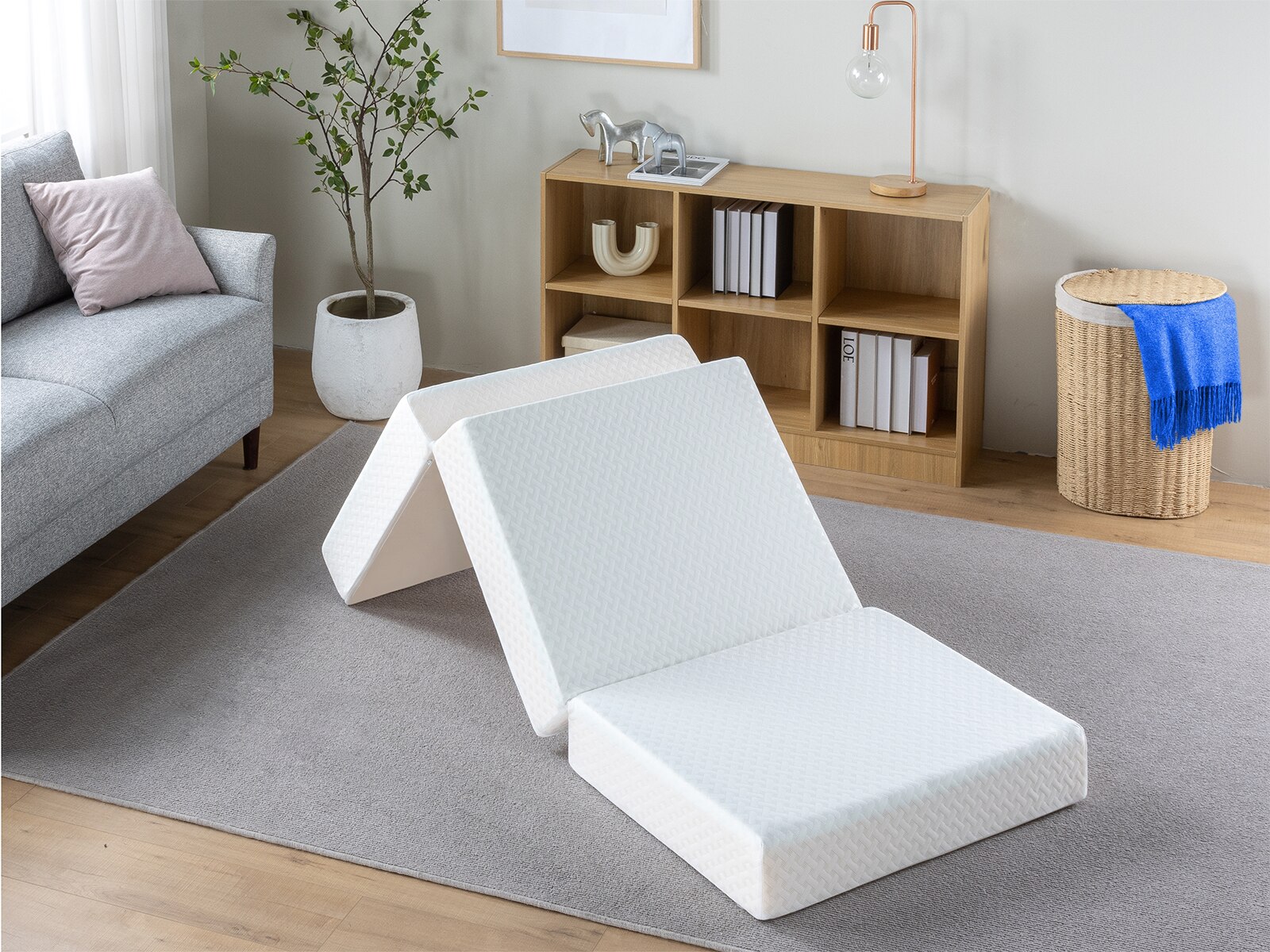
Furniture for small spaces combines compact proportions, useful storage and flexible functions to make a room comfortable without crowding it. The strongest choices fit both the floor plan and the activities that happen there, whether that means sleeping, working, sharing a meal or welcoming an overnight guest. In a studio apartment, a streamlined bed frame and a narrow bedside surface can define a restful corner without blocking the path to the kitchen. In a smaller bedroom, storage beneath the bed can give extra bedding a home while leaving closet shelves free for everyday clothing. Slim arms, shallow profiles and exposed legs can make furniture look less bulky, although visual lightness does not replace checking actual measurements. A chair may appear compact yet need extra room when someone sits down, just as a storage drawer needs space beyond the edge of a bed to open fully. Useful measurements include overall width, depth and height, along with clearance for doors, drawers and any moving parts. The route into the room matters, too: tight stairways, narrow doorways and sharp hallway turns can affect whether an assembled piece will fit. Furniture with removable legs or components that assemble inside the room can be practical in homes with limited access. Scale also involves the relationship between pieces. A tall headboard beside a low window, a deep dresser facing a bed or an oversized bedside table can make a modest room harder to use even when each piece technically fits. Compact furniture works best when there is still room to walk, reach storage and move bedding without squeezing around corners. For a shared bedroom, that may mean keeping access clear on both sides of the mattress rather than filling every open stretch of wall. A few well-proportioned pieces often support daily life better than a room crowded with smaller furniture that has no clear purpose.
Materials and construction influence how small-space furniture feels, wears and handles frequent use. Solid wood can bring natural grain and substantial structure, while engineered wood offers a consistent surface and may be finished with veneer or laminate. Performance depends on the quality of the construction and finish, not simply the material name. Metal frames can create a slender outline, but stable connections, appropriate support and correctly tightened hardware are important to everyday comfort. Upholstered furniture adds softness around a bed or seating area, with fabric texture, seam construction and cleaning requirements all worth considering. A tightly woven surface may be easier to maintain in a frequently used room than a delicate fabric with a raised texture, though the manufacturer’s care directions should always determine cleaning methods. In close quarters, furniture often gets touched, brushed past and moved more frequently, so smooth edges, sturdy joints and finishes suited to regular handling have practical value. Storage features deserve the same attention as visible surfaces. Drawers should move smoothly, handles should be easy to reach and lift-up compartments should have enough overhead clearance to operate as intended. The space inside a storage compartment matters more than its appearance from outside; folded blankets, extra pillows and larger belongings can take up more room than expected. For bed frames, mattress dimensions, support requirements and the combined weight of sleepers and bedding should align with the manufacturer’s specifications. A low-profile frame can reduce visual bulk, but bed height should still make sitting down and standing up comfortable. Routine care helps preserve function: prompt attention to spills, cleaning with approved products and periodic hardware checks can prevent small issues from becoming daily frustrations. Keeping the area beneath and around furniture accessible also makes ordinary cleaning easier. Storage should not block required ventilation, and tall furniture should be secured according to its instructions, particularly in homes with children.
The intended use of a room helps determine which space-saving features will earn their place. For someone furnishing a first apartment, furniture that can move between rooms or adapt to another layout may be more useful than a piece designed for one exact corner. A compact upholstered seat might serve as a place to put on shoes in a bedroom and later become seating near an entryway. A storage bench can hold bedding while providing a comfortable pause at the foot of a bed, provided it leaves enough walking space. In a guest room that also functions as a home office, furniture with a modest footprint can keep the room welcoming without interfering with the workday. Multifunctional designs are most helpful when changing their purpose is straightforward; a feature that requires moving several other pieces may be used less often than expected. Shared homes benefit from clearly separated storage, accessible surfaces and furniture that does not intrude on another person’s path. For children’s rooms, age-appropriate dimensions, secure construction and easy-to-manage storage are more important than fitting in additional pieces. Adults furnishing a smaller primary bedroom may place greater value on a comfortable bed height, reachable bedside essentials and enough clearance to change the sheets easily. Complementary options on the
Equipment For Small Spaces page can help round out a compact room with the same attention to footprint and everyday function. Across these settings, a coordinated finish or a restrained mix of materials can help furniture feel connected without requiring every surface to match. Closed storage can keep necessary belongings nearby without putting everything on display, while a small open surface leaves room for a lamp, a book or a glass of water. The goal is not an empty room, but a usable one: a space where furniture supports familiar routines, belongings have a place and there is still room to settle in comfortably.